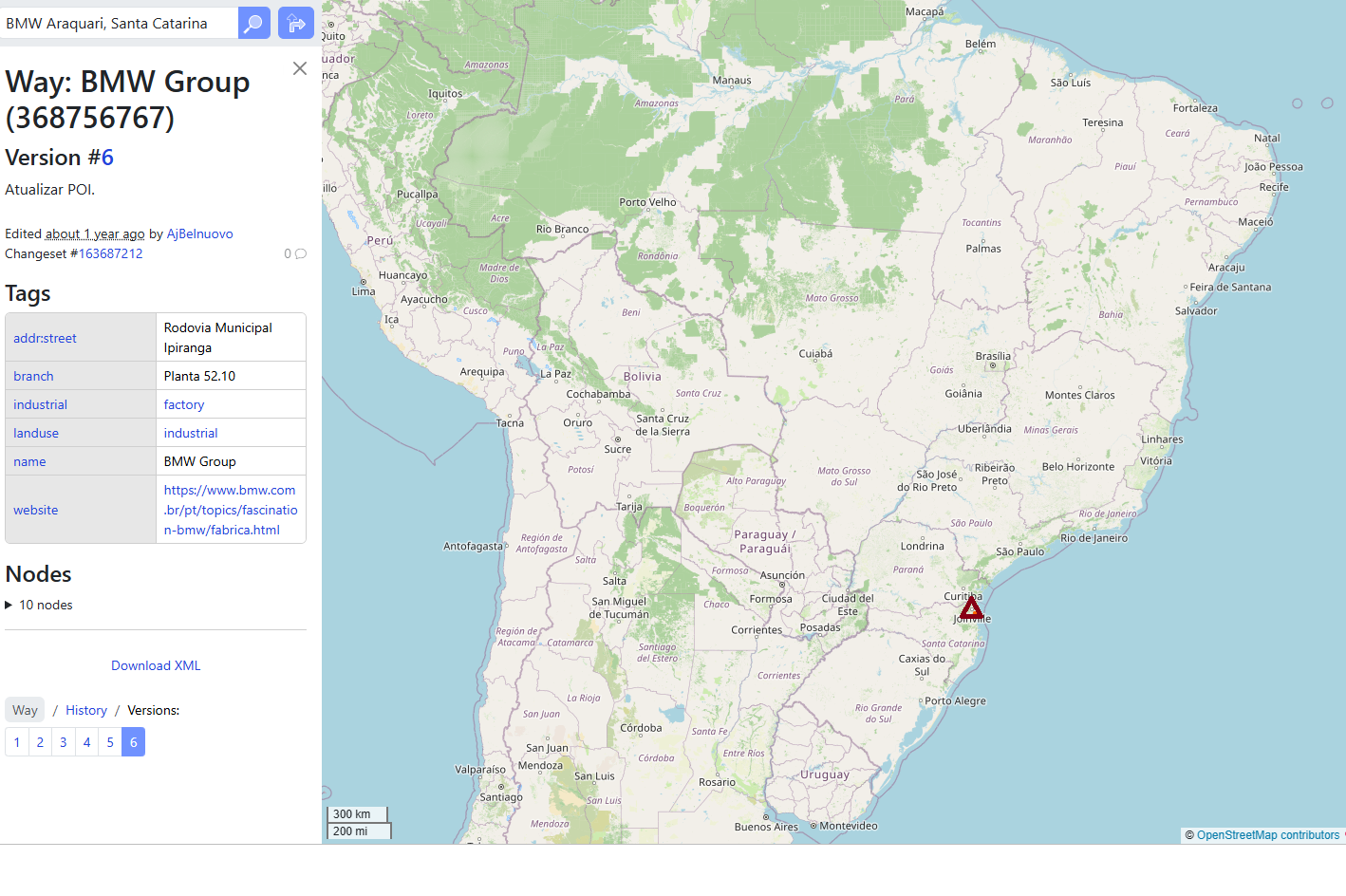
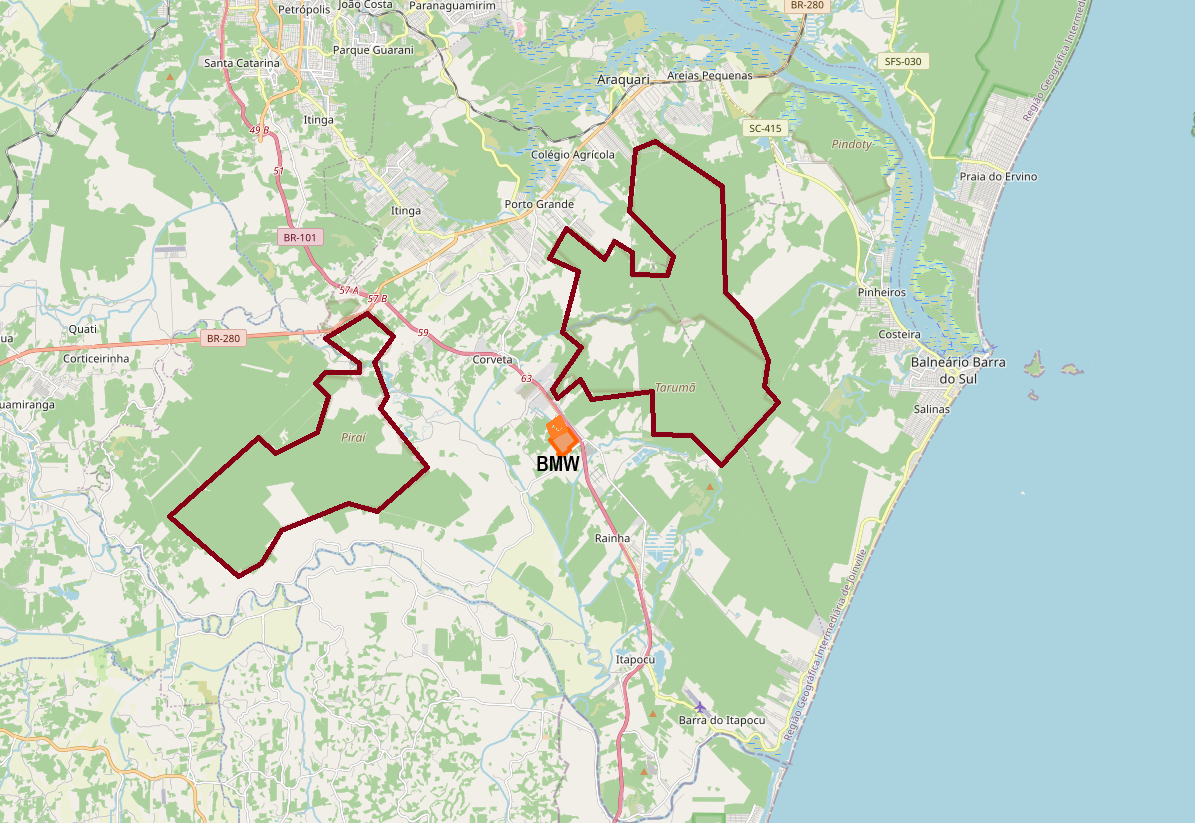
In the southern Brazilian state of Santa Catarina, the Guarani Indigenous communities of Piraí, Pindoty, and Tarumã are continuing their protracted struggle to hold the German automotive giant BMW accountable for commitments made over a decade ago. The core of their grievance lies in the establishment of a sprawling vehicle assembly plant in Araquari, a facility constructed on ancestral Guarani lands, which they assert was done without their Free, Prior, and Informed Consent (FPIC) and has since led to significant environmental and social disruptions.
A Factory’s Footprint on Sacred Ground
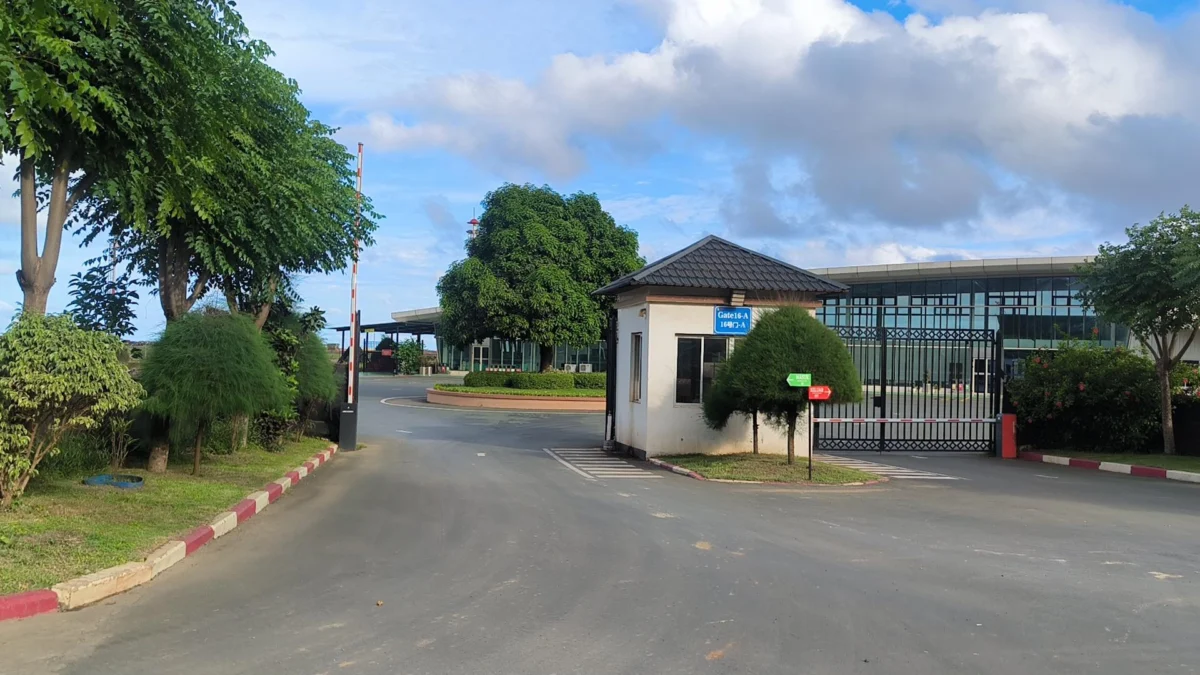
The construction of the BMW assembly plant commenced in 2013, a project that would eventually occupy 1.5 square kilometers of land considered sacred and ancestral by the Guarani people. By 2015, the factory was operational, and in its initial five years, BMW reported the production of approximately 60,000 vehicles. However, the establishment of this industrial complex was met with immediate and vocal opposition from the Guarani communities. They denounced the encroachment on their territories, the detrimental environmental consequences stemming from industrial production, and the cascading infrastructure development that accompanied the factory’s arrival.

Central to the Guarani’s legal and ethical claims is the principle of Free, Prior, and Informed Consent (FPIC), a fundamental right enshrined in both Brazilian national legislation and international human rights instruments, including the United Nations Declaration on the Rights of Indigenous Peoples (UNDRIP). The communities contend that BMW failed to initiate and properly implement the FPIC process before commencing construction. This process, under Brazilian law, necessitates the development of an Indigenous Component of the Basic Environmental Plan (CI-PBA). This crucial plan is designed to identify, mitigate, and compensate for the adverse impacts of development projects on Indigenous populations, outlining specific activities and responsibilities for the undertaking company.
According to documentation provided by the Guarani communities and corroborated by organizations like the Indigenous Missionary Council (CIMI), BMW did not submit the CI-PBA for review until 2019, a full four years after the factory had been in operation. The Brazilian national agency responsible for Indigenous affairs, FUNAI (The National Indian Foundation), finally released a finalized and approved CI-PBA in 2022. Despite the apparent absence of federal FPIC compliance at the time of its initial licensing, BMW received its pre-licensing for installation in 2013 from the local environmental authority, the Santa Catarina Environmental Institute (IMA). This sequence of events has led to accusations that regulatory bodies prioritized industrial development over the fundamental rights of Indigenous peoples.
Unfulfilled Pledges and Procedural Deficiencies
In November 2025, a delegation from the Securing Indigenous Peoples’ Rights in the Green Economy (SIRGE) Coalition, which includes representatives from Earthworks and Cultural Survival, visited the affected Guarani communities. During their visit, Guarani leaders engaged in discussions with SIRGE members about the implementation of the CI-PBA and the persistent issues arising from its inadequate fulfillment. They presented extensive documentation detailing the project’s history and ongoing challenges, generated by both FUNAI and BMW.
The Indigenous leaders articulated a profound sense of neglect, describing a significant absence of consistent engagement and oversight from FUNAI and other federal agencies throughout the entire process. Their interactions with the local BMW operations were characterized as strained, marked by deep distrust, and often perceived as disrespectful. Communication channels were described as weak, follow-through on commitments inconsistent, and the company’s engagement with community authority often seemed to be treated as a mere procedural formality rather than a genuine partnership.
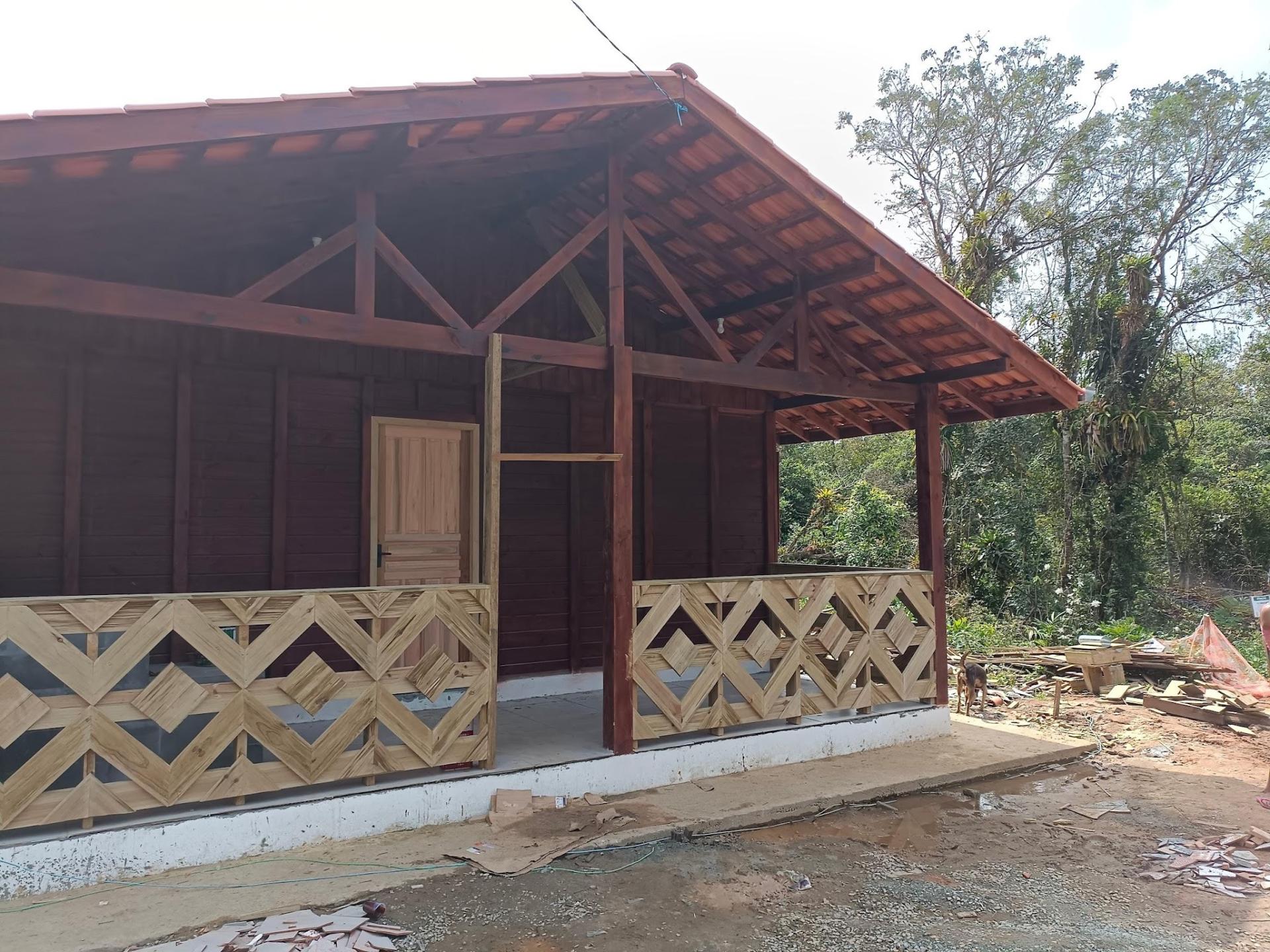
During the SIRGE delegation’s visit, it became evident that several key activities stipulated within the CI-PBA remained either incomplete or demonstrably inadequate. A significant component of the plan involved the construction of 46 new single-family houses for members of the Guarani communities. However, these housing projects have been plagued by serious concerns regarding quality, safety, and accountability. Guarani leaders reported that the construction project ran out of funding before all the committed houses could be completed. As a stark example, in one community, out of the 16 houses initially promised, only 6 had been constructed, with the project dragging on for years.
The firsthand accounts from the Guarani leaders during the November 2025 visit painted a grim picture of the ongoing housing construction. Representatives of SIRGE were shown around the unfinished project, where concerns about the quality and safety of the craftsmanship were immediately apparent. Even before habitation, some structures exhibited signs of disrepair, with elements already broken. Many houses remain incomplete, leaving construction debris scattered within the communities, posing potential hazards. This situation suggests not only technical negligence but also a systemic governance failure, where interventions intended to enhance territorial well-being instead introduce new risks and ongoing maintenance burdens for the communities. The unfinished houses stand as a tangible symbol of broken promises and the systemic disregard for the quality of life of the Guarani people.
Environmental Strain: Water and Power Disruptions
Beyond the immediate impacts of construction and infrastructure development, the Guarani communities have linked broader environmental disruptions, including loss of access to clean water and recurring power outages, to the presence and operations of the BMW plant. In November 2025, community leaders reported that two of their communities had lost reliable access to their water sources, necessitating the costly and inconvenient delivery of water by trucks. This dependency on external water provision highlights a significant disruption to their traditional and sustainable water management practices.
Further compounding their vulnerability, in 2026, intense storms, which many attribute to the accelerating impacts of climate change, severely damaged the already fragile electrical and internet grid in several of the communities. While partial restoration efforts have been undertaken, the recurring disruptions underscore the precariousness of their infrastructure and its susceptibility to environmental stressors exacerbated by industrial development. The reliance on external power grids, potentially strained by industrial demand, makes them more vulnerable to widespread outages.
Towards Genuine Self-Determination and Accountability
The CI-PBA, as it stands and is being implemented, appears to fall short of its potential to foster genuine self-determination for the Guarani people. While the plan outlines various activities, the most critical outcome—the recognition and strengthening of Indigenous self-determination while effectively mitigating the factory’s impacts—seems conspicuously absent. Genuine, substantive improvements would necessitate a focus on risk reduction, enhanced territorial security, robust and effective oversight mechanisms, greater community autonomy in decision-making processes, the active protection of Guarani culture and heritage, and comprehensive conflict prevention strategies.
The current implementation of the CI-PBA, as observed on the ground, reflects a familiar pattern: formal compliance with procedural requirements often masks a lack of substantive delivery and minimal meaningful engagement with the communities on issues that truly matter to them. This scenario mirrors a broader trend where industrial development on Indigenous lands frequently proceeds without genuine respect for the rights and self-determination of Indigenous Peoples. In this context, the CI-PBA risks functioning less as a rights-based safeguard and more as a public relations instrument, where the appearance of "deliverables" substitutes for durable commitments, meaningful consent, and a respectful, long-term partnership grounded in Indigenous self-governance.
This situation is regrettably part of a larger, systemic issue within the automotive industry. In March 2026, the Lead the Charge Coalition released its annual leaderboard report, which assesses automakers based on their corporate commitments to respecting Indigenous Peoples’ rights. The findings indicated minimal year-on-year improvement across the industry, with overall achievement remaining unacceptably low, even for major players like BMW. A particularly concerning finding was that none of the analyzed automakers met the criteria for having effective grievance mechanisms for potentially affected rights-holders. The protracted case of the Guarani Peoples in Brazil serves as a critical, concrete example illustrating the imperative for transparency, robust enforcement mechanisms, and genuine accountability in agreements between corporations and Indigenous communities if these partnerships are to be effective and just.
After more than a decade of automobile production on their ancestral lands, the Comissâo Guarani Yvyrupa, representing the impacted communities, is urgently calling on BMW to honor its commitments. Their demands extend beyond mere procedural compliance with past agreements. They insist on a meaningful FPIC process that genuinely respects their right to self-determination. Furthermore, they seek adequate compensation for the considerable disruptions and traumas they have endured. Crucially, they are demanding transparent and direct communication channels with BMW’s head office, bypassing local intermediaries that have proven ineffective. The communities also reiterate their urgent need for BMW to address critical issues related to water security, ensuring a stable and safe water supply, and to provide adequate and safe housing that meets their cultural and practical needs. The ongoing struggle of the Guarani is a stark reminder that the pursuit of industrial progress must not come at the cost of fundamental human rights and environmental integrity.