Seattle, WA – March 6, 2026 – In a concerted effort to counter what it describes as a deliberate dismantling of refugee protection, asylum, and humanitarian systems, HIAS, the oldest refugee resettlement agency in the United States, is at the forefront of multiple legal challenges against the Trump administration. These legal actions, totaling seven, aim to reverse policies that HIAS contends have inflicted "extraordinary harm to people fleeing danger at home and around the world." Five of these significant legal challenges were initiated in February 2026 alone, marking an intense period of advocacy through the judicial system.
The organization’s commitment to supporting refugees and immigrants, irrespective of political leadership, is underscored by its active participation in these lawsuits. HIAS asserts that the U.S. government has "abandoned refugees," a stance that fuels its ongoing legal endeavors to uphold humanitarian principles and protect vulnerable populations.
A Year of Legal Confrontation: The Pacito v. Trump Case
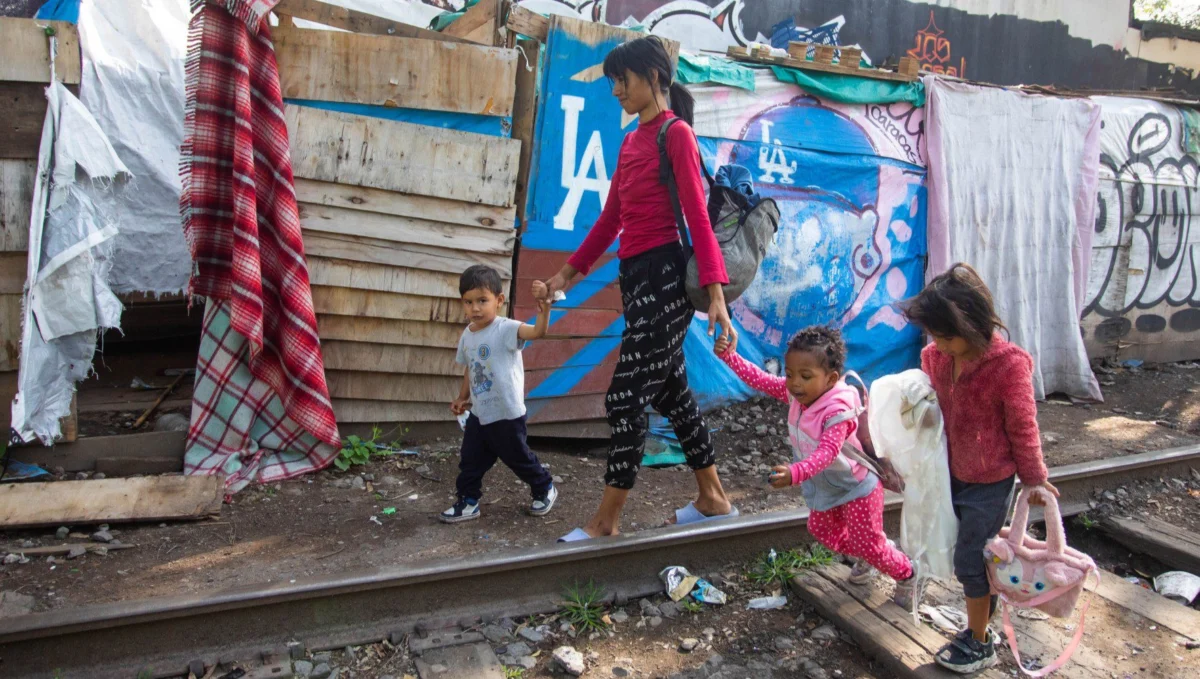
One of the most prominent legal battles highlighted by HIAS is Pacito v. Trump, originally filed in February 2025. This lawsuit directly challenges the Trump administration’s executive order suspending the U.S. Refugee Admissions Program (USRAP). The immediate impact of this order was a halt to refugee admissions, leaving hundreds of thousands of individuals stranded in precarious situations globally.
HIAS joined Pacito v. Trump as a plaintiff, working alongside several other resettlement agencies and individuals directly affected by the suspension. The litigation has been a protracted fight for over a year, aiming to compel the administration to resume admissions and uphold its international and domestic commitments to refugees.
The impact of this legal action has already been felt. In the summer of 2025, the Pacito v. Trump lawsuit was instrumental in forcing the Trump administration to resettle a small cohort of particularly vulnerable refugees. This partial victory provided a glimmer of hope for those awaiting safety and a new beginning. Furthermore, the litigation also succeeded in obligating the Trump administration to continue funding essential resettlement support services for refugees already present within the United States. This ruling was crucial for maintaining the infrastructure necessary to integrate newcomers and provide them with the resources they need to rebuild their lives.
Broader Legal Front: Challenging Humanitarian Aid and Immigration Processes
Beyond the direct challenge to refugee admissions, HIAS is actively engaged in other critical legal fronts that address the administration’s broader immigration and foreign policy.
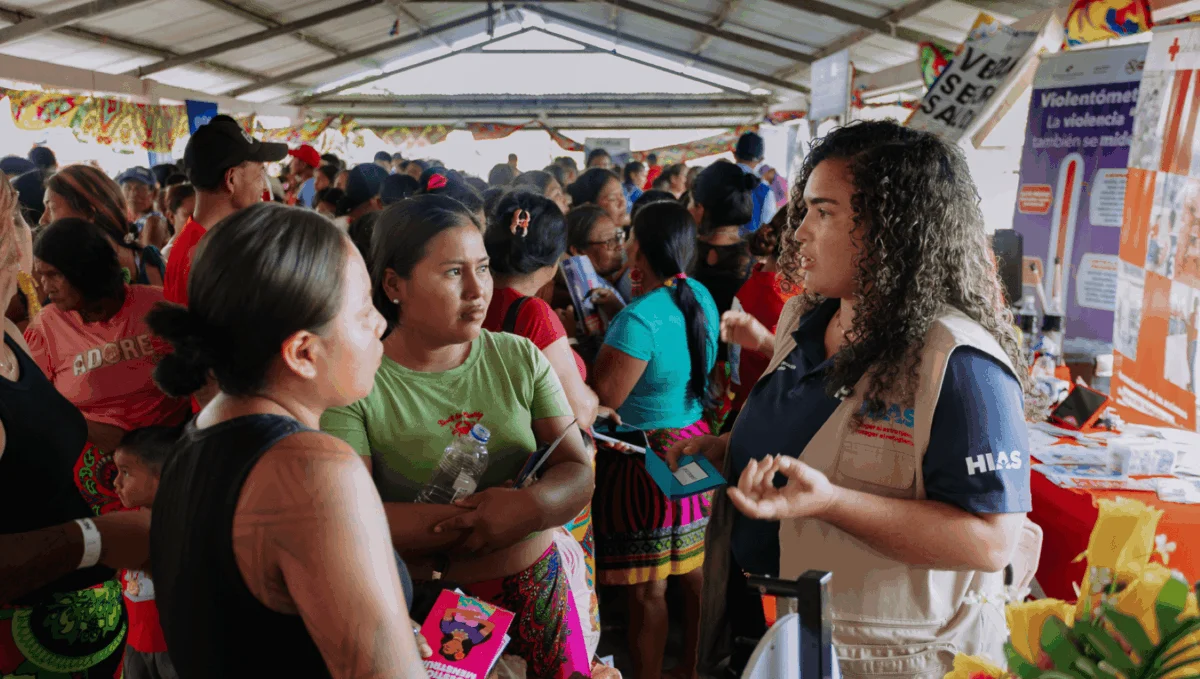
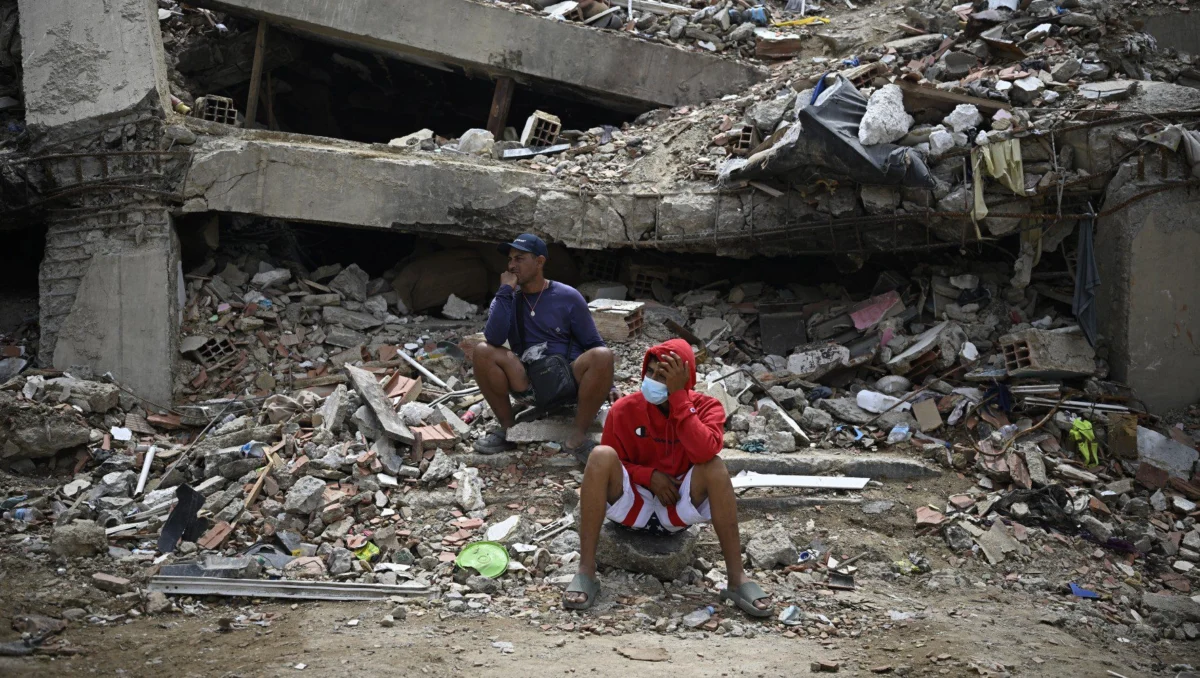
Global Health Council v. Trump (Filed February 2025): This lawsuit, in which HIAS is a co-plaintiff, targets the administration’s drastic cuts to U.S. humanitarian and development assistance. These funding freezes have had a profound impact, cutting off vital resources such as food, water, medicine, and educational support to millions of people worldwide. The Global Health Council v. Trump case has been a significant force in advocating for the restoration of this crucial aid. Its progress has led to the disbursement of some humanitarian funds, demonstrating the power of legal intervention in addressing global crises. The case has garnered significant media attention and has ascended to the Supreme Court, underscoring its national importance. The litigation remains ongoing, with HIAS and its partners continuing to press for the full release of humanitarian funds.
Amica Center for Immigrant Rights v. EOIR (Filed February 2026): This lawsuit focuses on challenging significant changes to the processes at the Board of Immigration Appeals (BIA). HIAS, alongside other legal service providers, has joined this action, recognizing the "seismic impacts" these changes could have on individuals seeking to appeal immigration decisions. For those who have fled persecution and violence, the ability to appeal is often a critical safeguard against being returned to unsafe situations. The alterations to BIA procedures could severely limit due process and increase the risk of refoulement, the forced return of refugees to their persecutors.
Jean A. et al v. Noem (Filed February 2026): In a notable stand against mandatory refugee detention, HIAS is supporting its resettlement partner, Jewish Family Service of Western Massachusetts, in this legal challenge. The lawsuit targets a new USCIS memo that permits the Trump administration to detain refugees who have not yet obtained their green cards. This policy is viewed as a severe blow to the rights and well-being of refugees, potentially subjecting them to unnecessary and traumatic detention. The legal action aims to block this directive and protect the rights of lawfully admitted refugees.
Amicus Briefs: Leveraging Expertise and Historical Context
In addition to directly filing lawsuits, HIAS is actively submitting amicus briefs – "friend of the court" filings – in cases that have significant implications for refugee and immigrant rights. These briefs allow organizations with specialized knowledge to present arguments and information to the court, enriching the legal discourse.
Noem v. Al Otro Lado (Amicus Filed February 2026): HIAS filed an amicus brief in this case concerning "turnback policies" at the U.S.-Mexico border. The brief draws a critical historical parallel between contemporary border policies and the tragic voyage of the M.S. St. Louis in 1939, which carried 900 Jewish refugees who were denied entry into the United States. HIAS’s historical experience in 1939, when it rescued and supported those turned away from the St. Louis, and its more recent work supporting asylum seekers at the border between 2018 and 2021, provide crucial context for the court. The brief underscores the dangerous precedent set by turning away individuals seeking asylum.
U.H.A. v Bondi (Amicus Filed February 2026): This amicus brief addresses the detention of resettled refugees in Minnesota. HIAS is advocating against the practice of detaining refugees for the purpose of rescreening, arguing that it is a "cruel, harmful, and unnecessary practice." The brief emphasizes the extensive security vetting that refugees undergo prior to resettlement and highlights the retraumatizing effects of detention on individuals who have already experienced violence and persecution.
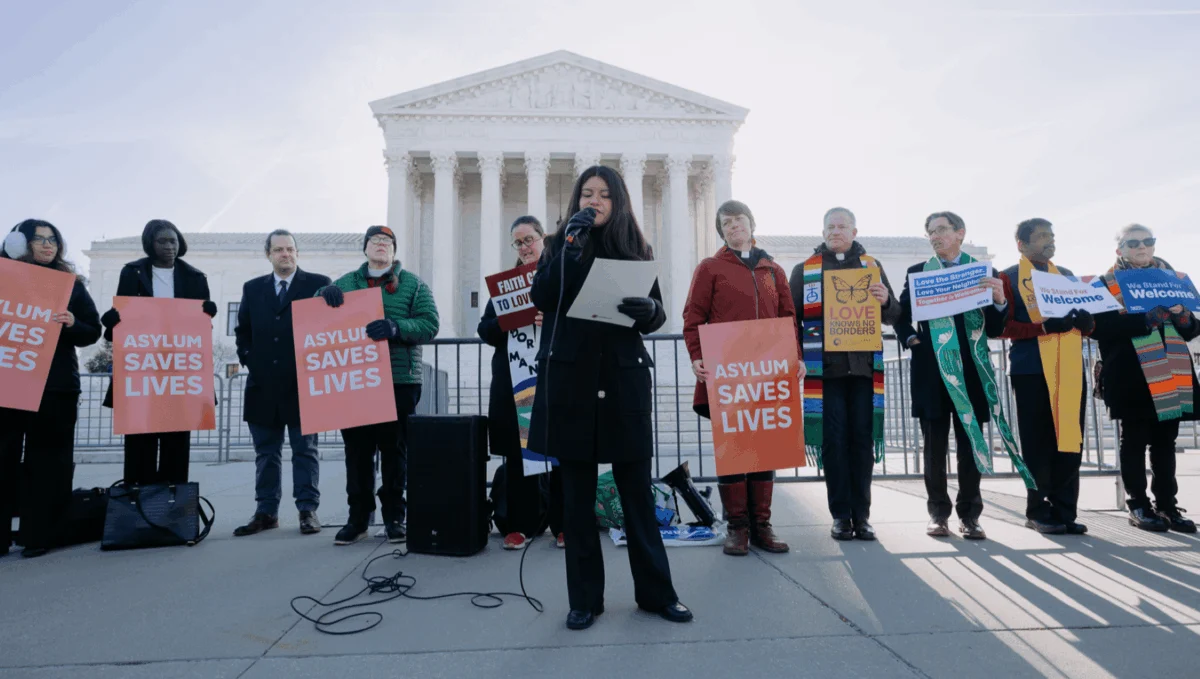
Trump v. Barbara (Amicus Filed February 2026): HIAS joined 57 faith-based organizations in filing an amicus brief in this significant case challenging the principle of birthright citizenship. Representing a diverse array of religious communities, including Catholic, Protestant, Muslim, Hindu, and Jewish groups, the brief underscores the profound moral implications of revoking birthright citizenship. It emphasizes the importance of this fundamental right to the members of these faith communities and to immigrant families across the nation.
A Time for Courage and Solidarity
The legal battles being waged by HIAS and its partners represent a critical stand against policies that threaten to erode decades of progress in refugee protection and humanitarian assistance. The organization’s commitment to these legal challenges is rooted in its long-standing mission to provide safety and support to those fleeing persecution.
"Now is a time for courage," stated a representative from HIAS. "Although the U.S. government has abandoned refugees, HIAS never will. We stand firmly in solidarity with the refugees and immigrants that we serve, including through the legal challenges below."
The implications of these legal challenges extend far beyond the immediate outcomes of individual cases. They are shaping the future of U.S. refugee policy, the provision of international humanitarian aid, and the fundamental rights of asylum seekers and immigrants. The ongoing litigation underscores the vital role of the judiciary in safeguarding human rights and upholding democratic values in the face of executive actions that may depart from established norms and international commitments.
HIAS’s multi-faceted legal strategy, encompassing direct litigation and amicus briefs, reflects a comprehensive approach to combating policies deemed harmful to vulnerable populations. As these cases progress through the legal system, their outcomes will have a lasting impact on the lives of countless individuals and on America’s role in the global humanitarian landscape. The organization remains dedicated to providing updates as its litigation work continues.