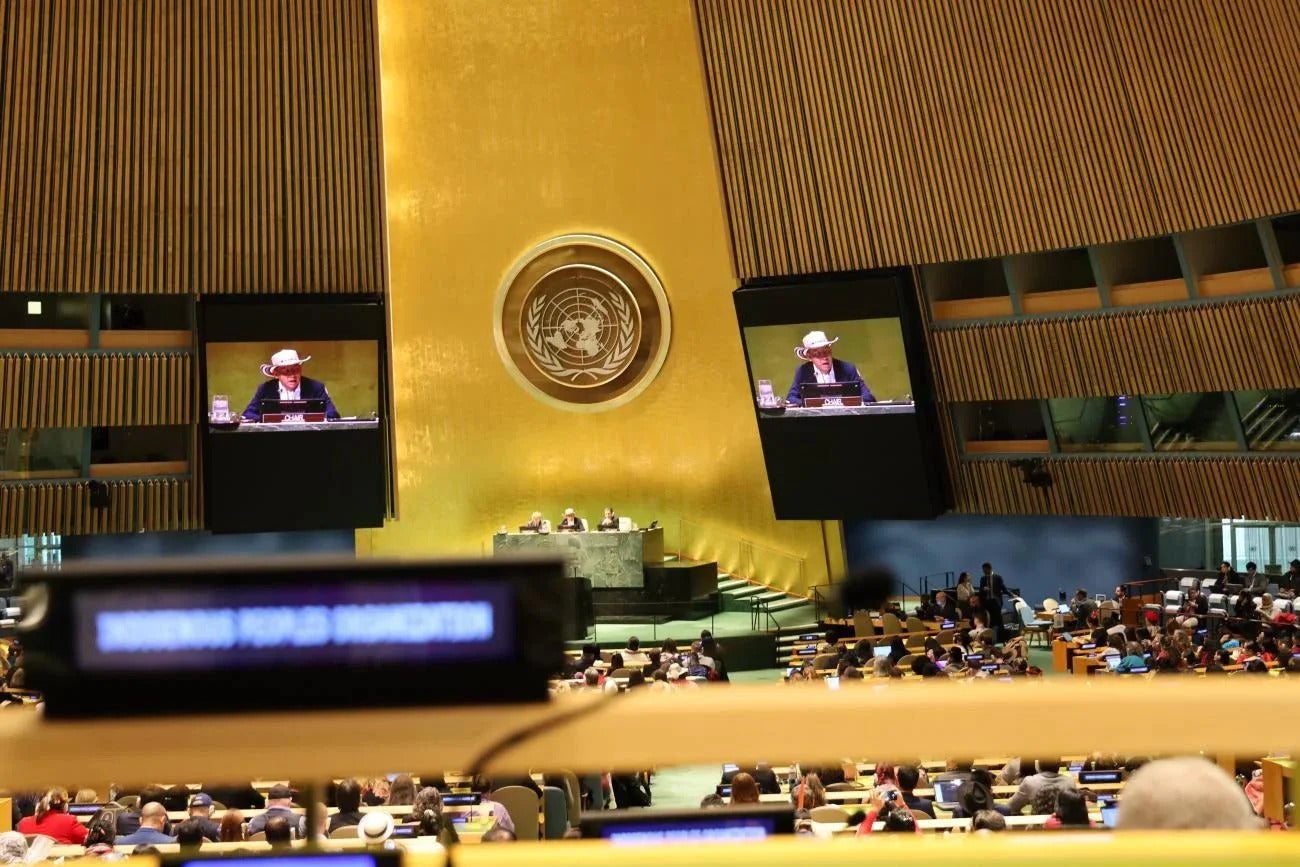
The United Nations Headquarters in New York will host the 25th session of the United Nations Permanent Forum on Indigenous Issues (UNPFII) from April 20 to May 1, 2026. This pivotal gathering will convene Indigenous leaders, policymakers, and stakeholders from around the globe to address a critical and often overlooked dimension of Indigenous rights: their health, particularly in the context of conflict. The overarching theme, "Ensuring Indigenous Peoples’ health, including in the context of conflict," underscores the profound impact that violence, displacement, and environmental degradation, often exacerbated by armed conflict, have on the well-being of Indigenous communities worldwide.
Established by the UN Economic and Social Council (ECOSOC) through resolution 2000/22 on July 28, 2000, the UNPFII emerged from decades of persistent advocacy by Indigenous peoples for greater inclusion and representation within the United Nations system. Since its inaugural session in 2002, the Forum has convened annually, serving as a high-level advisory body dedicated to promoting Indigenous rights and fostering dialogue on issues of global significance. Over its 25-year history, the UNPFII has become an indispensable platform for Indigenous Peoples to raise awareness, influence policy development within other UN bodies, and advocate for the effective implementation of Indigenous rights at local, national, and international levels. Its impactful work includes commissioning and coordinating over 65 significant studies and reports, publishing more than 60 comprehensive publications, and actively contributing to the drafting of policies and recommendations for various UN agencies.
The significance of this year’s theme cannot be overstated. Indigenous communities are disproportionately affected by conflict due to their close ties to ancestral lands, which are frequently sites of resource extraction and territorial disputes that fuel violence. The destruction of traditional territories, forced displacement, and the disruption of cultural practices inherent in conflict situations have direct and severe consequences for physical and mental health. Access to healthcare, clean water, and nutritious food is often compromised, leading to increased rates of infectious diseases, malnutrition, and chronic illnesses. Furthermore, the psychological trauma inflicted by violence, loss, and displacement can have intergenerational impacts, affecting the overall health and resilience of Indigenous communities.
Historical Context and the Evolution of the UNPFII
The establishment of the UNPFII was a landmark achievement, marking a formal recognition by the international community of the unique challenges faced by Indigenous Peoples and the imperative to address them within a dedicated multilateral framework. Prior to its creation, Indigenous voices often struggled to be heard amidst the broader discourse on development and human rights. The Permanent Forum was conceived as a direct response to the call for a permanent mechanism within the UN system that could provide expert advice and facilitate the participation of Indigenous representatives in decision-making processes.
The annual sessions of the UNPFII have since become a crucial calendar event for Indigenous Peoples, offering a vital opportunity to engage directly with UN mechanisms, member states, and civil society. The Forum’s mandate encompasses a broad range of issues, including economic and social development, culture, environment, education, health, and human rights. Its recommendations and reports have been instrumental in shaping international discourse and policy on Indigenous issues, contributing to the adoption of landmark documents such as the UN Declaration on the Rights of Indigenous Peoples (UNDRIP) in 2007.
The UNPFII’s work over the past two decades has yielded substantial progress, not only through formal reports and policy recommendations but also through the cultivation of invaluable networks and alliances. The relationships, partnerships, and friendships forged among Indigenous delegates and representatives from every corner of the globe form the bedrock of the global Indigenous rights movement. Beyond the formal proceedings, including official talks, interventions, panels, and side events, the informal exchanges in the hallways between delegations, UN agencies, funders, and State representatives are where critical connections are made and where the groundwork for transformative change is often laid.
A Deep Dive into the 25th Session: Theme and Objectives
The 2026 session’s focus on Indigenous health in the context of conflict is particularly timely. Global statistics paint a stark picture of the vulnerability of Indigenous populations. While Indigenous Peoples constitute approximately 6.2% of the world’s population, they often bear a disproportionate burden of the negative impacts of conflict and violence. Reports from organizations like the International Indigenous Peoples’ Movement for Peace (IIPMP) and the UN Special Rapporteur on the rights of Indigenous peoples have consistently highlighted the increased risks of displacement, violence, and health crises faced by these communities, especially in regions experiencing protracted conflicts or political instability.
The theme aims to achieve several key objectives:
- Raising Awareness: To bring to the forefront the specific health challenges and vulnerabilities faced by Indigenous Peoples in conflict-affected areas.
- Policy Recommendations: To develop concrete recommendations for UN bodies, member states, and humanitarian organizations on how to better address the health needs of Indigenous Peoples during and after conflicts.
- Knowledge Sharing: To facilitate the exchange of best practices and traditional knowledge systems that can contribute to Indigenous health resilience.
- Empowerment: To amplify the voices and experiences of Indigenous Peoples directly affected by conflict, ensuring their perspectives inform humanitarian and peacebuilding efforts.
- Addressing Root Causes: To explore the interconnectedness between conflict, environmental degradation, and Indigenous health, advocating for solutions that address these underlying drivers.
Engagement Opportunities for Indigenous Peoples and the Global Community
The UNPFII actively encourages broad participation and engagement from Indigenous Peoples and their allies. Several avenues are available for individuals and organizations to connect with the 25th session:
1. Join the Conversation Digitally
In an effort to broaden participation and capture diverse Indigenous perspectives, a significant emphasis is being placed on digital engagement. Indigenous communities are invited to share their pressing issues and experiences through short videos posted on social media platforms like Instagram, TikTok, Threads, Bluesky, LinkedIn, and Facebook. Utilizing hashtags such as #UNPFII, #UNPFII25, #WeAreIndigenous, #Proud2BIndigenous, #SomosIndígenas, and #NousSommesAutochtones allows for the aggregation of these vital contributions. Furthermore, participants are encouraged to share photographs from this year’s and past UNPFII sessions using the same hashtags, creating a visual archive of Indigenous advocacy and solidarity.
2. Watch the Livestream of the UNPFII
For those unable to attend in person, the opening ceremony and key sessions of the UNPFII will be accessible via livestream on webtv.un.org. This ensures that a global audience can follow the proceedings and gain firsthand insight into the discussions and deliberations. The opening ceremony is scheduled for Monday, April 20, 2026, at 11:00 am EST.
3. Attend UNPFII Side Events
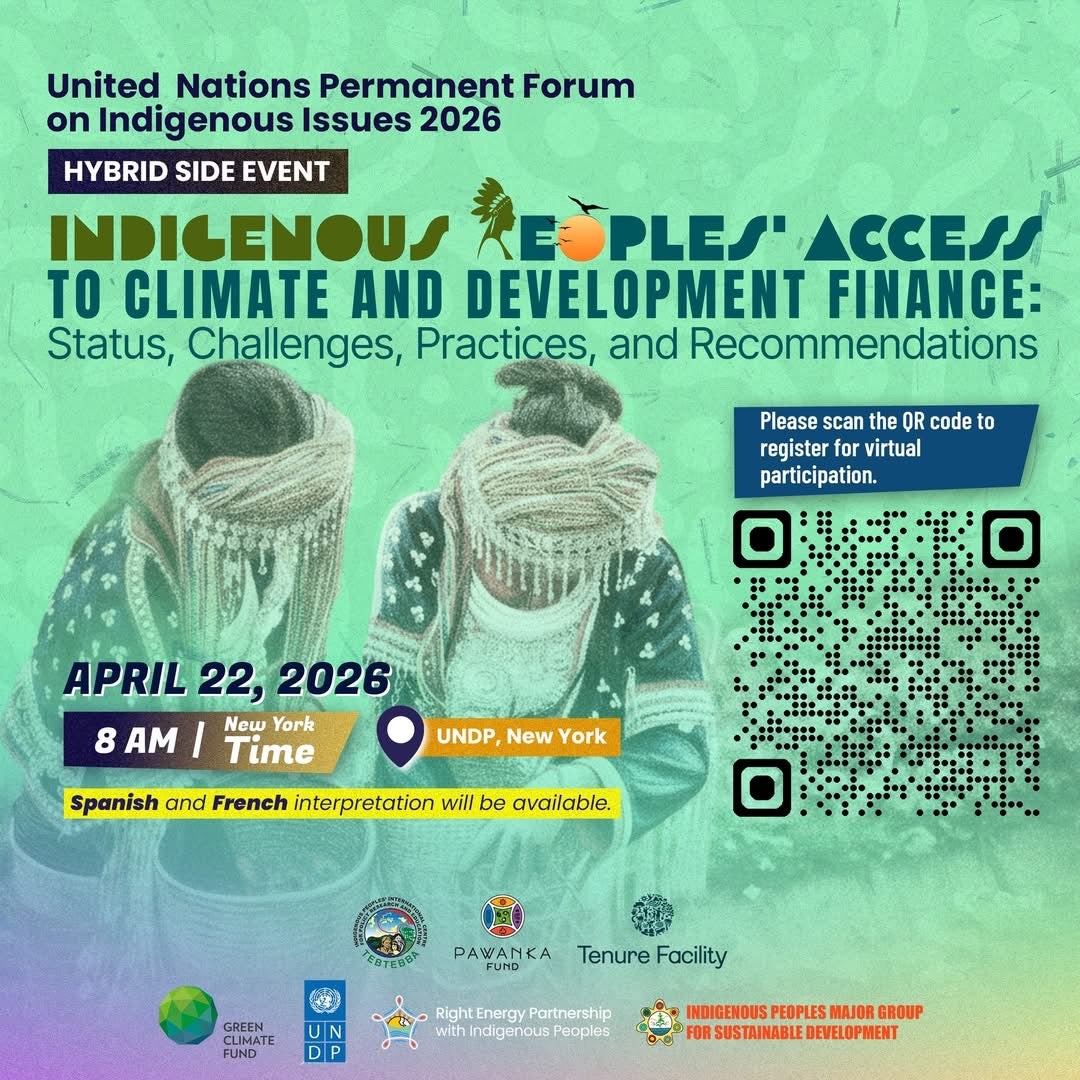
A rich program of side events, organized by various Indigenous organizations and civil society groups, will complement the official agenda. These events offer deeper dives into specific issues and provide opportunities for focused dialogue and networking. Notable side events scheduled include:
-
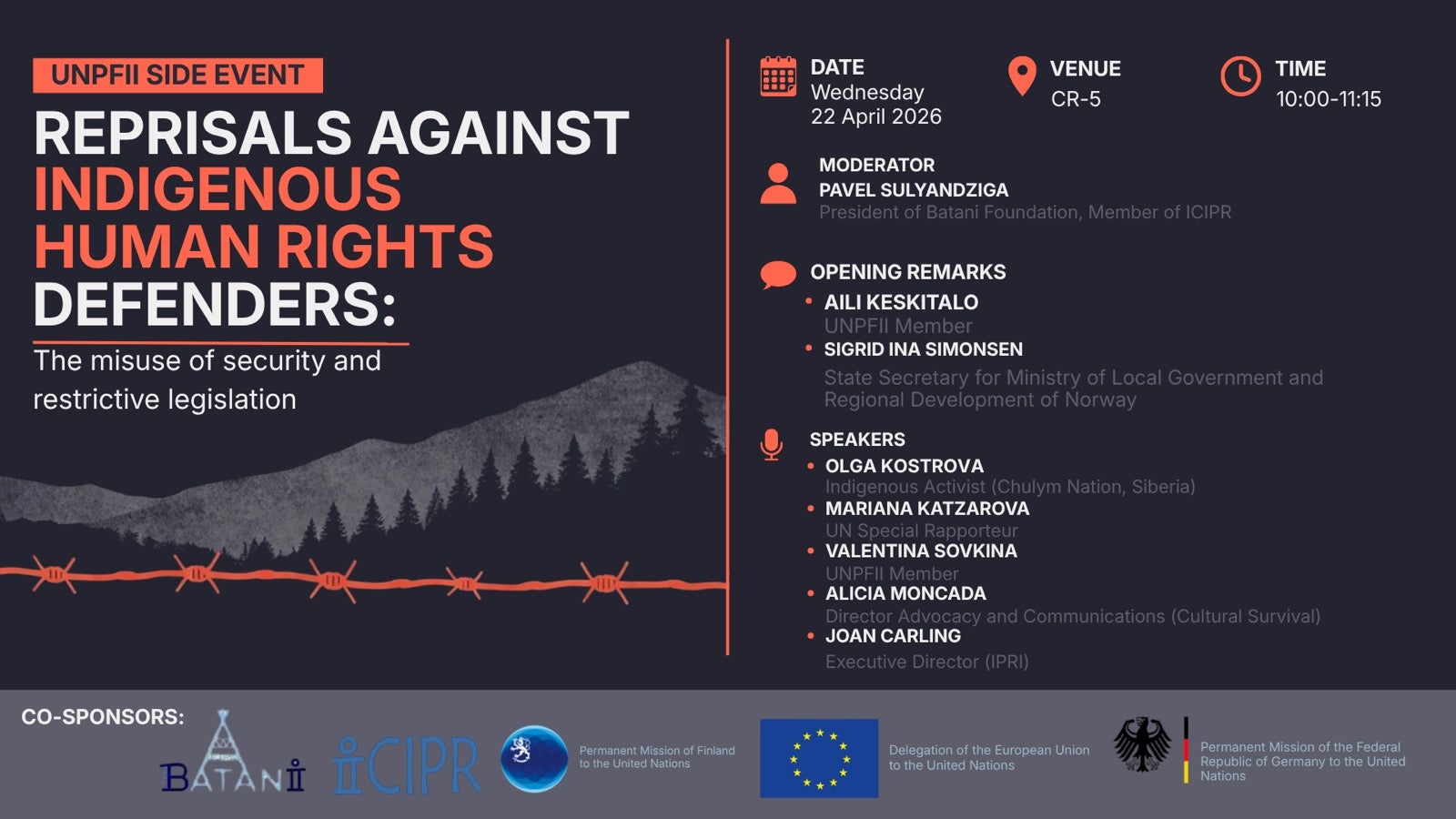
Reprisals Against Indigenous Human Rights Defenders: The Misuse of Security and Restrictive Legislation
- Date: Wednesday, April 22, 2026
- Time: 10:00 AM – 11:15 AM
- Location: UN Headquarters, New York, Conference Room CR-5
- Organizer: International Committee of Indigenous Peoples of Russia
- Languages: English, Russian
- This session will examine the grave issue of reprisals against Indigenous human rights defenders and the concerning trend of security and restrictive legislation being used to silence their activism.
-
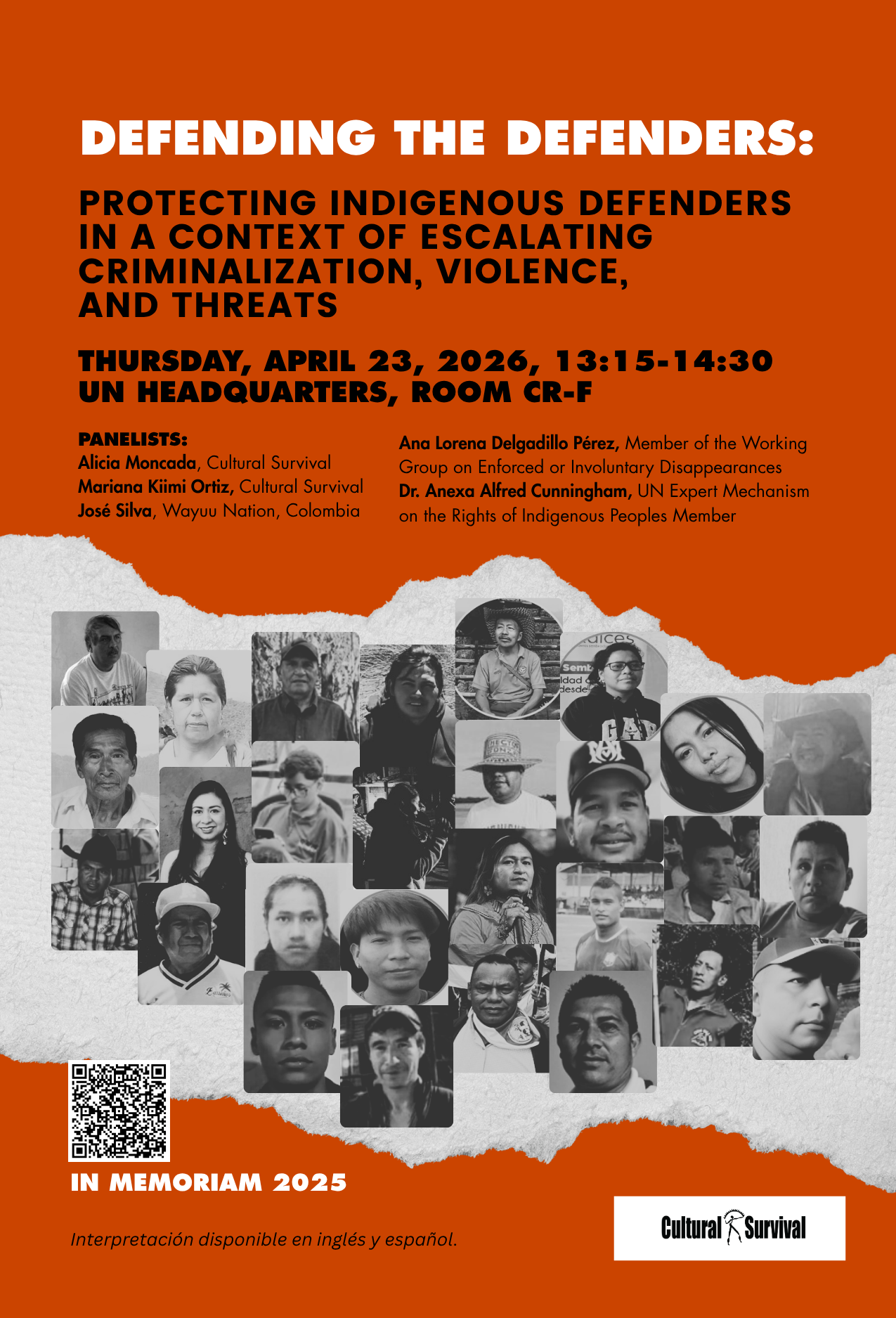
Defending the Defenders: Protecting Indigenous Defenders in a Context of Escalating Criminalization, Violence, and Threats
- Date: Thursday, April 23, 2026
- Time: 1:15 PM – 2:30 PM
- Location: UN Headquarters, New York, Conference Room CR-F
- Organizer: Cultural Survival
- Languages: English, Spanish
- This critical event will feature a moderated discussion with Indigenous defenders and civil society organizations focused on the escalating threats, criminalization, violence, and disappearances faced by Indigenous rights defenders and environmental protectors. It will highlight the disproportionate impact on Indigenous women defenders and amplify their testimonies on protection needs and community-led strategies. The session acknowledges that extractive projects often lead to devastating physical and mental health consequences for communities, and defenders face additional violations of their right to health.
4. Follow Discussions from the Indigenous Media Zone
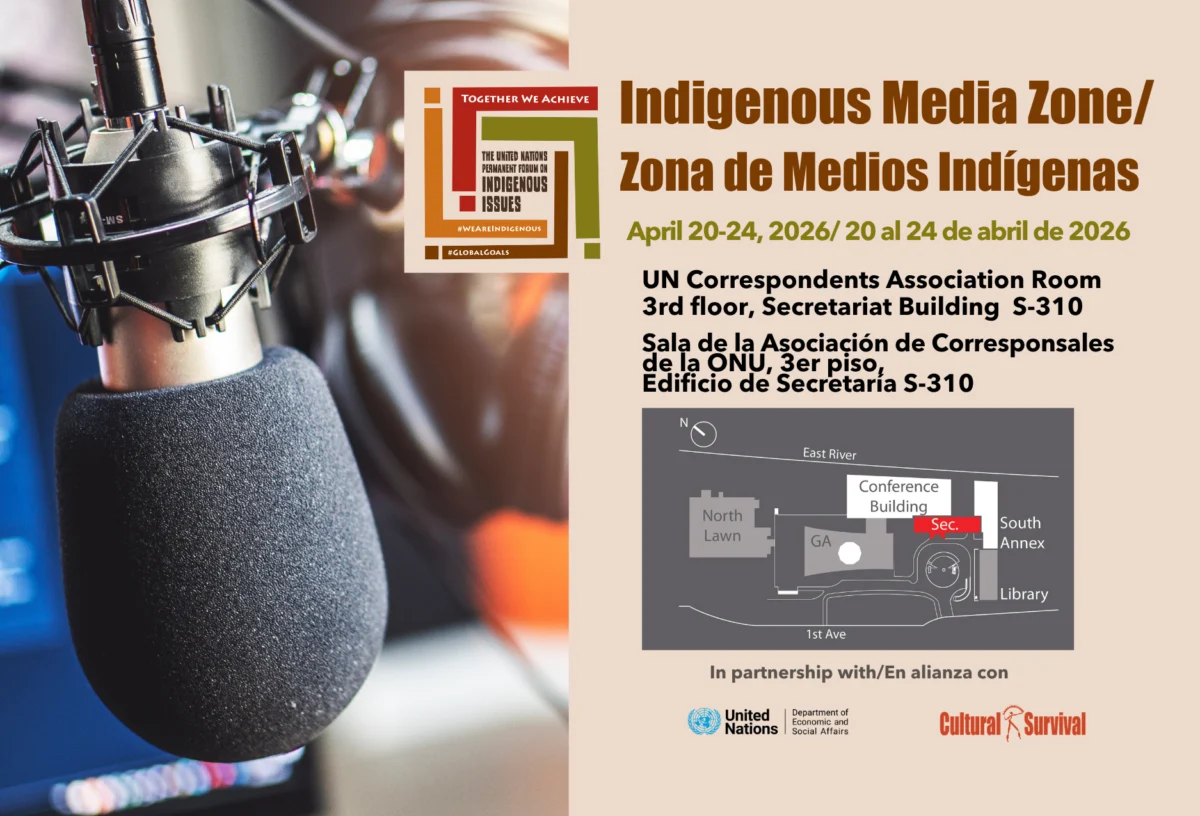
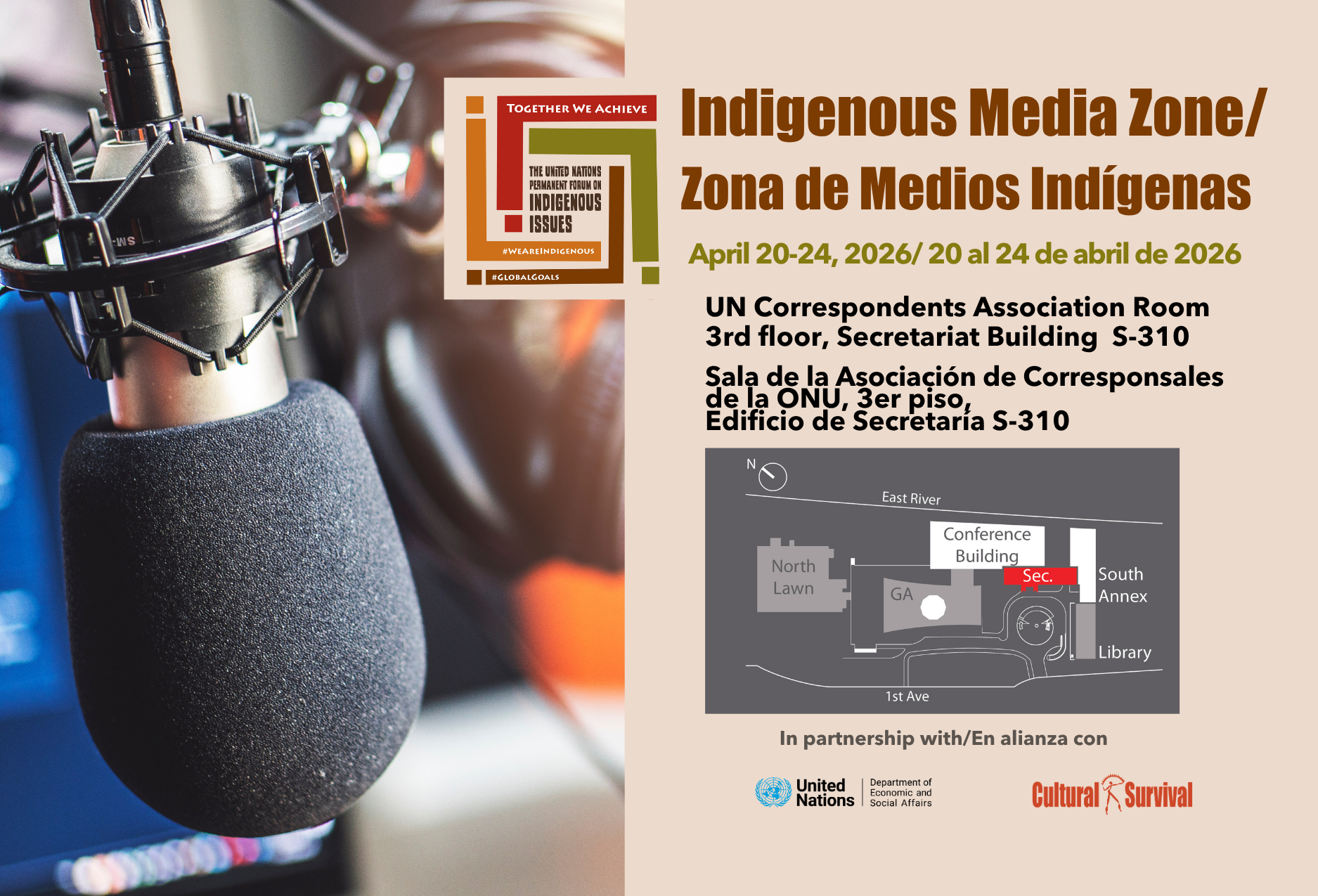
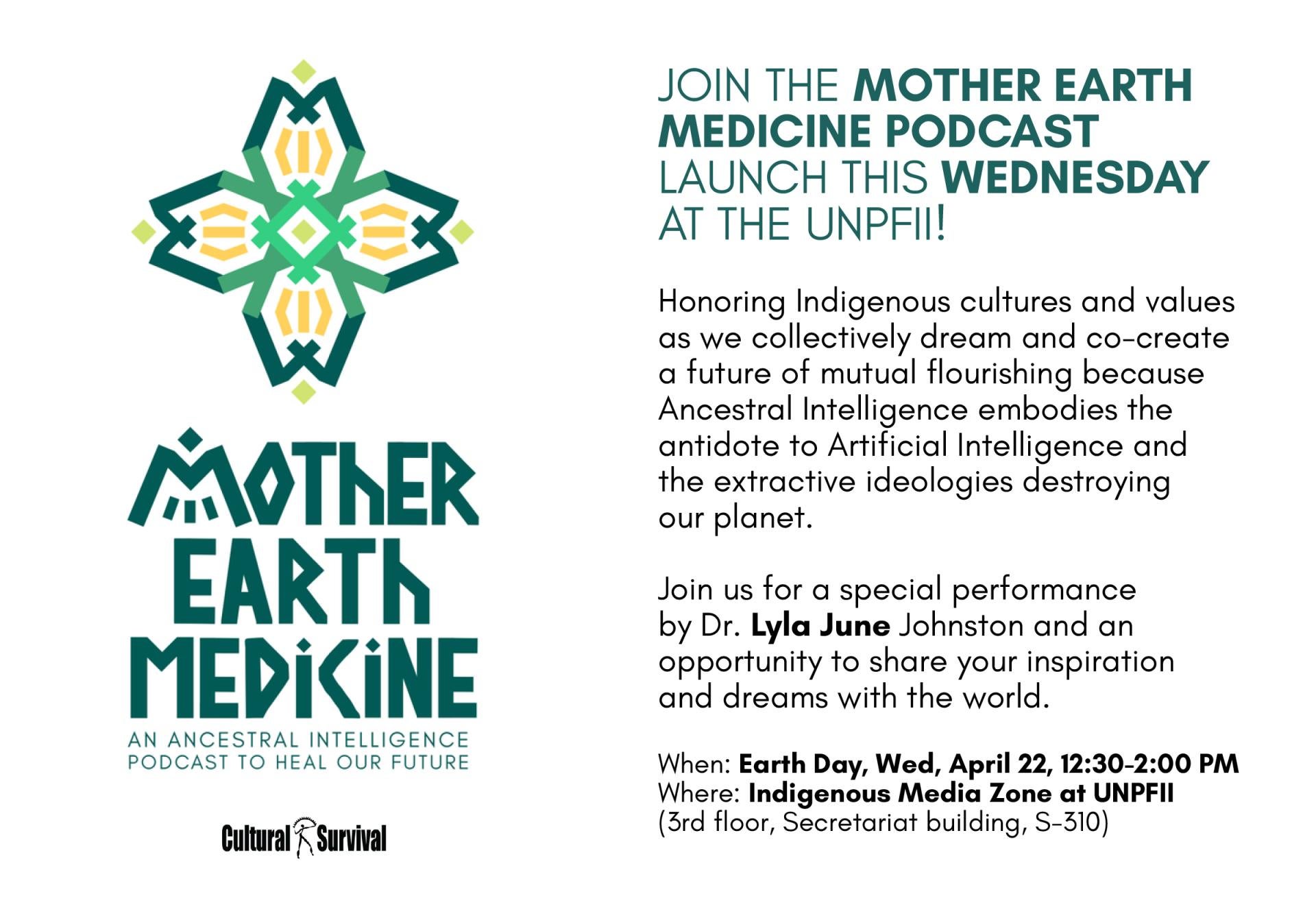
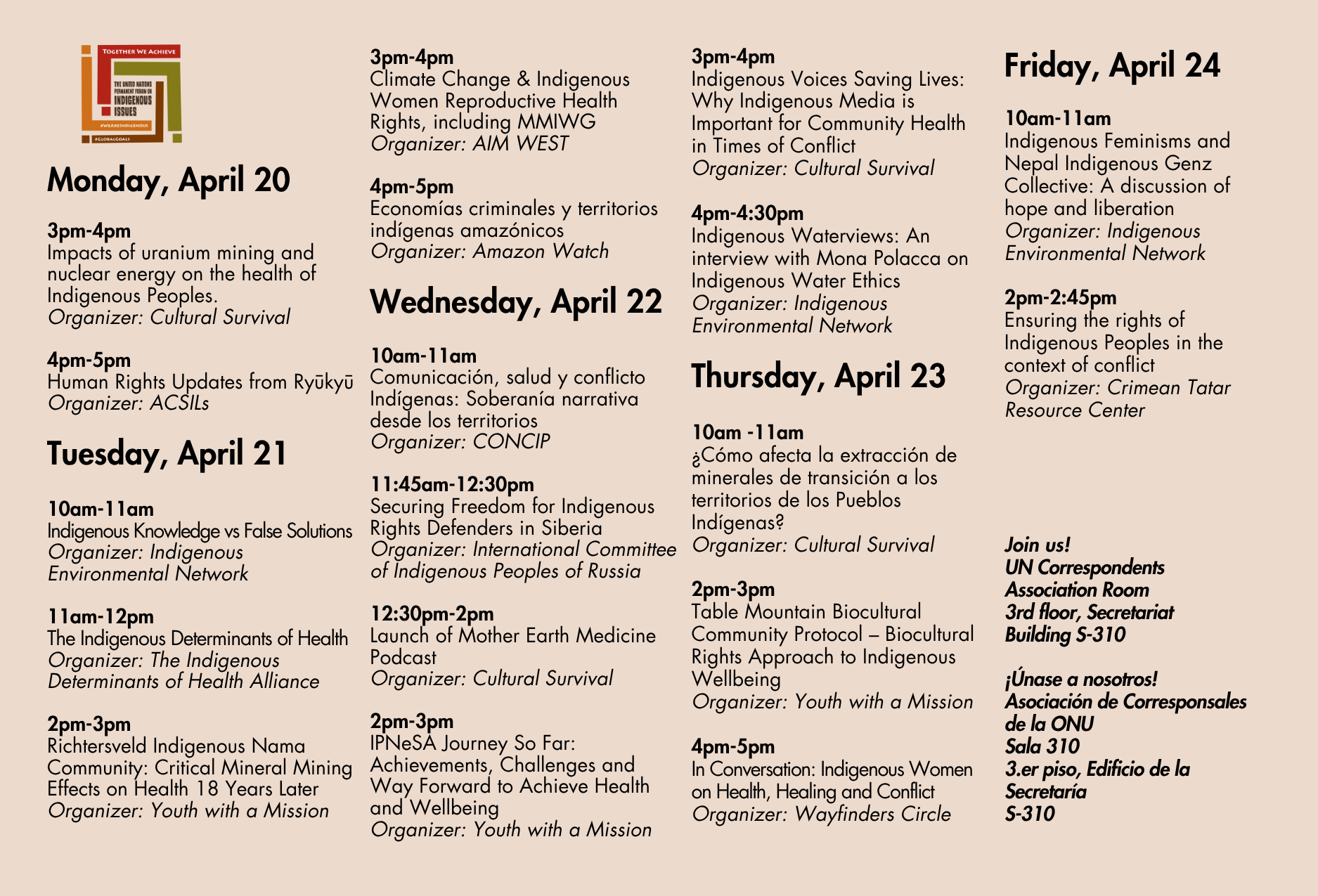
The Indigenous Media Zone, a collaborative initiative by the Secretariat of the Permanent Forum (SPFII) and the Department of Global Communications (DGC) in partnership with Cultural Survival, will be a hub for Indigenous media, journalists, and platforms. Operating from April 20-24, 2026, from 9:00 am to 6:00 pm EST in the UN Correspondents Association Room (3rd floor, Secretariat building, S-310), this zone will facilitate reporting on the session from Indigenous worldviews, perspectives, and languages. In alignment with the International Decade on Indigenous Languages, it aims to foster the participation of Indigenous media practitioners using a diversity of Indigenous languages. Several panels and interviews will be livestreamed on facebook.com/culturalsurvival and www.youtube.com/@culturalsurvival1972. A preliminary schedule for the Indigenous Media Zone is available.
5. Attend a Parallel Event (Open to the Public)
A comprehensive list of external parallel events, open to the public, has been compiled and is available online. These events offer additional opportunities for engagement and learning on a wide array of Indigenous issues.
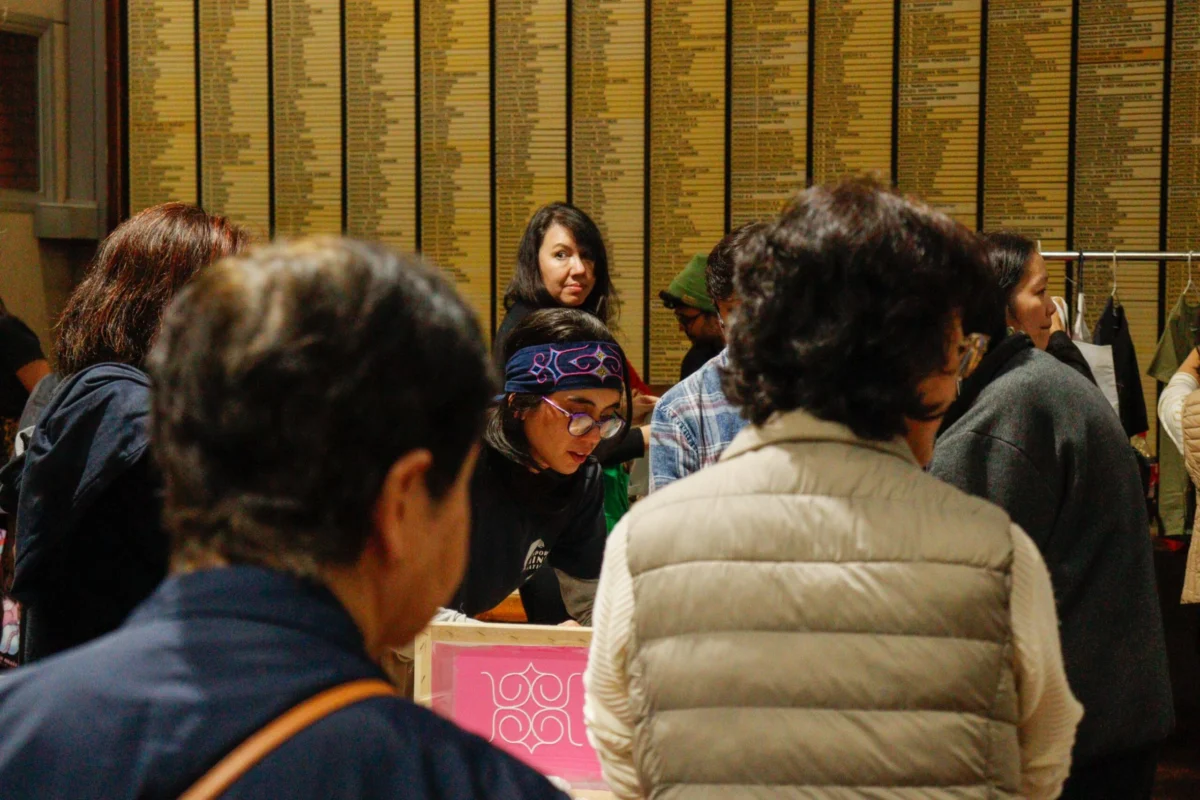
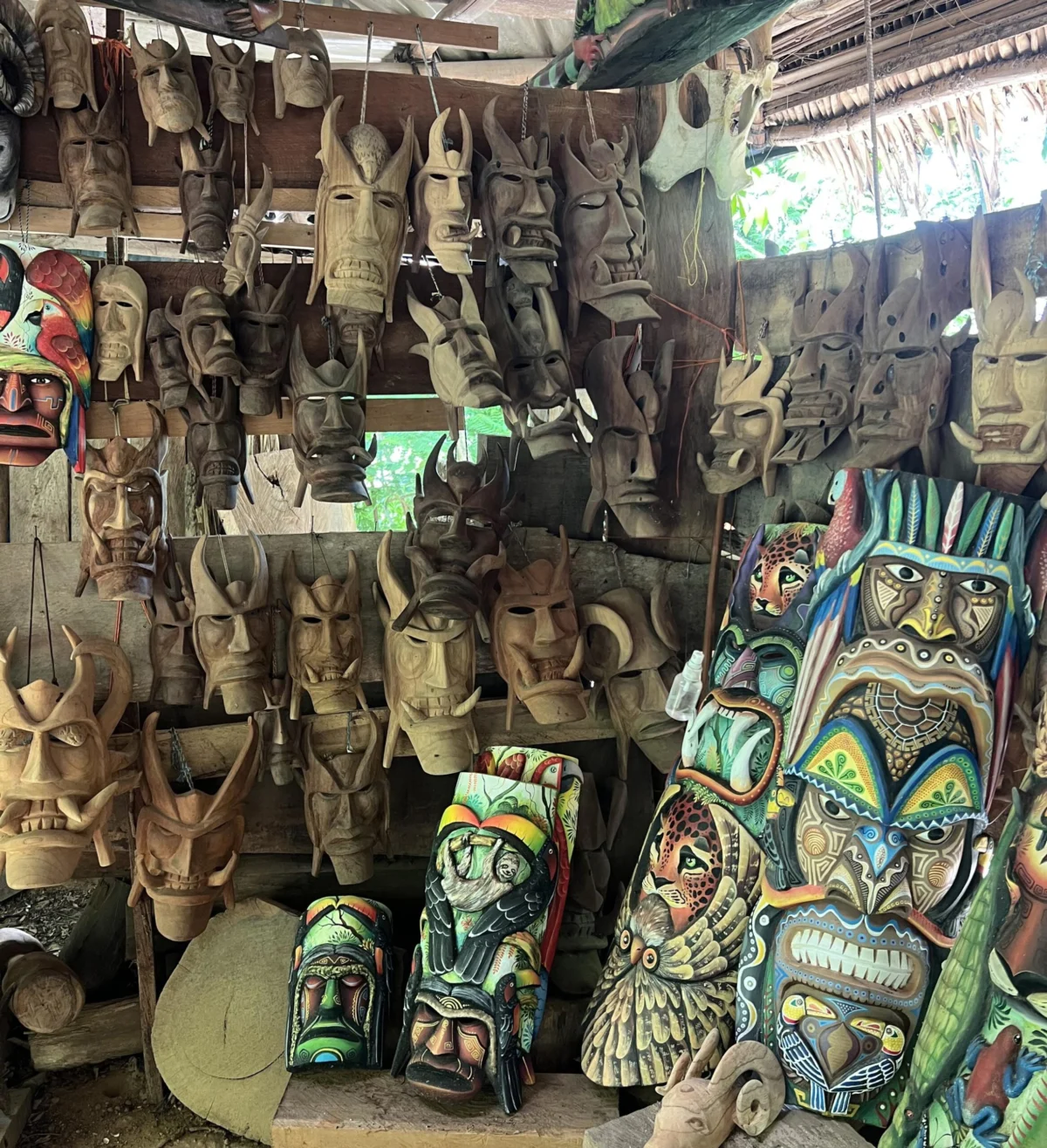
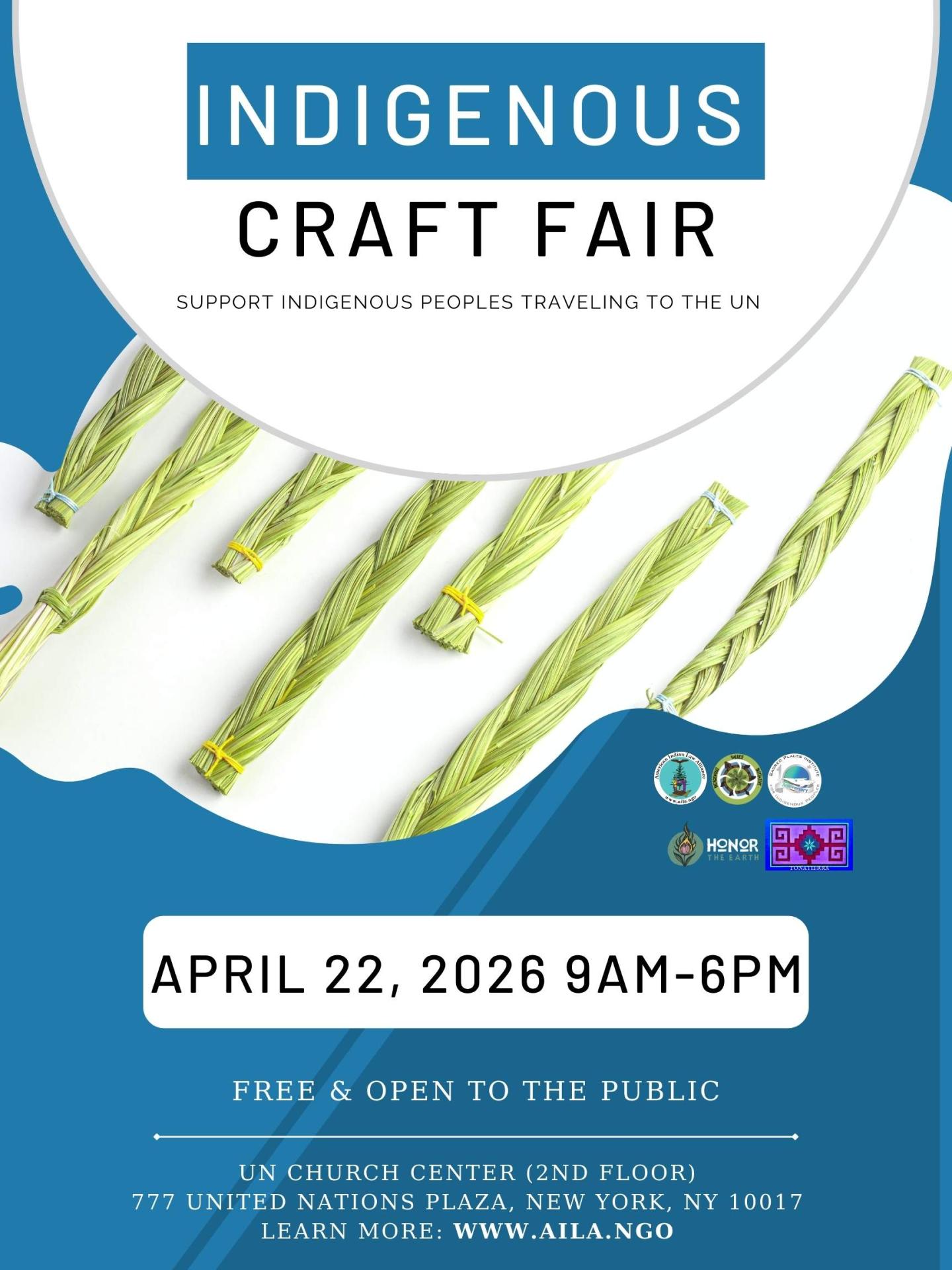
One particularly noteworthy parallel event is the Indigenous Peoples Craft Fair, scheduled for Wednesday, April 22, 2026, from 9 AM to 4 PM at the UN Church Center (2nd Floor), located at 777 United Nations Plaza, NY, NY. This event provides a platform for Indigenous artisans to showcase and sell their traditional crafts, fostering economic empowerment and cultural exchange. More information can be found via the provided link.
Analysis and Broader Impact
The 25th session of the UNPFII arrives at a critical juncture, with increasing global awareness of the intertwined crises of climate change, conflict, and the erosion of Indigenous rights. The focus on health in the context of conflict is a crucial step towards a more holistic understanding of human security and well-being. By shining a spotlight on the health impacts of conflict on Indigenous Peoples, the UNPFII aims to generate actionable recommendations that can inform humanitarian aid, peacebuilding initiatives, and long-term development strategies.
The disproportionate vulnerability of Indigenous Peoples in conflict zones is a direct consequence of historical marginalization, dispossession, and ongoing discrimination. Their deep connection to land and natural resources, while often a source of strength and resilience, also makes them targets in conflicts driven by resource control. The criminalization of Indigenous defenders, as highlighted in the side events, further exacerbates these vulnerabilities by silencing voices that advocate for peace, environmental protection, and human rights.
The success of the 25th session will be measured not only by the resolutions and recommendations adopted but also by the tangible impact these have on the ground. The networking and alliance-building fostered at the UNPFII are essential for translating global discussions into concrete actions that protect and promote the health and well-being of Indigenous Peoples everywhere, particularly in the face of escalating global challenges. The ongoing commitment to inclusivity, as demonstrated by the digital engagement and media zone initiatives, signals a growing recognition of the importance of diverse voices in shaping a more just and equitable future for all Indigenous Peoples.