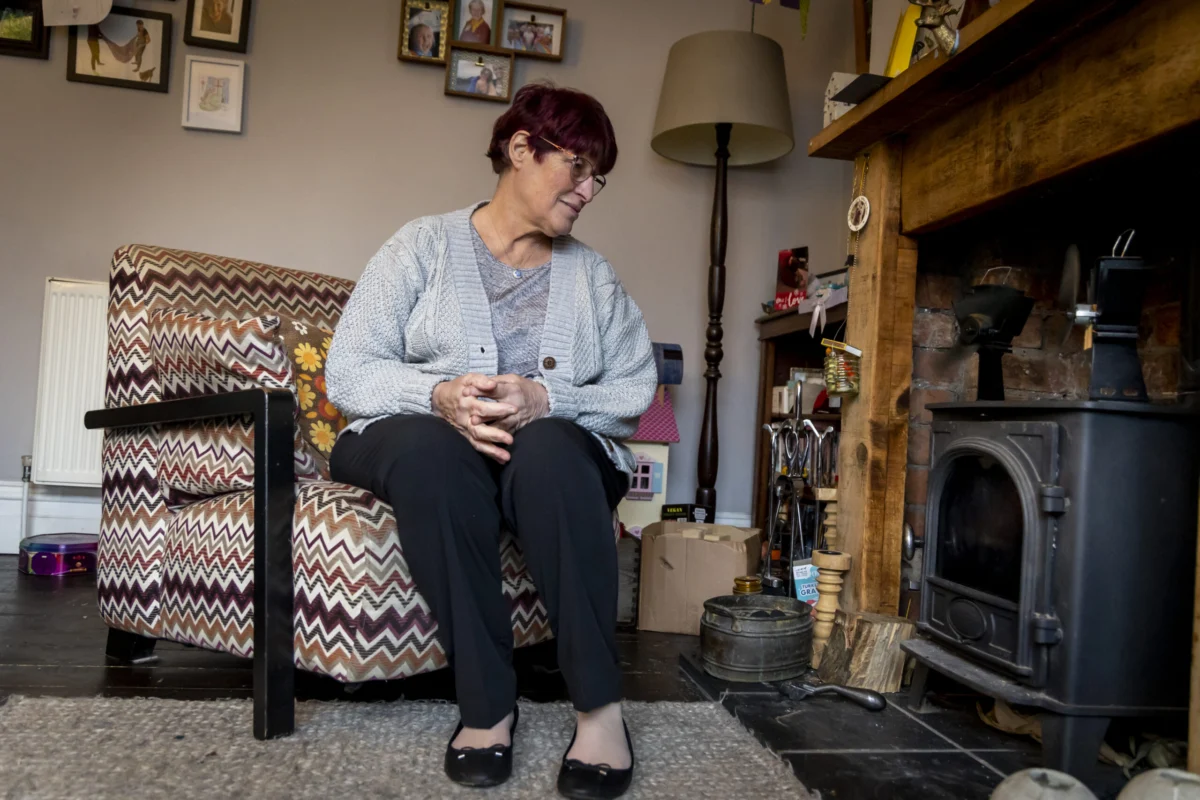
The release of the Central Statistics Office (CSO) Survey on Income and Living Conditions (SILC) for 2025 has ignited a national conversation regarding the economic security of Ireland’s aging population. Age Action, the country’s leading advocacy organization for older people, has expressed profound concern over data indicating that poverty levels among the elderly are not only high but are actively worsening. The 2025 figures highlight a widening gap between the national average and the financial reality of those aged 65 and over, with those living alone identified as the most vulnerable demographic in the state. According to the CSO findings, the risk of poverty for older people living alone reached 30.3% in 2025, a stark 4.4 percentage point increase from the previous year. This rate is nearly two and a half times the national income poverty rate, suggesting a systemic failure to protect the elderly from the compounding pressures of inflation and inadequate fixed incomes.
The Statistical Reality of Elderly Poverty in 2025
The 2025 SILC data provides a granular look at the financial hardship faced by various household types across Ireland. For older people, the statistics paint a picture of increasing isolation and deprivation. The "at risk of poverty" rate—defined as the share of persons with an equivalised disposable income below the threshold of 60% of the national median—has spiked significantly for those in the 65+ category who reside in single-person households. While the national average for income poverty remains a point of concern for policymakers, the 30.3% figure for older single residents represents a critical outlier that advocates argue requires immediate intervention.
Beyond the baseline of income poverty, the CSO report measures "enforced deprivation," a metric that tracks the inability to afford basic, essential items such as heating, new clothes, or a meal containing meat or a vegetarian equivalent every second day. The 2025 data reveals that almost one in five older people living alone (18.3%) experienced enforced deprivation. Even for older couples where at least one person is aged 65 or older, the rate stood at 9.8%, indicating that even two-person households are not immune to the rising costs of essential goods and services.
Perhaps most distressing is the figure for "consistent poverty." This metric identifies individuals who are simultaneously living below the income poverty threshold and experiencing enforced deprivation. For older people living alone, the consistent poverty rate was 9.8% in 2025. This suggests that nearly one in ten elderly Irish citizens living by themselves are enduring the most severe form of economic hardship recognized by the state, struggling to meet their most basic biological and social needs.
Chronology of the Economic Crisis for Older People
To understand the 2025 figures, it is necessary to examine the economic trajectory of the preceding three years. The period between 2022 and 2025 was marked by unprecedented global and domestic inflation, largely driven by soaring energy prices and supply chain disruptions. For those on fixed incomes, such as the State Pension, these price increases were felt more acutely than for those in active employment whose wages may have seen periodic adjustments.
In 2023 and 2024, the Irish government responded to the "Cost of Living Crisis" by introducing a series of one-off payments. These included energy credits, double-payment weeks for social welfare recipients, and specific lump sums for fuel allowance holders. Age Action acknowledges that these measures were effective in the short term. In fact, Camille Loftus, Head of Advocacy and Public Affairs at Age Action, noted that these one-off measures reduced the poverty risk for older people by 5.9 percentage points in 2025.
However, the timeline of government support shifted significantly with the announcement of Budget 2026. As the government moved away from emergency "one-off" interventions toward a more standardized fiscal policy, the temporary supports that had kept many older people just above the poverty line were removed. The failure to replace these temporary measures with permanent, indexed increases to the State Pension or targeted supports for those living alone created what advocates describe as a "fiscal cliff" for the elderly in early 2026.
Analysis of Budgetary Policy and Its Limitations
The core of Age Action’s critique lies in the transition from Budget 2025 to Budget 2026. The 2025 budget relied heavily on temporary measures which, while providing immediate relief, did not address the underlying inadequacy of the State Pension relative to the modern cost of living. Camille Loftus emphasized that the failure to embed these supports into the permanent social welfare structure has left older people exposed.
"While one-off cost of living measures have reduced the poverty risk for older people in recent years—by 5.9 percentage points in 2025—the failure to replace these supports with permanent and targeted measures in Budget 2026 means that older people will face a growing risk of living in poverty in 2026," Loftus stated.
Economists have noted that "one-off" payments are often favored by governments as they do not commit the exchequer to long-term spending increases. However, for a demographic that cannot "work their way out" of poverty due to retirement or age-related health issues, these temporary infusions of cash provide no long-term security. The lack of a "living pension"—a pension rate scientifically calculated to meet the minimum essential standard of living—remains a significant policy gap.

The Single Person’s Penalty and Housing Costs
A recurring theme in the 2025 CSO data is the disparity between older people living alone and those living in multi-person households. This "single person’s penalty" is driven by the fact that many household costs, such as home insurance, property tax, heating, and maintenance, are fixed regardless of whether one or two people live in the dwelling.
Furthermore, the housing crisis in Ireland has begun to impact the older generation more significantly. While many in the 65+ bracket are homeowners, a growing number are reaching retirement age in the private rental sector or are struggling with the upkeep of aging, energy-inefficient homes. For an older person living alone on a State Pension, a sudden increase in rent or a necessary home repair can be the catalyst that pushes them from "at risk of poverty" into "consistent poverty."
The 2025 SILC data suggests that the "Living Alone Allowance," a supplementary payment intended to mitigate these costs, has not kept pace with the actual expenses incurred by single-person households. The 4.4 percentage point jump in poverty risk for this group over a single year indicates that the existing supports are being outstripped by inflation in the utility and service sectors.
Reaction from Stakeholders and Social Partners
While Age Action has been the most vocal critic of the latest findings, other social partners and NGOs have echoed these concerns. Organizations such as ALONE and the Society of St. Vincent de Paul (SVP) have reported a rise in calls from older people who are "rationing" their heating or skipping meals to pay for medication.
From a political perspective, opposition parties have utilized the CSO data to argue for a fundamental restructuring of the social contract with the elderly. The debate often centers on whether the State Pension should be benchmarked at 34% of average weekly earnings, a long-standing government commitment that advocates argue has yet to be fully realized and maintained in real terms.
In response to the data, government spokespersons have typically pointed to the "total package" of supports, including the Free Travel Scheme, the Fuel Allowance, and the Household Benefits Package. However, the 2025 SILC figures suggest that these "in-kind" benefits, while valuable, are not sufficient to offset the lack of disposable cash income required to participate fully in modern Irish society.
Broader Implications and the Future Outlook
The implications of rising elderly poverty extend beyond the individuals affected. Poverty in old age is intrinsically linked to poorer health outcomes, which in turn places a greater burden on the national healthcare system (HSE). Malnutrition, inadequate home heating, and social isolation—all byproducts of poverty—contribute to increased hospital admissions and a higher demand for long-term residential care.
Furthermore, the data serves as a warning for the future. As Ireland’s population continues to age—a demographic shift often referred to as the "silver tsunami"—the number of people relying on the State Pension will increase. If the structural issues causing the current spike in poverty are not addressed, the proportion of the population living in deprivation could grow exponentially over the next decade.
The 2025 CSO SILC report serves as a definitive record of the economic challenges facing Ireland’s seniors. It highlights a critical need for policy shifts that prioritize permanent income adequacy over temporary relief measures. As Camille Loftus and Age Action have signaled, the risk of poverty in 2026 is not a theoretical possibility but a statistical likelihood unless significant legislative and budgetary changes are implemented to protect those who have contributed to the state throughout their working lives.
The contact for further inquiries regarding this data and Age Action’s advocacy position is Camille Loftus, Head of Advocacy and Public Affairs, available at 086-821 7165 or via email at [email protected]. The full CSO report, released on March 11, 2026, remains available for public review on the Central Statistics Office website, providing a comprehensive overview of the income and living conditions across all Irish demographics for the 2025 period.