The Nama people of South Africa’s Namaqualand region embody a narrative of extraordinary resilience, a saga stretching from the ancient rhythms of nomadic pastoralism to the complex arenas of international law and the nascent global green energy transition. For centuries, they have navigated a landscape marked by breathtaking natural beauty and the scars of relentless colonial violence. From their early days as nomadic herders, their lives were irrevocably altered by the brutal diamond rush of the 1920s, a period during which they were systematically dispossessed of their ancestral lands and their very identities were systematically eroded through state-mandated reclassifications designed to sever their Indigenous roots.
However, the dawn of democracy in South Africa after apartheid marked a profound turning point. The landmark legal victory in the case of Alexkor Ltd v. Richtersveld Community (2003) stands as a monumental achievement for Indigenous land rights globally. In this pivotal lawsuit, an Indigenous community successfully challenged a mining corporation, reclaiming thousands of hectares of ancestral land and securing substantial reparations. This legal triumph offered a beacon of hope and a precedent for Indigenous communities worldwide facing similar struggles for land and resource rights.
Today, the Nama find themselves at the vanguard of a new frontier: the global green energy transition. With ambitious large-scale hydrogen projects slated for their ancestral territories, the Nama are actively asserting their role as key stakeholders in a Just Transition. This community, once on the brink of erasure, now stands as a potent symbol of Indigenous justice, demanding transparency and actively working to ensure that this new "green" era does not perpetuate the exploitative legacies of the past.
The Land of the Great River: Namaqualand’s Ancient Heritage
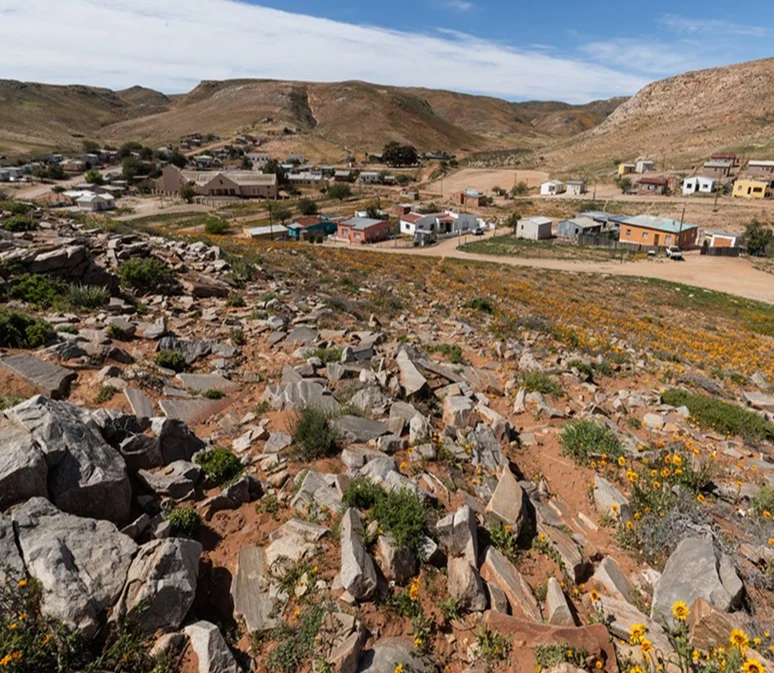
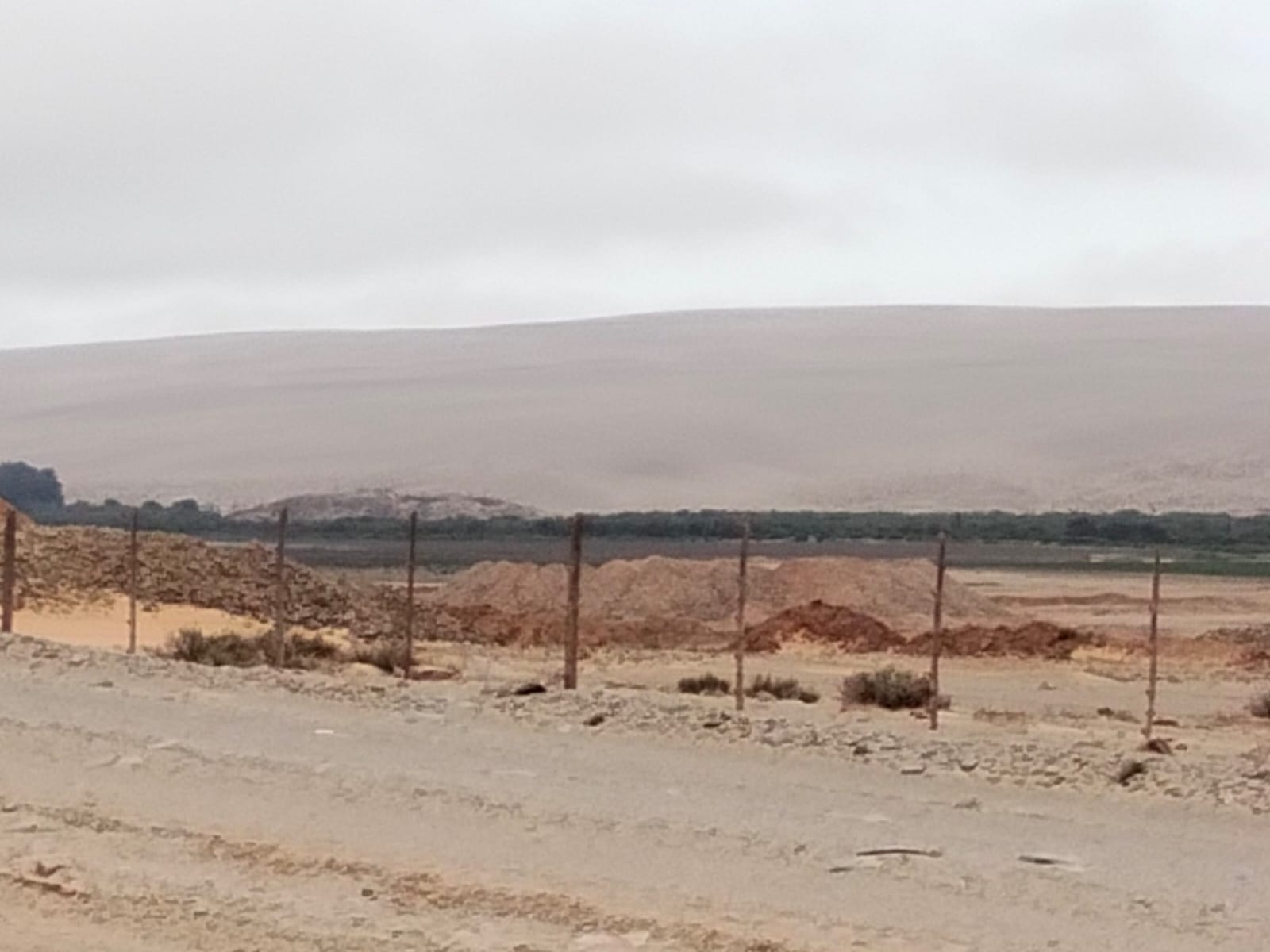
To truly understand the Nama is to first appreciate the cradle of their civilization: Namaqualand. This vast, arid expanse straddles the lower Orange River, stretching from the frigid, diamond-rich Atlantic coastline to the rugged, mountainous desert of the Richtersveld. For millennia, the Nama, the largest group within the broader Khoekhoe Peoples, were the undisputed custodians of this land. As nomadic pastoralists, their lives were intricately woven with the seasonal cycles, guiding their herds of cattle and sheep across the plains. Their wealth was not measured in precious metals or stones, but in the vitality of their livestock and their profound understanding of the Nama Karoo biome – a landscape that can transform from a seemingly barren desert into a vibrant tapestry of wildflowers after a single rainfall.
The Nama were far more than mere survivors; they were a sophisticated society deeply connected spiritually to the earth. Their social fabric was built upon a system of clans and a philosophy of shared land stewardship. They did not envision the land as a commodity to be divided by fences; instead, they moved freely, guided by their Goab (traditional leaders) and their deep spiritual reverence for sacred sites such as Boegoeberg Hill. Their language, Khoekhoegowab, rich with distinctive clicks, carried the ancestral stories on the desert winds. However, this harmonious existence was destined to confront the expansionist ambitions of colonial powers who viewed the desert not as a home, but as a wild frontier to be subdued and a treasure trove to be plundered.
The Diamond Rush and the Erasure of Identity
The profound tragedy for the Nama in South Africa truly began to unfold in earnest during the 1920s. While their relatives across the border in Namibia were recovering from a brutal genocide at the hands of German colonial forces, the Nama in the Richtersveld faced a more insidious, bureaucratic form of dispossession. In 1925, the discovery of diamonds in the coastal sands of Alexander Bay irrevocably altered their world. Within a remarkably short period, ancestral grazing lands that had been utilized for thousands of years were declared state property.
The colonial, and subsequently the apartheid, governments employed a calculated and cruel tactic to legitimize this land theft: they reclassified the Nama people as "Coloured" rather than "Indigenous." By stripping them of their Indigenous status, the state could then assert that the Nama held no original claim to the land, effectively treating them as a marginalized minority without ancestral ties to the soil. Fences were erected, and the Nama were forcibly removed from their coastal territories, confined to reserves – small, impoverished tracts of land that essentially became rural ghettos.
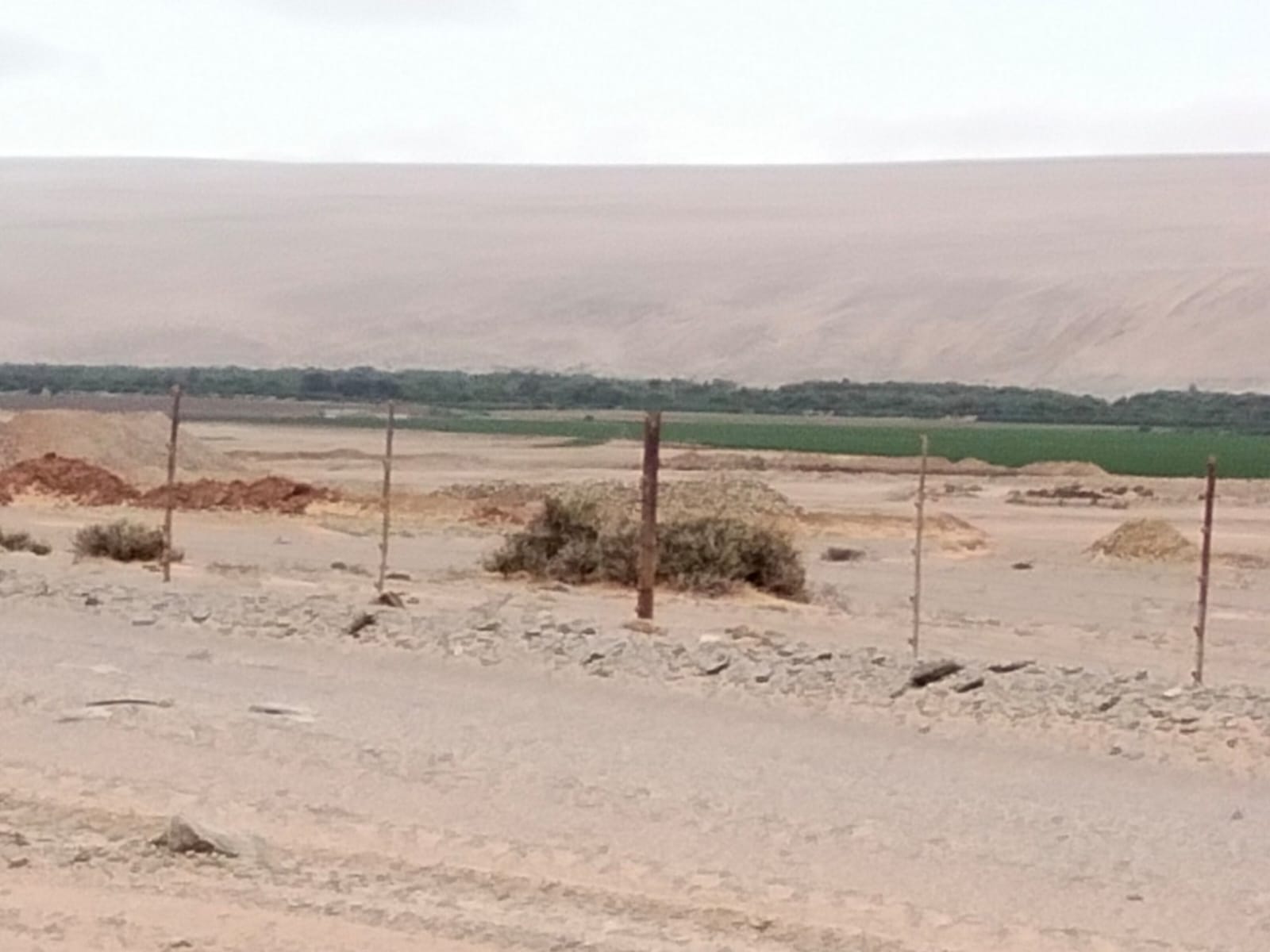
For decades, the Nama lived in the shadow of the diamond mines. They witnessed billions of South African Rand in diamonds being extracted from the earth while their communities languished in poverty. Their language was suppressed in educational institutions, and their traditional leadership was disregarded by a bureaucracy that viewed them primarily as a source of cheap labor for the very mines that had plundered their heritage. This era was characterized by a vicious cycle of poverty and administrative neglect, where the state-owned company Alexkor amassed considerable wealth while the local population endured profound hardship.
A Monumental Victory: The Richtersveld Case
The fall of apartheid in the early 1990s ushered in a new era for South Africa and ignited a spark of hope within the Richtersveld. As the nation transitioned to democracy, the Nama community embarked on a legal challenge that many considered to be an insurmountable task: they sued the South African government and the state-owned diamond company, seeking the return of their ancestral lands. This was not merely a legal dispute; it was a profound battle for the soul of a newly democratic South Africa.
The protracted legal proceedings eventually reached the Constitutional Court, the highest judicial body in the land. The Nama presented a compelling argument based on "Aboriginal title," a legal concept affirming their ownership of the land long before the arrival of any colonial government. They provided extensive evidence of their centuries-old presence, their established traditional laws, and their deep-seated connection to the territory. In 2003, the court delivered a landmark ruling that reverberated through the international legal community. As one of the Nama Elders poignantly stated, "Our witnesses made references of our ancestors’ graves at the Boegoeberg site. It was a spirited and expensive struggle fighting with the government, but finally we won."
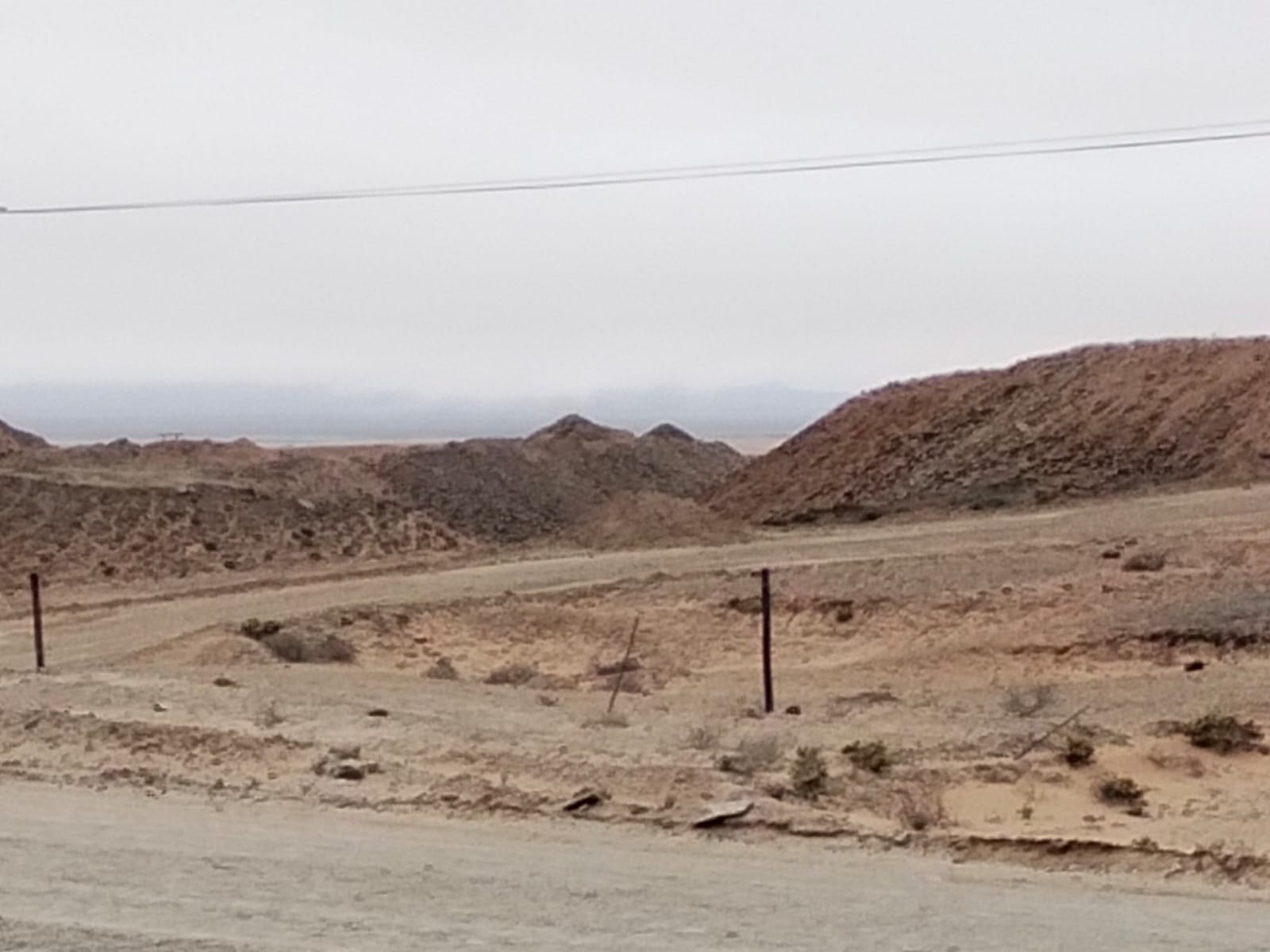
The final settlement, reached in 2007, was historic. The Nama successfully reclaimed 84,000 hectares of coastal land, including the highly valuable diamond-rich areas. Furthermore, they were awarded R190 million (approximately $11.3 million USD) in reparations and a R50 million (approximately $3 million USD) development grant aimed at fostering community rebuilding. For the first time in a century, the Nama were not merely inhabitants of the land; they were its legal owners. This represented a significant victory for restitution, a formal acknowledgement that a profound injustice had been perpetrated and that the state bore a responsibility to rectify it.
The Struggle of Success and the CPA Trap
The courtroom victory, while monumental, proved to be the beginning of a new set of complex challenges. Managing nearly 200,000 hectares of land presented a formidable task, and the Nama found themselves navigating a labyrinth of bureaucratic hurdles and internal community disputes. Several options were available for land management: subdivision for individual ownership, reversion to local municipal control, or the establishment of communal ownership through a Community Property Association (CPA).
The Nama opted for communal ownership, viewing it as the least problematic among the limited choices presented. The Sida!hub CPA was subsequently established. However, its structure was characterized by complexity and excessive technicality, proving to be far removed from the Nama’s governance regimes, which are deeply sensitive to their cultural nuances. The committee, designed along Western democratic lines to hold the land in trust for the community, inadvertently became a source of significant friction.
Under considerable state influence and control, the CPA structure frequently clashed with the Nama people’s traditional methods of leadership and consultation. Many community members perceived the CPA as merely another manifestation of state control, albeit couched in the language of democracy. The transition was messy and lacked transparency, and the community grappled with internal disagreements regarding the allocation of reparations and the management of intricate diamond mining operations.
The settlement did not immediately usher in the prosperity that many had envisioned. Instead, the Nama found themselves ensnared in legal red tape and administrative impediments that obstructed access to the land’s true benefits. These challenges were subsequently corroborated by various oversight bodies, which acknowledged the prolonged and often corrupt nature of the transition process. A significant portion of community resources was reportedly lost in the two decades since the deed of settlement was signed, thereby delaying the anticipated justice and economic transformation.
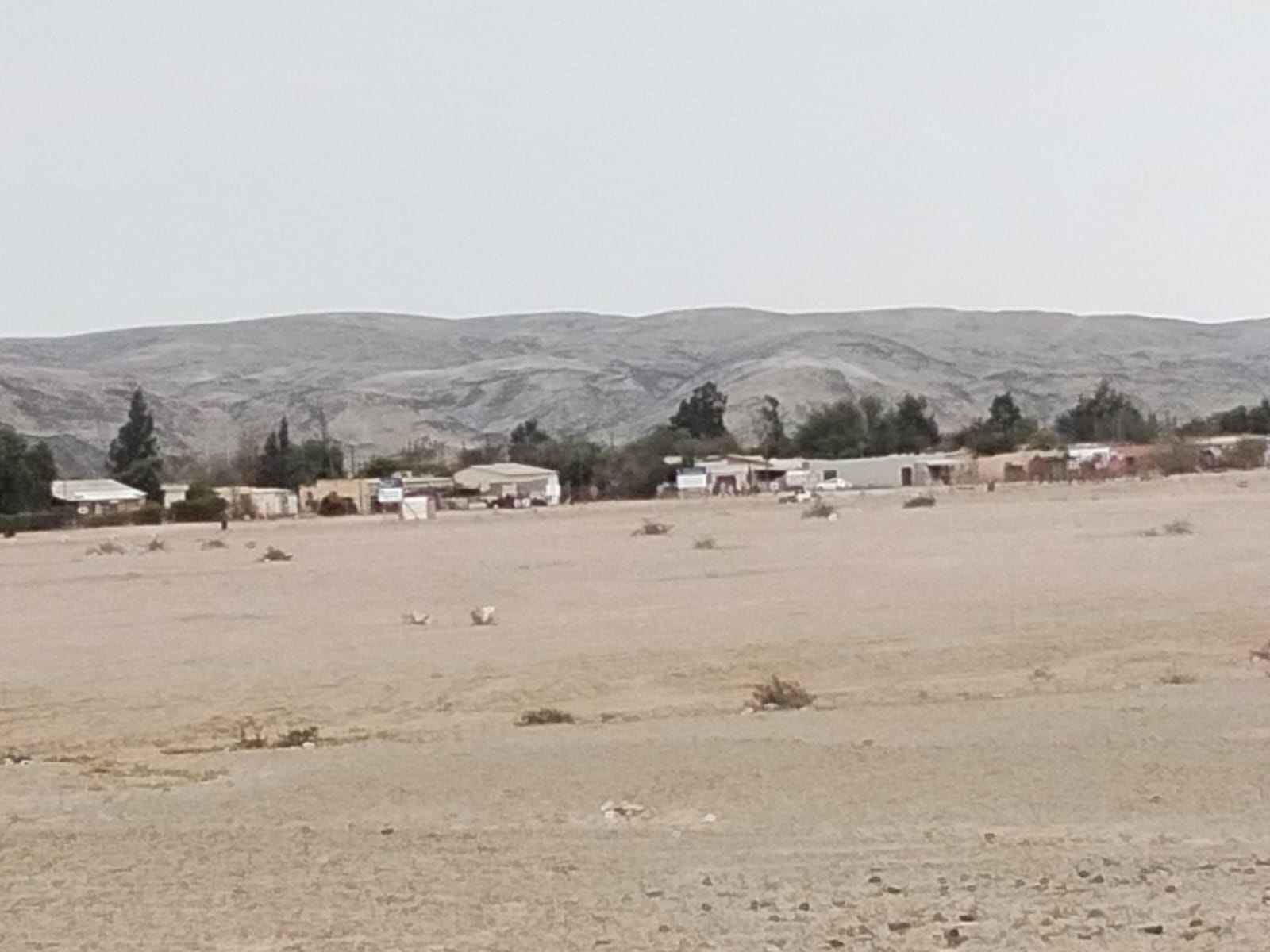
Despite these persistent hurdles, the Nama demonstrated remarkable fortitude. They began to recognize that their true strength lay not in a government-mandated committee, but in the reclamation of their Indigenous identity. They started to circumvent the inadequately functioning CPA structures, returning to their ancestral roots and reasserting the authority of their Goabs and Elders as the rightful custodians of the land.
The New Frontier: The Promise and Peril of Hydrogen
Today, the Nama are confronting a challenge that bears an unsettling resemblance to the diamond rush of a century ago: the burgeoning hydrogen economy. The South African government, in conjunction with international investors, has identified the Namaqualand coast, particularly Boegoebaai, as a prime location for a massive energy hub. This ambitious project envisions the construction of a new deepwater port and extensive wind and solar farms to generate hydrogen for export to Europe.
On the surface, this initiative is presented as a forward-thinking step towards global decarbonization and a potential catalyst for economic development and job creation. However, for the Nama, it represents another form of "green extractivism." There is a palpable fear that a familiar cycle of exploitation is poised to repeat itself, this time on an unprecedented scale. The Nama are concerned that their land is once again being treated as a frontier for exploitation, primarily benefiting the Global North while the local communities bear the environmental and social costs. The proposed "Special Economic Zone" for this project encompasses over 33,500 hectares – a significant portion of which is ecologically sensitive and spiritually significant – squarely situated on land they claim as their own.
The Nama express grave concerns that the green energy transition will inadvertently replicate the detrimental mistakes of the diamond era. They have experienced broken promises of employment and development in the past, only to witness wealth flowing out of their region while their communities remain marginalized. They are particularly wary of being told they must sacrifice their land for the purported greater good of the planet, especially given the profound sacrifices they have already endured.
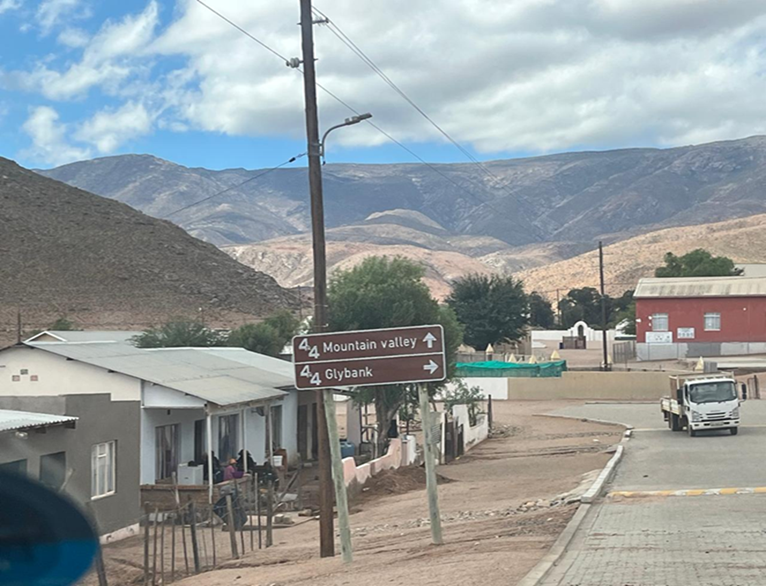
However, this time, the Nama are strategically repositioning themselves. They are no longer the forgotten people of the desert; they are a dynamic and influential community. They are leveraging their national and global networks to demand recognition and meaningful consultation. As one local youth activist emphatically stated, "We are no longer begging for permission. We are asserting our right to Free, Prior and Informed Consent. We know our rights, and we shall not relent in pursuing them by whatever means."
This proactive strategy is fundamentally reshaping the Nama’s engagement with development projects, redefining what constitutes "Just Development." They are insisting that hydrogen projects partner with the community from the outset. This necessitates a commitment to transparency, shared ownership, and a guarantee that local people will be the primary beneficiaries of the energy generated and the revenue it produces. They are actively working to ensure that Boegoebaai does not become another sacrifice zone, but rather a model for how Indigenous communities can lead the transition to a sustainable future. No longer placing faith in government-driven CPA models, they are actively seeking to establish their own management systems, imbued with a strong community mandate and authority.
Reclaiming the Spirits: Ancestors and Sacred Sites
In parallel with their ongoing struggle for land and energy sovereignty, the Nama are experiencing a profound spiritual renaissance, actively working to repatriate the spirits of their ancestors. The remains of Nama ancestors, taken to Scotland over 200 years ago, were recently returned to Namaqualand and interred at Steinkopf on March 23, 2026. This repatriation was a deeply significant moment of healing for the community, representing not merely a funeral but a powerful act of reclaiming their history and restoring their dignity.
The Nama are also committed to protecting their living heritage, which includes sacred sites like Boegoeberg, where ancestors are buried and millennia-old rituals have been performed. They are actively revitalizing their language and cultural practices, narrating their stories through contemporary songs and artistic expressions. A team leader from the youth organization Nama Khoi Productions stated, "As Khoi artists and activists, our stories speak to questions of who we are as a Khoi community, what it means to be Khoi, and what it means to belong. Through our theater productions and festivals, we provoke critical conversations while creating spaces where audiences can reflect on their own sense of identity and belonging."
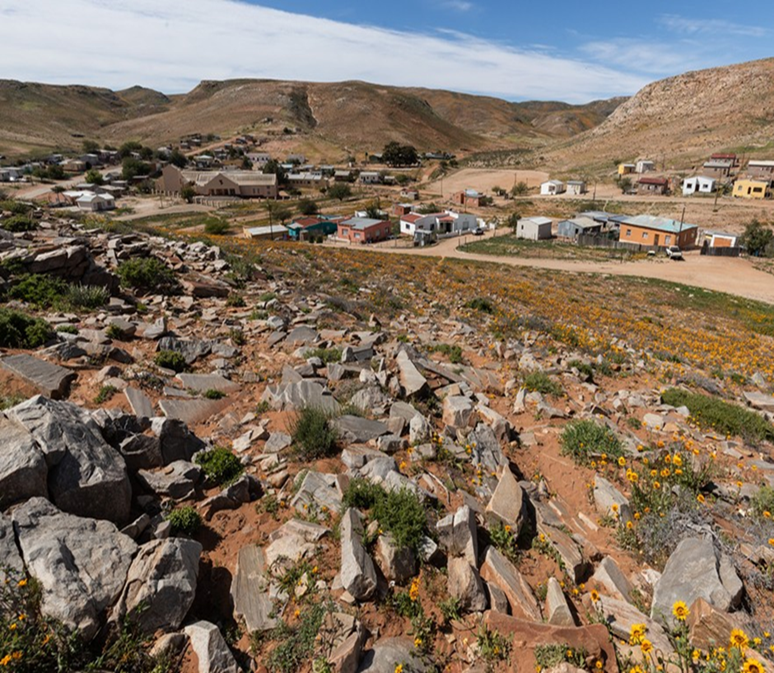
By grounding their power in their rich cultural heritage, the Nama are reasserting the intrinsic value of their land, encompassing its historical and cultural significance, and underscoring its fundamental importance to the community’s dignity, survival, and future. The Nama are returning to a leadership model rooted in their Indigenous values, gradually moving away from the subjugation of being a marginalized minority and stepping into their rightful power as the First Peoples of the land. This cultural revival serves as the vital impetus for their ongoing political and legal battles and underpins their future survival.
A Legacy of Persistence and a Vision for Tomorrow
The journey of the Nama people is a powerful testament to the enduring truth that justice is not a singular event, but a continuous process of resilience and reclamation. They have survived the devastating diamond rush that dispossessed them of their land and the oppressive apartheid laws that sought to erase their very names and language. They achieved an improbable legal victory in the Richtersveld case, a triumph that irrevocably reshaped South Africa’s legal landscape. Today, the Nama stand at a critical juncture, navigating the space between their ancestral past and a high-tech, green future. Their story profoundly illustrates that true justice is not solely defined by financial compensation or legal decrees; it is fundamentally about the right of a people to determine their own destiny on the land of their ancestors.
The Nama are demonstrating to the world how to transform a history of profound pain into a future of sovereign self-determination. They are a potent reminder that regardless of how arid the desert may appear, the roots of Indigenous identity run deep and possess the power to bloom into a formidable force for transformative change. Their message to the global community is unequivocal: there can be no genuinely "green" future without Indigenous justice, and the Nama will no longer be relegated to the dustbin of history. They are the proud guardians of Namaqualand, and they are resolutely here to stay.