The urgent need for highly qualified special education teachers, particularly those equipped to support students with autism and emotional behavior disorders, is driving innovation in Minnesota’s educational landscape. Karner Blue Education Center in Circle Pines, which serves students with significant needs and complex emotional profiles, exemplifies the challenge faced by many school systems across the state. These students require highly skilled teams of educators and support staff, yet a persistent shortage of licensed teachers in these specialized areas is straining resources and impacting student services. In response, a groundbreaking teacher apprenticeship program is poised to address this critical gap, cultivating a new generation of educators from within the ranks of experienced educational assistants.
A Groundbreaking Approach to Teacher Preparation
The teacher apprenticeship program, overseen by BrightWorks, an educational cooperative, offers a comprehensive, on-the-job training model that integrates practical experience with university-level coursework. This "student teaching on steroids," as described by Gina Boots, teacher and apprenticeship liaison at BrightWorks, is designed to equip educational assistants with the specialized skills, resilience, and pedagogical knowledge necessary to thrive in the demanding field of special education. The program aims to combat the high turnover rates that plague this crucial sector by providing a structured pathway to licensure and fostering a deep commitment to the profession.
From Assistant to Lead Educator: Success Stories Emerge
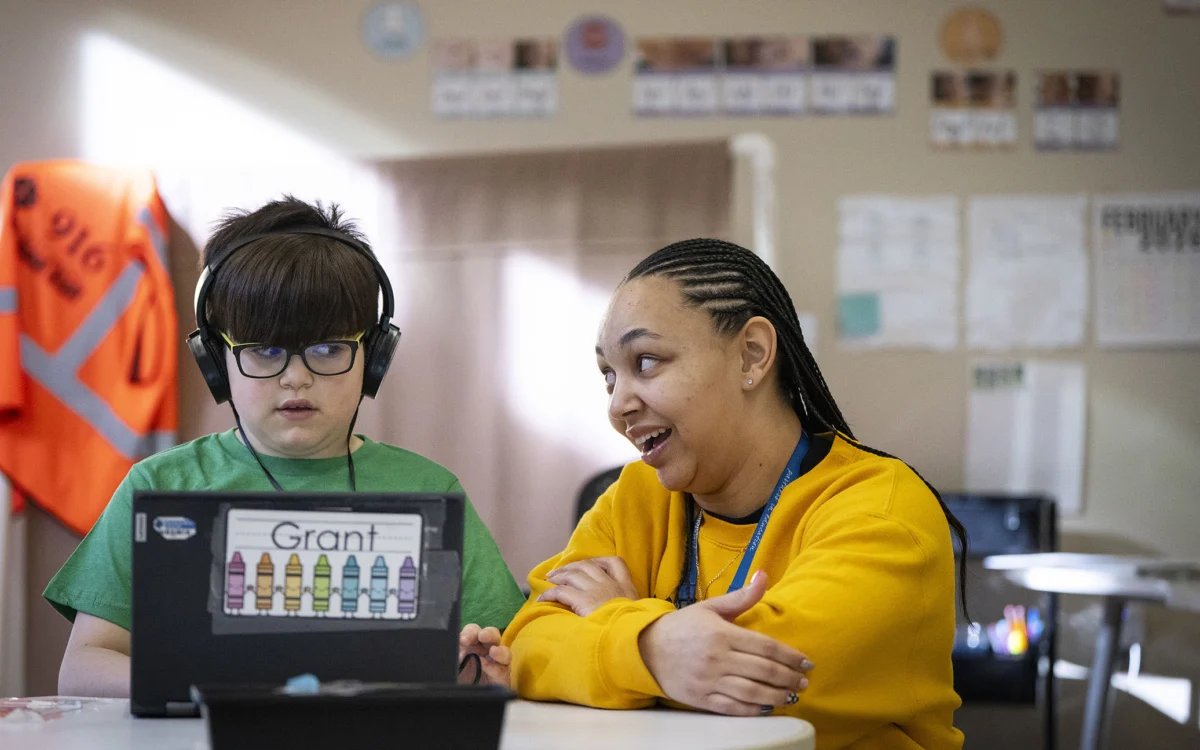
The program’s efficacy is already becoming evident with the upcoming graduation of its first cohort of teachers. Among them is Deb Rime, a native of the Philippines, who transitioned from a paraprofessional role with Northeast Metro ISD 916 to lead educator of Learning Lab 1106 at Karner Blue. Rime’s journey highlights the program’s success in accelerating the development of qualified professionals. Her classroom demeanor, characterized by enthusiastic and specific positive reinforcement, exemplifies evidence-based practices that yield significant benefits for students with special needs.
Amelia Barrons, a special education teacher with Northeast Metro 916 and a program navigator for the apprentices, underscores the transformative impact of this approach. "We know that when we are excited and engaged with our students that they are going to be excited and engaged with us," Barrons stated, her voice tinged with emotion. "I’ll get emotional because I’m so impressed by these people. I’m so proud of how far they’ve come. They’re so good." This sentiment reflects the profound dedication and growth observed in the apprentices as they navigate the complexities of special education.
Addressing a Statewide Crisis: Data and Demographics
The need for such innovative programs is underscored by stark statistics. A year prior to the program’s inception, the statewide average of special education teachers deemed not to be highly qualified stood at approximately 10%. This figure more than doubled in intermediate districts, which serve students with the most significant needs, averaging around 20% and showing an upward trend. This alarming reality spurred the development of the apprenticeship initiative, launched in 2024 by Boots and her colleagues.
"I was really tired of watching students not get the services they deserve," Boots explained, articulating the driving force behind the program’s creation. The data from the Professional Educator Licensing and Standards Board further illustrates the depth of the crisis. As of December, Minnesota reported significant staffing shortages in special education, with 438 open positions in the area of emotional behavior disorders and 361 in the area of autism spectrum disorders. These figures indicate that even with individuals pursuing licensure, a substantial number of positions are filled by educators who are not fully prepared, potentially compromising the quality of education for vulnerable students.
Programmatic Growth and Future Outlook
The teacher apprenticeship program, initiated by the intermediate districts, began with 20 apprentices in its inaugural two-year cohort and has since expanded to include 30 more participants in the second cohort. Plans are already underway to recruit an additional 30 teacher hopefuls for the 2026-27 school year, demonstrating a sustained commitment to scaling the initiative. Notably, Minneapolis Public Schools also operates its own parallel apprenticeship program, indicating a broader recognition of this model’s value across different districts.
The placement of students in intermediate districts is typically a deliberate decision made when a child’s specific needs require specialized services that are not readily available in their home districts. The ultimate goal of these programs is to provide intensive, tailored interventions that foster self-regulation and learning, ultimately facilitating a student’s successful return to their home district.
The Apprenticeship Experience: Growth and Empowerment
The apprenticeship program offers a multifaceted learning experience. Beyond managing their own classrooms, apprentices like Deb Rime are actively involved in crucial administrative tasks, such as facilitating Individualized Education Program (IEP) meetings and contributing to the development of student education plans.
Channelle Bell, currently in her first year of the program, shares her transformative journey. Initially daunted by the challenges of her role as an educational assistant, she has since developed a profound desire to contribute more significantly to student education plans. "OK, I want more, give me more," Bell expressed, a stark contrast to her earlier hesitations. While she acknowledges the daunting prospect of independently writing IEPs, stating, "I’m like, woo, that sounds scary," she is actively engaged in learning and documenting IEP meetings, aspiring to the confidence to lead these critical discussions in the future. Rime, having navigated similar challenges, offers a reassuring perspective: "It is scary."
The program emphasizes a strengths-based approach, as demonstrated by Rime’s interaction with her students using a tablet to identify their emotions. Instead of dismissing or correcting a student’s expressed anger, Rime validates their feelings, honoring their voice and ensuring they feel heard. This approach, according to Barrons, is fundamental to building trust and fostering a positive learning environment.
Rime reflects on the past two years as both demanding and deeply rewarding. "You’re gaining hands-on experience, you’re building your confidence, you’re building your skills, you’re growing every day," she shared. "And at the end of the day, I’m like, ‘Oh my gosh, I’m almost there. One step closer to being a teacher.’" This personal growth and sense of accomplishment are central to the program’s success in retaining educators in a field known for its demanding nature.
Broader Implications and the Future of Special Education
The success of Minnesota’s teacher apprenticeship program holds significant implications for the future of special education not only within the state but potentially across the nation. By investing in the professional development of existing educational assistants, districts can create a more sustainable and effective workforce. This model addresses the critical shortage by offering a viable, career-oriented pathway for individuals already committed to working with students with special needs.
The program’s emphasis on practical, hands-on experience, coupled with rigorous academic training, ensures that graduates are well-prepared to meet the diverse and complex needs of their students. This approach also acknowledges the unique challenges faced by educators in specialized settings, equipping them with the emotional intelligence and resilience required to navigate high-stress situations.
The long-term impact of this initiative could be a reduction in the number of underqualified teachers in special education classrooms, leading to improved student outcomes and a more equitable educational experience for all. Furthermore, by demonstrating the effectiveness of apprenticeship models, Minnesota is paving the way for similar programs to be adopted in other states facing similar teacher shortages. The commitment to nurturing talent from within the existing educational support system represents a forward-thinking strategy that prioritizes student well-being and the professional growth of educators. As Gina Boots aptly put it, "We should have done this 15 years ago, but we didn’t, so here we are. Let’s go." This sentiment encapsulates the urgency and the determined optimism driving this vital initiative.