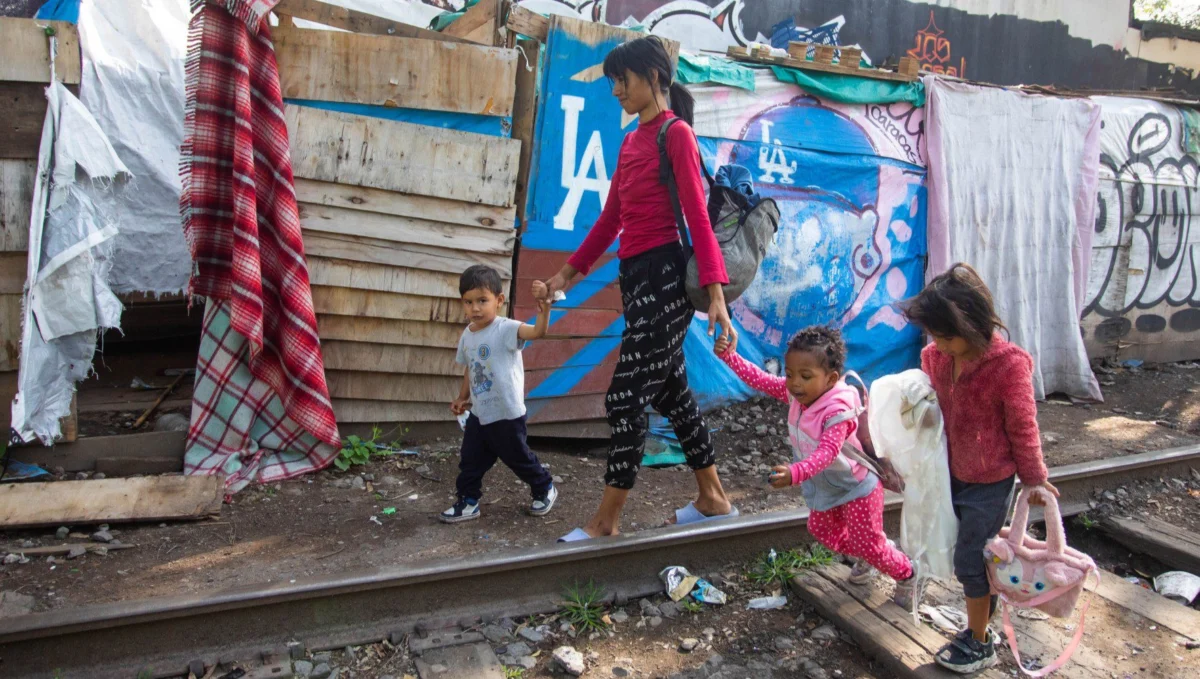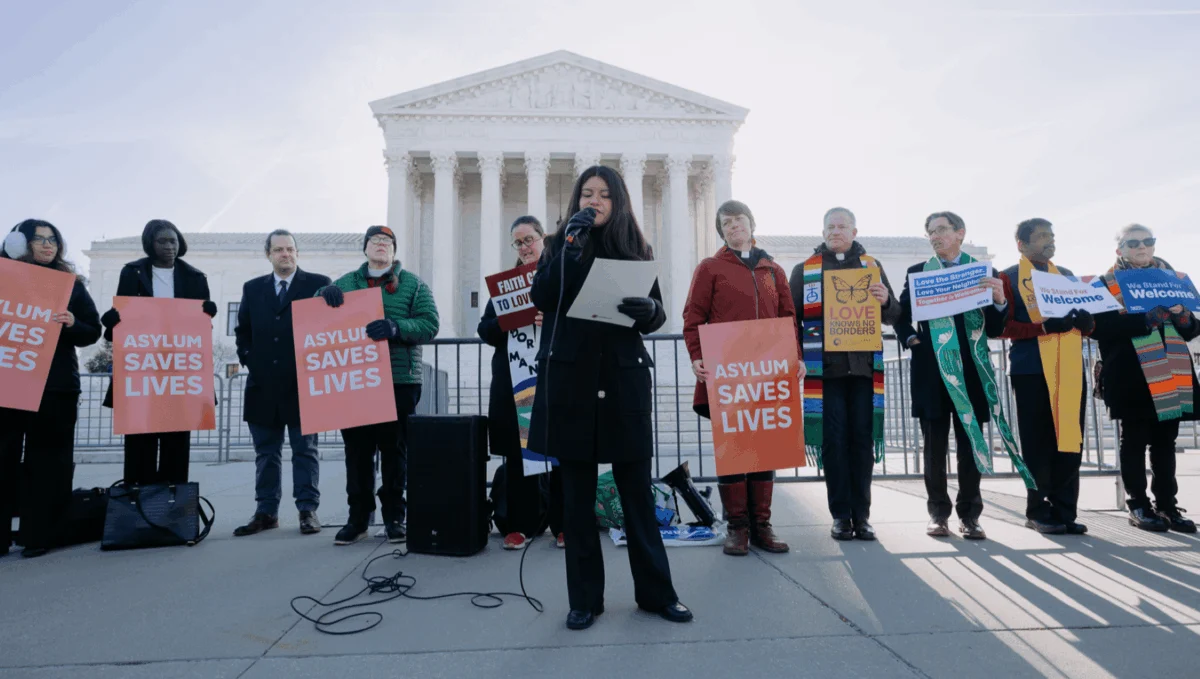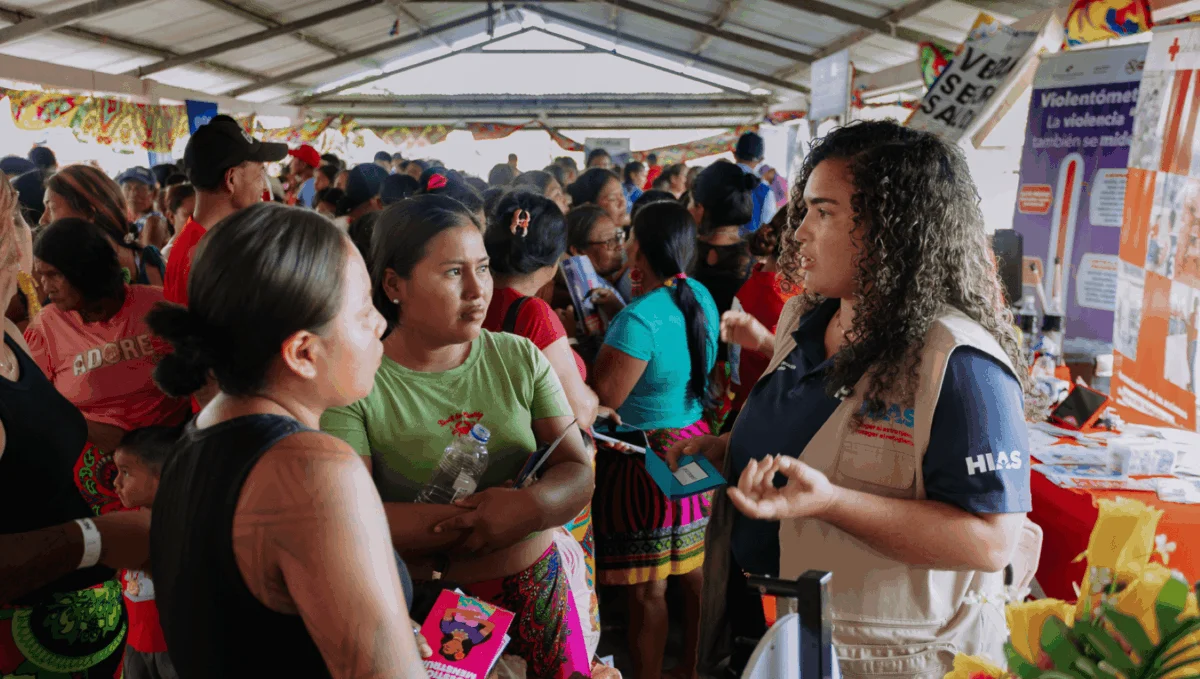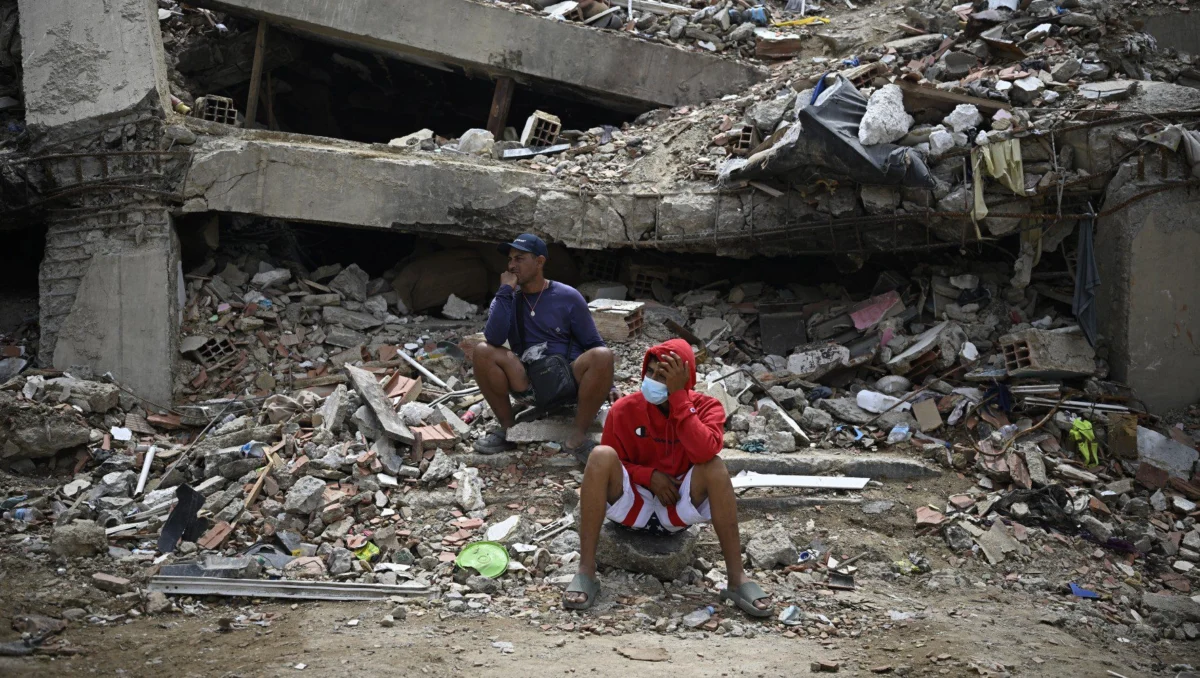
Panama, a nation strategically positioned as a natural bridge between North and South America, has long served as a vital transit point for individuals seeking new opportunities and safety. Today, this geographical advantage places Panama at the epicenter of a complex and evolving humanitarian crisis, acting as both a critical crossing point and a host country for a growing number of refugees, displaced persons, and migrants across the Latin American region. Despite shifts in immigration policies across the Western Hemisphere, the urgent need for humanitarian assistance persists, particularly in border regions like Darién, Chiriquí, and Colon. For over a decade, HIAS Panama has been at the forefront of providing essential support to these vulnerable populations, navigating an increasingly challenging landscape.
The Evolving Demographics of Displacement in Panama
In 2025, Panama found itself hosting a significant population of displaced individuals, with UNHCR data indicating over 155,000 people in need of protection. This figure includes more than 5,000 recognized refugees and an additional 36,500 asylum seekers. The primary countries of origin for those seeking refuge and safety in Panama are Venezuela, accounting for over half of the total, with substantial numbers also originating from various Central American nations. This demographic composition reflects the ongoing political and economic instability plaguing parts of South America and the persistent challenges faced by those attempting to flee persecution and violence.
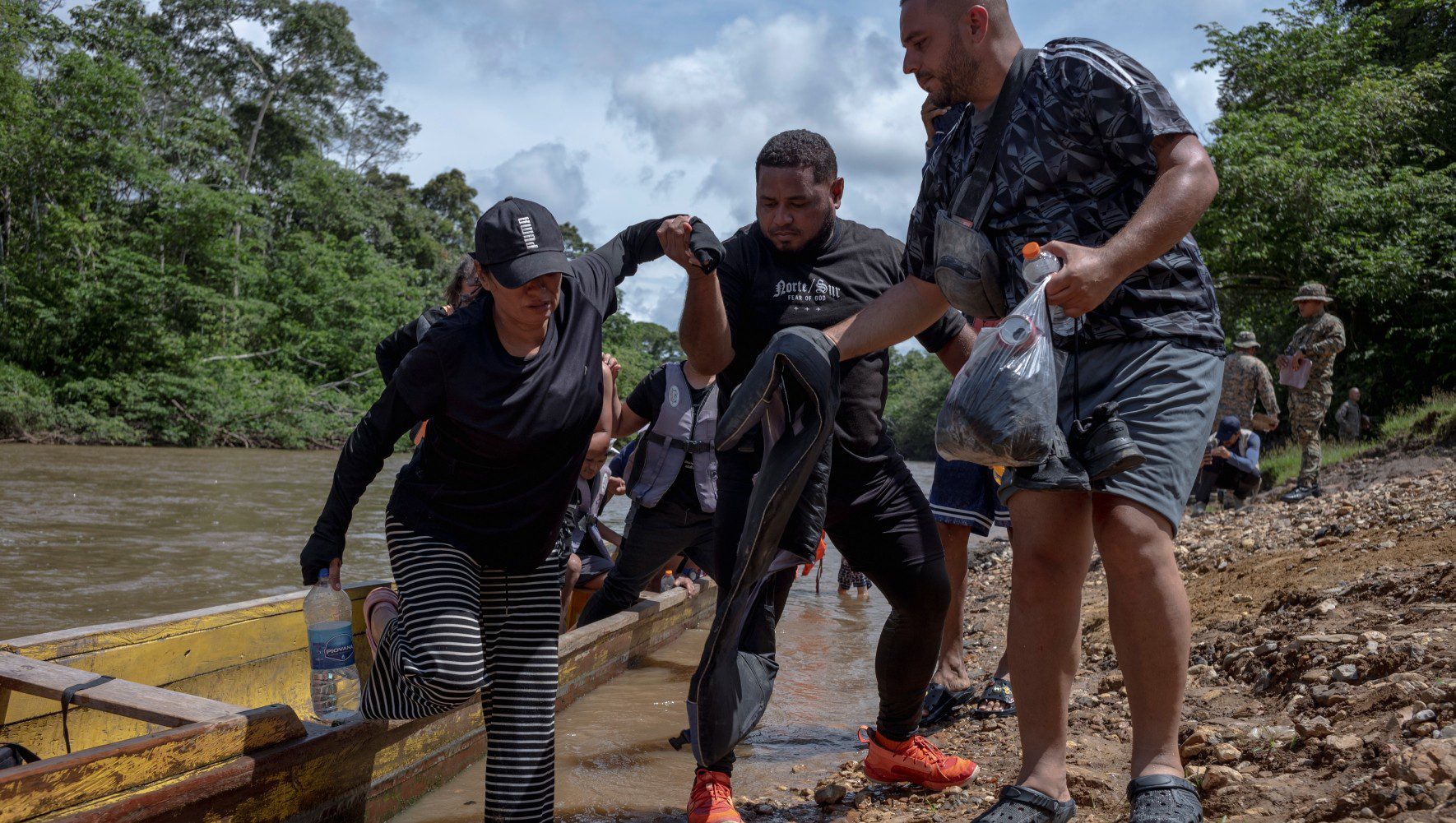
For years, the predominant migration flow saw thousands of individuals traversing the perilous Darién Gap, a dense and dangerous jungle straddling the border between Colombia and Panama, en route to the United States. In 2023 alone, an estimated 500,000 people undertook this treacherous journey, facing a gauntlet of natural hazards, disease outbreaks, and the constant threat of exploitation by criminal organizations involved in human trafficking. The sheer scale of this movement underscored the desperation driving individuals to undertake such extreme risks in pursuit of safety and a better life.
The Emergence of Reverse Migration and its Implications
A significant and notable shift in migration patterns has emerged over the past year, largely attributed to changes in U.S. asylum and immigration policies. This phenomenon, often referred to as "reverse migration," has seen thousands of individuals now traveling south instead of north. This trend has dramatically altered the dynamics of humanitarian needs, placing immense pressure on countries like Panama that are now receiving individuals who have either been unable to reach their intended destinations or are seeking refuge closer to their home regions.
This reverse flow presents a new set of challenges. Many individuals who previously embarked on the northward journey are now finding themselves stranded or forced to reroute, often with depleted resources and heightened vulnerability. Organizations like HIAS, which have historically focused on supporting those moving north, are now adapting their strategies to assist those traveling in the opposite direction, often becoming one of the few entities still providing crucial services to people in transit. The logistical and financial implications of this shift are considerable, requiring a rapid reassessment of aid delivery and resource allocation.
The Enduring Perils of the Journey South
Despite the change in direction, the southern route remains no less perilous than the journey north. Migrants attempting to travel south from Central America towards Panama encounter a complex web of dangers. Criminal groups operating along these routes often demand exorbitant sums of money for safe passage, preying on the vulnerability of those with limited financial means. The journey itself is fraught with severe hardships, including inadequate shelter, a critical scarcity of safe drinking water, limited access to basic sanitation and healthcare services, and persistent food insecurity. Many individuals arrive at their destinations traumatized, having endured physical and psychological abuse, and with little prospect of returning to their countries of origin.
The psychological toll of these journeys cannot be overstated. Displacement, loss, and the constant threat of violence leave deep scars, necessitating comprehensive mental health support. Organizations on the ground report that many survivors of these journeys exhibit signs of severe trauma, anxiety, and depression, requiring specialized care to begin the healing process and rebuild their lives.
The Impact of Humanitarian Aid Cuts
Compounding these immense challenges is a significant reduction in humanitarian aid. Many international and local organizations that were once active along migration routes have been forced to withdraw their operations due to substantial cuts in funding, particularly from key international donors. These funding reductions have created critical gaps in essential services, leaving many displaced individuals without access to food, shelter, medical care, and legal assistance.
HIAS, while not immune to these funding reductions, has demonstrated a steadfast commitment to maintaining its presence and services in Panama. The organization continues to operate at key crossing points, providing vital protection services, mental health care, and emergency financial assistance to cover immediate needs such as food, shelter, and medical expenses. This sustained effort is crucial in mitigating the worst impacts of the aid shortfall and ensuring that the most vulnerable receive some level of support. The implications of these cuts are far-reaching, potentially leading to increased desperation, exploitation, and further strain on host communities.
Navigating Rights and Legal Frameworks
Panama’s legal framework offers protections to refugees and displaced persons. The country became a signatory to the 1951 Refugee Convention and its 1967 Protocol in 1978. Panama’s definition of a refugee aligns closely with the Convention’s provisions, and the country has further extended protections to individuals fleeing sexual and domestic violence, as well as those persecuted for defying societal norms and customs.
However, the practical application of these rights can be challenging. The asylum system in Panama faces significant administrative backlogs, and established application timelines often result in lengthy delays in obtaining refugee status and work permits. These delays can exacerbate vulnerability, particularly for dependent family members who may not receive identification documents promptly, hindering their access to essential services and their ability to integrate into society. While efforts are underway to improve document recognition across various institutions and to provide support during waiting periods, inconsistencies in the recognition of these documents by some authorities persist.
HIAS, in collaboration with its partners, plays a critical role in providing legal information and assistance to refugees and asylum seekers. The organization actively advocates for a more efficient and equitable asylum system, aiming to reduce backlogs and create clearer pathways to protection. This advocacy is essential in ensuring that legal frameworks translate into tangible protection for those in need.
HIAS’s Sustained Commitment to Support
HIAS has been actively engaged in supporting refugees and displaced people in Panama since 2010. The organization’s comprehensive programs are designed to address a wide spectrum of needs, encompassing protection services, mental health care, and the promotion of economic opportunities.
HIAS assists refugees, asylum seekers, and migrants in building dignified and sustainable livelihoods, fostering self-reliance and resilience. Through strategic partnerships with local communities and non-governmental organizations, HIAS promotes integration and cultivates safe spaces where refugees and host community members can collaborate on community projects and jointly address shared challenges. This community-centered approach is vital for building social cohesion and ensuring that both displaced populations and host communities benefit from mutual support and understanding.
The ongoing work of HIAS in Panama underscores the critical need for sustained humanitarian efforts in regions experiencing complex and shifting migration dynamics. As the geopolitical landscape continues to evolve, the role of organizations like HIAS in providing life-saving assistance and advocating for the rights of displaced populations remains more vital than ever. The challenges are significant, but the commitment to providing hope and support to those seeking safety and a better future continues.