The legal landscape of the United Kingdom is currently facing a period of significant volatility as foundational protections, once considered settled, are increasingly subjected to political and rhetorical challenges. For decades, the Equality Act 2010 and the Human Rights Act 1998 have served as the twin pillars of the British constitutional framework, ensuring that individuals are protected from discrimination and that the state remains accountable to its citizens. However, recent legislative proposals, party manifestos, and a shifting media narrative suggest that these rights are not as guaranteed as the public may believe. Instead, they are products of law—statutes that can be amended, diluted, or repealed entirely by a simple majority in Parliament.
The vulnerability of these protections has become a central point of concern for civil liberties groups and legal scholars. In the current political climate, the discourse surrounding human rights has transitioned from a matter of universal legal principle to a frequent subject of partisan debate. From government proposals to replace the Human Rights Act with a "Bill of Rights" to pledges from emergent political parties to scrap equality legislation altogether, the mechanisms that safeguard marginalized communities are under intense scrutiny.
The Legislative Foundation: Understanding the Twin Pillars
To understand the current risks, it is necessary to examine what these laws provide. The Human Rights Act 1998 effectively brought the European Convention on Human Rights (ECHR) into domestic British law. This allows individuals to defend their rights in UK courts rather than having to seek redress in Strasbourg. It guarantees fundamental freedoms, including the right to life, freedom from torture, the right to a fair trial, and freedom of expression. Crucially, it mandates that all public bodies—including the police, hospitals, and local authorities—act in a manner compatible with these rights.
Parallel to this, the Equality Act 2010 streamlined several decades of anti-discrimination legislation, including the Sex Discrimination Act 1975 and the Race Relations Act 1976, into a single, comprehensive framework. It identifies nine "protected characteristics": age, disability, gender reassignment, marriage and civil partnership, pregnancy and maternity, race, religion or belief, sex, and sexual orientation. By making it unlawful to discriminate in employment, education, and the provision of services, the Act transformed the social fabric of the UK, moving the nation toward a more inclusive public life.
A Chronology of Legislative Erosion
The trajectory of human rights in the UK has moved through several distinct phases, shifting from post-war expansion to modern-day skepticism.
1950–1953: The Post-War Consensus
Following the atrocities of World War II, the UK played a leading role in drafting the European Convention on Human Rights. The guiding principle was "never again," aiming to create a legal barrier against the rise of authoritarianism and the persecution of minorities.
1998–2010: The Era of Codification
The passage of the Human Rights Act in 1998 and the Equality Act in 2010 represented the high-water mark for civil rights legislation in the UK. These laws codified the relationship between the individual and the state, ensuring that rights were not merely abstract concepts but enforceable legal realities.
2015–2022: The Rise of Skepticism
The 2015 Conservative Party manifesto included a pledge to "scrap" the Human Rights Act and replace it with a British Bill of Rights. While this was delayed, the theme persisted. In 2022, then-Justice Secretary Dominic Raab introduced the Bill of Rights Bill, which critics argued would have made it significantly harder for individuals to challenge state abuses and would have prioritized government interests over individual liberties. Though the bill was eventually shelved, the intent signaled a clear departure from the 1998 consensus.
2024–2026: Modern Political Challenges
In more recent political cycles, the rhetoric has intensified. Reform UK has campaigned on a platform that includes the total repeal of the Equality Act, labeling it a hindrance to free speech and meritocracy. Meanwhile, the Labour Party has suggested reviews into how rulings from the European Court of Human Rights are integrated into domestic policy, indicating that even among traditionally supportive parties, the current human rights framework is subject to re-evaluation.
The Role of Media Concentration and Public Misinformation
A significant factor in the shifting public perception of human rights is the concentrated nature of the British media. Data indicates that approximately 90% of the UK’s national newspaper circulation is controlled by just three billionaires. For decades, segments of this media have campaigned against human rights protections, often utilizing "clickbait" headlines and sensationalist narratives to frame these laws as "criminals’ charters" or tools for "special treatment."
This misinformation campaign often targets the most marginalized communities, framing their pursuit of equal treatment as an infringement on the rights of the majority. By focusing on fringe cases or misrepresenting legal rulings, these outlets have fostered a "divide-and-rule" atmosphere. The reality, as noted by organizations like The Equality Trust and Liberty, is that human rights laws are universal; they protect the elderly in care homes, victims of police misconduct, and employees facing unfair dismissal. When these laws are weakened for one group, the legal precedent created threatens the security of all citizens.
The "Dormant" Socio-Economic Duty
One of the most significant but least discussed aspects of the Equality Act 2010 is Section 1, known as the "Socio-Economic Duty." This clause requires public bodies to consider how their strategic decisions can reduce the inequalities of outcome caused by socio-economic disadvantage. Essentially, it was designed to force the government to think about class and poverty when drafting policy.
While this duty has been formally commenced and implemented by the devolved governments in Scotland and Wales, it remains dormant in Westminster. Successive UK governments have declined to enact this section, leaving a significant gap in the fight against inequality in England. Research from The Equality Trust suggests that the commencement of this duty would provide a powerful tool for local authorities to address the root causes of poverty, yet it remains a "forgotten" piece of the 2010 legislation.
Supporting Data: The Impact of Weakened Protections
The consequences of rolling back equality duties are not merely theoretical; they are reflected in social and economic data. A report by the Trades Union Congress (TUC) titled "Two Steps Forward, One Step Back" highlighted how the weakening of equality impact assessments has led to policy decisions that disproportionately harm women, ethnic minorities, and disabled people.
Furthermore, the "regression" of rights often occurs quietly through administrative changes rather than high-profile legislative repeals. This includes:
- Reduced Funding for Enforcement: The Equality and Human Rights Commission (EHRC) has seen its budget significantly reduced over the last decade, limiting its ability to take on landmark cases.
- Narrow Legal Interpretations: Courts have increasingly moved toward narrower interpretations of "proportionality" in human rights cases, making it harder for citizens to win cases against the state.
- Underfunded Legal Aid: The decimation of legal aid in the UK has meant that even if a right exists on paper, many citizens lack the financial means to defend it in court.
International Context and the Risk of Regression
The UK is not unique in this trend, but it serves as a cautionary example of how quickly established rights can be undermined. Civil liberties groups frequently point to the United States, where the reversal of Roe v. Wade demonstrated that decades of legal precedent could be overturned by a shift in political and judicial appointments.
In the European context, the UK’s potential withdrawal from or distancing from the ECHR would place it in a very small group of nations, including Russia and Belarus, who are not signatories or active participants in the convention’s oversight. Such a move would not only damage the UK’s international standing but would also remove a vital "safety net" for British citizens who have exhausted domestic legal options.
Perspectives from Civil Society
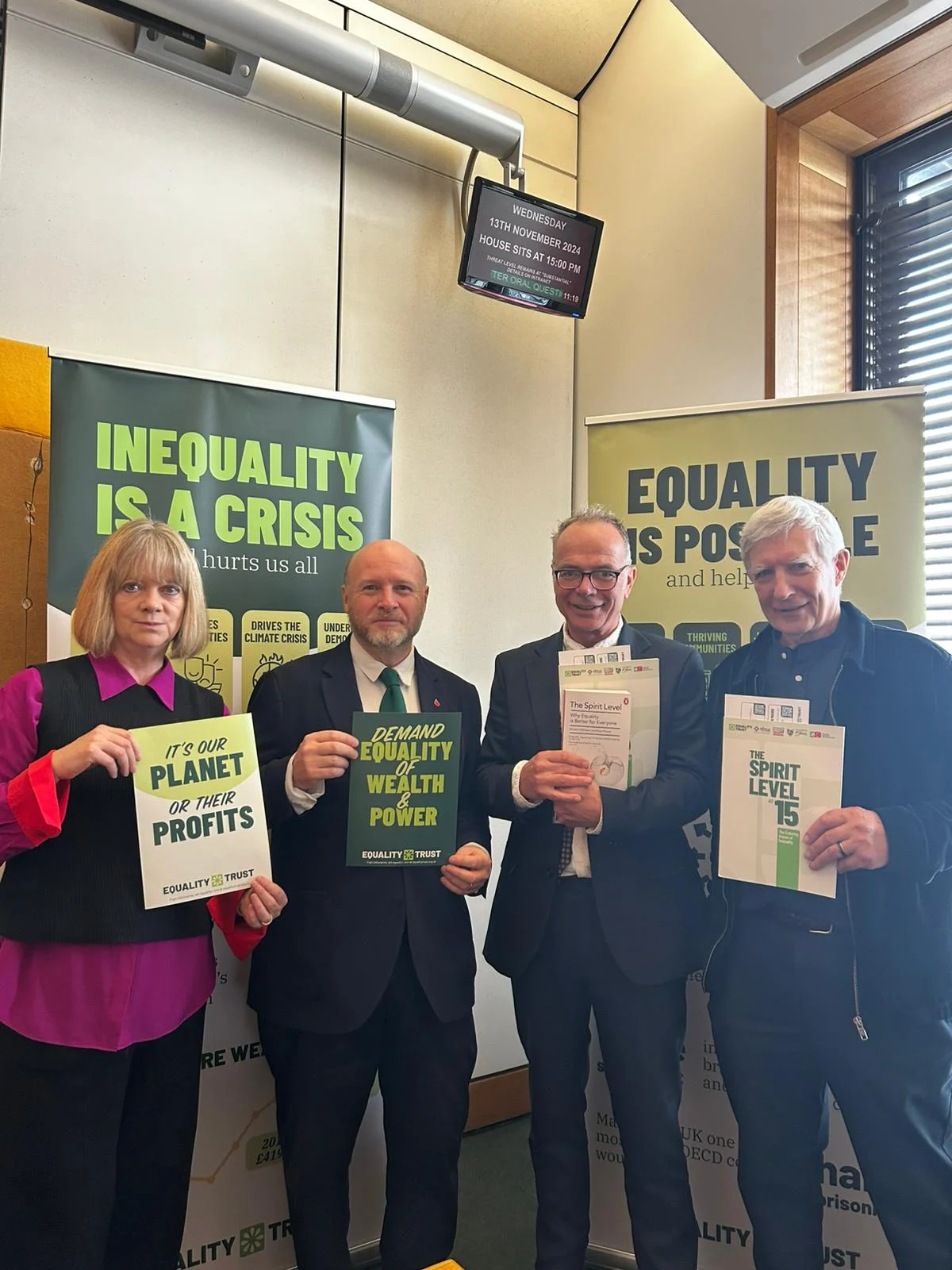
The response from the non-profit sector has been one of urgent mobilization. Vanessa Boon, Senior Policy & Advocacy Leader at The Equality Trust, emphasizes that the commencement of the socio-economic duty is essential for a fair recovery from recent economic crises. "Our rights are not guaranteed," Boon warns, noting that laws can be weakened if politicians sense a lack of public resistance.
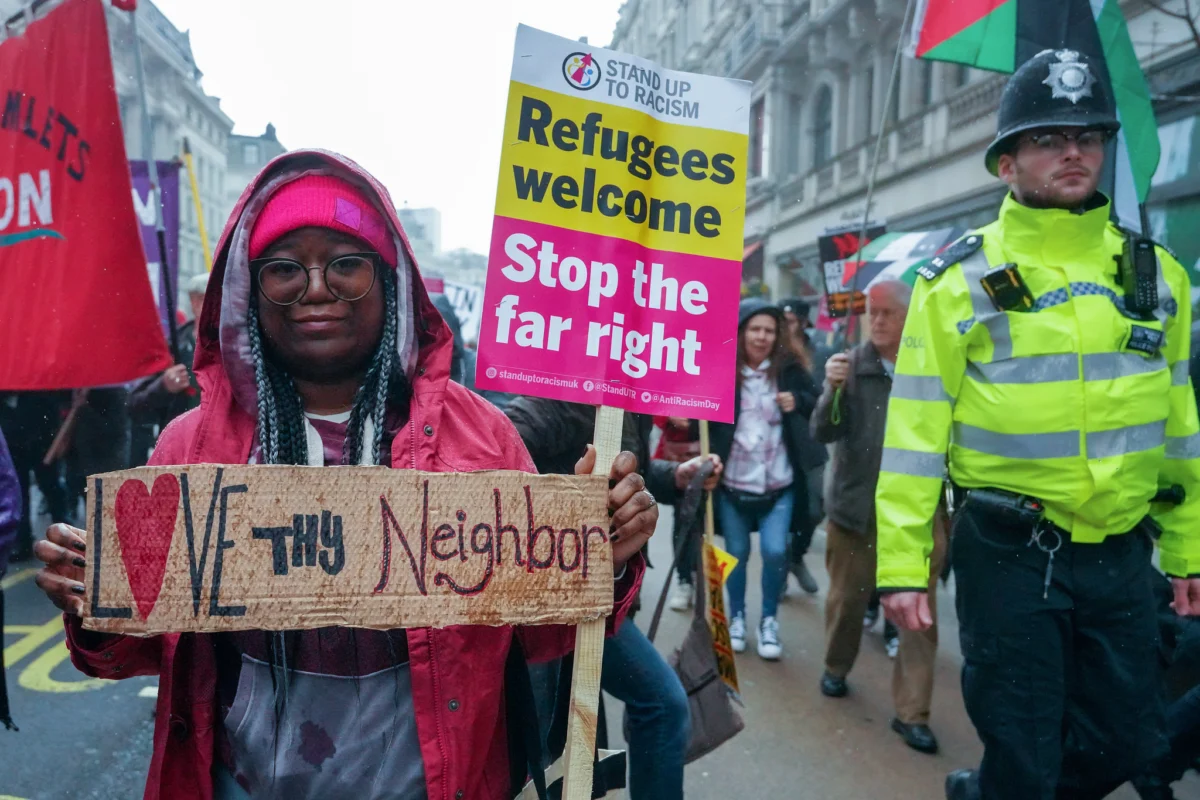
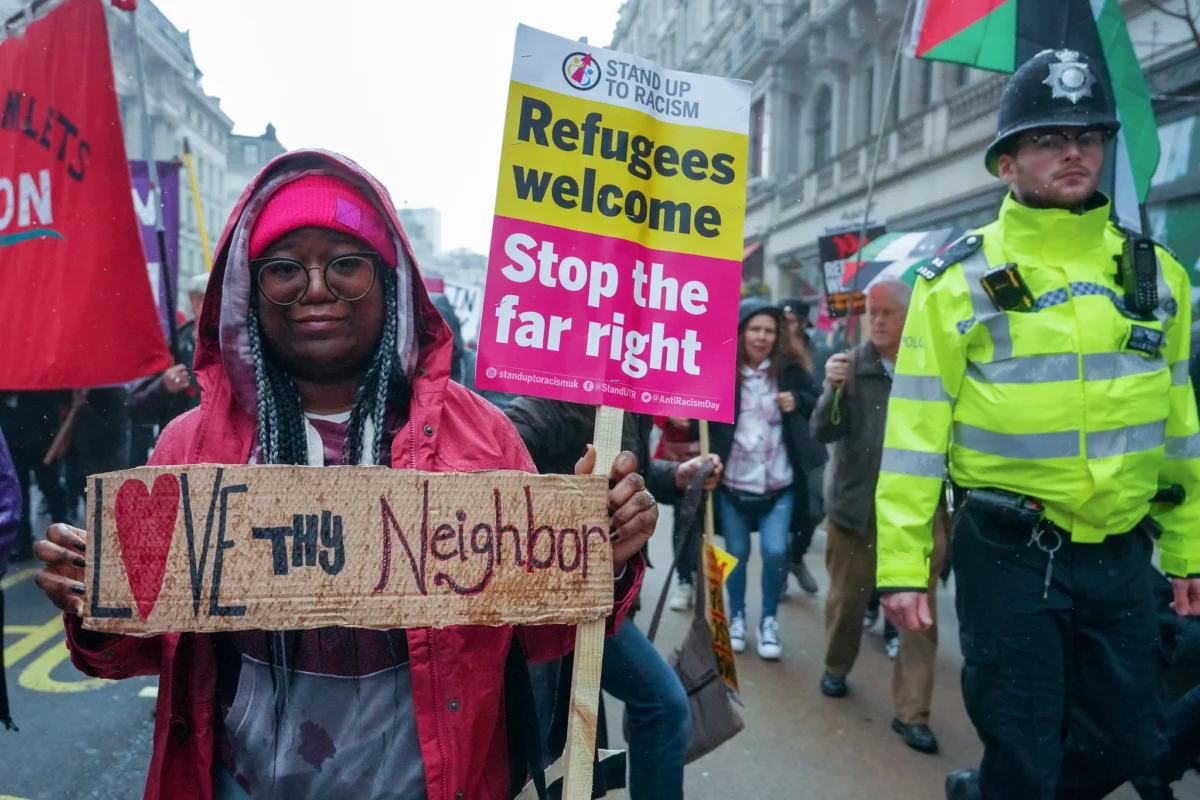
Similarly, Liberty has warned that recent restrictions on the right to protest—introduced via the Police, Crime, Sentencing and Courts Act 2022—represent a significant regression in freedom of expression and assembly. These organizations argue that the "chipping away" at specific rights is often a precursor to a broader assault on the constitutional framework that protects all individuals from discrimination and harassment.
Conclusion: The Path Forward
The debate over the Equality Act and the Human Rights Act is fundamentally a debate about the type of society the United Kingdom wishes to be. These laws were designed to ensure that the lessons of history—of the dangers of unchecked state power and the cruelty of systemic discrimination—were never forgotten.
As wealthy interests and political factions continue to back campaigns to dilute these protections, the role of research-led advocacy becomes paramount. Strengthening safeguards against regression requires not only the preservation of existing statutes but the active commencement of dormant duties, such as the socio-economic duty, to meet the challenges of a modern, unequal economy. For the rights of future generations to be secured, the legal architecture of equality must be defended with the same vigor with which it was originally built.