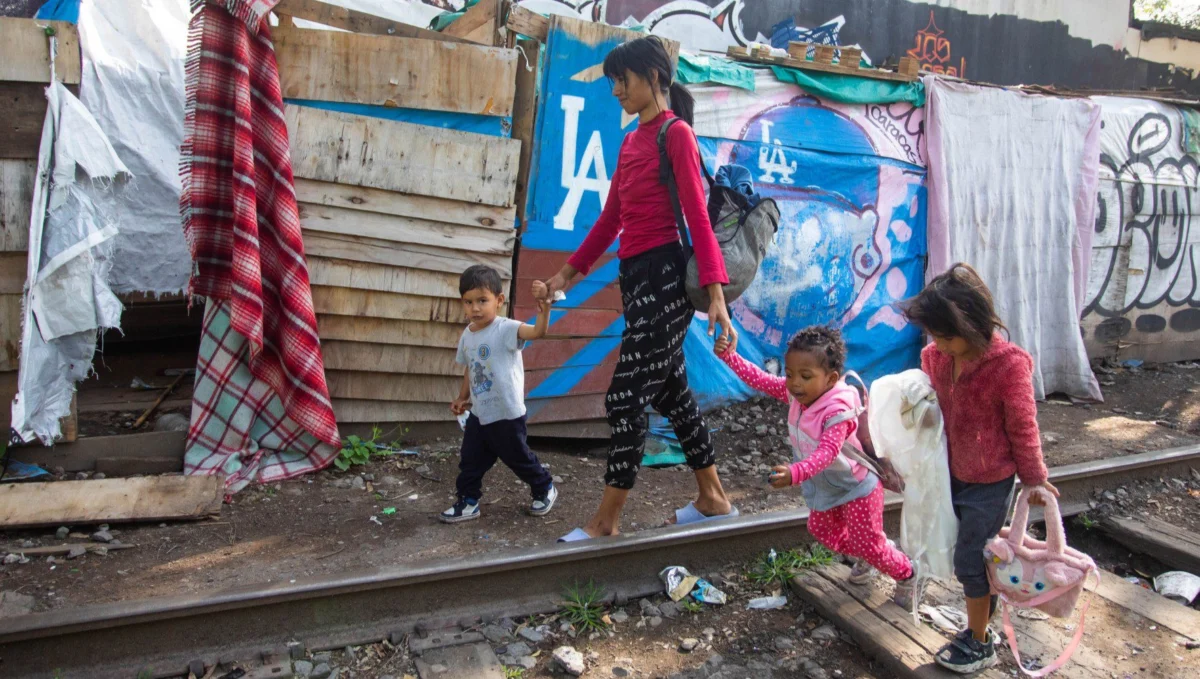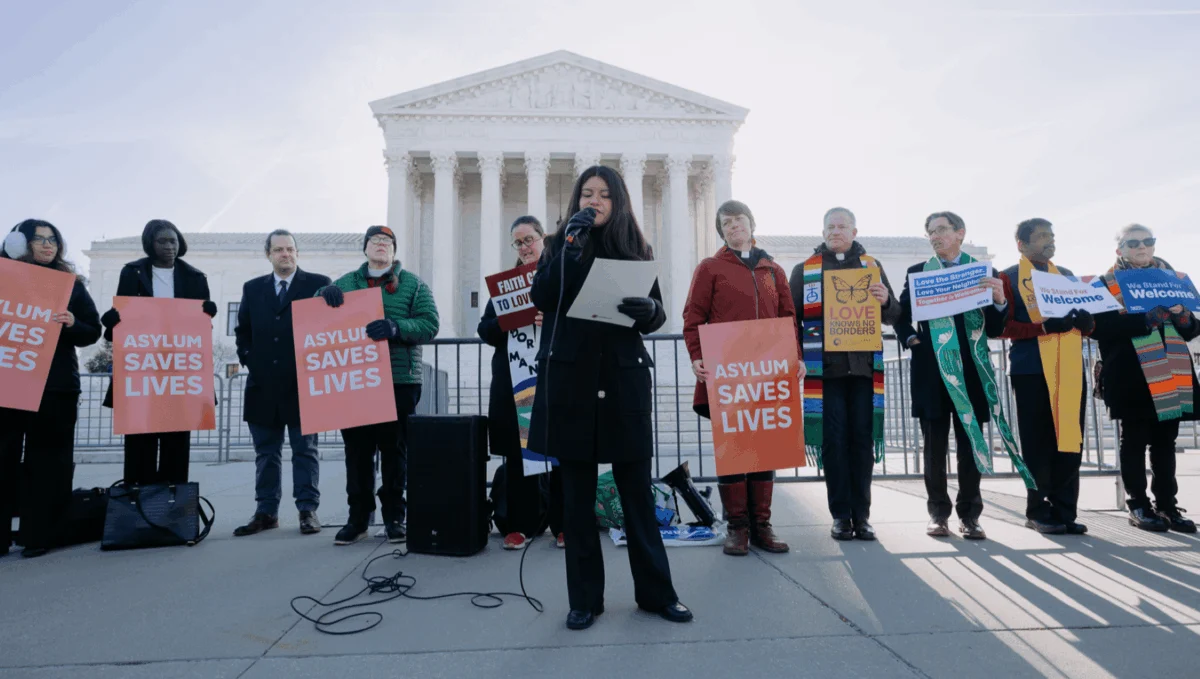
The United States, on the cusp of celebrating its 250th anniversary of independence on July 4, 2026, stands as a testament to a profoundly complex immigration history. From its foundational years, marked by the simultaneous welcome of European settlers, the displacement of Indigenous peoples, and the brutal imposition of slavery, to its present-day status as one of the world’s most diverse nations, the U.S. has navigated a continuous and often turbulent evolution of its immigration policies. This journey has been characterized by alternating periods of open-armed embrace and stark xenophobia, a dynamic that continues to shape the nation’s identity and its relationship with those seeking refuge and opportunity. HIAS, the world’s oldest refugee organization, has been a steadfast witness and active participant in this unfolding narrative for over 145 years, advocating for the displaced and championing the enduring promise of America as a beacon of hope.
A Foundation Built on Contradictions: Pre-1776
Long before the Declaration of Independence in 1776, the North American continent was a landscape of diverse indigenous populations. European colonization, beginning in the early 17th century, introduced a dual legacy: the general encouragement of European immigration to establish colonies, often with minimal restrictions for those who could afford passage, and the devastating, forced displacement of Native Americans. European powers actively pursued policies that led to the decimation of indigenous communities through disease, violence, and the systematic seizure of ancestral lands. Simultaneously, the horrific transatlantic slave trade forcibly brought hundreds of thousands of Africans to the colonies, their labor forming the bedrock of the nascent economy. This foundational period established a pattern of selective welcome for some while brutally marginalizing and dispossessing others, a contradiction that would echo throughout American history.
Expansion and Exclusion: 1776-1880
Following the formal establishment of the United States, the nascent federal government began to codify its approach to nationhood and belonging. The Naturalization Act of 1790, for instance, stipulated that only "free white persons" could become U.S. citizens, laying a legal framework for racial exclusion. The Alien Enemies Act of 1798 further empowered the federal government to detain and deport non-citizens deemed threats during times of war, a precursor to later national security-driven immigration controls.
The westward expansion of the United States was inextricably linked to further displacement of Indigenous peoples. The Indian Removal Act of 1830 facilitated the forced relocation of thousands of Native Americans from their homelands, a policy that culminated in devastating events like the Trail of Tears. The Mexican-American War of the mid-1840s resulted in the U.S. acquiring vast territories, and with them, the citizenship of existing Mexican populations. The abolition of slavery following the Civil War brought about a monumental shift, with the 14th Amendment granting citizenship to formerly enslaved people and establishing the principle of birthright citizenship for those born in the U.S. This principle would later become a cornerstone for generations of immigrant families seeking to build a future in America.
By 1880, immigrants constituted approximately 13.3 percent of the U.S. population, a figure comparable to contemporary levels. This demographic shift coincided with the emergence of significant anti-immigrant sentiment. The Know-Nothing Party, a nativist political movement of the 1840s, campaigned on a platform of white Christian nationalism, signaling the beginning of organized resistance to growing diversity. Despite these tensions, millions of immigrants, primarily from Europe, arrived in the U.S. during the nation’s first century, with a growing contingent from Asia, particularly China, who would soon face the first major wave of federal immigration restrictions.
The Gates Begin to Close: 1881-1920

The year 1882 marked a pivotal moment with the passage of the Chinese Exclusion Act, the first federal law to broadly prohibit immigration from a specific country. This legislation signaled a shift towards a more restrictive immigration regime, initially targeting Chinese laborers but soon expanding to include Japanese and Korean immigrants. By the late 1930s, virtually all Asian immigration was severely curtailed, a policy that would persist until the Immigration and Nationality Act of 1965.
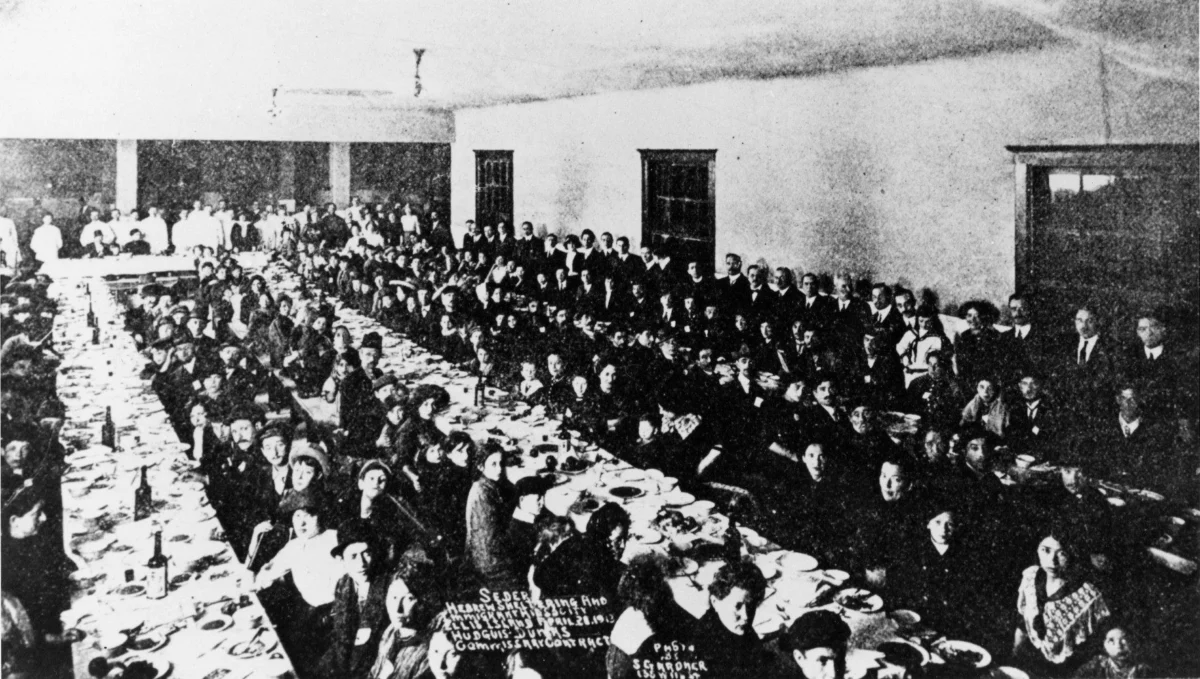
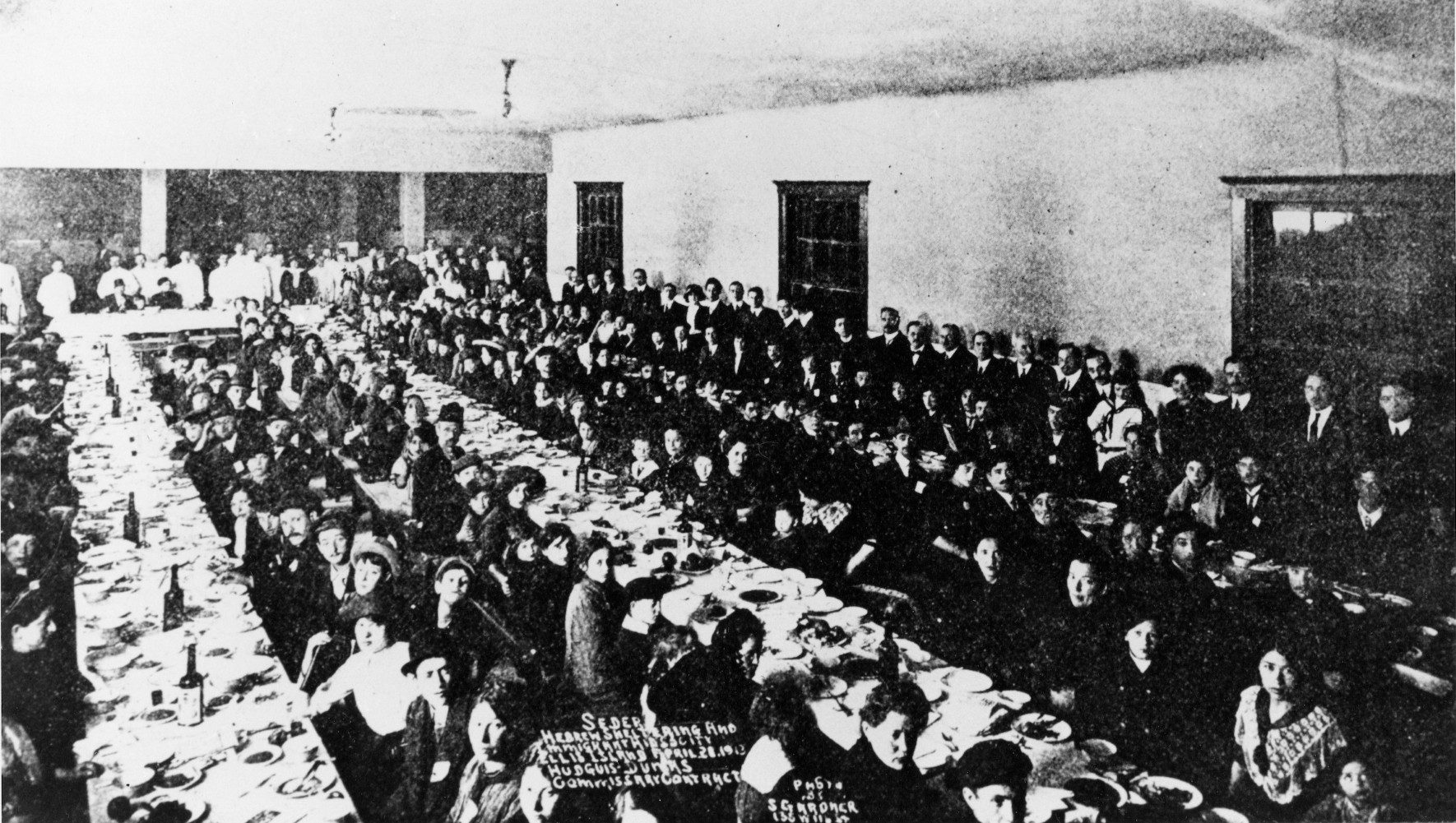
This era also witnessed the profound impact of persecution on Jewish communities in Eastern Europe. Pervasive antisemitism and violent pogroms forced millions of Jews to seek refuge. It was against this backdrop that HIAS, then known as the Hebrew Immigrant Aid Society, began its crucial work, formally incorporating in 1903. While the concept of international refugee law was still nascent, HIAS provided essential support—meals, transportation, and job assistance—to the burgeoning Eastern European Jewish population arriving at ports like Ellis Island, which became the primary immigration processing station in 1892. HIAS rapidly gained international recognition as an organization founded by Jewish refugees for the aid of fellow Jewish refugees.
Federal immigration policies continued to evolve, with the Immigration Act of 1891 centralizing enforcement and expanding the categories of inadmissible individuals. Subsequent acts in 1903 and 1917 further tightened restrictions, banning immigration from most of Asia and the Middle East, increasing admission fees, and introducing literacy tests. Between 1890 and the end of World War I, over 18 million people immigrated to the U.S., primarily from Italy and Eastern Europe. The outbreak of World War I saw a surge in Jewish immigration from Eastern Europe, with over 138,000 arriving in 1914 alone. Despite this influx, anti-immigrant sentiment intensified, fueling "Americanization" campaigns that often discouraged the use of non-English languages.
Quotas, Detention, and the Retreat from Welcome: 1921-1950
The period following World War I saw the implementation of a quota system designed to drastically limit immigration, particularly from Southern and Eastern Europe. The Emergency Quota Act of 1921 and subsequent legislation, such as the Immigration Act of 1924, restricted the number of immigrants from each country to two percent of the total population of that nationality recorded in the 1890 U.S. Census. This system disproportionately favored immigrants from Western Europe, severely curtailing entry for Jewish refugees fleeing persecution.
In 1924, Indigenous Americans were finally granted U.S. citizenship, a landmark achievement that recognized their inherent right to belong in the land of their ancestors. However, the era also saw the establishment of U.S. Border Patrol in the 1920s, initially focused on Chinese immigration but soon expanding its mandate to include the apprehension and deportation of Mexican immigrants, including U.S. citizens.
The impact of these restrictive policies was dramatic. U.S. immigration numbers plummeted by 90 percent between 1924 and 1940. Facing an increasingly inhospitable environment, HIAS established a European branch to assist those unable to find refuge in the United States. In the years leading up to and during World War II, HIAS played a critical role in helping approximately 250,000 individuals escape Nazi persecution.
The exigencies of World War II brought further complexities. While the U.S. maintained stringent immigration quotas, a dark chapter unfolded with the internment of 120,000 Japanese Americans, a policy that continues to draw parallels to contemporary detention practices. In 1943, the Chinese Exclusion Act was finally repealed, granting Chinese Americans the right to citizenship. Post-war, HIAS was instrumental in the resettlement of approximately 150,000 displaced persons from European camps to communities across the U.S.
The Refugee Convention and a Shift Towards Reform: 1951-1970
The aftermath of World War II and the global reckoning with the Holocaust led to the landmark 1951 Refugee Convention, which established the framework for international refugee law. While the U.S. did not immediately ratify the convention, it began to ease some immigration restrictions through a series of laws in the 1950s, admitting hundreds of thousands of refugees.
The Bracero Program, initiated in 1942 and lasting until 1964, brought 4.5 million Mexican laborers to the U.S. to address wartime labor shortages. However, this period also saw the controversial "Operation Wetback" in the 1950s, which led to the deportation of thousands of Mexicans.
The Cuban Revolution of 1959 triggered a significant wave of refugees, with over 200,000 Cubans fleeing to the U.S. between 1959 and 1962. HIAS provided crucial assistance to thousands of Cuban Jews during this period, as well as to Jewish refugees fleeing persecution in Hungary, Egypt, Algeria, Libya, Morocco, Czechoslovakia, and Poland throughout the 1950s and 1960s.
A monumental shift in U.S. immigration policy occurred in 1965 with the passage of the Immigration and Nationality Act. Driven by the persistent advocacy of HIAS and other organizations, this legislation dismantled the discriminatory national origins quota system. It replaced it with a framework that prioritized family reunification, skilled workers, and refugees, laying the groundwork for a more equitable immigration system.
Expanding Horizons and Codifying Rights: 1971-2000
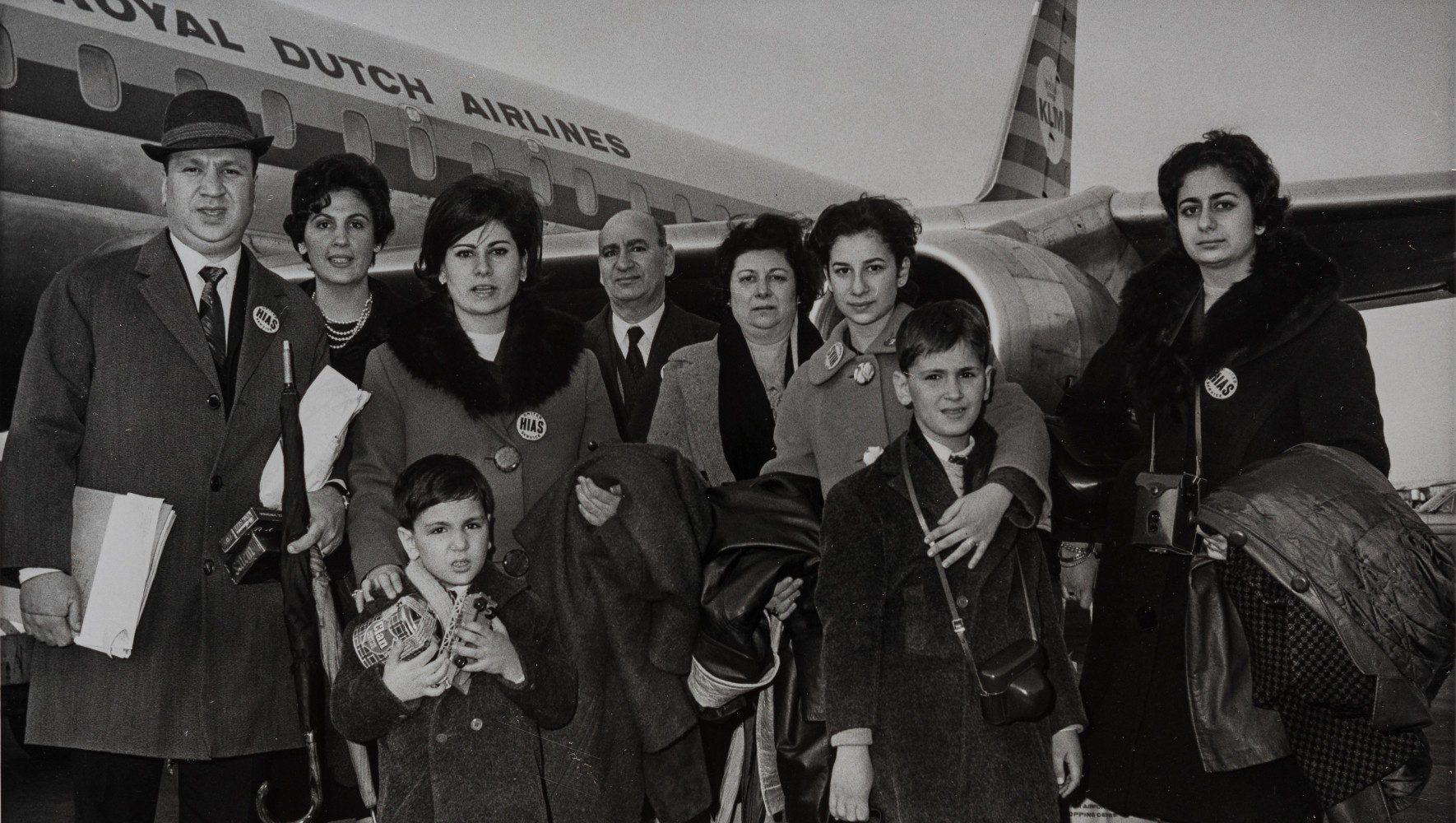
The mid-1970s saw HIAS expand its mission beyond assisting Jewish refugees. In 1975, the organization was called upon to assist with the resettlement of Vietnamese, Cambodian, and Laotian refugees fleeing the aftermath of the Vietnam War. This marked a significant departure, demonstrating HIAS’s growing capacity to serve diverse refugee populations. The Iranian Revolution later led HIAS to facilitate the resettlement of thousands of Persian Jews with family ties in the U.S. From 1979 onwards, HIAS played a vital role in the migration of over 400,000 Jews from the former Soviet Union to the United States and other countries.
A critical development in refugee protection came in 1980 with President Jimmy Carter’s signing of the Refugee Act. This legislation codified the right to asylum in U.S. law and established a formal process for resettling refugees in the U.S., fostering partnerships between the government and private resettlement agencies, including HIAS.
The latter decades of the 20th century saw further evolution of the U.S. immigration system. The Immigration Reform and Control Act of 1986 offered amnesty to undocumented immigrants already in the U.S. but also introduced employer sanctions and increased funding for border enforcement. The Immigration Act of 1990 raised legal immigration ceilings, formalized skilled worker visas, and created Temporary Protected Status (TPS) for individuals fleeing crises. The Illegal Immigration Reform and Immigrant Responsibility Act of 1996, however, expanded immigration enforcement and introduced expedited removal procedures, signaling a renewed emphasis on control.
The Return of Xenophobia and the Erosion of Protections: 2001-Present
The September 11, 2001, terrorist attacks profoundly reshaped U.S. immigration policy. The creation of the Department of Homeland Security in 2002 consolidated immigration enforcement agencies, and the Secure Fence Act of 2006 initiated a significant expansion of physical barriers along the U.S.-Mexico border. As congressional action on comprehensive immigration reform stalled, executive actions increasingly influenced the landscape of immigrant and refugee rights.
The Deferred Action for Childhood Arrivals (DACA) program, established by the Obama administration in 2012, provided protection from deportation for young people who arrived in the U.S. as children. However, this program has faced significant challenges and diminishment under subsequent administrations.
The Trump administration implemented severe restrictions on immigration and refugee admissions. These included a travel ban targeting several Muslim-majority countries, aggressive deportation campaigns, the dismantling of protected pathways like TPS, the undermining of the right to asylum, and a drastic reduction in the U.S. Refugee Admissions Program. While the Biden administration has reversed some of these policies, others have persisted, highlighting the ongoing challenges and political divisions surrounding immigration.
Despite this often hostile environment, HIAS has remained a steadfast advocate for refugees and immigrants. Supported by a nationwide network of allies, the organization continues to champion fair and humane immigration policies while providing essential services to those in need.
Today: A Contested Promise
As the United States approaches its 250th anniversary, the nation confronts a critical juncture in its immigration history. Xenophobic policies have inflicted significant hardship on refugee and migrant communities, making HIAS’s mission to welcome the stranger and protect the refugee more urgent than ever. The organization’s long history of adaptation and resilience positions it uniquely to navigate the complex challenges of today. Looking towards the future, HIAS remains committed to fighting for the rights of refugees and immigrants, striving to ensure that the enduring promise of America as a land of opportunity and refuge is a reality for all.