April 23, 2026
By HIAS Staff
Panama, a nation strategically positioned at the confluence of two continents, has historically served as a vital transit point for individuals navigating between North and South America. This geographical advantage continues to define its role in the contemporary landscape of migration, where it functions not only as a crucial crossing point but also as a host country for a significant and growing population of refugees, displaced persons, and migrants across the Latin American region. Even as immigration policies evolve and fluctuate throughout the Western Hemisphere, the urgent need for humanitarian assistance persists for thousands of people on the move, particularly in critical border regions such as Darién, Chiriquí, and Colón. Since its establishment in 2010, HIAS Panama has been instrumental in providing support to a multitude of refugees, asylum seekers, and displaced individuals, underscoring the persistent humanitarian challenges within the country.
The Evolving Face of Migration in Panama
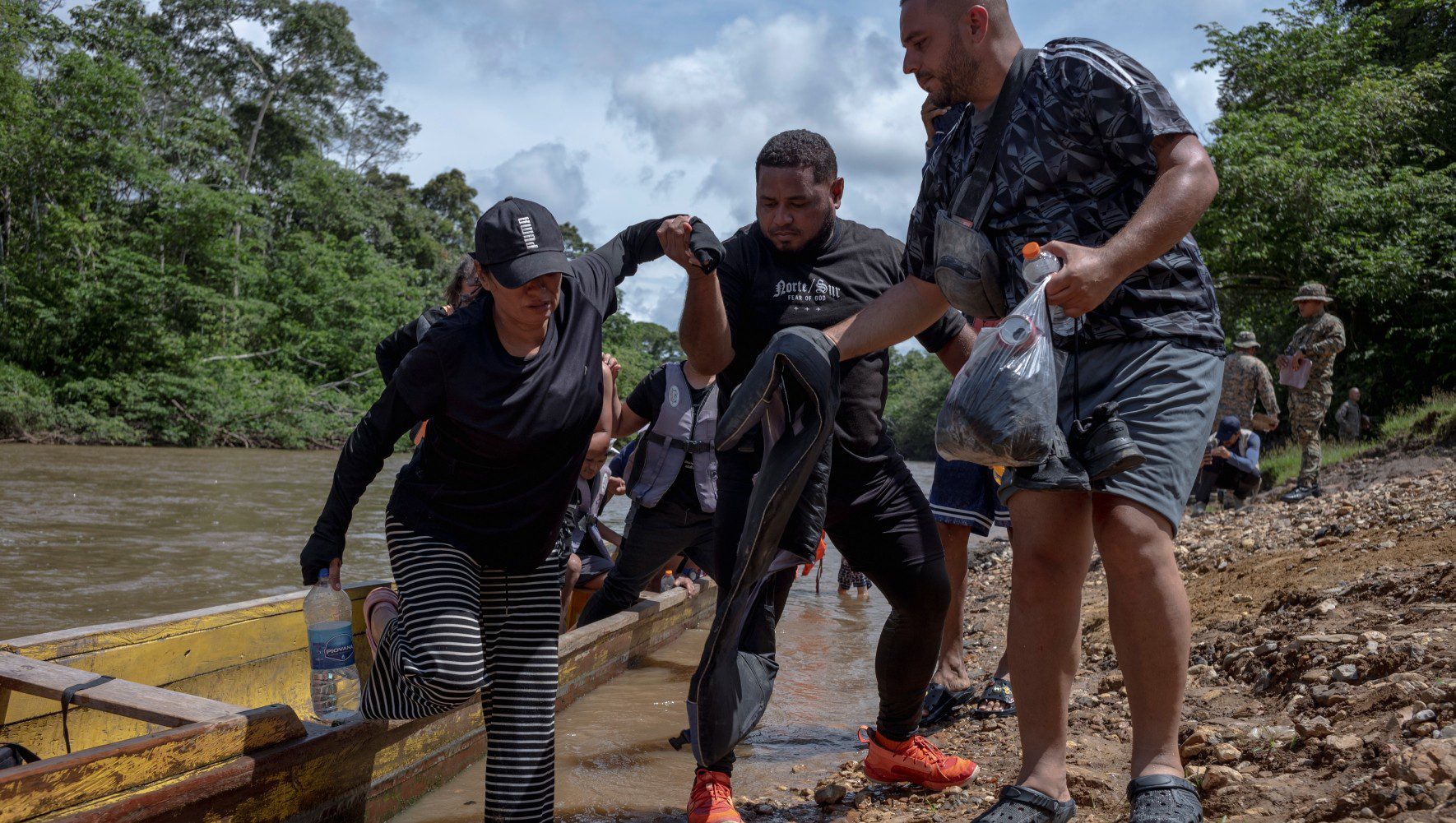
In the year 2025, Panama found itself hosting a substantial population of over 155,000 displaced individuals. This figure encompasses more than 5,000 recognized refugees and an additional 36,500 individuals who have sought asylum. The primary origin of those requiring protection in Panama is Venezuela, with a significant proportion of others hailing from various nations across Central America. For an extended period, the predominant migration flow saw thousands of refugees and migrants journeying northward from the southern reaches of Latin America towards the United States. The sheer scale of this movement was starkly illustrated in 2023 alone, when an estimated half a million individuals traversed the perilous Darién Gap, the dense jungle separating Colombia from Panama. This treacherous path is fraught with dangers, including formidable wildlife, endemic diseases, and the pervasive threat of violent human trafficking networks.
However, a notable shift in migration patterns began to emerge over the past year. Influenced by evolving U.S. asylum and immigration policies, a trend of "reverse migration" has taken hold. Thousands of individuals are now undertaking journeys southward, reversing the historical flow. This significant alteration in migration dynamics presents a unique set of challenges, particularly as many humanitarian organizations that were once active along these routes have scaled back their operations or withdrawn entirely. HIAS stands as one of the few organizations that continues to provide essential services to individuals in transit, adapting its mission to meet the evolving needs of those on the move.
The Unabated Perils of the Journey
Despite the shift in direction, the southward migration route is by no means less perilous than its northward counterpart. Migrants undertaking this journey often fall prey to criminal groups who demand exorbitant sums of money for passage from countries like Honduras towards Panama. The arduous travel is characterized by severe hardships, including inadequate shelter, a critical scarcity of potable water, limited access to basic services, persistent food insecurity, and a profound lack of financial resources for the return journey home. The psychological toll of these experiences is immense, with many individuals arriving at their destinations deeply traumatized.
These profound challenges are exacerbated by a significant reduction in humanitarian aid. Substantial cuts to humanitarian assistance by the U.S. government have led to the withdrawal of many aid organizations that were previously present along the migration routes. HIAS itself has not been immune to these funding reductions, yet the organization remains committed to its mission. HIAS Panama has maintained a steadfast presence at key crossing points, diligently providing protection services, vital mental health care, and emergency financial assistance for essential needs such as food, shelter, and medical treatment. This sustained effort is crucial in mitigating the immediate suffering of those displaced.
Legal Frameworks and Practical Obstacles
Panama’s commitment to protecting displaced populations is formally recognized through its ratification of the 1951 Refugee Convention and its 1967 Protocol in 1978. The country’s legal definition of a refugee aligns closely with the Convention’s stipulations. Furthermore, Panama has extended its protections to individuals fleeing sexual and domestic violence, as well as those seeking refuge from persecution for defying societal norms and customs.
However, the practical implementation of these rights within Panama’s asylum system can present considerable difficulties. Current administrative backlogs and established application timelines often result in protracted delays in obtaining refugee status and work permits. These delays can significantly increase the vulnerability of individuals and families, particularly dependent family members who may not receive identification documents promptly. While ongoing efforts are being made to improve the recognition of documents across various institutions and to ensure continued support during these waiting periods, some authorities still exhibit a lack of full recognition for these crucial documents, creating persistent bureaucratic hurdles.
HIAS, in collaboration with its partners, actively works to provide essential legal information and assistance to refugees and asylum seekers. The organization advocates for a more equitable and efficient asylum system, aiming to reduce existing backlogs and expand pathways to protection for those in need. This advocacy is critical in ensuring that legal frameworks translate into tangible protections for vulnerable populations.
HIAS’s Enduring Commitment to Support
HIAS has been a consistent presence in Panama, offering support to refugees and displaced individuals since 2010. The organization’s comprehensive programs encompass a range of crucial services, including protection services, mental health care, and the promotion of economic opportunities. These initiatives are designed to empower refugees, asylum seekers, and migrants, enabling them to build dignified and sustainable livelihoods that foster self-reliance.
Through strategic partnerships with local communities and non-governmental organizations, HIAS actively cultivates integration and establishes safe spaces where refugees and host community members can collaborate on community projects and collectively address shared challenges. This community-centered approach is vital in building resilient societies and fostering mutual understanding. For those seeking to understand the depth of HIAS’s involvement, further information on their work in Panama is readily available on their official website.
Broader Implications and Future Outlook
The evolving migration dynamics in Panama have significant implications for regional stability and humanitarian efforts. The increased reliance on southward migration routes, coupled with the reduction in aid, creates a critical vacuum that organizations like HIAS are striving to fill. The protracted delays in asylum processing and the lack of consistent document recognition underscore the systemic challenges that require sustained attention and reform.
The resilience of displaced populations in the face of such adversity is remarkable, yet their continued vulnerability necessitates a coordinated and robust response from international bodies, national governments, and civil society organizations. The situation demands not only immediate humanitarian aid but also long-term strategies that address the root causes of displacement and promote durable solutions, including safe and legal pathways for migration, enhanced protection mechanisms, and the fostering of inclusive societies where both refugees and host communities can thrive. The ongoing commitment of organizations like HIAS, despite funding challenges, serves as a beacon of hope for thousands of individuals navigating uncertain futures at this critical crossroads of the Americas.