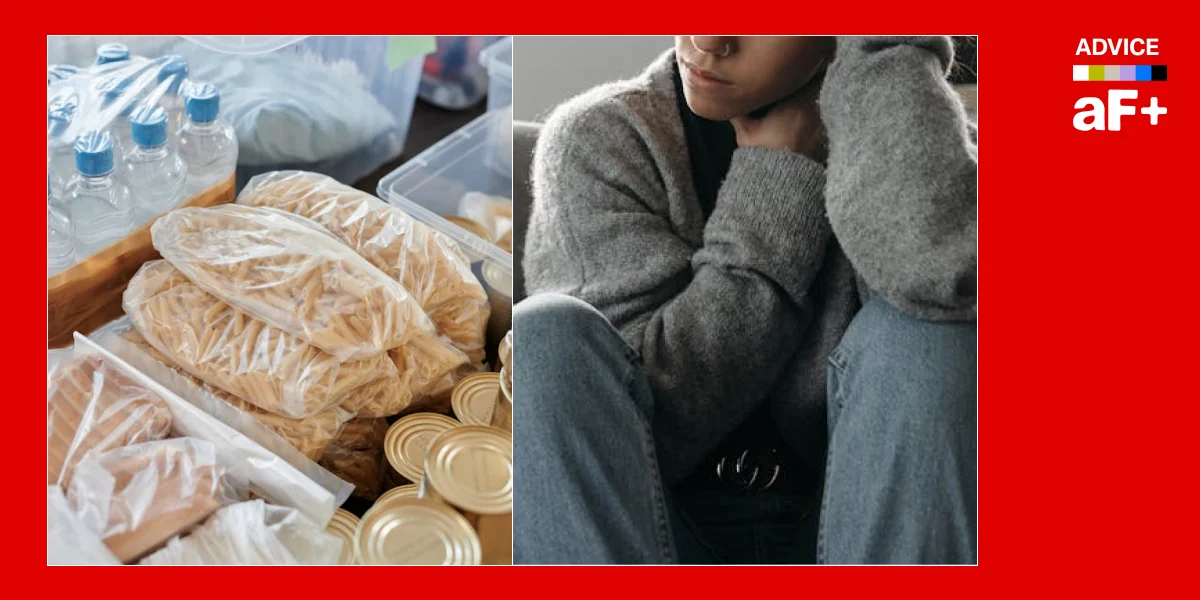
The landscape of community-led social safety nets has undergone a radical transformation over the past five years, moving from emergency response frameworks to long-term, often underfunded, support systems. As federal and local governmental aid has fluctuated, queer and transgender mutual aid projects have stepped in to fill critical gaps in healthcare, housing, and food security. However, recent reports from organizers on the ground indicate a growing crisis of sustainability, characterized by severe psychological burnout, lateral violence within marginalized communities, and the logistical complexities of maintaining grassroots infrastructure without institutional support.
The Rise and Strain of Mutual Aid Infrastructure
Mutual aid, a term popularized by scholars and activists like Dean Spade, refers to a form of political participation where people take responsibility for caring for one another and changing political conditions. Unlike traditional charities, mutual aid is based on the principle of solidarity rather than hierarchy. Since the onset of the COVID-19 pandemic in 2020, thousands of these projects have emerged globally. In the United States, queer and trans-led initiatives have been particularly vital, providing gender-affirming care funds, grocery deliveries, and safe social spaces.
Despite their success, many of these projects are managed by volunteers who also maintain full-time employment. A case study of a contemporary organizer reveals a pattern of "compassion fatigue" that has become endemic to the sector. This individual, who has managed a queer/trans mutual aid project for several years alongside a professional career, reports a level of exhaustion that has led to a desire for total withdrawal from community life. The primary stressors identified are not the labor of providing aid itself, but the "constant feedback loop" of criticism and the high expectations of the beneficiary community.
Analysis of Lateral Violence and Community Expectations
A significant factor contributing to the dissolution of grassroots projects is the phenomenon of lateral violence—displaced aggression directed toward peers within a marginalized group rather than toward the systemic forces of oppression. Organizers report being subjected to "mean-spirited blowback" for logistical failures outside of their control, such as venue cancellations or vendor errors.
In one instance, an organizer reported being "railed at" for collaborating with individuals based on their alleged interpersonal history, or for failing to meet exhaustive dietary and accessibility requirements at events. While feedback regarding accessibility—such as the inclusion of American Sign Language (ASL) interpreters—is recognized as vital and constructive, the accumulation of "impossible" demands and personal vitriol has created a toxic environment for many volunteer leaders.
Data from sociological studies on activist burnout suggests that those who attempt to "do something" are often held to a standard of perfection that is not applied to those who remain inactive. This creates a paradox where the most dedicated community members are targeted for their imperfections, leading to a "sense of losing self" and a deterioration of personal relationships.
The Psychological Impact on Organizers
The mental health implications for those at the helm of mutual aid projects are profound. The transition from being a "better parent, partner, and friend" to being a target of digital harassment in direct messages (DMs) highlights the invasive nature of modern community organizing. Experts in community resilience, including advocates Summer, Valerie, and Nico, suggest that the current model of "setting oneself on fire" for community appreciation is unsustainable.
Key psychological indicators of burnout in this context include:
- Idealization of Escapism: Dreaming of "ghosting" one’s entire life to escape the pressures of community leadership.
- Moral Guilt: The belief that walking away from a project constitutes a "moral failure" or a betrayal of one’s duty to humanity.
- Identity Erosion: The feeling that the project has stripped the individual of their personal interests and well-being.
Strategies for Sustainable Community Care
To combat this trend, community advocates are calling for a shift in how mutual aid is structured and perceived. The consensus among social observers is that community care must include the care of the organizer. Several strategies have been proposed to mitigate burnout and ensure the longevity of aid projects:
The Hiatus and Healing Model
Advocates suggest that a hiatus is often necessary to "fill the cup" of those who have poured energy into the community. Temporary withdrawal allows for reflection on the positive impacts of the work rather than the criticisms.
Decentralization and Succession Planning
Rather than a single individual bearing the weight of a project, decentralized models allow for the "passing of the torch." If no successors are available, the dissolution of a project is not viewed as a failure but as the natural end of a lifecycle. As one analyst noted, mutual aid projects often shutter when capacity is reached, only for new projects to emerge from the lessons learned.
Prioritizing Personal Stability
There is a growing movement to reject the "martyrdom" aspect of activism. Prioritizing one’s family and immediate personal health is increasingly viewed as a prerequisite for effective community work. The "oxygen mask" metaphor—securing one’s own safety before assisting others—is now being applied to social justice frameworks.
Logistical Challenges in Personal Relationships and Physical Ergonomics
The strain of community organizing often bleeds into the private lives of activists, where the need for practical, grounded solutions becomes paramount. Beyond the psychological toll, organizers and community members alike face logistical challenges in their personal lives that require the same level of creative problem-solving as their public-facing work.
In the realm of interpersonal relationships, physical logistics and ergonomics have emerged as a topic of significant interest. For example, couples with significant physical differences—such as a notable height disparity—often require "infrastructure" to facilitate intimacy and comfort. This mirrors the broader mutual aid ethos: identifying a problem, seeking community advice, and implementing practical tools to overcome barriers.
Ergonomic Solutions for Intimacy
Experts in physical accessibility suggest several interventions for couples facing logistical hurdles in their private lives:
- Structural Adjustments: Utilizing furniture risers to adjust the height of beds to a more accessible elevation.
- Supportive Propping: The use of thick pillows or specialized cushions to adjust angles and provide stability.
- Inclusive Design: Applying the principles of universal design to the home environment to ensure that physical differences do not become barriers to connection.
These private logistical adjustments are a microcosm of the larger organizational challenges faced by mutual aid groups. Both require a move away from "perfect" ideals and toward "functional" reality.
The Broader Impact and Future Implications
The current state of activist burnout serves as a warning for the future of grassroots movements. If the "venom" directed at organizers continues unabated, the pool of individuals willing to lead such projects will inevitably shrink. This could lead to a total reliance on institutionalized non-profits, which are often criticized for being less responsive to the specific needs of marginalized populations.
Furthermore, the "invisible audience" of critics mentioned by organizers suggests that digital spaces have amplified the pressure to perform "perfect" activism. For mutual aid to survive, there must be a cultural shift toward "grace and sustainability."
Conclusion: Redefining "Duty" in the Modern Era
The question of whether it is "terrible to walk away" from community service is being answered with an emphatic "no" by modern social theorists. The duty to help one’s community is increasingly being balanced against the duty to preserve one’s own humanity. As mutual aid projects continue to evolve, the focus is shifting from "how much can we provide?" to "how can we provide in a way that doesn’t destroy us?"
By acknowledging the reality of burnout and the validity of personal boundaries, the queer and trans community may find a path toward a more resilient form of solidarity—one that values the person behind the project as much as the project itself. The future of community care lies not in the exhaustion of the few, but in the sustainable contribution of the many, supported by a culture of appreciation and realistic expectations.