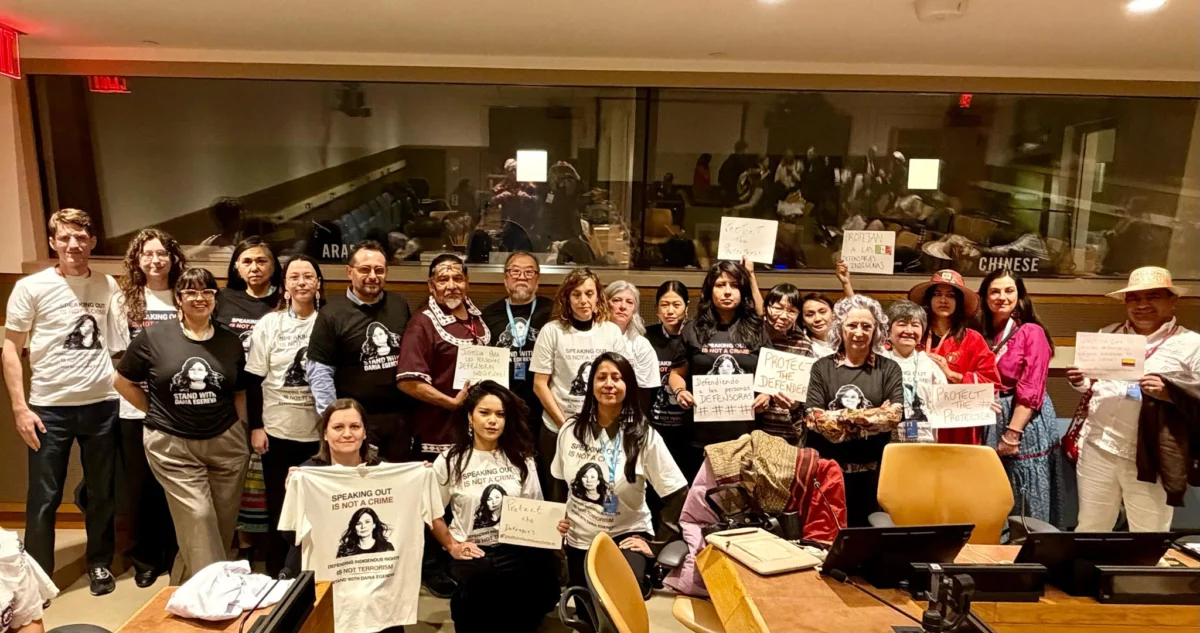
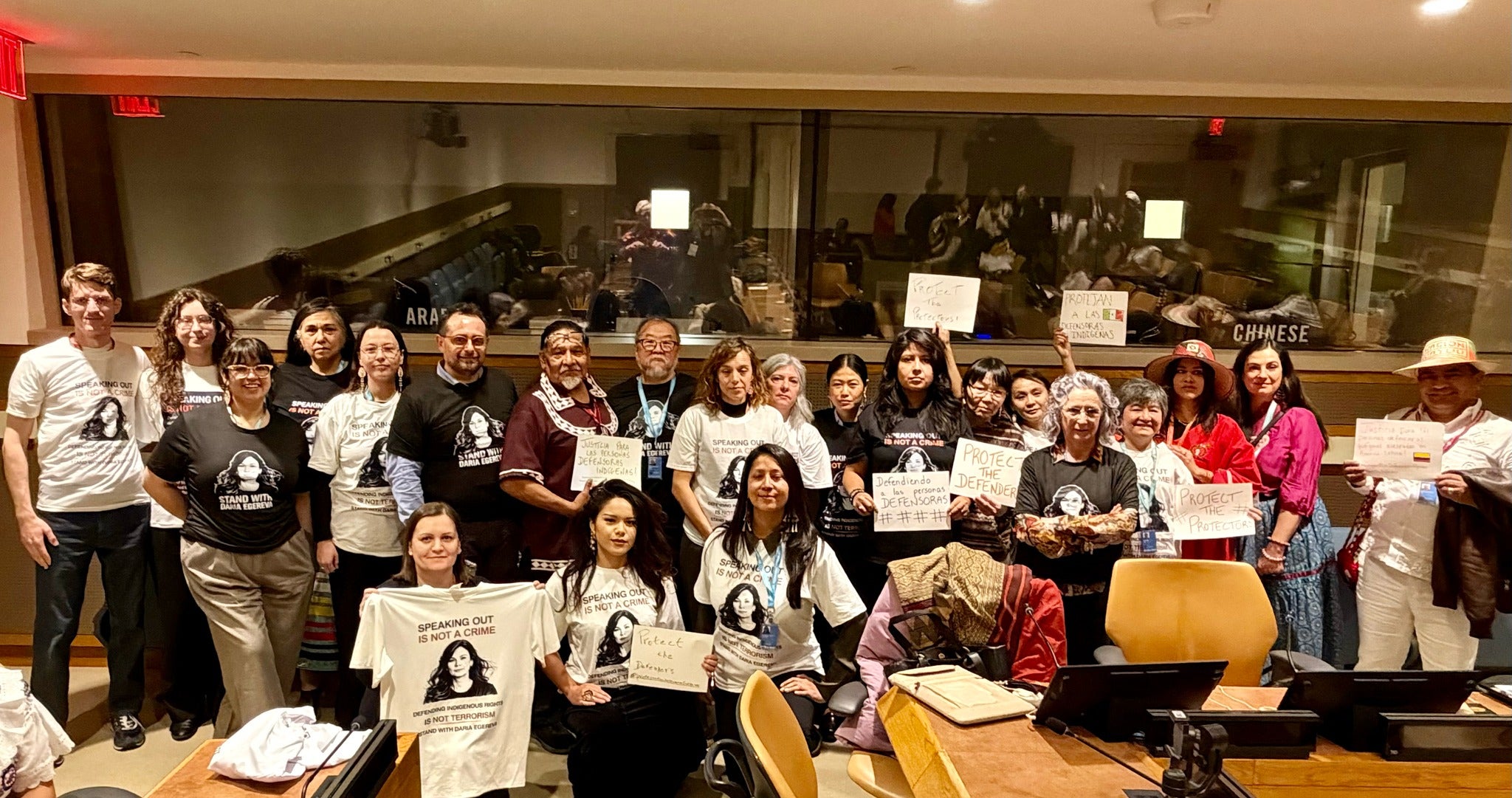
A crucial event held on the sidelines of the 25th session of the UN Permanent Forum on Indigenous Issues has shed stark light on the escalating repression faced by activists representing Indigenous small-numbered peoples. Participants issued urgent calls for international intervention, asserting that in numerous countries, including the Russian Federation, the act of defending human rights is increasingly being conflated with criminal offenses. The gathering, strategically titled "Repressions against Indigenous Human Rights Defenders: Misapplication of Security Legislation and Restrictive Laws," was a joint initiative by the Batani International Foundation for the Development of Indigenous Peoples and the International Committee of Indigenous Peoples of Russia, aiming to amplify the voices of those facing severe challenges.
A Decade and a Half of Institutional Control in Russia
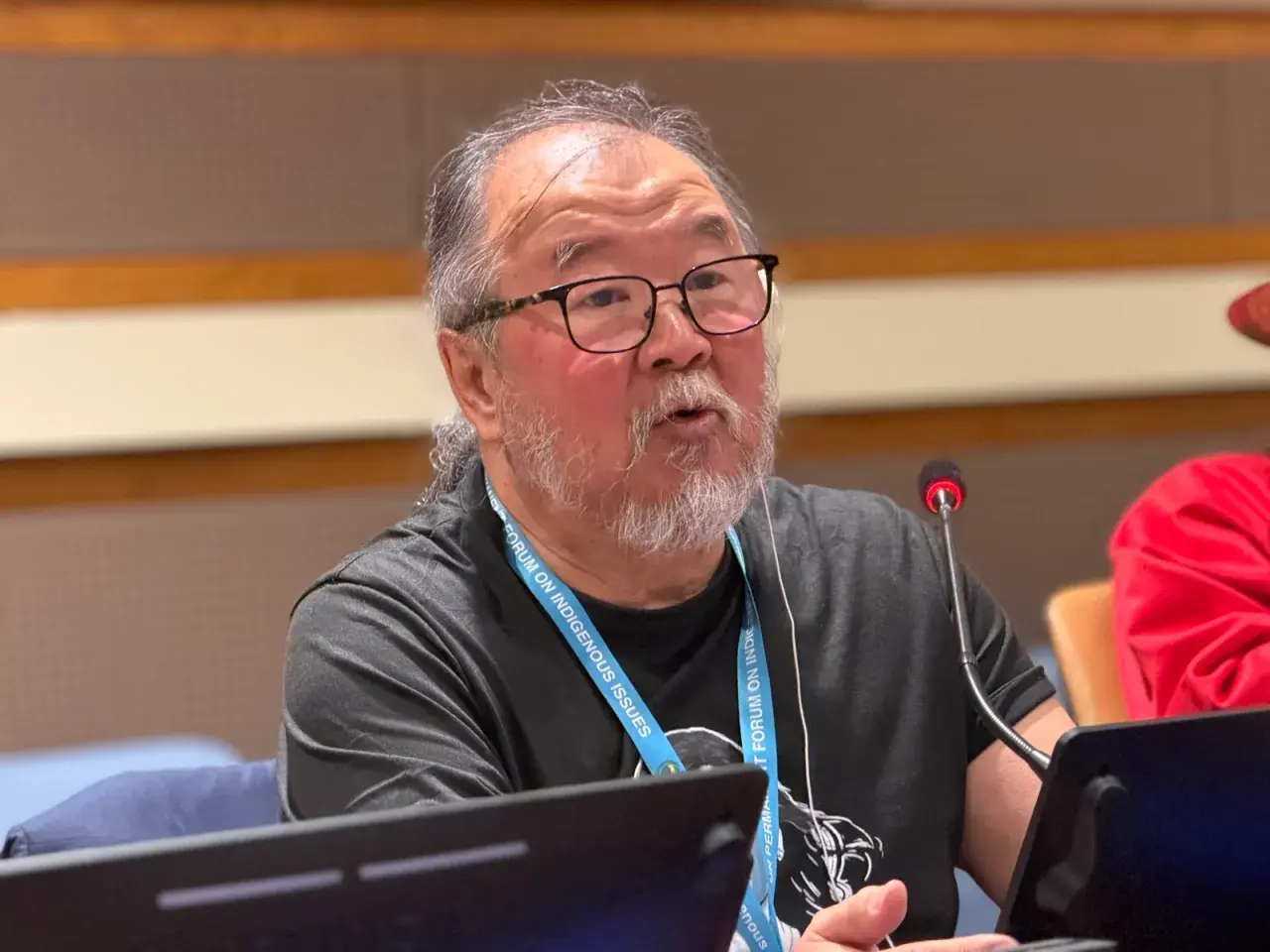
Pavel Sulyandziga, the Chair of the Batani Foundation, articulated a grim assessment of the situation in Russia during his address. He detailed a systematic, fifteen-year effort by the state to dismantle independent Indigenous leadership. "Since 2010, a system of institutional control has been consistently built in Russia, aimed at destroying the independent leadership of Indigenous peoples," Sulyandziga stated, underscoring the deliberate nature of these actions. A pivotal moment in this alleged campaign, according to Sulyandziga, was the imposition of state control over the Russian Association of Indigenous Peoples of the North, Siberia, and the Far East (RAIPON). This move, he argued, effectively neutralized the independent human rights movement within these communities, leaving them more vulnerable to state pressure and less equipped to advocate for their rights.
The strategy appears to involve leveraging national security legislation and increasingly restrictive laws to criminalize legitimate advocacy. This tactic, as highlighted by the event’s title, suggests a deliberate misapplication of laws designed for national security purposes to suppress dissent and stifle legitimate human rights work. The objective, speakers implied, is to create an environment where defending ancestral lands, cultural practices, and fundamental rights is perceived as a threat to state interests, thereby justifying punitive measures.
Global Patterns of Repression
The issue is not confined to Russia, as Aili Keskitalo, a member of the UN Permanent Forum on Indigenous Issues, pointed out. She emphasized the global nature of this trend, noting that "Criminal law is increasingly being used as a tool to suppress legitimate human rights activities. When participation in public life becomes dangerous, it indicates a deep systemic failure." Keskitalo’s observation suggests that the tactics employed in Russia may be part of a broader international pattern of authoritarian governments using legal frameworks to silence critical voices.
The implications of such a systemic failure are profound. When the very act of advocating for rights becomes a criminal offense, it erodes the foundations of democratic societies and undermines international human rights norms. It creates a chilling effect, discouraging individuals and communities from engaging in public discourse or seeking redress for grievances, thereby perpetuating injustice and inequality.

Testimonies of Persecution: The Case of the Tomsk Region
The forum heard poignant testimony from Olga Kostrova, an activist representing the Chulym people from Russia’s Tomsk Region. Her account of events on December 17, 2025, painted a disturbing picture of coordinated state action. She described a widespread wave of searches, interrogations, and detentions that swept across the country, targeting Indigenous rights defenders. "Today, human rights activism is effectively equated with a crime," Kostrova declared, her voice carrying the weight of firsthand experience. "People are not persecuted for crimes, but for defending their rights, land, and culture."
Kostrova asserted that the purpose of these actions is not only to intimidate but also to send a clear message: that even engaging with international bodies like the UN can lead to criminal prosecution. This serves as a potent deterrent, aiming to isolate Indigenous communities and prevent them from accessing global platforms for advocacy and support. She specifically referenced the cases of Daria and Natalia, implying they are not isolated incidents but part of a deliberate and broader campaign. "The cases of Daria and Natalia are not isolated incidents. They are part of a broader campaign of pressure on the independent human rights community. This is a signal to others: do not speak out, do not defend, do not speak," she implored, highlighting the suffocating atmosphere of fear being cultivated.

Furthermore, Kostrova drew attention to a significant gender dimension within this wave of repression. She noted that a substantial number of those targeted are women human rights defenders who are at the forefront of environmental protection efforts. This observation aligns with global trends where women often bear a disproportionate burden in defending their communities and environments, and are consequently subjected to heightened risks and persecution.
International Condemnation and Calls for Action
The international community’s response, as articulated at the forum, was one of strong condemnation and a clear demand for accountability. Sigrid Ina Simonsen, State Secretary of Norway, speaking on behalf of the Nordic countries, directly called on the Russian Federation to cease its persecution of human rights defenders immediately. "The increase in threats, intimidation, and repression against human rights defenders is deeply concerning and requires an international response," Simonsen stated, underscoring the gravity of the situation and the necessity of collective action.

Alicia Moncada, Director of Advocacy and Communications at Cultural Survival, characterized the criminalization of Indigenous rights defenders as a dangerous tool for legal exclusion. "Labeling human rights defenders as terrorists is a tool for excluding them from the legal framework and silencing their voices," Moncada explained. This framing highlights how governments can manipulate legal definitions and labels to delegitimize and isolate activists, stripping them of legal protections and public sympathy.
Joan Carling, Executive Director of Indigenous Peoples Rights International (IPRI), offered an even sharper analysis, asserting that the criminalization of Indigenous peoples is not about security but about control. "The criminalization of Indigenous peoples has nothing to do with security. It is a mechanism for controlling territories, resources, and political influence," Carling stated. This perspective connects the repression directly to economic and political interests, suggesting that efforts to silence Indigenous defenders are driven by a desire to exploit natural resources and maintain political dominance over Indigenous lands and peoples.

A Unified Call for International Intervention
In conclusion, participants at the UN hearing issued a comprehensive statement outlining specific demands for the international community. These calls for action aim to address the systemic nature of the problem and provide a framework for effective intervention:
- Cease the criminalization of Indigenous human rights defenders: This is a fundamental demand to halt the immediate practice of prosecuting individuals for their advocacy.
- Strengthen international monitoring and public pressure: The statement emphasizes the need for enhanced global scrutiny of the situation and the application of sustained public pressure on governments engaging in repressive practices.
- Ensure access to justice and protection mechanisms: It calls for the establishment and reinforcement of avenues through which Indigenous rights defenders can seek legal recourse and receive adequate protection.
- Bring national legislation into compliance with international human rights standards: This addresses the root cause of the problem by urging governments to align their domestic laws with universally recognized human rights principles.
The assembled activists and international representatives underscored the critical role of visibility and international attention in protecting those on the front lines of human rights defense. "Publicity is protection. International attention can save lives," they emphasized, delivering a stark warning that silence in the face of such systematic repression amounts to complicity. The event served as a critical platform to expose these grave human rights violations and galvanize a global response to safeguard the rights and safety of Indigenous peoples worldwide.