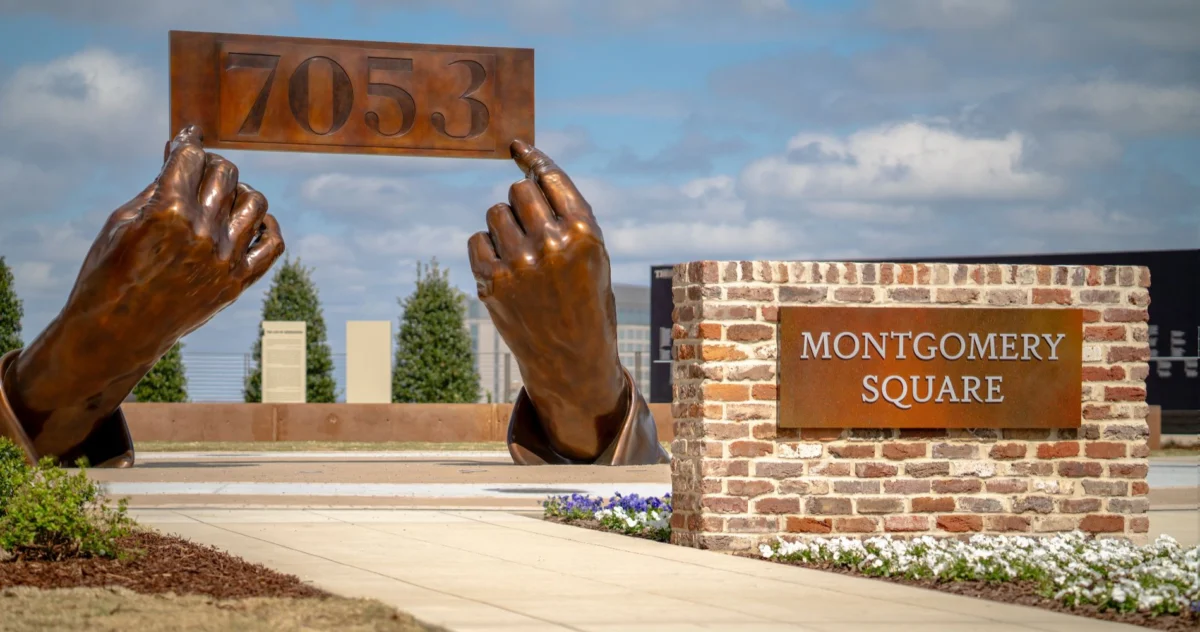
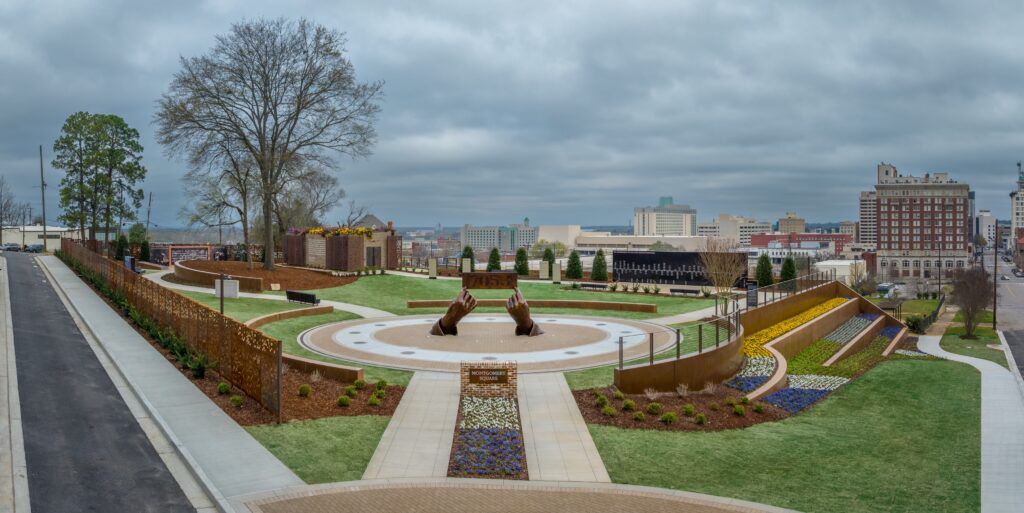
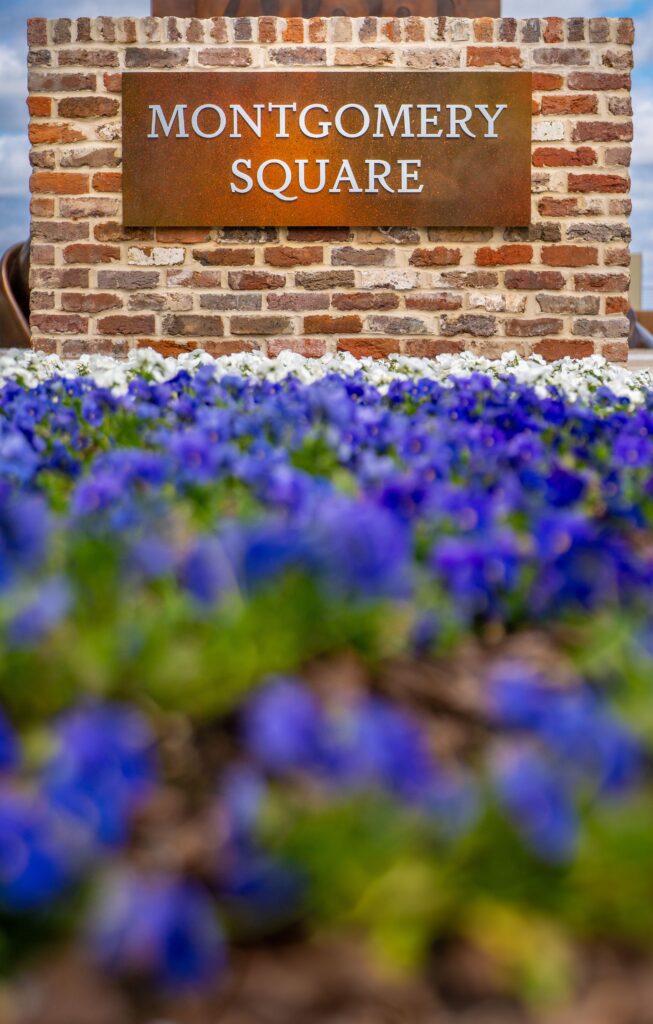
Montgomery Square, a powerful new outdoor site dedicated to the pivotal decade of the Civil Rights Movement from 1955 to 1965, has officially opened its doors in Montgomery, Alabama. This significant addition to the Equal Justice Initiative’s (EJI) network of Legacy Sites aims to illuminate the extraordinary courage and unwavering determination of Black residents who confronted racial injustice, igniting a movement that profoundly reshaped the United States and resonated globally. Located strategically adjacent to the Elevation Convening Center and Hotel, at the apex of Montgomery Street, the site holds immense historical resonance, marking the very thoroughfare where tens of thousands concluded the historic Selma to Montgomery March on March 25, 1965.
A New Landmark for Historical Remembrance
The establishment of Montgomery Square builds upon the foundation laid by EJI’s acclaimed Legacy Museum, National Memorial for Peace and Justice, and Freedom Monument Sculpture Park, all of which underscore the profound "power of place" in understanding historical narratives. Visitors to Montgomery Square are invited to literally walk in the footsteps of the trailblazing women, men, and children whose relentless bravery, often in the face of violent opposition, ultimately paved the way for landmark legislation like the Voting Rights Act of 1965. The site is designed to be an immersive educational experience, fostering a deeper understanding of the struggles and triumphs that defined this critical period.
Bryan Stevenson, EJI Director, expressed profound enthusiasm for the new site. "We are extremely excited to open this site, which explores how Montgomery created a new chapter for democracy and justice in America," Stevenson stated. He emphasized the far-reaching impact of the decade, noting, "The movement birthed by Montgomery’s residents in 1955, culminating in a triumphant march in 1965, changed the cultural, legal, social, and economic landscape of this nation." This new installation serves as a vital educational resource, ensuring that the sacrifices and achievements of this era are neither forgotten nor diminished. Admission to Montgomery Square is free, and no ticket is required, making this essential history accessible to all, with operating hours from 9 am to 6 pm, Wednesday through Monday.
The Crucible of Change: Montgomery’s Pre-1955 Landscape
To fully grasp the significance of the Montgomery decade, it is crucial to understand the deeply entrenched system of racial segregation and oppression that permeated life in the American South, and particularly in Montgomery, Alabama, prior to 1955. Jim Crow laws, a pervasive legal framework designed to enforce racial segregation and maintain white supremacy, dictated every aspect of public life. Black residents faced daily humiliations, discrimination, and the constant threat of violence. Public facilities, including schools, hospitals, restaurants, restrooms, and transportation, were rigidly segregated.
On city buses, Black passengers, who constituted the majority of ridership, were forced to enter through the front, pay their fare, and then re-enter through the back door. They were often required to stand even if white-only seats were available and faced abuse from drivers and white passengers. Beyond the buses, segregation extended to public spaces where even playing checkers together was prohibited by law, illustrating the absurd and dehumanizing extent of these regulations. This system was not merely discriminatory; it was designed to deny Black citizens their fundamental rights, suppress their economic advancement, and stifle their political voice. The Equal Justice Initiative itself was founded on the principle of challenging racial and economic injustice, and Montgomery Square aligns perfectly with its mission to confront America’s history of racial inequality.
The Decisive Decade: A Chronology of Courage (1955-1965)
The decade from 1955 to 1965 in Montgomery, Alabama, was a period of intense activism that profoundly shaped the trajectory of the Civil Rights Movement. Montgomery Square meticulously chronicles these events, allowing visitors to comprehend the chronological unfolding of this transformative era.
The Spark: The Montgomery Bus Boycott (1955-1956)
The catalyst for the decade’s most significant events was the Montgomery Bus Boycott. While Rosa Parks’ courageous refusal to give up her seat on December 1, 1955, is widely recognized, the exhibit also highlights the earlier bravery of Claudette Colvin, a 15-year-old who defied bus segregation nine months prior. Parks’ arrest, however, galvanized the Black community, leading to the formation of the Montgomery Improvement Association (MIA), led by the then-unknown Reverend Dr. Martin Luther King Jr., pastor of Dexter Avenue Baptist Church.
On December 5, 1955, the boycott began, with an estimated 40,000 Black residents refusing to ride city buses. This collective action continued for 381 days, demonstrating an unprecedented level of unity and resilience. Despite facing economic hardship, threats, violence, and legal challenges—including the bombing of Dr. King’s home and other civil rights leaders—the Black community sustained the boycott through an intricate carpool system and by walking miles to work and school. The boycott ultimately led to the landmark Supreme Court decision in Browder v. Gayle on November 13, 1956, which declared segregated buses unconstitutional. On December 20, 1956, the boycott ended in triumph, marking a pivotal victory against Jim Crow and demonstrating the efficacy of nonviolent direct action.
Escalation and National Impact (1957-1964)
The success of the Montgomery Bus Boycott inspired similar protests across the South and propelled Dr. King and other Montgomery leaders like E.D. Nixon, Jo Ann Robinson, and Fred D. Gray to national prominence. The Southern Christian Leadership Conference (SCLC) was formed in 1957, with Dr. King as its first president, to coordinate civil rights activities across the region. While Montgomery remained a focal point, the movement expanded with sit-ins, Freedom Rides, and other direct actions challenging segregation in various public spaces throughout the early 1960s. Events such as the Birmingham Campaign in 1963, where images of police brutality against peaceful protestors shocked the nation, and the subsequent March on Washington for Jobs and Freedom, further amplified the call for racial equality. These actions ultimately pressured the federal government to pass the Civil Rights Act of 1964, outlawing discrimination based on race, color, religion, sex, or national origin.
The Fight for the Ballot: Selma to Montgomery (1965)
Despite the gains of the Civil Rights Act, systemic disenfranchisement of Black voters persisted, particularly in the South. This led to the Selma to Montgomery Voting Rights Marches in 1965. Though originating in Selma, Alabama, the journey to Montgomery was the culmination of a fierce struggle for the right to vote. On March 7, 1965, a group of approximately 600 marchers, including John Lewis and Amelia Boynton Robinson, attempted to cross the Edmund Pettus Bridge in Selma but were brutally attacked by state troopers and local law enforcement in what became known as "Bloody Sunday."
A second attempt, led by Dr. King, on March 9, known as "Turnaround Tuesday," saw marchers turn back to avoid further violence. Finally, with federal protection ordered by President Lyndon B. Johnson, a third, larger march commenced on March 21, attracting thousands of participants from across the country. This monumental five-day, 54-mile trek concluded on March 25, 1965, at the Alabama State Capitol in Montgomery. The images of police violence and the determination of the marchers, including young activists like Sheyann Webb Christburg and Lynda Blackmon Lowery, captured national attention and played a crucial role in the swift passage of the Voting Rights Act of 1965. This landmark legislation outlawed discriminatory voting practices, fundamentally transforming American democracy.
An Immersive Journey Through History
Montgomery Square is designed to be a profoundly moving and educational experience, integrating art, historical documentation, and personal narratives to bring the past to life.
Honoring the Heroes
At the heart of the site is Heroes Hall, an indoor space screening new documentary films that feature the powerful testimonies and speeches of key figures from the Montgomery decade. Visitors can hear directly from unsung heroes like Claudette Colvin, the courageous teen who predated Rosa Parks’ protest; E.D. Nixon, a tireless civil rights leader and former president of the NAACP Montgomery chapter; and Jo Ann Robinson, who meticulously planned the bus boycott. The films also highlight the contributions of legal champion Fred D. Gray, political titan John Lewis, and courageous youth activists like Jo Ann Bland, Sheyann Webb Christburg, and Lynda Blackmon Lowery, alongside the iconic words of the Rev. Dr. Martin Luther King Jr. and Amelia Boynton Robinson, a central figure in the Selma voting rights movement. These narratives emphasize the collective leadership and widespread participation that fueled the movement.
Confronting Segregation’s Legacy
A massive outdoor timeline visually details the momentous decade, beginning with the chronic humiliation and threats of violence endured by Black residents on segregated city buses. Complementing this, pillars display actual segregation laws, starkly illustrating the rigid and extensive system of racial segregation that characterized Alabama. These laws, which even barred Black and white people from playing checkers together, underscore the petty yet deeply oppressive nature of Jim Crow. The site also unflinchingly documents the relentless, often violent, opposition from tens of thousands of white residents who organized to uphold racial segregation. Visitors can read the words of faith leaders, elected officials, journalists, and prominent members of the Montgomery establishment who publicly vowed to "forever stand like a rock against social equality, intermarriage, and mixing of the races in the schools," providing a chilling insight into the mindset of those who resisted change.
Art as Activism
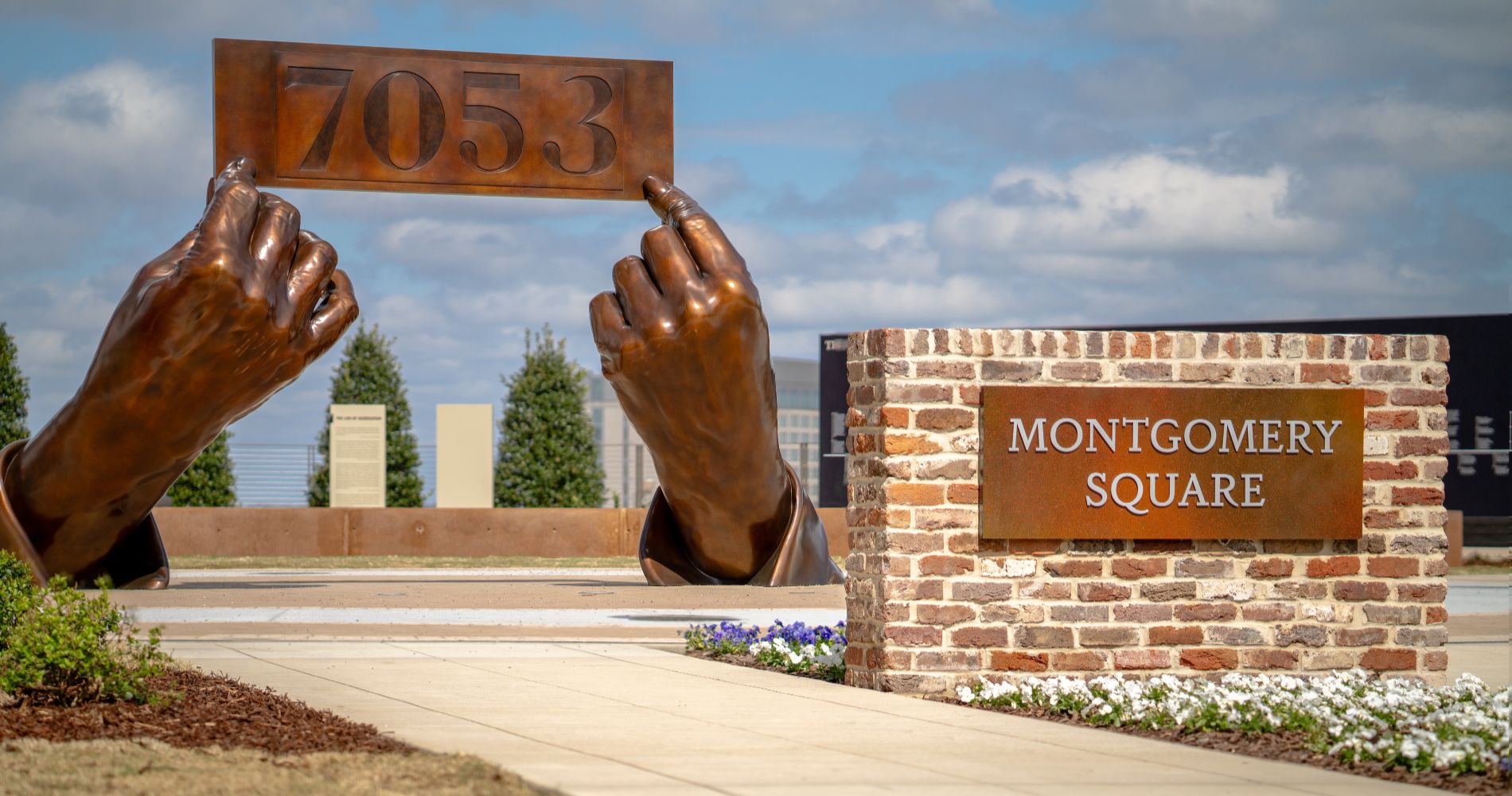
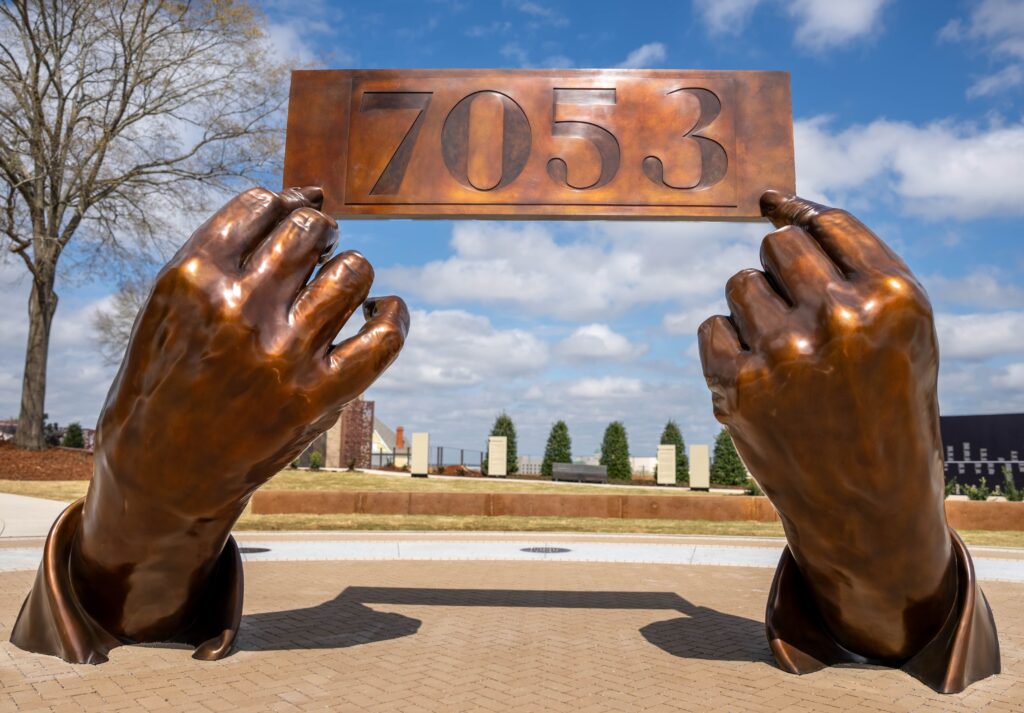
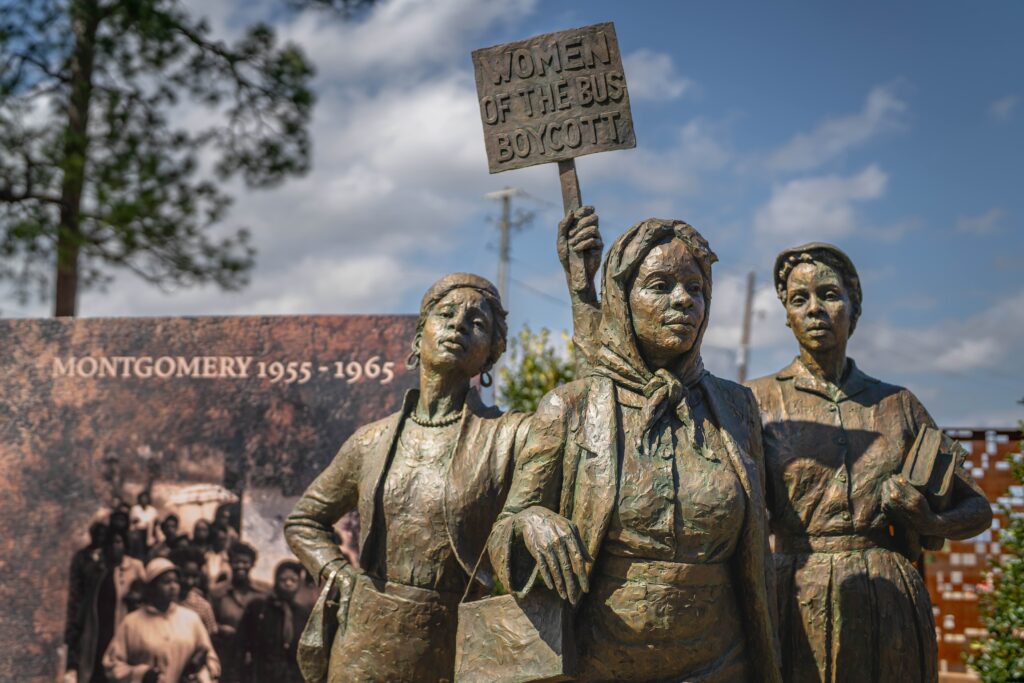
Art plays a central role in conveying the emotional weight and significance of the era. Sculptures from acclaimed artists Hank Willis Thomas and Basil Watson are strategically placed throughout the square. Hank Willis Thomas’s work often explores themes of identity, race, and popular culture, and his sculpture at Montgomery Square powerfully celebrates an arrest number as a badge of honor, transforming a symbol of oppression into one of defiance and pride. Basil Watson’s sculpture depicts proud participants in the Montgomery Bus Boycott, capturing the dignity and resolve of the Black community during their year-long stand against injustice. These artistic interpretations, alongside powerful photography from the era, illustrate the deeply researched narrative about Montgomery’s pivotal role in creating a new era of greater democracy and opportunity in America. At the center of the square stands a giant oak tree, a silent, living witness to the thousands of Black people who walked Montgomery’s streets to end segregation in 1955 and the tens of thousands who risked their lives to end Black disenfranchisement in 1965.
The Enduring Legacy and Broader Implications
The events of the Montgomery decade had profound and lasting implications, both domestically and internationally.
Quantifying the Transformation
The Montgomery Bus Boycott demonstrated the immense power of economic withdrawal and nonviolent resistance. The city bus company suffered significant financial losses, eventually leading to its integration. More broadly, the Voting Rights Act of 1965, directly spurred by the Selma to Montgomery Marches, drastically altered the political landscape of the South. Prior to the Act, only 6.7% of eligible Black voters were registered in Alabama in 1960. By 1968, this figure had risen to 51.6%, and by 1988, it reached 76.1%. This newfound political power led to increased Black representation in local, state, and national offices, fundamentally reshaping American democracy and ensuring greater participation for all citizens.
A Beacon for Global Justice
The success of the Civil Rights Movement, particularly the strategies of nonviolent direct action pioneered and refined in places like Montgomery, served as a powerful inspiration for other liberation movements around the world. Leaders and activists from the anti-apartheid movement in South Africa, independence movements in colonized nations, and even human rights struggles in Eastern Europe studied and adapted the tactics employed by Dr. King and his compatriots. Montgomery became a symbol of the struggle for human dignity and freedom, demonstrating that ordinary people, united in a just cause, could overcome systemic oppression. The impact extended beyond legal changes, fostering a greater national consciousness about racial inequality and paving the way for discussions and advancements in diversity and inclusion that continue today.
The Equal Justice Initiative’s Vision
Montgomery Square is not merely a collection of exhibits; it is a meticulously researched and curated educational resource. The physical site is informed by hundreds of hours of research, presented in EJI’s new report, The Montgomery Decade That Changed the World: 1955 to 1965, and further elaborated on their dedicated Montgomery Square website. These resources delve into the often-overlooked historical context and highlight the unsung heroes of this transformative decade, ensuring that their contributions are properly recognized and understood.
The Equal Justice Initiative hopes that these comprehensive resources will provide educators, students, historians, local residents, and visitors with deeper insight into Montgomery’s historic role in championing human rights and launching a worldwide movement towards racial justice. "This history needs to be studied and understood by every American," Mr. Stevenson reiterated, underscoring the ongoing relevance of these lessons. "We are proud to make learning about this critical decade more accessible to everyone at Montgomery Square." The site is a testament to EJI’s unwavering commitment to confronting historical injustice and advocating for a more equitable future.
Visit and Engage: Accessibility and Future
Montgomery Square is now open to the public, offering a compelling journey into a pivotal era of American history. With free admission and convenient hours from Wednesday through Monday, the site is designed to be accessible to a wide audience. Its strategic location on Montgomery Street, a path etched with the footprints of civil rights activists, enhances its significance, inviting visitors to connect directly with the "power of place" that EJI emphasizes. By experiencing the narratives, art, and historical documentation presented at Montgomery Square, visitors are encouraged to confront the legacies of injustice and draw inspiration from the extraordinary courage that led to profound societal change. The Equal Justice Initiative extends an invitation to all to join them in Montgomery, to engage with this essential history, and to experience the transformative power of understanding the struggle for justice in this uniquely resonant location, fueled by the deep knowledge gained across all of EJI’s Legacy Sites.