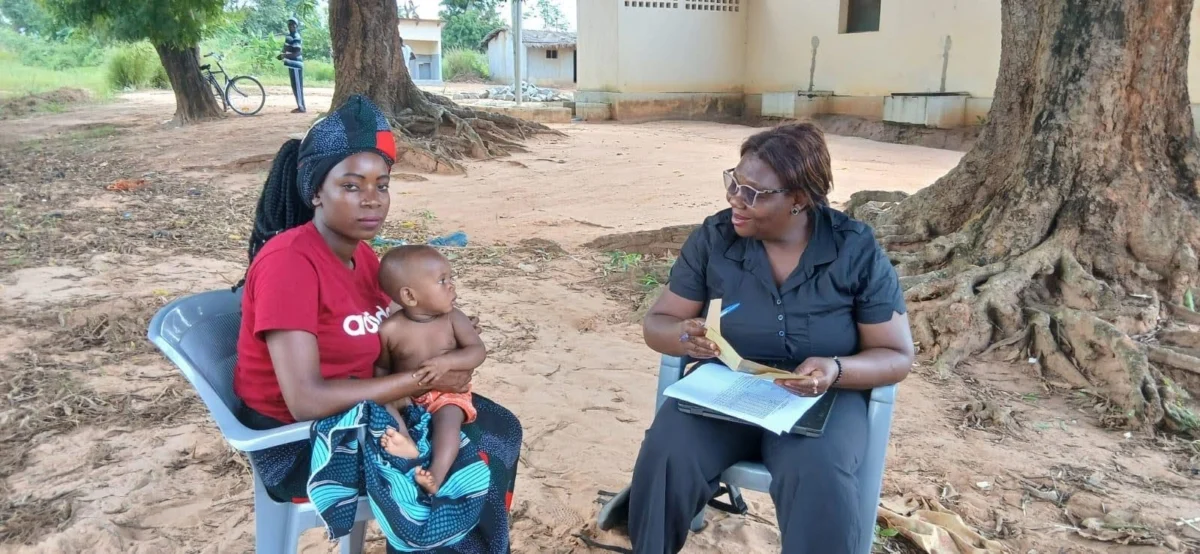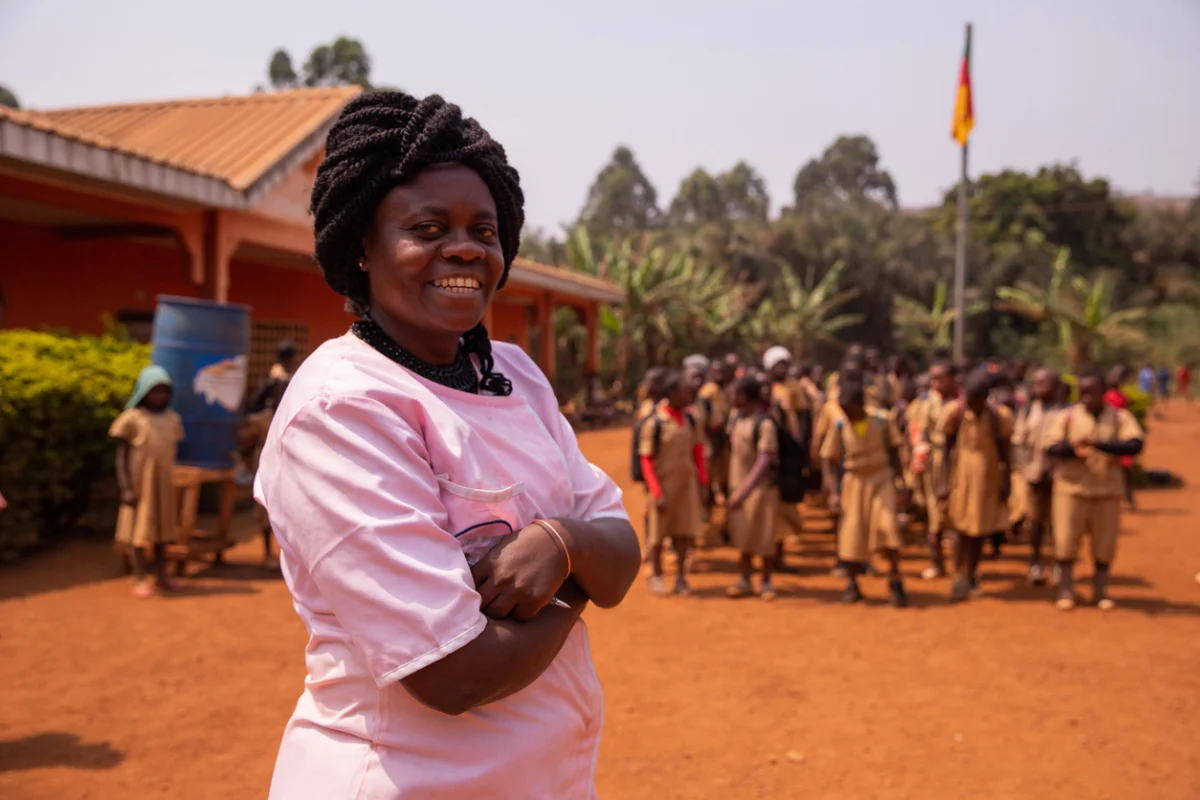
In the rural landscapes of Gujarat, India, a transformative shift in public health communication is unfolding, driven by a strategic partnership between World Education—a JSI initiative—and John Snow India Private Limited (JSIPL). This collaboration has successfully integrated Generative Artificial Intelligence (GenAI) into the daily workflows of frontline health workers, addressing a long-standing challenge in the global south: the creation of timely, culturally relevant, and accessible health education materials for populations with varying literacy levels. By utilizing the AI-supported capabilities of Adobe Express, the initiative has moved beyond traditional top-down communication models, empowering local staff to evolve from mere consumers of information into proficient digital creators.
The Critical Role of Anganwadi Workers in Rural Health
To understand the impact of this digital intervention, one must first consider the vital role of Anganwadi Workers (AWWs) within India’s public health infrastructure. Established under the Integrated Child Development Services (ICDS) program in 1975, the Anganwadi system comprises a network of approximately 1.4 million workers who serve as the primary link between the government’s healthcare system and the rural population. In the Devbhumi Dwarka District of Gujarat, these workers are the first point of contact for families seeking guidance on maternal nutrition, newborn care, and early childhood development.
However, the effectiveness of these workers has historically been hampered by a significant communication gap. Traditional health education materials were often produced centrally, requiring expensive outsourcing to graphic design firms. This process was not only slow—taking weeks or months to finalize a single poster—but also frequently resulted in content that felt "foreign" to the local community. In regions where literacy rates are inconsistent and local dialects like Gujarati are the primary mode of communication, text-heavy or culturally generic materials often failed to resonate, leaving a void in effective community engagement.
Identifying the Technological Opportunity
The partnership between World Education and JSIPL began with a fundamental inquiry: how can GenAI provide practical solutions in real-world settings characterized by limited connectivity, restricted time, and varying digital capacity? The team recognized that while the global discourse on AI often centers on high-tech automation in developed economies, the most profound impact might actually lie in "augmentation"—providing tools that allow non-experts to produce high-quality, localized content.
The choice of Adobe Express as the primary tool was strategic. Its GenAI features, such as text-to-image generation and intuitive template adaptation, offered a low-barrier entry point for district-level staff. The goal was to bypass the need for professional design skills while maintaining a high standard of visual communication that could be easily shared via WhatsApp, the ubiquitous messaging platform that serves as the backbone of digital communication in rural India.
A Chronological Approach to Capacity Building
The implementation of this GenAI initiative followed a structured "gradual release" model, ensuring that the technology was not just introduced, but deeply integrated into the local expertise.
Phase 1: Modeling and Needs Assessment
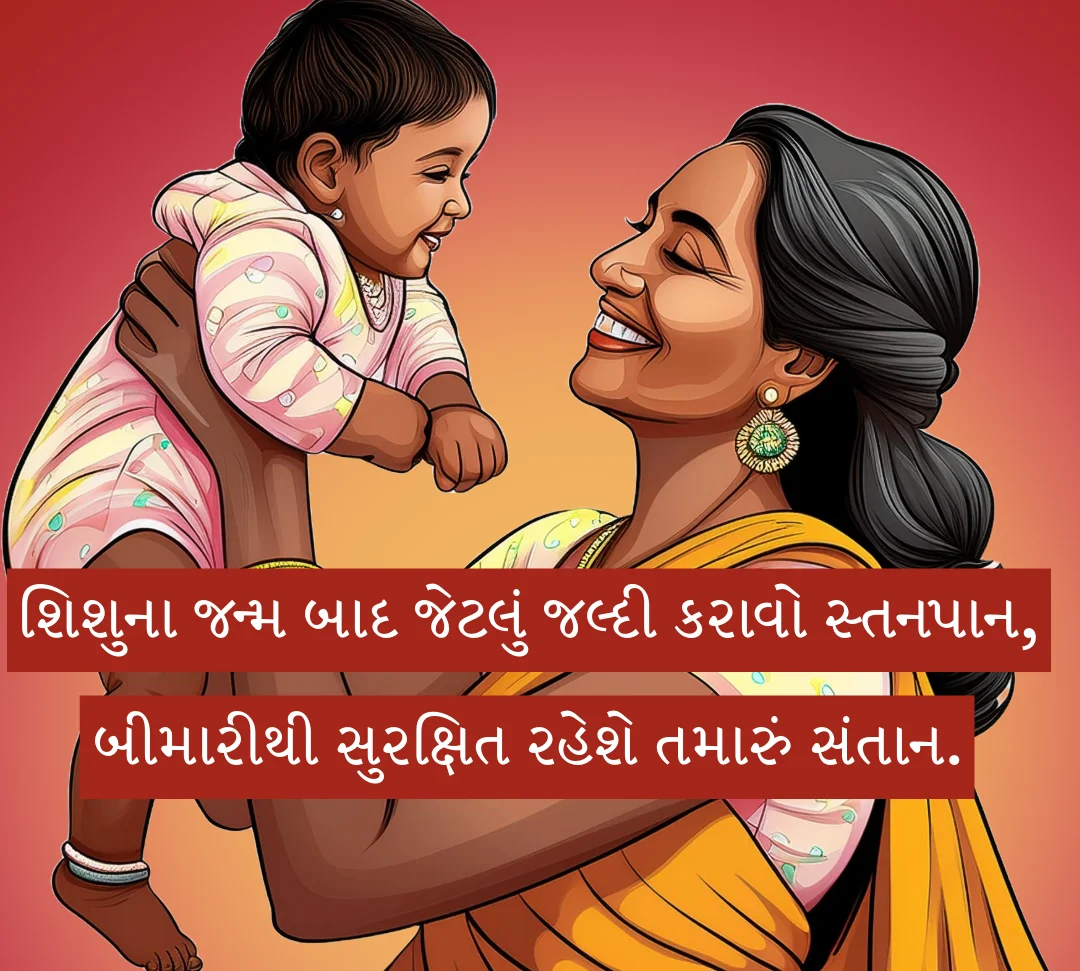
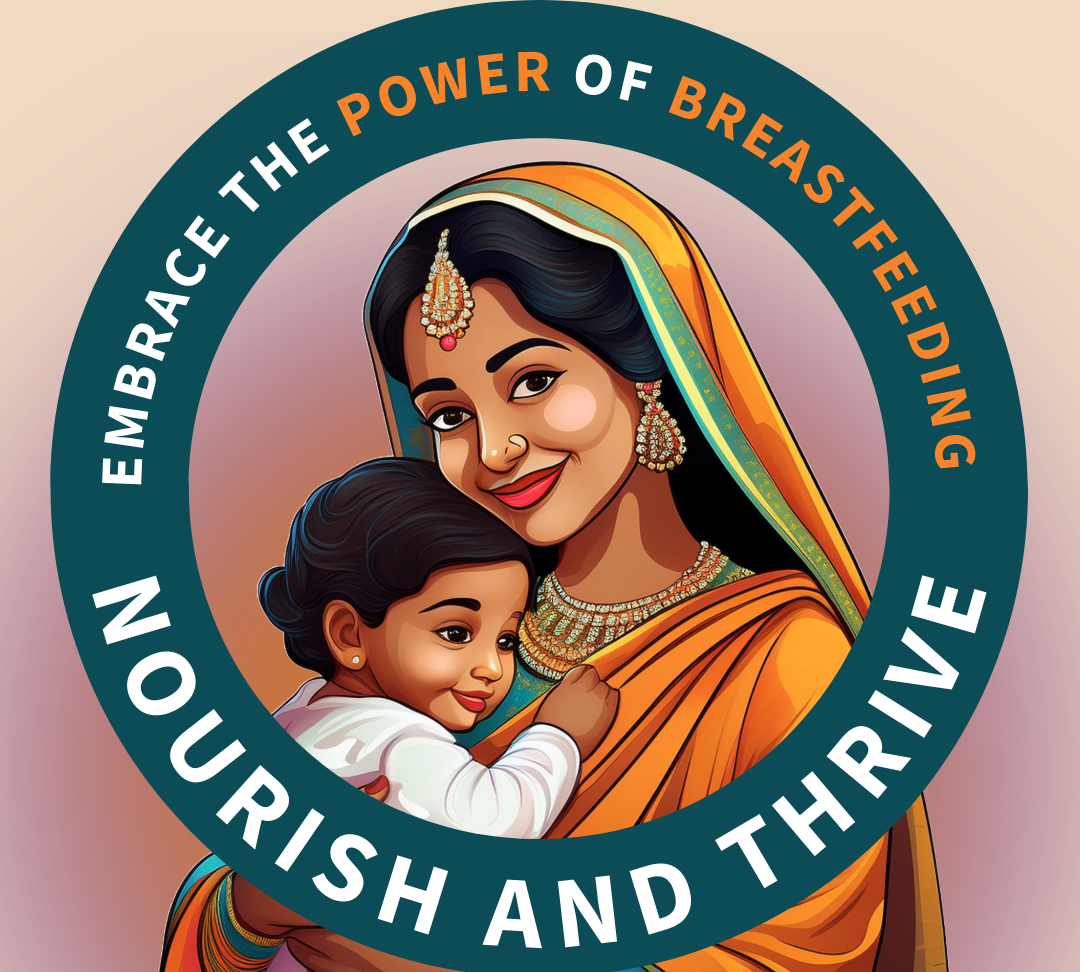
The project began with World Education experts modeling the content creation process. They identified the most pressing health topics—such as breastfeeding techniques, immunization schedules, and nutritional requirements for pregnant women—and demonstrated how AI tools could be used to visualize these concepts. During this phase, it became clear that the initial AI-generated drafts often missed the mark regarding cultural nuances. For instance, generic prompts for "a pregnant woman" might produce images that did not reflect the attire, environment, or physical characteristics of women in Gujarat.
Phase 2: Co-Design and Iteration
In the second phase, World Education staff worked side-by-side with district-level health teams to co-design materials. This was a critical learning period where GenAI showed its true value. When a draft poster was found to be culturally inappropriate, staff used GenAI features to generate alternative imagery in minutes. They experimented with prompts that included local contexts, such as specific traditional clothing or rural household settings. This iterative process reduced the design cycle from weeks to minutes, allowing for real-time feedback and correction.
Phase 3: Independent Production and Peer Training
The final phase saw local teams taking full ownership of the tools. Staff began creating their own templates and translating national health guidelines into the local Gujarati language. One of the most significant milestones of the project occurred when a district staff member, having mastered the platform, began independently training her colleagues. This organic spread of skills indicated that the intervention was sustainable and scalable, moving beyond the original core group of participants.
Data and Feedback: The Impact on Families
The success of the GenAI intervention is best measured by the response from the families in Devbhumi Dwarka. During field testing, the shift from text-heavy flyers to visual and video-based content yielded immediate results.
- Enhanced Comprehension: Families with limited literacy reported that visual job aids and short GIFs made complex health concepts, such as the correct positioning for breastfeeding or the diversity of a toddler’s diet, much easier to understand.
- Instant Accessibility: Because the materials were optimized for WhatsApp, Anganwadi Workers could share them directly to parents’ phones during home visits. This allowed families to refer back to the information whenever needed, reinforcing the health messages outside of direct consultations.
- Cultural Resonance: The use of GenAI to create images that looked like the community members themselves fostered a sense of trust and relevance. When families saw their own realities reflected in the health materials, the "authority gap" between the health worker and the citizen was bridged.
Analysis: Augmentation Over Automation
A key takeaway from the Gujarat experience is the distinction between AI as an automation tool and AI as an augmentation tool. In the context of global development, there is often a fear that AI will replace human roles or erase local culture through standardized algorithms. However, this project demonstrates that when placed in the hands of local practitioners, AI acts as a catalyst for localization.
The human element remained central throughout the process. It was the local health workers who determined which messages were most urgent, which images would be considered respectful, and how the Gujarati translations should be phrased to be understood by the community. The AI did not make these decisions; it simply removed the technical barriers—such as the need for complex software knowledge or high-cost illustration—that previously prevented local staff from acting on their expertise.
Official Responses and Future Scalability
Leaders in the public health sector have noted the potential for this model to be replicated across the country. Dr. Sanjay Kapur, Managing Director of JSIPL, emphasized the scalability of the innovation. "This innovation can be scaled easily to millions of such Anganwadi Workers, thus reaching millions of mothers and children in a short period of time," Dr. Kapur stated. His comments reflect a growing recognition that digital transformation in healthcare must be "frugal" and "agile" to succeed in the Indian context.
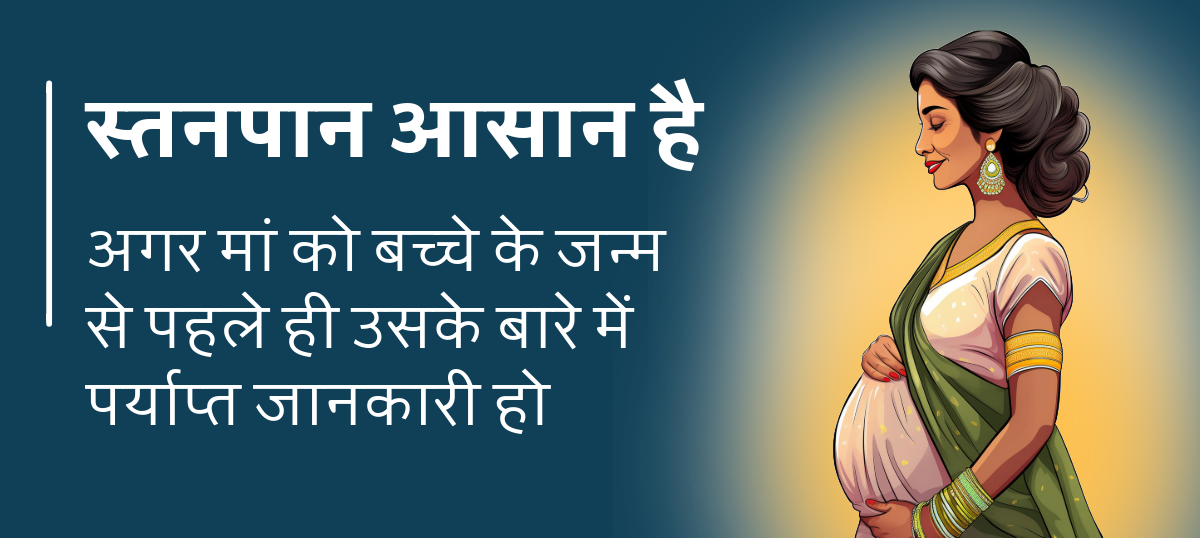
The partnership also highlights a shift in how international NGOs like World Education and JSI approach digital development. Rather than delivering a finished product to a community, they are providing the "means of production." This approach aligns with broader global goals of self-reliance and local capacity building.
Broader Implications for Global Health Communication
The lessons learned in Gujarat have implications far beyond the borders of India. As GenAI tools become more accessible and support more languages, the "Gujarat Model" of localized content creation could be applied to various sectors, from agricultural extension services to disaster preparedness.
The project underscores several critical insights for the future of digital development:
- Localization is non-negotiable: For health interventions to be effective, they must be culturally and linguistically specific. GenAI provides a cost-effective way to achieve this at scale.
- Visuals are the universal language of health: In areas with low literacy, high-quality visual content is not a luxury but a necessity for equitable healthcare access.
- Connectivity is a hurdle, not a wall: By designing content specifically for platforms like WhatsApp, which operate even on low-bandwidth connections, health initiatives can reach the "last mile" of the population.
Conclusion: A New Paradigm for Digital Transformation
The collaboration between World Education, JSIPL, and Adobe serves as a powerful case study in how emerging technology can be harnessed for social good without losing the human touch. By empowering Anganwadi Workers to become digital creators, the project has not only improved the quality of health communication in Gujarat but has also fostered a sense of agency and professional pride among frontline workers.
As digital transformation continues to reshape the global landscape, the work in Devbhumi Dwarka suggests a more inclusive path forward—one where technology is not something imposed upon communities from the outside, but a tool built with them, and ultimately, by them. The success of this initiative provides a roadmap for how GenAI can be used to democratize design, localize knowledge, and ultimately save lives by ensuring that vital health information reaches those who need it most, in a form they can truly understand.