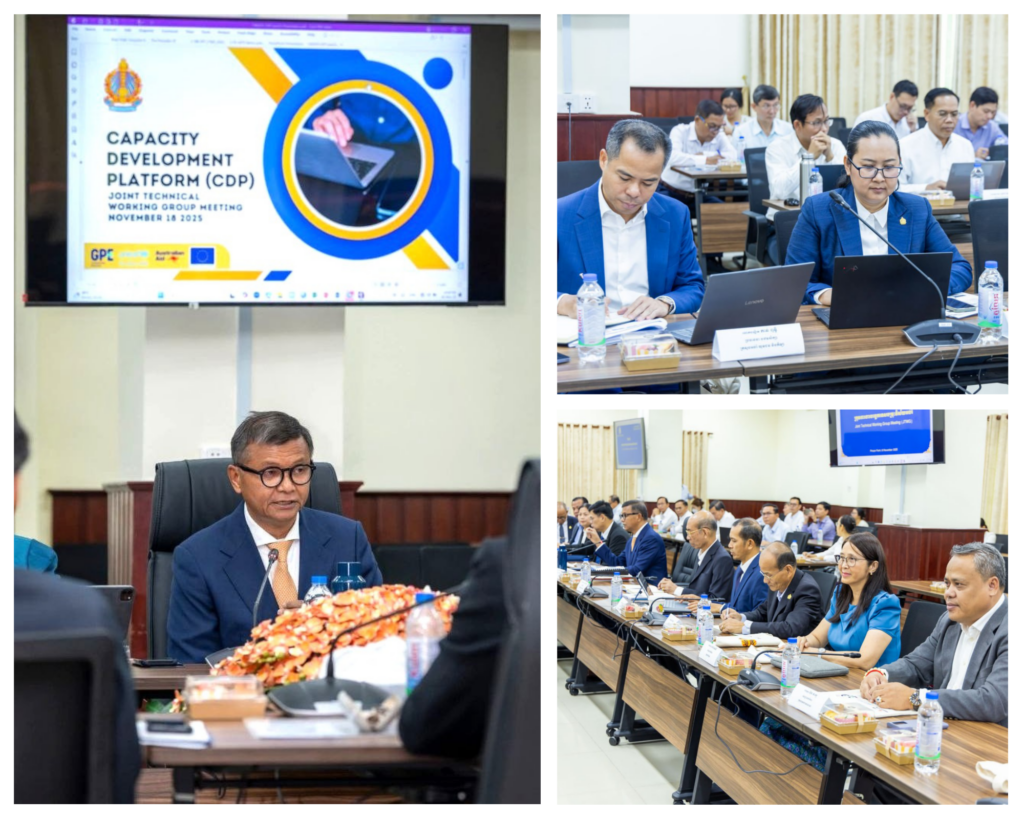
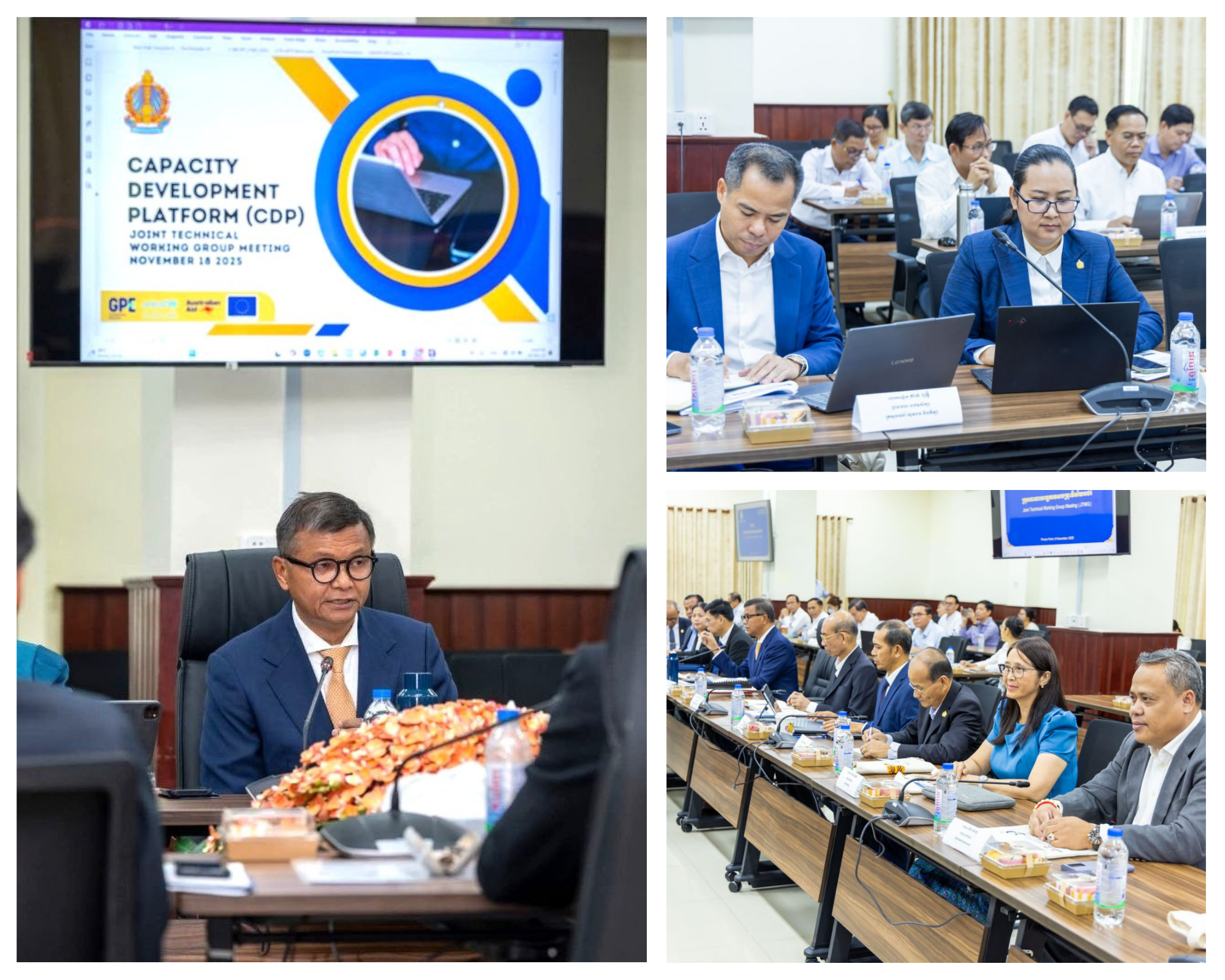
The Ministry of Education, Youth, and Sport (MoEYS) of the Kingdom of Cambodia, in a landmark collaboration with UNICEF and World Education, officially inaugurated the Capacity Development Platform (CDP) in November 2025, signaling a decisive shift toward a modernized, digitally integrated pedagogical framework. This centralized digital ecosystem is designed to serve as the primary vehicle for teacher professional development across the nation, providing educators with a streamlined pathway to enhance their qualifications, earn accredited professional development credits, and access high-quality instructional materials. Funded through a multi-donor consortium including the Global Partnership for Education (GPE), the European Union (EU), and the Australian Department of Foreign Affairs and Trade (DFAT), the CDP represents a cornerstone of Cambodia’s broader Digital Economy and Social Policy Framework 2021–2035.
The initiative emerges at a critical juncture for the Cambodian education sector, which has been undergoing rapid transformation to meet the demands of the 21st-century global economy. By digitizing the professional development lifecycle, the MoEYS aims to eliminate geographical barriers that have historically hindered teachers in remote and underserved provinces from accessing the same training opportunities as their urban counterparts. The platform, co-designed by World Education—an initiative of JSI—functions not merely as a repository of content but as an integrated management system that tracks teacher progress and synchronizes with national civil service records to ensure that professional growth is directly linked to career advancement and salary increments.
A Strategic Alliance for Educational Reform
The development of the CDP was the result of an intensive multi-year partnership involving government agencies, international NGOs, and multilateral donors. World Education led the technical design phase, employing a human-centered approach to ensure the platform met the practical needs of Cambodian educators. This process involved extensive consultations with teachers, school directors, and provincial education officials to identify the specific hurdles faced in daily classroom environments.
The financial backing from the Global Partnership for Education and the European Union underscores the international community’s commitment to Sustainable Development Goal 4: Quality Education. Australia’s involvement through DFAT further highlights the regional priority of human capital development in Southeast Asia. These partners recognized that for Cambodia to transition into a middle-income country, its teaching workforce must be proficient in both modern pedagogy and digital literacy. The CDP serves as the technical infrastructure to realize this vision, providing a scalable model for other developing nations seeking to modernize their education bureaus.
Chronology of Development and Implementation
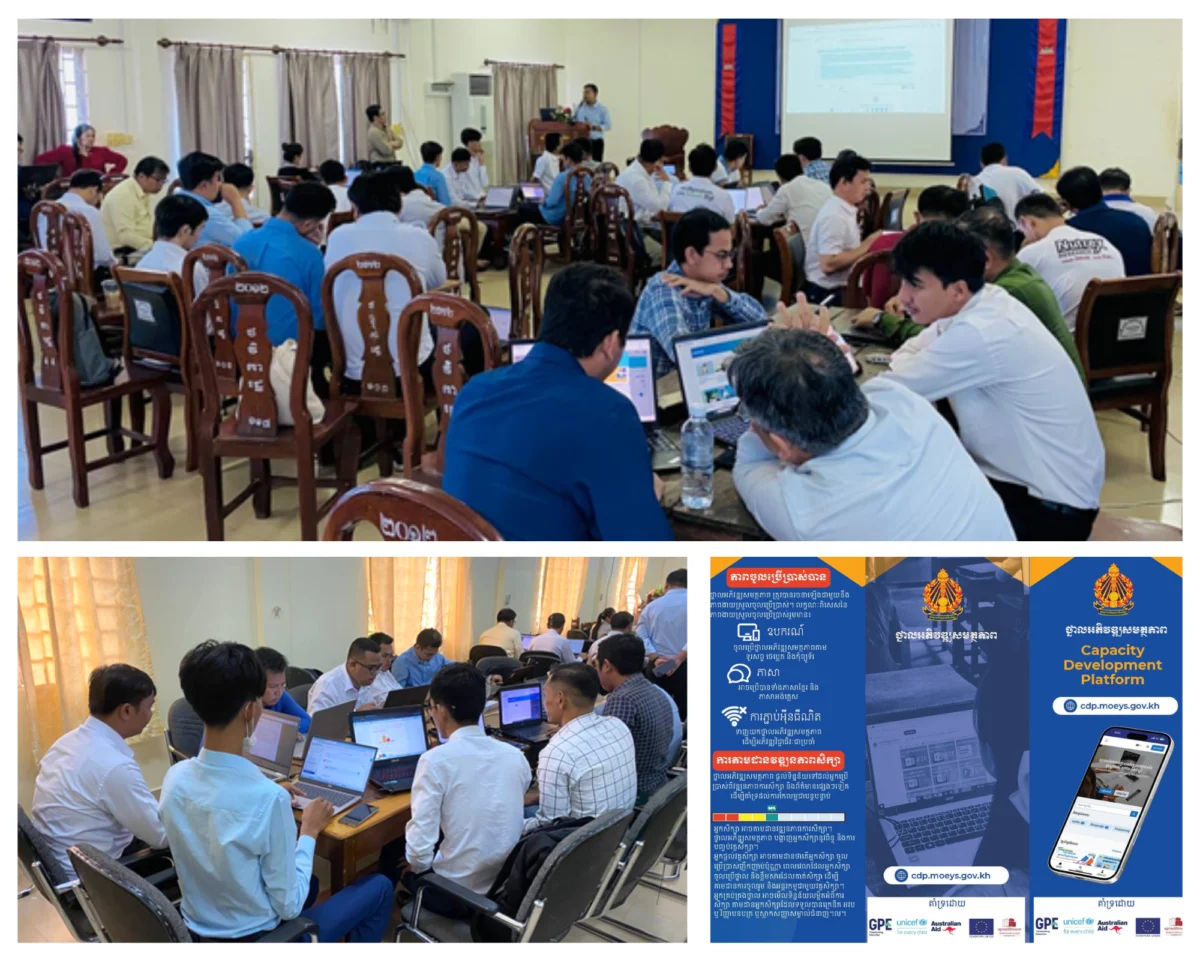
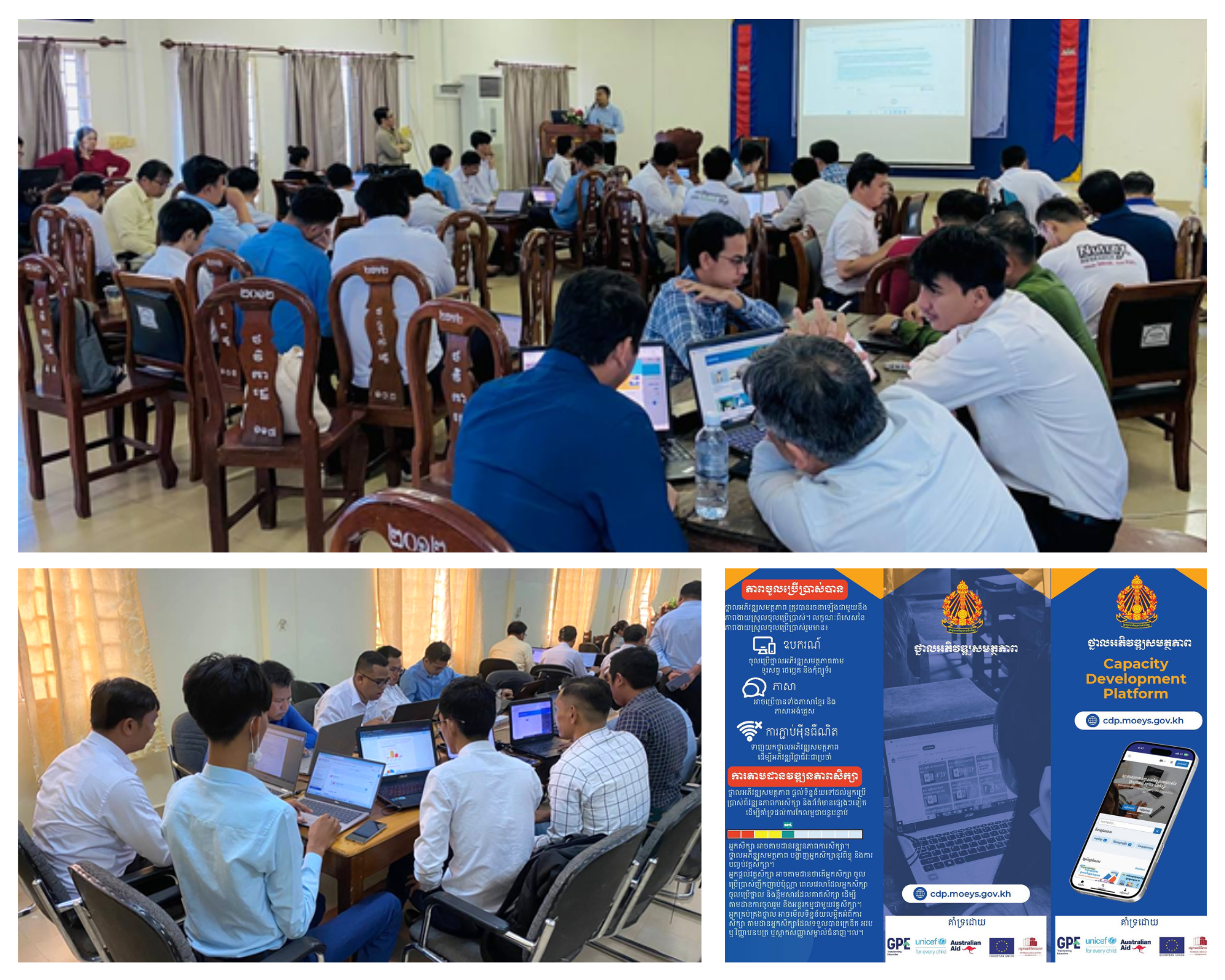
The journey toward the CDP launch began in early 2024 with the conceptualization of a unified digital portal that could replace fragmented, paper-based training records. By May 2025, MoEYS staff and key educators participated in a series of intensive capacity-building workshops. These sessions, held on May 5–6 and May 19–20, 2025, were designed to train "master trainers" who would eventually lead the national rollout.
Throughout the summer and autumn of 2025, the platform underwent rigorous beta testing in select provinces, including Siem Reap and Battambang, to refine the user interface and ensure compatibility with low-bandwidth internet connections common in rural areas. The official launch in November 2025 marked the transition from a pilot project to a national mandate, with the MoEYS Department of Digital Transformation assuming full operational control of the system. This transition was supported by World Education through specialized technical and security training, ensuring the government possessed the internal capacity to maintain the server infrastructure and protect teacher data.
Technical Architecture and Human-Centered Design
A primary challenge in Cambodia’s digital transformation is the "digital divide" between urban centers and rural villages. Recognizing that many teachers rely on mobile data and may not have access to high-end laptops or stable broadband, World Education and MoEYS prioritized a "smartphone-first" design. The CDP is optimized for low-bandwidth environments, allowing users to download modules for offline study and sync their progress once a connection is re-established.
The platform’s architecture is built on an intuitive interface that accommodates varying levels of digital literacy. For veteran teachers who may be less familiar with complex software, the CDP offers guided navigation and simplified workflows. Conversely, for younger, tech-savvy educators, the platform provides advanced modules in Information and Communication Technology (ICT) and the application of Artificial Intelligence (AI) in lesson planning. This inclusive design philosophy ensures that no segment of the teaching workforce is left behind as the country moves toward a digital future.
Quantifiable Impact and User Engagement
Since its inception, the CDP has seen unprecedented levels of adoption within the Cambodian civil service. Internal data indicates that more than 44,000 users have registered on the platform within the first few months of its full release. Of these registrants, over 23,000 educators have actively enrolled in accredited courses, ranging from early grade reading methodologies to advanced ICT integration.
The impact is perhaps most visible in the classroom. Mrs. Proeut Sanh, a primary school teacher from Kralanh District in Siem Reap Province, noted that the ICT courses provided through the CDP have fundamentally changed her approach to instruction. She reported that the ability to use digital tools for lesson planning has made her students more participatory and has allowed her to better track individual student performance. Such testimonials reflect a broader trend of increased professional agency among teachers who previously felt isolated from modern educational resources.
Official Responses and Ministerial Vision
During the launch ceremony, H.E. Dr. Hang Chuon Naron, Deputy Prime Minister and Minister of MoEYS, emphasized that the CDP is more than just a website; it is a "transformative step" in the nation’s history. He stated that by empowering educators with digital tools and knowledge, the ministry is essentially investing in the future of Cambodia’s youth. The Minister highlighted that the digitization of teacher training is a prerequisite for improving national learning outcomes, particularly in literacy and STEM subjects.
Representatives from UNICEF and the donor community echoed these sentiments, praising the MoEYS for its leadership and willingness to integrate the CDP into existing national governance structures. By linking teacher training credits directly to the national career progression system, the MoEYS has created a sustainable incentive structure that encourages lifelong learning. This policy alignment ensures that the platform remains a relevant and vital tool for years to come, rather than a temporary project-based solution.
Governance, Sustainability, and the Path Forward
The long-term success of the CDP is anchored in its governance model. A dedicated government oversight group has been established to manage content quality and system updates. This group works closely with the Department of Digital Transformation to ensure that the platform evolves in tandem with emerging educational technologies.
Looking ahead, the MoEYS and World Education are already developing new content to address mandatory national standards for in-service teacher qualification upgrading. These upcoming modules will utilize a "blended learning" approach, which combines the flexibility of digital coursework on the CDP with periodic in-person workshops at Provincial Teacher Training Centers (PTTCs). This hybrid model is intended to maximize the benefits of digital scale while maintaining the essential human connection inherent in the teaching profession.
Furthermore, the platform is expected to expand its reach to include specialized training for school directors and administrative staff, focusing on data-driven school management and transparent resource allocation. As the CDP matures, it will likely serve as a data hub for the MoEYS, providing real-time analytics on teacher competencies and training gaps across different regions, thereby allowing for more targeted and efficient policy interventions.
Broader Implications for Regional Education
The successful deployment of the CDP in Cambodia offers a blueprint for other nations in the ASEAN region and beyond. It demonstrates that with the right combination of political will, international partnership, and human-centered design, digital transformation in education is possible even in resource-constrained environments. The project highlights the importance of moving away from "parallel systems" and instead focusing on the integration of technology into the very fabric of national institutions.
As Cambodia continues to navigate the complexities of the digital age, the Capacity Development Platform stands as a testament to the power of collaborative innovation. By placing the tools of professional growth directly into the hands of its teachers, Cambodia is not only upgrading its education system but also fostering a culture of resilience and excellence that will benefit generations of students to come. The CDP is not merely a milestone in digital education; it is a vital investment in the intellectual capital of the nation.