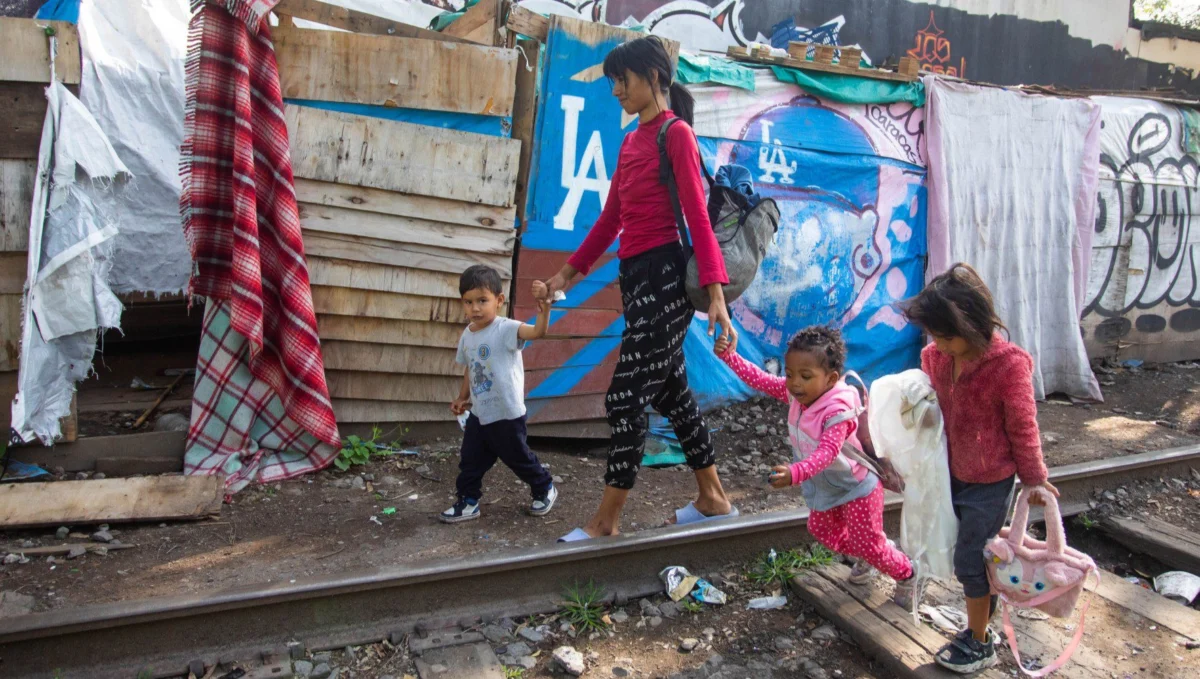
Panama, a nation bridging two continents, has historically served as a crucial transit point for people traversing the Americas. This role has intensified in recent years, with the country now functioning not only as a crossing point but also as a host nation for a growing number of refugees, displaced persons, and migrants across Latin America. Despite evolving immigration policies throughout the Western Hemisphere, thousands continue to embark on perilous journeys, necessitating urgent humanitarian assistance, particularly in vulnerable border regions like Darién, Chiriquí, and Colón. HIAS Panama, an organization with a sustained presence since 2010, has been at the forefront of providing critical support to these individuals, navigating a complex and ever-changing landscape of migration.
The Evolving Migration Landscape in Panama
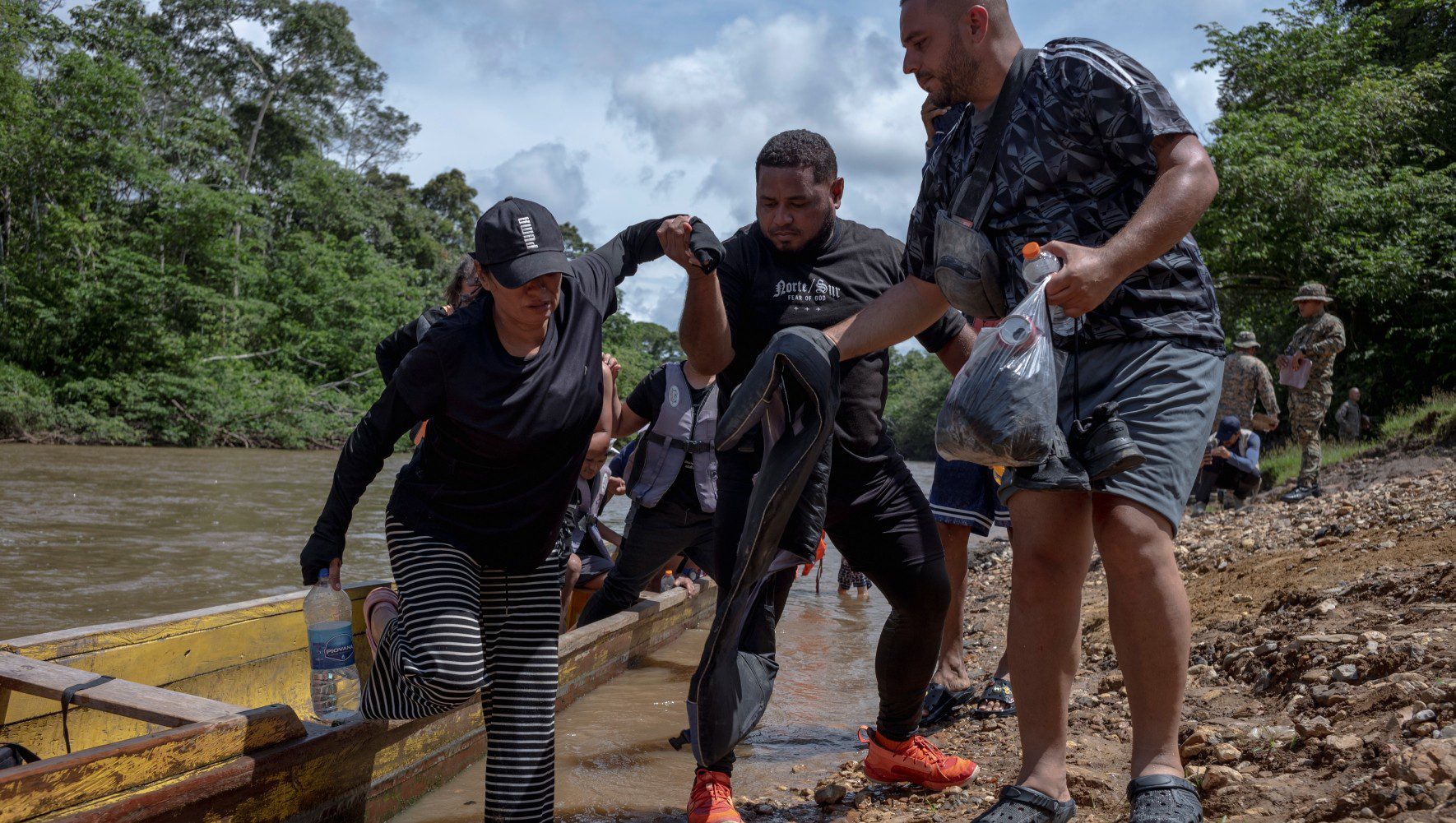
In 2025, Panama found itself hosting a substantial population of displaced individuals, exceeding 155,000 people. This figure encompasses over 5,000 recognized refugees and an additional 36,500 asylum seekers. The demographic makeup of those seeking protection in Panama is largely dominated by individuals originating from Venezuela, with significant numbers also arriving from various Central American nations. For an extended period, the primary migration flow involved thousands of refugees and migrants traveling northward from the southern reaches of Latin America, with the United States as their ultimate destination. The Darién Gap, a notoriously dangerous stretch of dense jungle separating Colombia and Panama, became a critical and perilous bottleneck in this route. In 2023 alone, an estimated half a million individuals braved this treacherous passage, confronting severe risks including encounters with dangerous wildlife, the spread of infectious diseases, and the constant threat of exploitation and violence from criminal organizations.
However, a notable shift in migration patterns began to emerge over the past year, largely attributed to changes in U.S. asylum and immigration policies. This phenomenon, often termed "reverse migration," has seen a significant number of people now traveling southward, reversing the established flow. HIAS is among the limited number of organizations that continue to provide essential services to individuals caught in this evolving migratory current. This southward movement presents a new set of challenges, as many of these individuals are still in transit and require immediate humanitarian aid, often with fewer resources available than in previous northward-bound flows. The implications of this reverse migration are profound, potentially altering regional dynamics and placing increased strain on countries further south that may not be as equipped to handle sudden influxes of displaced populations.
The Perilous Journeys and Their Human Cost
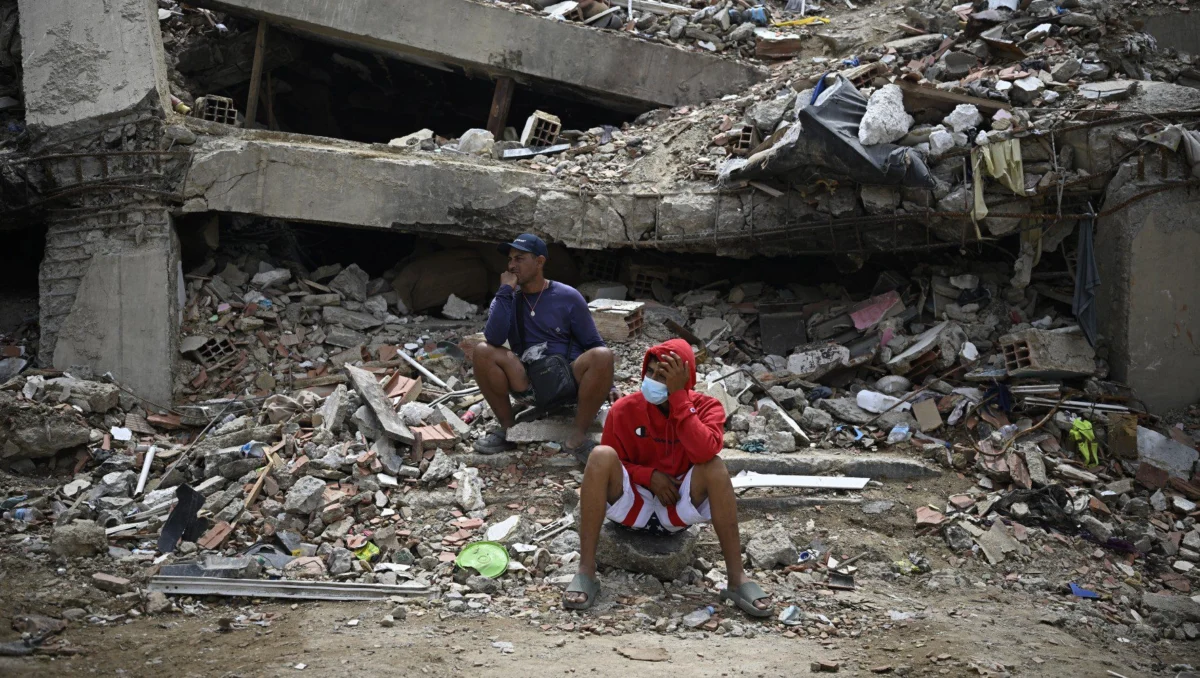
The dangers inherent in migration through Latin America have not diminished with the shift in direction. The southern route, while seemingly a reversal, is no less perilous than the journey northward. Migrants embarking on this path frequently fall prey to criminal groups who extort exorbitant sums of money for passage, particularly for journeys originating from Honduras and heading towards Panama. Along these routes, individuals encounter a litany of severe hardships. Inadequate shelter, a chronic scarcity of potable drinking water, and limited access to basic services are commonplace. Food insecurity remains a persistent threat, and many migrants possess minimal financial resources to facilitate their return to their home countries. The psychological toll of these journeys is immense, with many individuals arriving at their destinations deeply traumatized by the experiences they have endured.
The Impact of Humanitarian Aid Reductions
Compounding these already formidable challenges is a significant reduction in humanitarian support. Many aid organizations that were once a common presence along these migration routes have been compelled to withdraw their operations. This exodus is largely a consequence of substantial cuts to humanitarian assistance funding by governments, notably the United States. These funding reductions have had a cascading effect, leaving vulnerable populations with even fewer resources and support systems.
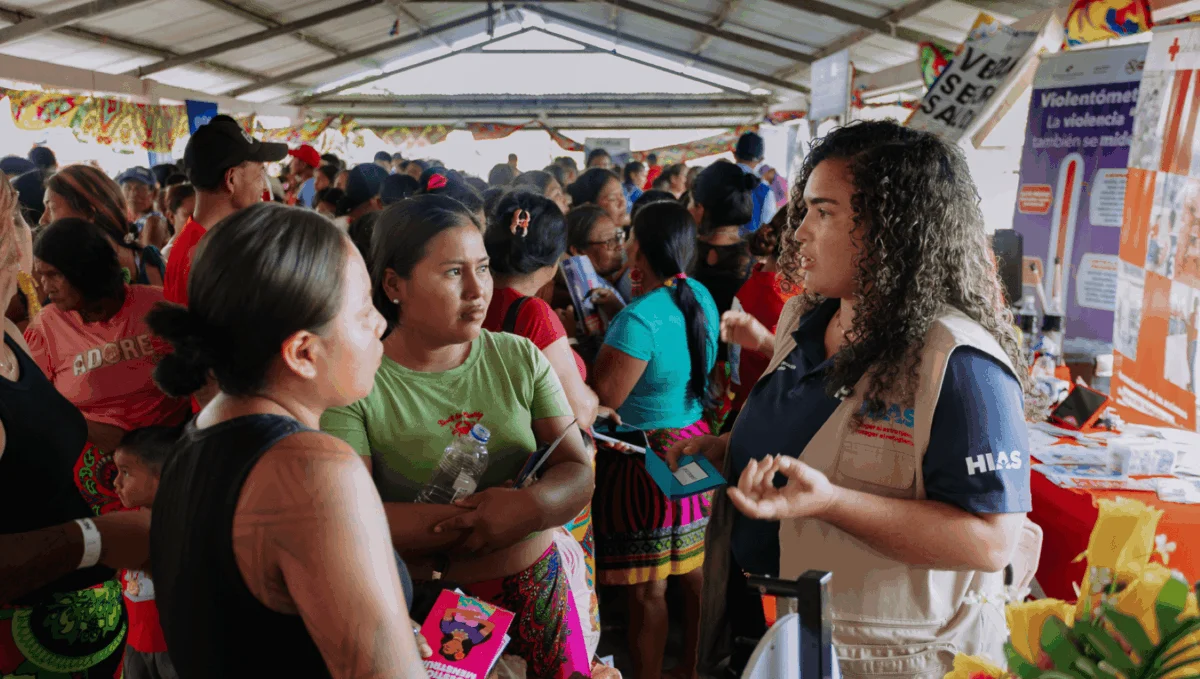
HIAS, despite its long-standing commitment, has not been immune to these financial constraints. The organization has experienced its own funding reductions, making it increasingly challenging to sustain the breadth of its operations. Nevertheless, HIAS has maintained a steadfast presence at key crossing points and transit hubs within Panama. The organization continues to provide vital protection services, essential mental health care, and critical emergency financial assistance for necessities such as food, shelter, and medical treatment. This commitment underscores the urgency of the situation and the vital role that organizations like HIAS play in mitigating the suffering of those displaced.
Legal Frameworks and Systemic Barriers in Panama
Panama’s commitment to refugee protection is enshrined in its ratification of the 1951 Refugee Convention and its 1967 Protocol in 1978. The country’s legal definition of a refugee aligns closely with the Convention’s provisions. Furthermore, Panama has demonstrated a willingness to expand protections to individuals fleeing specific forms of violence, including sexual and domestic violence, as well as those persecuted for defying societal norms and customs. These legal frameworks represent a crucial foundation for safeguarding the rights of displaced populations.
However, the practical implementation of Panama’s asylum system often presents significant hurdles. Current administrative backlogs within the system, coupled with established application timelines, frequently lead to protracted delays in obtaining refugee status and work permits. These delays can exacerbate the vulnerability of individuals and families, particularly dependent family members who may not receive essential identification documents promptly. While ongoing efforts are being made to improve document recognition across various institutions and to ensure adequate support during the waiting periods, some authorities still do not fully acknowledge or accept these documents, creating further complications for those seeking stability.
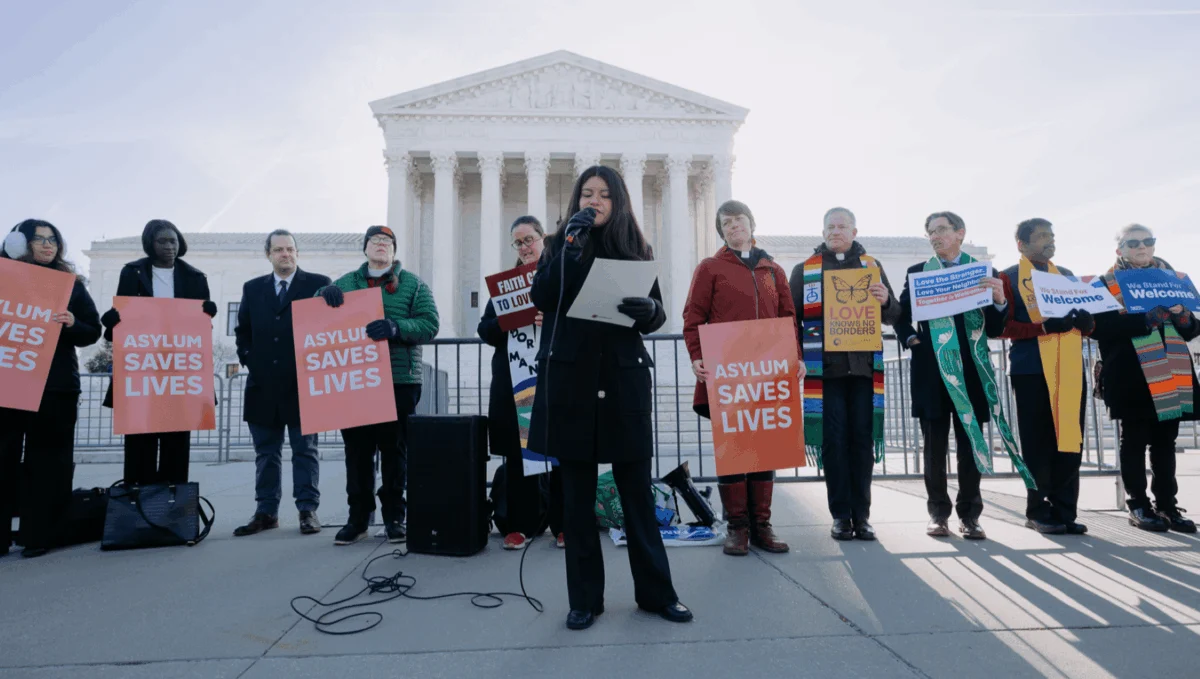
HIAS, in collaboration with its partners, actively works to provide crucial legal information and direct assistance to refugees and asylum seekers. The organization also engages in advocacy efforts aimed at fostering a more equitable and efficient asylum system. The goal is to alleviate processing backlogs and to establish more robust pathways to protection for those in need. This multifaceted approach, combining direct service provision with systemic advocacy, is essential for addressing the complex legal and administrative challenges faced by displaced individuals in Panama.
HIAS’s Enduring Commitment and Comprehensive Support
HIAS has been a dedicated partner to refugees and displaced populations in Panama since 2010, offering a comprehensive suite of services designed to promote well-being and self-sufficiency. The organization’s core programs encompass critical protection services, vital mental health care, and initiatives aimed at fostering economic empowerment.
Through its protection services, HIAS ensures that individuals are aware of their rights and have access to the necessary legal and psychosocial support to navigate their often-traumatic experiences. The mental health care provided is crucial for addressing the psychological toll of displacement and prolonged periods of uncertainty, helping individuals to heal and build resilience. Furthermore, HIAS’s focus on economic opportunities aims to equip refugees and asylum seekers with the tools and resources needed to establish dignified and sustainable livelihoods. This includes vocational training, job placement assistance, and support for small business development, all with the overarching goal of strengthening self-reliance and fostering long-term stability.
A cornerstone of HIAS’s approach in Panama is its commitment to collaborative partnerships. By working closely with local communities and other non-governmental organizations, HIAS fosters an environment of integration. These partnerships facilitate the creation of safe spaces where refugees and host community members can engage in collaborative projects, work together to address shared challenges, and build mutual understanding and support. This community-centered approach not only benefits displaced individuals but also contributes to the social cohesion and resilience of the broader Panamanian society. The sustained presence and dedicated efforts of HIAS underscore the ongoing humanitarian imperative in Panama and the critical need for continued international support for displaced populations.