The digital era has fundamentally restructured the relationship between public figures and their audiences, particularly within the LGBTQ+ community. As social media platforms like Instagram evolve from simple photo-sharing applications into primary engines for brand management and cultural discourse, queer celebrities are increasingly utilizing these spaces to bypass traditional media gatekeepers. This shift allows for a more authentic, direct-to-consumer narrative that emphasizes personal agency, political advocacy, and cultural commentary. The recent activities of high-profile queer figures—ranging from culinary stars like Kristen Kish to fashion icons like Tommy Dorfman—illustrate a broader trend where digital presence serves as a catalyst for institutional change and visibility.
The Professional Ascent of Kristen Kish and the Demand for Queer Representation in Media
Kristen Kish, the winner of the tenth season of "Top Chef" and the current host of the long-running Bravo series, has become a central figure in the conversation regarding queer representation in the culinary arts and reality television. Following her appointment as host of "Top Chef" in 2023, Kish has been the subject of significant public discourse regarding the expansion of her media footprint. Industry analysts note that Kish’s transition from contestant to host marks a significant milestone in television history, as she is one of the few openly queer women of color to lead a major network competition series.
Public sentiment, often reflected in digital communities and specialized media outlets, has increasingly called for Kish to helm more diverse programming, including the dating show genre. This demand aligns with current data from GLAAD’s "Where We Are on TV" report, which indicates that while LGBTQ+ representation has reached record highs in scripted television, reality and unscripted programming still lag behind in presenting nuanced, diverse queer narratives. The advocacy for Kish to host a dating show is not merely a fan-driven desire but reflects a market gap for sophisticated, queer-led lifestyle content. Kish’s success on "Top Chef" has proven that her appeal transcends niche demographics, suggesting that her involvement in a mainstream dating format could yield high viewership and provide a necessary platform for queer romantic visibility.
High Fashion and Social Commentary at the 2024 Met Gala
The 2024 Met Gala, themed "Sleeping Beauties: Reawakening Fashion" with a dress code of "The Garden of Time," served as a significant focal point for both fashion criticism and socio-economic debate. While the event is ostensibly a fundraiser for the Metropolitan Museum of Art’s Costume Institute, it has evolved into a global spectacle where celebrity attire often intersects with political and cultural messaging.
Among the standout participants was Cardi B, whose appearance in a voluminous, architectural black gown by Windowsen drew considerable attention. The ensemble, which required several assistants to maneuver on the red carpet, was lauded by fashion historians as a masterclass in avant-garde construction. However, the 2024 event also faced scrutiny regarding the perceived disconnect between the opulence of the gala and the global economic climate. The presence of tech billionaires, such as Amazon founder Jeff Bezos, alongside celebrities wearing garments valued in the hundreds of thousands of dollars, sparked discussions on social media regarding the "Gilded Age" parallels of modern celebrity culture.
Despite these criticisms, the Met Gala remains a critical platform for queer visibility in the high-fashion world. The inclusion of diverse voices and identities on the most prestigious red carpet in the world serves as a barometer for the industry’s progress toward inclusivity. For many queer celebrities, the event is an opportunity to challenge traditional gender norms through sartorial choices, further cementing the link between fashion and identity politics.
The Role of Tommy Dorfman in Transgender Visibility and Activism
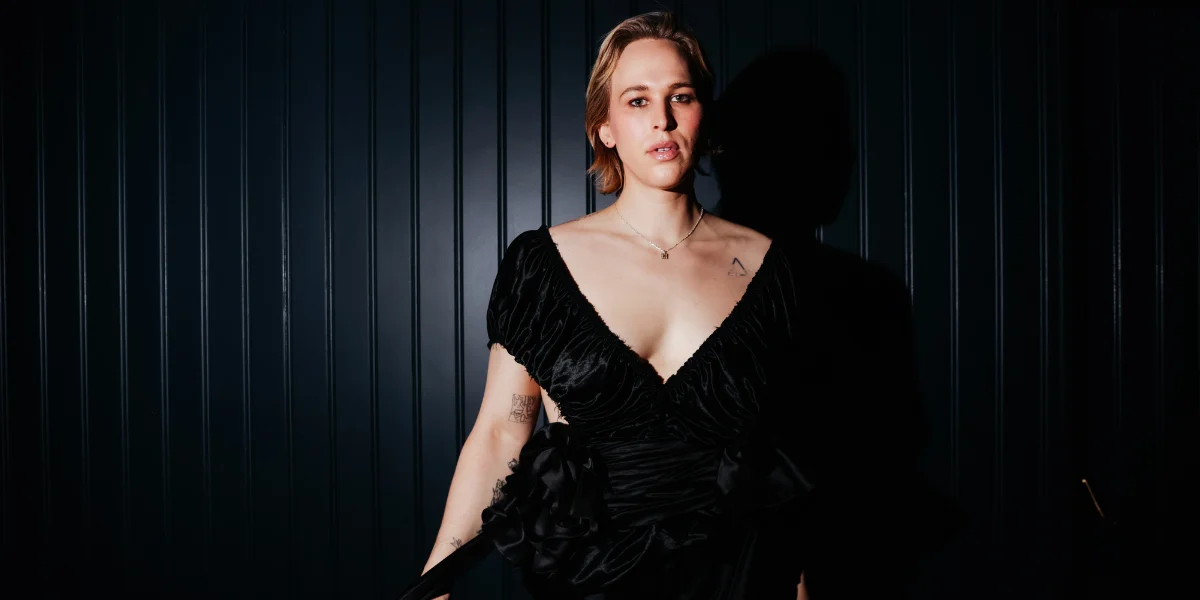
Tommy Dorfman has emerged as a leading voice in the transgender community, utilizing her platform to advocate for trans rights and visibility during a period of heightened legislative challenges in the United States. Since her public transition in 2021, Dorfman has navigated her career as an actress, writer, and director with a focus on authentic representation. Her social media presence is characterized by a blend of high-fashion aesthetics and grassroots activism, a combination that has resonated with a younger, politically engaged audience.
Dorfman’s recent public appearances and digital content emphasize the importance of "taking up space" in industries that have historically marginalized trans individuals. According to data from the Williams Institute at UCLA School of Law, visibility in media is a primary factor in reducing social stigma against transgender people. By maintaining a high-profile presence in the fashion and entertainment sectors, Dorfman provides a counter-narrative to the often-politicized portrayals of trans lives, focusing instead on joy, professional success, and creative expression.
Meg Stalter and the New Wave of Queer Comedy
In the realm of entertainment, the rise of Meg Stalter signifies a shift in the comedic landscape. Stalter, best known for her role on the critically acclaimed series "Hacks," has built a reputation for her unique brand of "chaos comedy" and satirical character work. As a queer woman in comedy, Stalter’s success mirrors a broader trend where unconventional, internet-born talent is successfully transitioning to mainstream television and film.
The public’s interest in Stalter’s personal life, including her relationship status and career milestones, highlights the parasocial nature of modern celebrity culture. However, within the queer community, Stalter is viewed as a figure of resilience and authenticity. Her ability to navigate the complexities of fame while maintaining her distinct comedic voice has made her a central figure in the "new guard" of Hollywood. Analysts suggest that the success of performers like Stalter is indicative of an audience shift away from polished, traditional archetypes toward more relatable and eccentric public figures.
The Economics of Nostalgia: The Streaming Wars and Sitcom Legacies
The ongoing debate between the cultural impact of "The Office" and "Parks and Recreation" serves as a case study in the economics of streaming and the enduring power of the ensemble sitcom. While "The Office" has historically dominated streaming charts, "Parks and Recreation" has seen a resurgence in viewership, particularly among younger audiences who value its more optimistic and community-oriented tone.
Data from Nielsen indicates that "comfort TV"—familiar, episodic comedies—remains the most-watched category on streaming platforms such as Peacock and Netflix. The preference for "Parks and Recreation" over "The Office" in certain circles is often attributed to the former’s portrayal of earnestness and female friendship, qualities that resonate strongly with queer and progressive audiences. This "nostalgia economy" is a significant driver for streaming platforms, which rely on high-volume rewatchability to retain subscribers. The cultural longevity of these shows also provides a steady stream of content for social media discourse, where memes and clips continue to circulate, keeping the intellectual property relevant years after the series finales.
Independent Media and the Documentation of Queer Culture
The role of independent media outlets like Autostraddle is crucial in the documentation and analysis of queer celebrity culture. These platforms provide a level of nuance and community-specific context that mainstream outlets often overlook. By curating social media activities and providing commentary on the cultural movements of queer figures, independent media fosters a sense of community and shared history.
The sustainability of these outlets is, however, under constant threat from the shifting digital advertising landscape and the dominance of large-scale social media algorithms. The survival of queer-led independent media is vital for ensuring that the history of the community is told by its members rather than being filtered through a heteronormative lens. As queer celebrities continue to break barriers, the need for robust, independent journalism to track this progress becomes increasingly important.
Broader Implications and Future Outlook
The intersection of queer identity, celebrity culture, and digital media is more than a superficial phenomenon; it is a reflection of changing societal values. The data suggests that as Gen Z and Millennials—groups with significantly higher percentages of LGBTQ+ identification—gain more purchasing power, the demand for inclusive and authentic representation will only increase.
For the entertainment and fashion industries, the implications are clear: diversity is no longer a "niche" requirement but a fundamental component of commercial viability. The success of figures like Kristen Kish and Tommy Dorfman demonstrates that audiences are looking for more than just visibility; they are looking for leadership and authenticity. As we move further into the decade, the integration of queer narratives into the mainstream will likely continue to accelerate, driven by the direct-to-consumer power of social media and the advocacy of independent media voices.
In conclusion, the contemporary landscape of queer celebrity visibility is characterized by a sophisticated blend of personal branding, professional excellence, and political consciousness. By leveraging digital platforms, queer public figures are not only shaping their own narratives but are also influencing the broader cultural conversation on identity, equity, and representation. The evolution of this space will continue to provide critical insights into the progress of LGBTQ+ rights and the changing nature of fame in the 21st century.