In a paradigm shift away from traditional educational structures that often place the onus on students with disabilities to adapt to environments not designed for their needs, three innovative schools in New York, Minnesota, and Wisconsin are placing these learners at the very heart of their operational models. This learner-centered approach, detailed in a recent case study by the national nonprofit Education Reimagined, is demonstrably yielding significant improvements in student outcomes, including academic achievement, engagement, and overall well-being. The findings offer a compelling blueprint for how educational systems can be fundamentally redesigned to embrace diversity and foster success for all students.
The research, conducted throughout the 2024-25 school year, exclusively shared with The 74, focused on Avalon School in St. Paul, Minnesota; LaFayette Big Picture School in LaFayette, New York; and the Norris School District in Mukwonago, Wisconsin. These institutions represent a diverse range of community settings—urban, suburban, and rural—and collectively serve 388 students from kindergarten through 12th grade. A striking characteristic of these student populations is the high prevalence of learning differences: over 45% of students at these schools have individualized education programs (IEPs) or 504 plans, legal documents mandated by the Americans with Disabilities Act (ADA) to outline necessary accommodations and support services.
The core tenet of the learner-centered model, as defined by Education Reimagined, is to empower young people with ownership over their educational journeys. This involves fostering learning within their communities and allowing for the demonstration of knowledge through a multiplicity of methods beyond standardized testing. This fundamental reorientation means that the educational systems are intentionally designed to accommodate the unique strengths and needs of each learner, rather than expecting learners to conform to pre-existing, often rigid, structures.
"In all the sites we studied, the systems are designed to fit the learner and their needs, not the other way around," explained Khara Schonfeld, one of the lead researchers for Education Reimagined. "They’re seeing differences as the norm as opposed to the exception. That means learners are showing up." This statement underscores a critical shift in mindset, where learning differences are not viewed as obstacles to overcome but as integral aspects of the student population that shape the educational environment. This inclusive perspective necessitates a transformation in staff understanding of learning differences and student potential, leading to altered organizational structures and the implementation of key daily practices focused on student support and success.
Tangible Improvements in Academic Performance
The positive impact of these learner-centered approaches is quantifiable, with notable academic gains reported across the studied schools. At the Norris School District, students with IEPs have demonstrated an average increase in reading performance by 8 percentage points and in math by 4 percentage points per trimester. These gains are particularly significant when viewed within the context of a system designed to meet diverse needs.
Similarly, students at Avalon School have consistently outperformed state averages for students with IEPs on both math and reading assessments. This sustained academic success suggests that the school’s tailored approach is effectively addressing the specific learning challenges and capitalizing on the strengths of its students with disabilities.
A particularly compelling success story comes from LaFayette Central School District. The establishment of LaFayette Big Picture School in 2008 has been directly correlated with a dramatic rise in graduation rates for students with IEPs within the district. Prior to the school’s opening, graduation rates for this demographic hovered between 50% and 70%. Following the implementation of the Big Picture model, these rates have surged to an impressive 95% to 100%, indicating a profound improvement in the school’s ability to support and graduate students with individualized education plans.
Beyond Academics: Enhanced Engagement and Well-being
The benefits of these learner-centered environments extend beyond academic metrics to encompass significant improvements in student engagement and a reduction in behavioral incidents. Students enrolling in these schools often arrive with histories of academic struggle or "education trauma" from previous, less accommodating educational experiences. The research highlights that these schools prioritize healing and fostering a sense of safety and care.
"A lot of the learners came with past trauma, including education trauma – they had a hard time in previous schools," Schonfeld noted. "So it all really focused on this idea of healing and making sure that they felt safe and cared for. We had a couple of alumni say, ‘I went to the school. I can talk to anyone about anything that I want to get or find out because the school taught me how to do that.’" This qualitative feedback underscores the deep impact these environments have on students’ confidence, self-advocacy skills, and overall sense of belonging.
A key factor contributing to the success of these learner-centered systems is the normalization of accommodations. Rather than being viewed as special requests, accommodations that students with disabilities might require in traditional settings are integrated into the daily fabric of these schools and made available to all students. This universal design for learning (UDL) approach eliminates the stigma often associated with receiving support and ensures that every student benefits from flexible learning strategies and environments.
Innovative Daily Practices and Structures
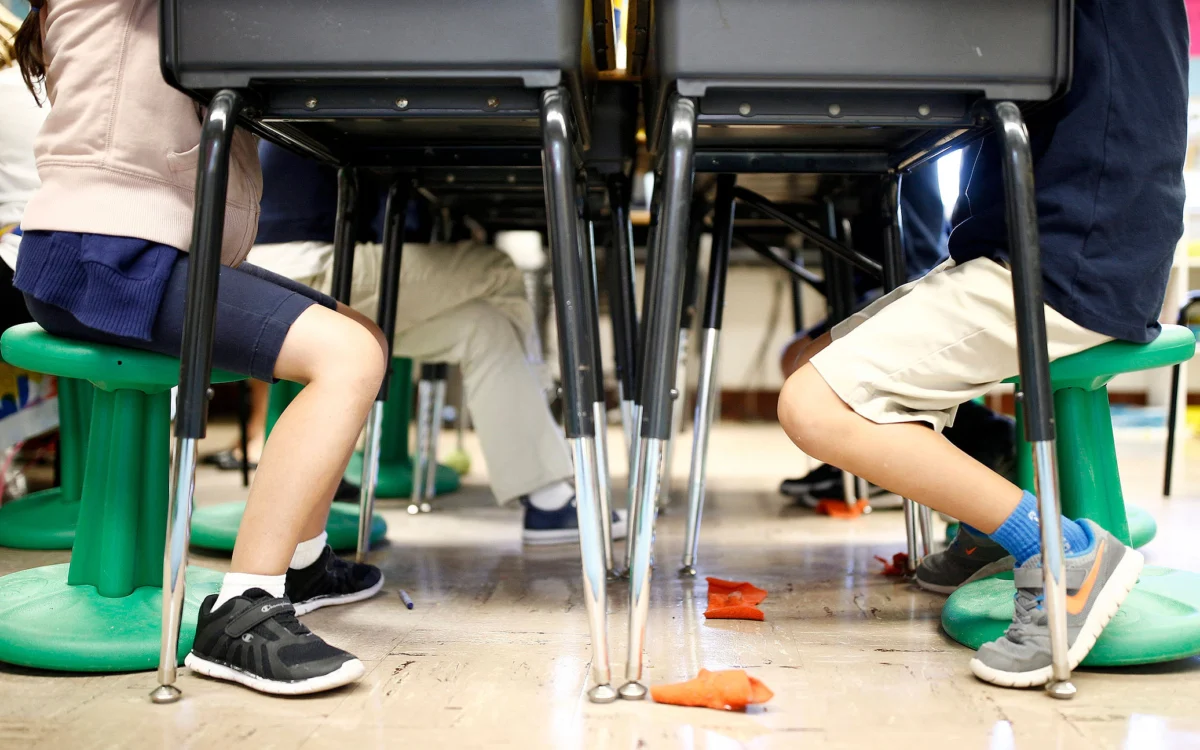
The operational frameworks of Avalon School, Norris School District, and LaFayette Big Picture School reveal a commitment to individualized support and responsive pedagogy. At Avalon School, for instance, the day begins with a "connect session" where students and their advisors engage in a sensory-friendly setting. This practice is designed to reduce overwhelming stimuli, such as harsh lighting and loud noises, creating a calmer and more focused environment conducive to learning for all students, particularly those with sensory sensitivities.
Norris School District, where a substantial 75% of students have IEPs, actively celebrates even the smallest accomplishments, such as a student’s ability to maintain a full conversation. This conscious effort to acknowledge and validate progress helps build self-esteem and reinforces a positive learning trajectory.
Leadership structures also differ significantly. Avalon School, operating as a charter, features a teacher-majority board that empowers educators to make crucial decisions regarding schedules and positions, allowing for greater flexibility in adapting to student needs. LaFayette Big Picture School emphasizes strong student-mentor relationships, while Norris School District implements daily staff meetings to ensure consistent communication and collaborative problem-solving.
Daily practices are further enriched by offering onsite internships, thereby removing the logistical barriers and the need for students to be "ready" to venture outside the school building for crucial career exploration and work-based learning experiences. Disruptive behavior is re-framed not as misconduct, but as a communication of unmet needs. Avalon School employs a "relational repair" strategy, where educators engage students in reflective conversations following challenging behaviors to rebuild trust. At Norris, students are explicitly taught to articulate their feelings, enabling staff to provide more targeted and effective support during behavioral incidents.
A Ripple Effect: Impact on Families and Educators
The positive transformation fostered by these learner-centered frameworks extends beyond the student body, creating a beneficial ripple effect for families and educators alike. Parents at all three schools report a significant reduction in the need to persistently advocate for their child’s special education accommodations. This shift alleviates parental stress and allows for a more collaborative and supportive relationship between home and school.
Educators in these environments also report higher levels of job satisfaction and a greater sense of support. Avalon School boasts an exceptional 90% year-to-year teacher retention rate over two decades, with current staff averaging 10 years of experience. Similarly, at LaFayette, more than half of the teaching staff have dedicated at least nine years to the school. This high retention rate suggests a sustainable and fulfilling work environment for educators, which in turn benefits students through consistent, experienced guidance.
The implications of this research are far-reaching. The success of Avalon School, LaFayette Big Picture School, and Norris School District provides compelling evidence that a shift towards learner-centered education can dismantle systemic barriers for students with disabilities. It highlights the potential for schools to become truly inclusive spaces where diversity is celebrated, individual needs are proactively met, and every student is empowered to achieve their full potential. As educational systems across the nation grapple with issues of equity and access, these innovative models offer a promising path forward, demonstrating that when schools are designed to fit the learner, everyone benefits.
This story was produced by The 74, a non-profit, independent news organization focused on education in America.