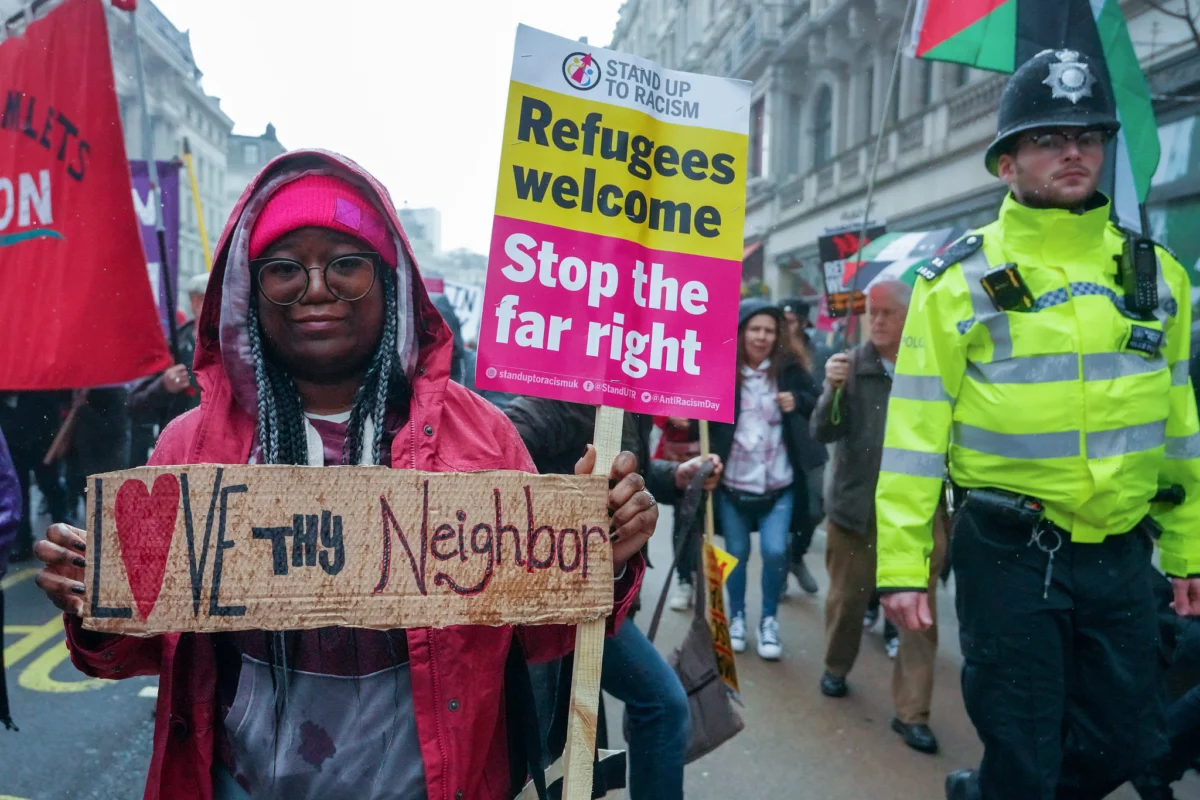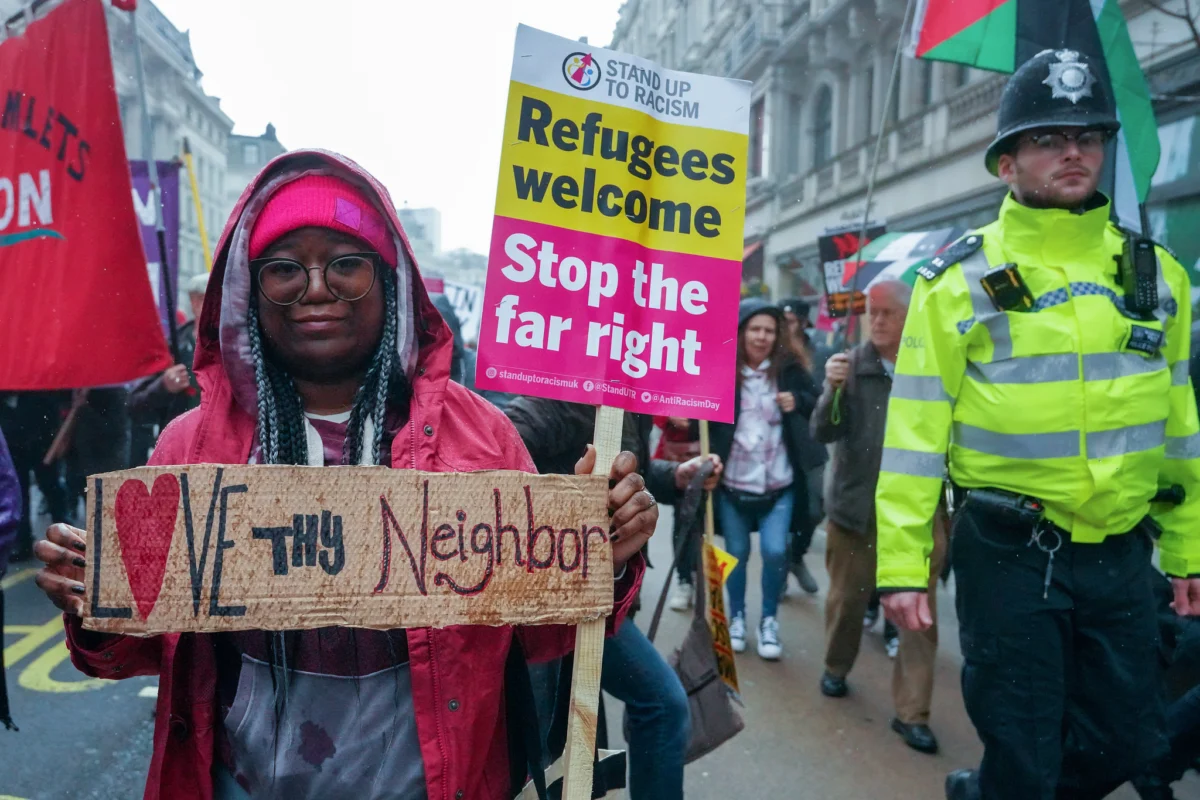
The legal framework that underpins civil liberties and social protections in the United Kingdom is facing an unprecedented period of scrutiny and potential retrenchment. As of early 2026, the foundational pillars of British rights—specifically the Human Rights Act 1998 and the Equality Act 2010—are being debated with increasing intensity within both the political arena and the national media. While these laws were designed to protect individuals from state overreach and institutional discrimination, a growing movement among various political factions and media conglomerates has sought to dilute, replace, or entirely dismantle these protections. Civil liberties organizations, including The Equality Trust and Liberty, have expressed grave concerns that the erosion of these legal safeguards could lead to a significant regression in the rights of marginalized communities and the general public.
The Legislative Pillars: A Historical Context
To understand the current stakes, it is necessary to examine the origins and functions of the two primary acts in question. The Human Rights Act 1998 (HRA) effectively "brought rights home" by incorporating the European Convention on Human Rights (ECHR) into domestic UK law. Drafted in the aftermath of World War II with significant British legal contribution, the ECHR was intended to ensure that the atrocities of the mid-20th century would "never again" occur. The HRA allows individuals to seek redress in British courts for violations of fundamental rights, such as the right to life, freedom from torture, the right to a fair trial, and the right to privacy.
Complementing this is the Equality Act 2010, which consolidated various pieces of anti-discrimination legislation—including the Equal Pay Act 1970, the Sex Discrimination Act 1975, and the Race Relations Act 1976—into a single, comprehensive framework. The Act identifies nine "protected characteristics": age, disability, gender reassignment, marriage and civil partnership, pregnancy and maternity, race, religion or belief, sex, and sexual orientation. By making it unlawful to discriminate against individuals based on these traits in employment, education, and the provision of services, the Act transformed the social landscape of the UK.
A Chronology of Legislative Pressure
The movement to reform or repeal these acts has gained significant momentum over the last decade. A timeline of these developments reveals a consistent pattern of political challenges to the established rights framework:
- 2010-2015: Following the enactment of the Equality Act, the Coalition government began reviewing "red tape," leading to the removal of certain provisions, such as the third-party harassment protections, which held employers liable if their employees were harassed by customers or clients.
- 2016-2022: Successive Conservative administrations frequently floated the idea of a "British Bill of Rights" to replace the Human Rights Act. Proponents argued this would "restore the sovereignty of Parliament" and prevent the European Court of Human Rights (ECtHR) from "overruling" domestic decisions, particularly in cases involving deportation and immigration.
- 2023-2024: The introduction of the Bill of Rights Bill (often referred to as the "Raab Bill") marked the most direct attempt to overhaul the HRA. Although the bill was eventually shelved after significant opposition from legal experts and human rights groups, it signaled a clear intent to weaken the link between UK courts and the ECtHR.
- 2025-2026: Political rhetoric has shifted toward the Equality Act. Reform UK has formally pledged to scrap the Act entirely, labeling it a "barrier to productivity." Meanwhile, the Labour Party has initiated a review of how ECtHR rulings are applied, suggesting a potential recalibration of the relationship between domestic policy and international human rights obligations.
Media Influence and the "Misinformation Campaign"
A critical factor in the shifting public perception of human rights is the concentrated nature of British media ownership. Data indicates that approximately 90% of the UK’s national newspaper circulation is controlled by just three billionaire-owned companies. Research by media monitors suggests that this concentration has facilitated a decades-long campaign to frame human rights not as universal protections, but as "special interests" or "loopholes" exploited by criminals and minority groups.
Analytic reports from civil liberties groups point to a rise in "clickbait" headlines that distort legal realities. Common narratives often focus on rare or misrepresented legal cases to suggest that human rights laws prevent the police from acting or allow individuals to "sue for anything." This "divide-and-rule" strategy, as described by social analysts, aims to alienate the majority of the public from the very laws that protect them. For instance, while media coverage often focuses on the HRA in the context of high-profile criminal appeals, the Act is more frequently used by ordinary citizens to challenge local authorities over social care, housing conditions, and the protection of elderly relatives in care homes.
The Socio-Economic Duty: The Unfinished Business of Equality
While much of the debate focuses on existing protections, there is a significant portion of the Equality Act 2010 that remains largely unimplemented in England. Section 1 of the Act, known as the "Socio-Economic Duty," requires public bodies to consider how their decisions can reduce the inequalities of outcome which result from socio-economic disadvantage.
While the governments of Scotland and Wales have commenced this duty, it remains dormant at the Westminster level. The Equality Trust and other advocacy groups have been campaigning for the full commencement of Section 1, arguing that it is a vital tool for addressing the UK’s widening wealth gap. Without this duty, public policy often ignores the systemic barriers faced by those in poverty, leading to "postcode lotteries" in healthcare, education, and life expectancy. The failure to activate this section is seen by critics as a deliberate choice to prioritize fiscal austerity over social equity.
Supporting Data: The Reality of Discrimination
Despite the presence of the Equality Act, data from the Office for National Statistics (ONS) and various NGOs highlight that discrimination remains a systemic issue in the UK:
- Employment: Disabled people are significantly less likely to be in employment than non-disabled people, with an employment gap that has persisted at around 28 to 30 percentage points for the last decade.
- Pay Gaps: The gender pay gap, while narrowing, remains a persistent feature of the UK economy. Furthermore, the ethnicity pay gap shows that workers from certain ethnic backgrounds earn substantially less than their white counterparts in similar roles.
- Legal Aid: Access to justice has been severely curtailed by cuts to legal aid over the past 15 years. This means that even though rights exist on paper, many individuals—particularly those from low-income backgrounds—lack the financial means to enforce them in court.
These statistics suggest that rather than being "too strong," current equality laws are often under-enforced and under-resourced.
International Comparisons and the Risk of Regression
Civil liberties groups frequently point to the United States as a cautionary tale for the United Kingdom. The reversal of long-standing precedents, such as the Supreme Court’s decision on reproductive rights (Roe v. Wade), demonstrates that legal rights are not permanent and can be revoked through political and judicial shifts.
In the UK context, the erosion of rights is often more subtle. It occurs through the weakening of statutory duties, the narrowing of judicial interpretations, and the reduction of funding for enforcement bodies like the Equality and Human Rights Commission (EHRC). Legal experts warn that "rights regression" does not always happen through a single, dramatic repeal of an act; it can happen "quietly" through administrative changes that make it harder for individuals to hold the state or powerful corporations accountable.
Official Responses and Professional Analysis
The response from the legal community has been largely defensive of the current framework. The Law Society of England and Wales has consistently argued that the Human Rights Act is a "success story" that provides a vital check on government power. In a statement regarding proposed reforms, the Society noted that any move to weaken the HRA would undermine the rule of law and make it harder for ordinary people to challenge "unfair or mistaken" decisions by public bodies.
Conversely, proponents of reform argue that the current system is overly litigious and interferes with democratic decision-making. Politicians favoring a "British Bill of Rights" claim that domestic judges should have the final say on British law, free from the "influence" of Strasbourg (the seat of the ECtHR), despite the fact that the UK is a founding member of the Council of Europe and helped write the convention.
Implications for the Future
The ongoing debate over the Equality Act and the Human Rights Act represents a fundamental disagreement over the nature of the British state and its relationship with its citizens. If the movement to "roll back" these rights succeeds, the implications would be far-reaching. Without the Equality Act, the legal recourse for a person fired for being pregnant, or a disabled person denied access to a public building, would be significantly weakened or eliminated. Without the Human Rights Act, the state’s power to infringe upon privacy or free expression would face fewer hurdles.
As the Equality Trust and other organizations continue to produce research-led policy and advocacy, the focus remains on strengthening these safeguards rather than allowing them to be diminished. The coming months and years will likely see intensified legal and political battles as the UK decides whether to uphold its post-war commitment to universal human rights or to pivot toward a more restricted, discretionary model of civil liberties. For now, these laws remain the primary line of defense for millions of citizens against discrimination and the abuse of power, but their survival is no longer considered a certainty.