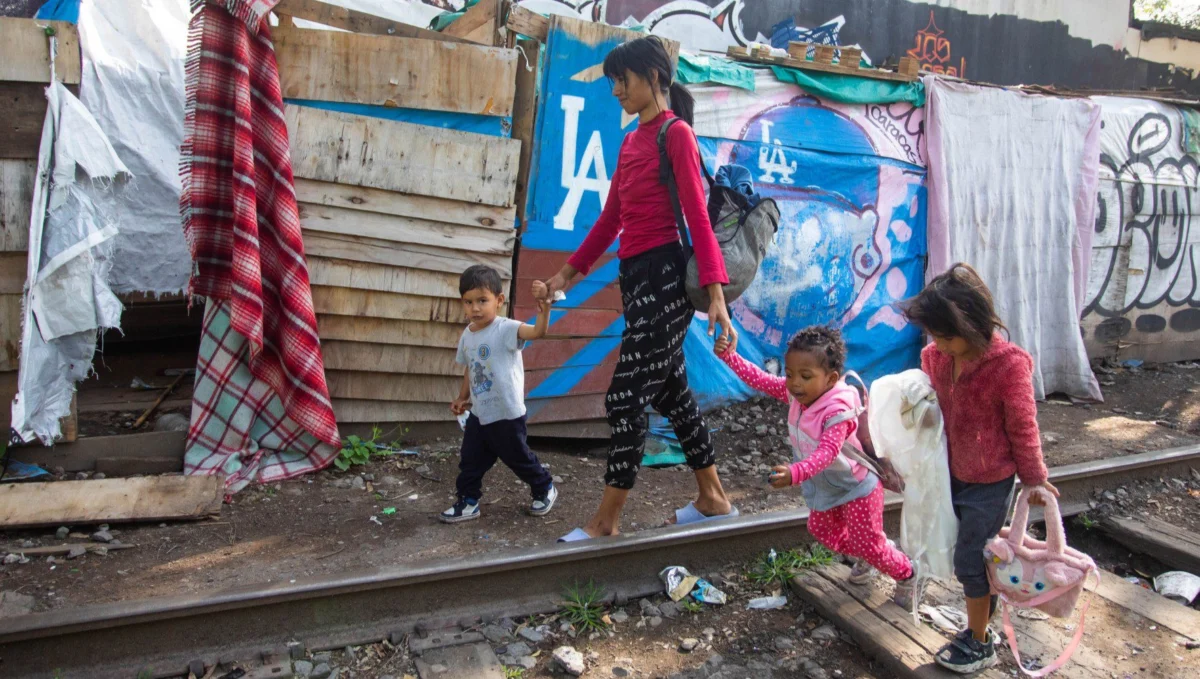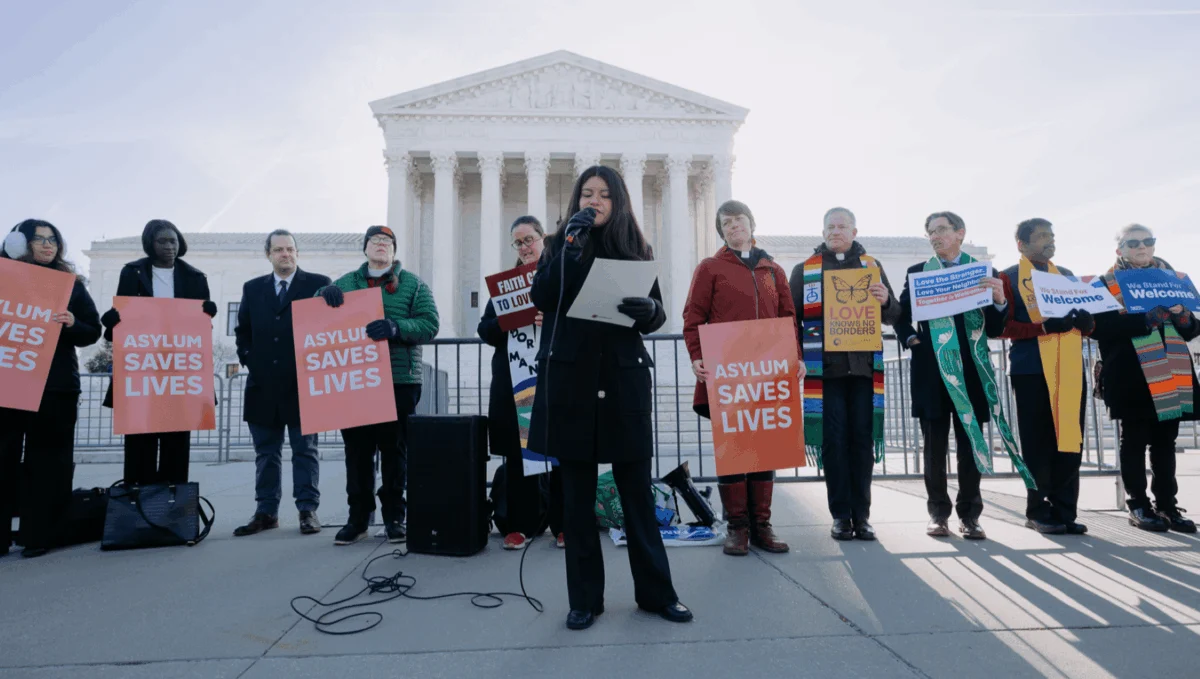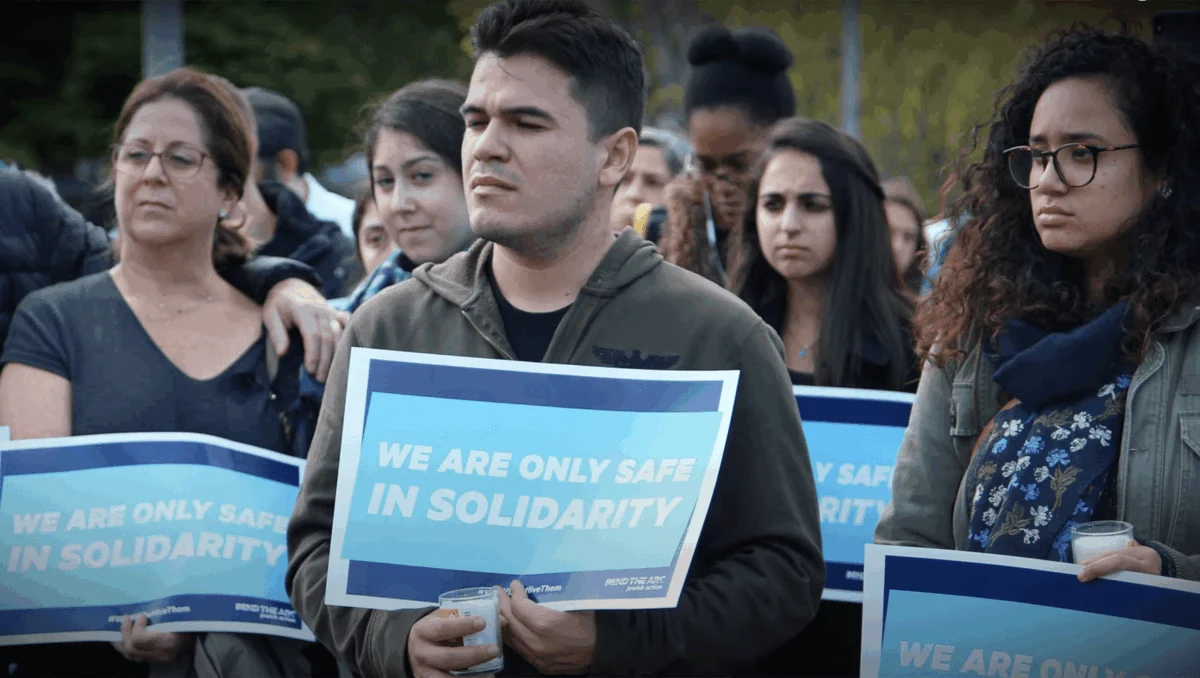
The past decade has witnessed a disturbing surge in disinformation and conspiracy theories targeting immigrants in the United States and across the globe. Foremost among these insidious narratives is the notion of an "immigrant invasion," a fabricated claim suggesting that a deluge of newcomers is poised to fundamentally alter the demographic landscape of the nation. This dangerous falsehood, often amplified by dehumanizing rhetoric that falsely implicates immigrants in economic hardship and crime, serves as a potent accelerant for hatred and fear, culminating in tragic and devastating consequences.
Unpacking the "Great Replacement Theory"
At the heart of this escalating alarmism lies the "Great Replacement Theory," a white nationalist conspiracy theory that posits a deliberate, orchestrated plot to supplant white populations in Western countries with non-white immigrants. Once confined to the fringes of the internet, this pernicious ideology has steadily infiltrated mainstream discourse, particularly in the late 2010s. Its destructive influence became starkly evident in its role as an inspiration for multiple mass shootings and the infamous "Unite the Right" rally in Charlottesville, Virginia, in 2017. Today, nine years later, the "Great Replacement Theory" is arguably more pervasive than ever in American politics, with its hateful tenets being openly espoused on prominent political platforms.
HIAS, a leading international Jewish organization dedicated to assisting refugees, displaced persons, and immigrants, has been examining this phenomenon in depth as part of its "Deep Dive" series, seeking to understand its origins, manifestations, and profound connection to their work.
The Genesis and Evolution of a Hateful Ideology
The "Great Replacement Theory" is not a recent invention but rather a modern iteration of age-old racist and antisemitic tropes. Its roots can be traced back to the late 19th century, when a prominent French journalist propagated the fear that Jewish people were intent on "destroying" French culture. This sentiment found fertile ground in the eugenics movement prevalent in the United States, which advocated for the sterilization of Black Americans as a means of population control. Throughout American history, the arrival of Jewish immigrants was frequently characterized as an "invasion" by politicians seeking to stoke fear and animosity.
The term "Great Replacement Theory" itself was popularized in 2011 by French author and conspiracy theorist Renaud Camus in his book Le Grand Remplacement. Camus alleged that "elite" figures within the French government were actively facilitating Muslim immigration to dilute France’s white, Christian population and identity. In the United States, the theory has taken on a more explicit focus, often identifying Jewish people as the architects of this alleged plot and non-white immigrants as the "invaders."
The Tangible Horrors: Violence Fueled by Conspiracy
The consequences of the "Great Replacement Theory" are not abstract; they are brutally concrete, manifesting in acts of violence and hatred directed at Jews, immigrants, people of color, and their allies. Reports from 2025 indicated a grim escalation in antisemitic incidents, with the highest number of Jewish fatalities recorded in three decades. This alarming trend underscores the real-world impact of this conspiratorial narrative.
The perpetrator of the 2018 mass shooting at the Tree of Life synagogue in Pittsburgh, Pennsylvania, a horrific act that claimed 11 lives, was motivated by an online screed that explicitly accused HIAS of facilitating the migration of "hostile invaders" who would imperil "his people." The synagogue’s congregation had been actively participating in HIAS’s Refugee Shabbat program, highlighting the direct link between the organization’s humanitarian efforts and the perpetrator’s antisemitic rage.
Prior to the Pittsburgh attack, the 2017 "Unite the Right" rally in Charlottesville saw right-wing marchers chant the explicitly antisemitic slogan, "Jews will not replace us," demonstrating the intertwined nature of the xenophobic movement and anti-Jewish sentiment. In 2019, a violent white supremacist targeted a Chabad center in Poway, California, killing one person and injuring others, while accusing Jews of "destroying the white race." The perpetrator of the 2019 Walmart massacre in El Paso, Texas, which resulted in 23 fatalities, was directly inspired by the "Great Replacement Theory." Similarly, the 2022 mass shooting at a supermarket in Buffalo, New York, was carried out by an individual who espoused these same hateful beliefs.
Beyond these mass casualty events, the rhetoric of "invasion" has permeated political discourse. The notion of migrants arriving at the U.S.-Mexico border as an "invasion" – a trope inextricably linked to the "Great Replacement Theory" – has been adopted by numerous politicians and has directly informed the development of anti-immigration policies. This has also fueled the pernicious falsehood that migrants are arriving with the intent to commit widespread voter fraud.
Policy Implications: "Remigration" and Mass Deportations
The concept of "replacement" has also served as a foundational tenet for the Trump administration’s mass deportation policies, which gained significant momentum since January 2025. The anti-immigrant agenda has actively promoted "remigration," a euphemism for the forced deportation of non-white individuals from Western countries. Since President Trump took office, hundreds of thousands of immigrants have been deported from the United States. These actions have demonstrably harmed the social fabric and economy of the country, inflicting profound suffering on individuals and families who were deeply integrated into American society. Data from organizations like the National Immigration Law Center has consistently highlighted the detrimental impact of these mass deportation policies on communities and the nation as a whole.
The Targeting of HIAS: A Pattern of Misinformation
Given its position at the intersection of Jewish identity and the provision of aid to refugees and immigrants, HIAS has become a frequent target of those promoting the "Great Replacement Theory." White nationalist media figures and influencers have deliberately disseminated false information about HIAS’s operations, aiming to advance their xenophobic, antisemitic, and racist agendas. This strategy often involves financial incentives derived from the amplification of hate speech.
In response to these malicious smears, HIAS has consistently emphasized factual information regarding its mission and operations. For over a century, the organization’s work has been guided by deeply held values of welcome, empathy, and the inherent dignity of every human being. HIAS asserts its unwavering commitment to supporting refugees and immigrants, stating that it "will not be deterred by hatred in any form."
Broader Societal Ramifications and the Fight Against Ignorance
The proliferation of the "Great Replacement Theory" represents a grave threat to democratic societies. It erodes social cohesion, fuels intergroup conflict, and undermines the principles of human rights and compassion. The theory’s insidious nature lies in its ability to tap into existing anxieties and prejudices, transforming them into a justification for discrimination and violence.
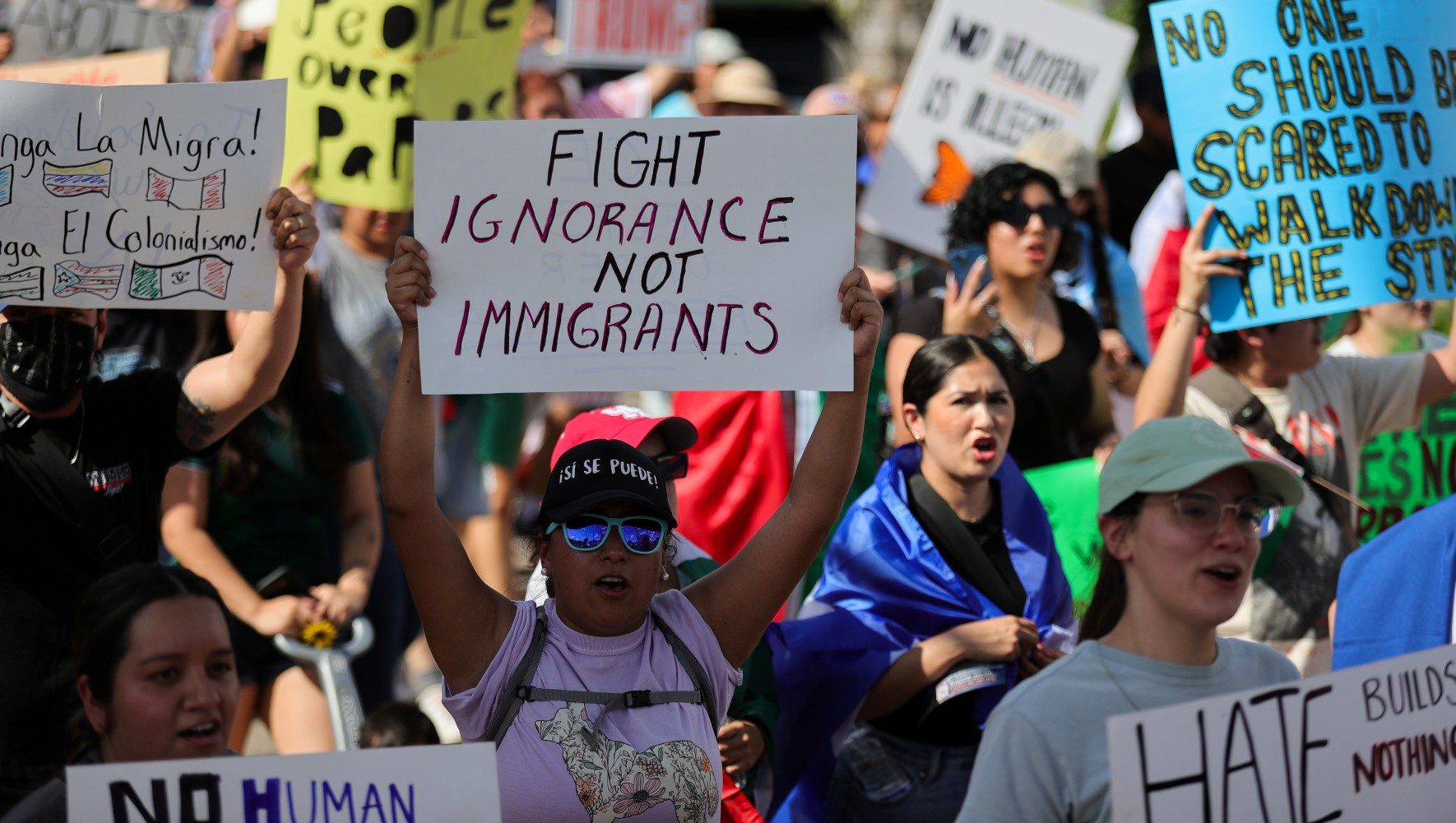
Combating this dangerous ideology requires a multi-faceted approach. Education plays a crucial role in debunking myths and fostering critical thinking skills. Supporting organizations like HIAS, which provide essential services to vulnerable populations and actively counter disinformation, is paramount. Furthermore, holding accountable those who propagate hate speech and conspiracy theories, whether in the media or political arenas, is a necessary step in safeguarding societal well-being. The fight against the "Great Replacement Theory" is, in essence, a fight against ignorance and a defense of our shared humanity.
Timeline of Key Events and Manifestations:
- Late 19th Century: Emergence of antisemitic tropes in France and the rise of eugenics movements in the United States, laying ideological groundwork for later conspiracy theories.
- 2011: Publication of Renaud Camus’s Le Grand Remplacement, popularizing the term and its core tenets in Europe.
- 2017: "Unite the Right" rally in Charlottesville, Virginia, marked by antisemitic chants and violence, bringing the "Great Replacement Theory" into mainstream U.S. political discourse.
- 2018: Mass shooting at the Tree of Life synagogue in Pittsburgh, Pennsylvania, directly linked to the conspiracy theory and targeting HIAS.
- 2019: Mass shooting at a Chabad center in Poway, California, and the Walmart massacre in El Paso, Texas, both perpetrated by individuals inspired by the "Great Replacement Theory."
- 2020s: Continued integration of "invasion" rhetoric into anti-immigration policies and political campaigns.
- January 2025: Escalation of mass deportation policies under the Trump administration, framed by "remigration" ideology.
- 2025-2026: Reports of significantly increased antisemitic violence and fatalities globally, with a direct correlation to the persistence of the "Great Replacement Theory."
The enduring presence and evolving manifestations of the "Great Replacement Theory" serve as a stark reminder of the persistent threat of hate-fueled ideologies. Addressing this challenge demands vigilance, education, and a steadfast commitment to protecting vulnerable communities and upholding the principles of a just and inclusive society.