In a landmark move for Southeast Asian education, the Kingdom of Cambodia has officially inaugurated its first centralized digital education ecosystem, the Capacity Development Platform (CDP). Launched in November 2025 by the Ministry of Education, Youth, and Sport (MoEYS) in collaboration with UNICEF and World Education, the platform represents a fundamental shift in how the nation recruits, trains, and retains its teaching workforce. Funded through a strategic multi-lateral partnership involving the Global Partnership for Education (GPE), the European Union (EU), and the Australian Department of Foreign Affairs and Trade (DFAT), the CDP serves as a comprehensive digital repository and training hub designed to bridge the urban-rural divide in educational quality.
By centralizing professional development, the CDP enables educators across Cambodia—including those stationed in the most remote provinces—to access high-quality instructional materials, earn accredited professional development credits, and pursue qualification upgrades through a flexible online and blended learning model. This initiative is not merely a technological upgrade but a systemic integration into the national education framework, ensuring that digital transformation is rooted in institutional governance and long-term sustainability.
A Strategic Response to National Educational Needs
The genesis of the Capacity Development Platform is rooted in Cambodia’s broader "Education Strategic Plan 2024–2028," which prioritizes the professionalization of the teaching force as the primary driver of student learning outcomes. Historically, teacher training in Cambodia has faced challenges related to geographical accessibility, inconsistent curriculum delivery, and a lack of standardized tracking for professional growth.
To address these hurdles, World Education, a JSI initiative, was tasked with co-designing the platform alongside MoEYS. The design process was governed by a "human-centered" philosophy, acknowledging that the success of digital tools depends entirely on their usability by the people they are meant to serve. This involved extensive field research into the daily lives of Cambodian teachers, many of whom rely on smartphones as their primary computing devices and operate in areas with intermittent 4G connectivity.
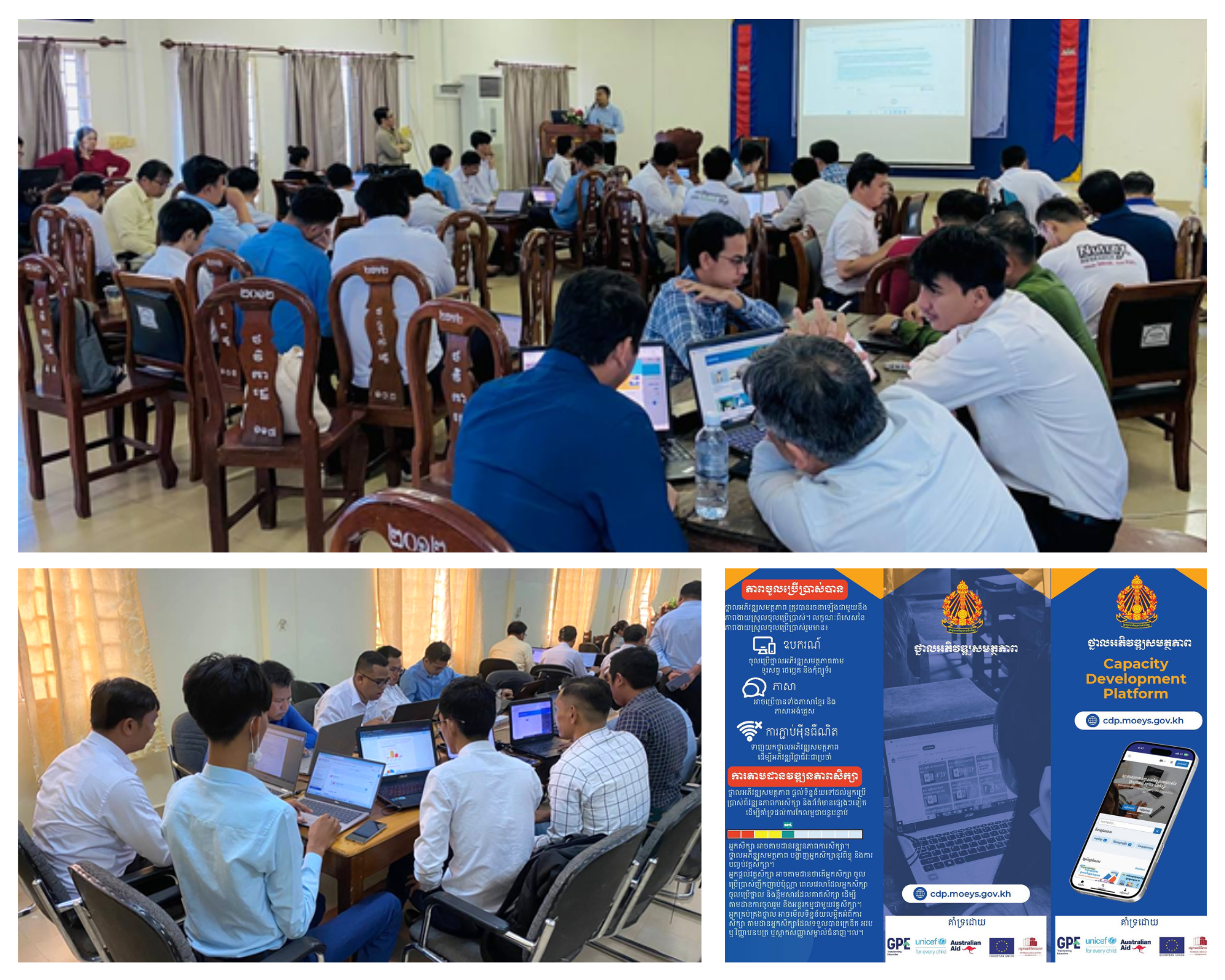
Consequently, the CDP was engineered to be "smartphone-first" and optimized for low-bandwidth environments. This technical foresight ensures that a teacher in a floating village on the Tonle Sap or a mountainous region in Ratanakiri can access the same caliber of training as a teacher in Phnom Penh.
Chronology of Development and Implementation
The rollout of the CDP followed a rigorous multi-year timeline, moving from conceptualization to national scaling through a series of phased milestones:
- Conceptualization and Co-Design (2023–2024): World Education and MoEYS conducted stakeholder consultations to define the functional requirements of the platform. This phase focused on ensuring the CDP would not exist as a standalone "silo" but would instead communicate with existing government databases, such as the Education Management Information System (EMIS).
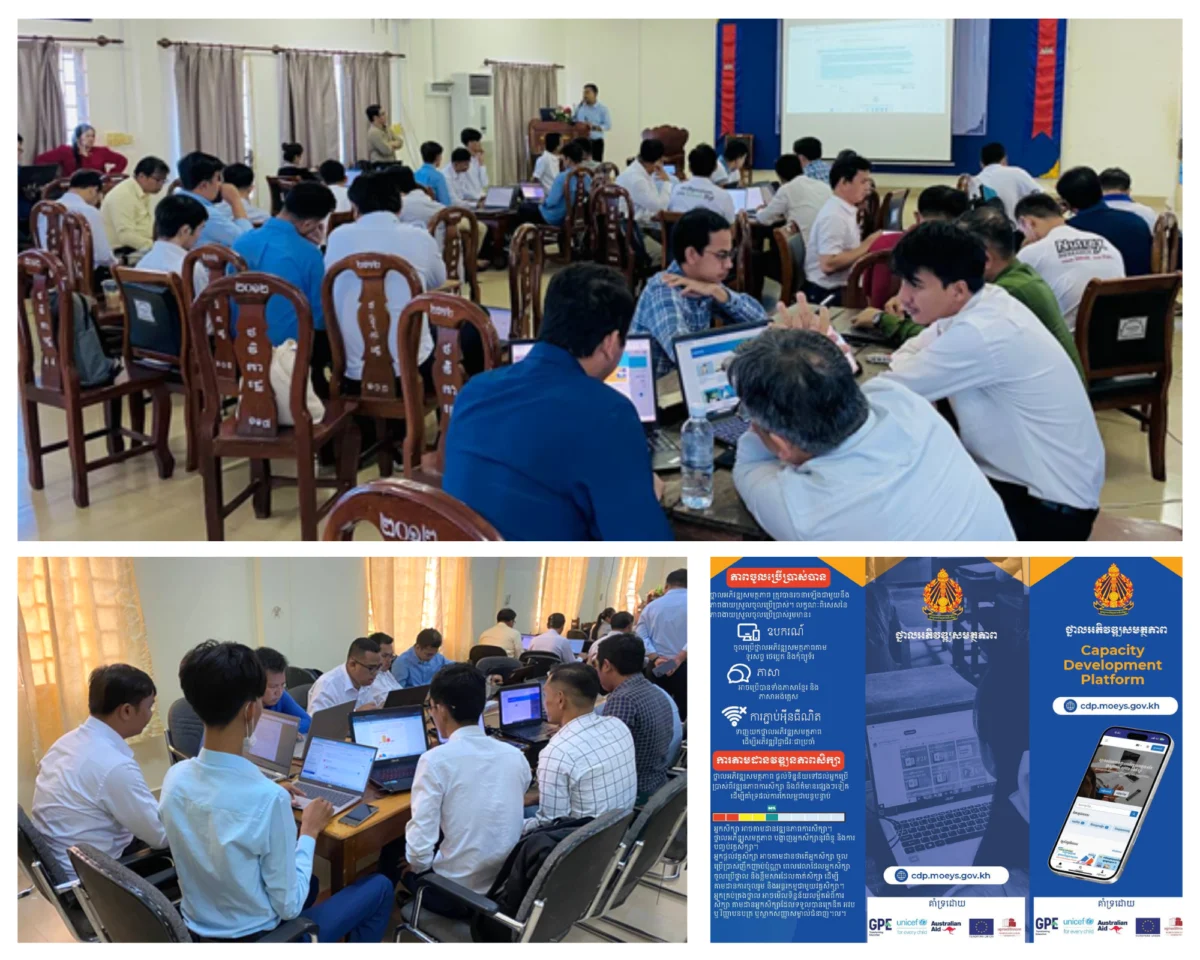
- Capacity Building and Pilot Testing (May 2025): Intensive capacity-building workshops were held on May 5–6 and May 19–20, 2025. These sessions involved MoEYS staff, technical experts, and lead educators who tested the user interface and provided feedback on course content. These workshops were critical for fostering a sense of "national ownership" over the digital infrastructure.
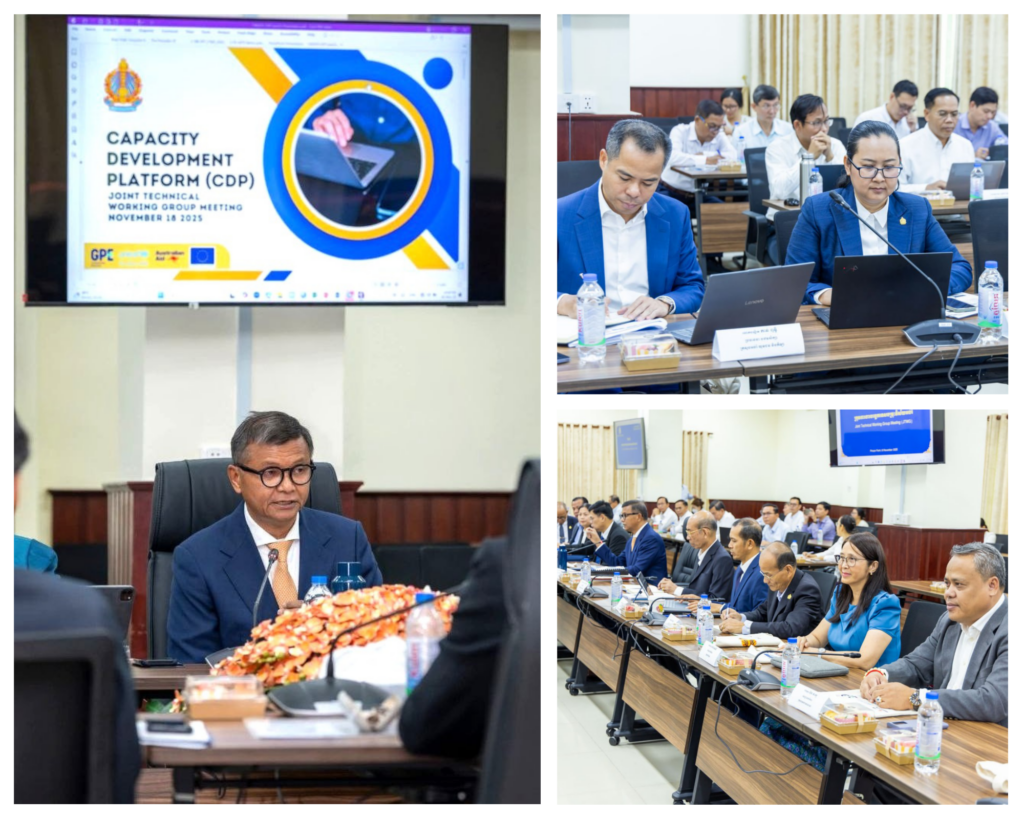
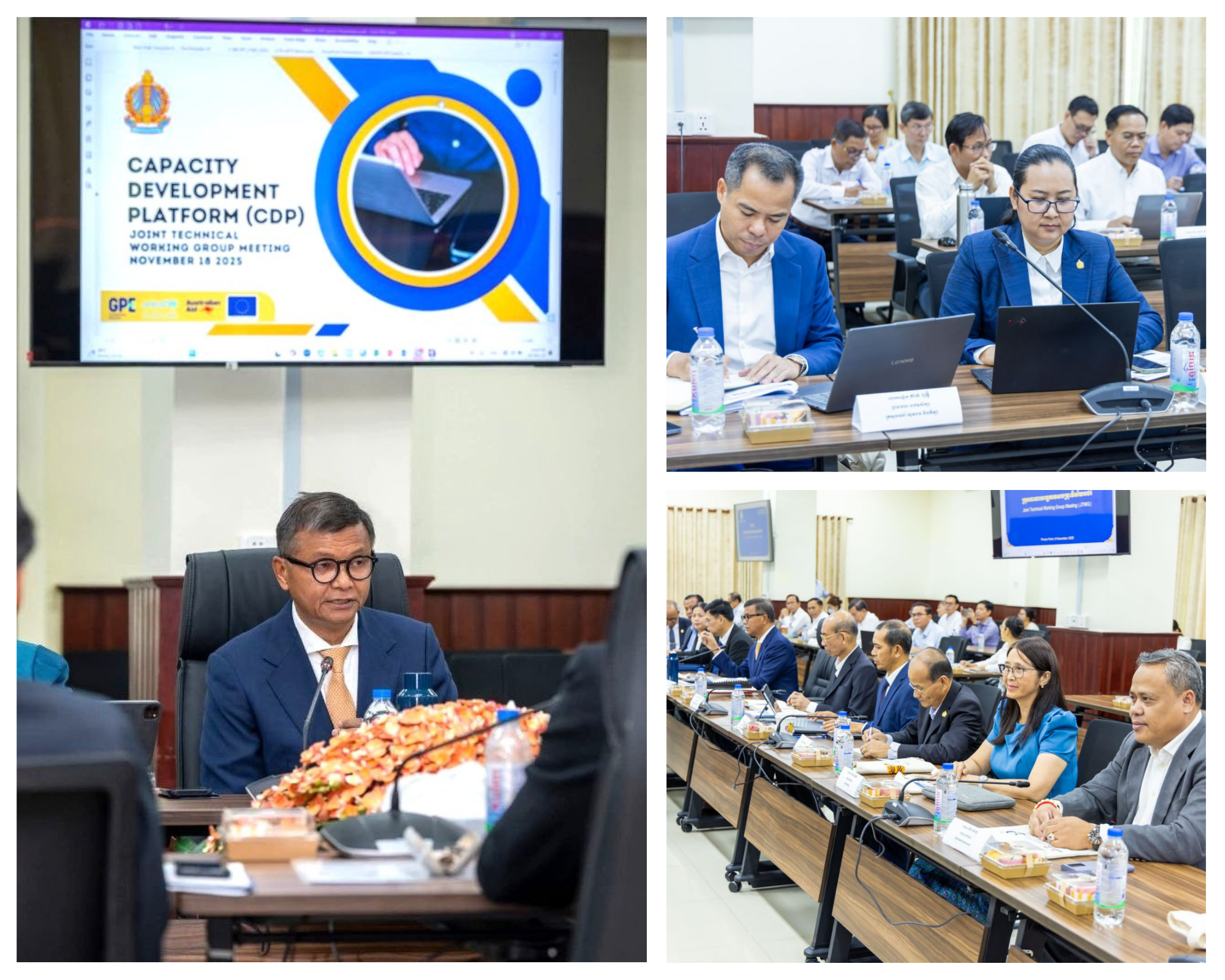
- Official Launch (November 2025): The platform was formally inaugurated by high-ranking government officials and international development partners, signaling the transition from a pilot project to a national standard.
- Ownership Transition (Late 2025–Early 2026): Following the launch, World Education transitioned technical ownership to the MoEYS Department of Digital Transformation. This included specialized training in cybersecurity, server management, and data privacy to ensure the government could maintain the system independently of external consultants.
Institutional Governance and Career Progression
One of the most innovative aspects of the CDP is its direct link to the national teacher career pathway. Unlike many digital learning platforms that offer non-binding certificates, the CDP is integrated into the MoEYS governance structure. Credits earned through the platform are officially recognized and contribute to a teacher’s professional "portfolio," which is used to determine promotions, salary increments, and eligibility for advanced administrative roles.
To oversee this, a dedicated government governance group was established. This body ensures that the content uploaded to the platform meets national pedagogical standards and that the assessment mechanisms are rigorous. By tying digital learning to tangible career benefits, the MoEYS has created a powerful incentive for educators to engage in continuous self-improvement.
H.E. Dr. Hang Chuon Naron, Deputy Prime Minister and Minister of MoEYS, emphasized the transformative potential of this integration. He noted that by digitizing teacher training, the ministry is not just providing tools but is empowering educators with the knowledge and support necessary to inspire students and improve nationwide learning outcomes.
Supporting Data and Early Impact Metrics
The adoption rates of the CDP since its inception have exceeded initial projections, highlighting a significant demand for digital learning opportunities among Cambodian educators. According to the latest figures released by MoEYS:
- Total Registered Users: Over 44,000 educators have registered on the platform within the first few months of its national rollout.
- Course Enrollment: More than 23,000 educators are currently enrolled in accredited courses.
- Course Diversity: The platform currently hosts a variety of modules, with the highest engagement seen in Early Grade Reading (EGR) and Information and Communication Technology (ICT) for Teaching and Learning.
- Geographical Reach: Data indicates active participation from all 25 provinces, with a notable uptick in engagement from rural primary school teachers.
The impact of these courses is already being felt in the classroom. Mrs. Proeut Sanh, a primary school teacher from Kralanh District in Siem Reap Province, shared that the ICT course fundamentally changed her approach to lesson planning. By utilizing digital tools and Artificial Intelligence (AI) concepts introduced via the CDP, she has been able to create more interactive lessons, leading to higher levels of student participation and engagement.
Analysis of Broader Implications
The launch of the CDP carries significant implications for Cambodia’s socio-economic development. As the country seeks to move from a lower-middle-income status to an upper-middle-income status by 2030, the development of human capital is paramount. A digitally literate teaching force is the first step in producing a digitally literate workforce.
Furthermore, the CDP serves as a model for "South-South" cooperation and digital public infrastructure. By building a system tailored to local needs rather than purchasing an "off-the-shelf" solution from a foreign vendor, Cambodia has created a blueprint that other developing nations can follow. The platform’s focus on "low-bandwidth" accessibility addresses a common barrier in global education technology, proving that digital transformation is possible even in resource-constrained environments.
From a diplomatic and economic perspective, the involvement of the EU and Australia underscores the importance of Cambodia’s educational stability to regional security and economic integration within ASEAN. Investments in education are increasingly viewed by international partners as the most effective way to ensure long-term regional prosperity.
The Path Forward: Blended Learning and Mandatory Standards
The CDP is not a static project; it is an evolving ecosystem. The next phase of development, led by MoEYS with continued technical support from World Education, involves the creation of new content focused on mandatory national standards.
The government is currently rolling out a national in-service teacher qualification upgrading program. This program will utilize a "blended learning" approach, where teachers complete theoretical modules on the CDP and then participate in periodic in-person practicums and mentorship sessions. This hybrid model combines the efficiency of digital delivery with the nuanced feedback of face-to-face coaching.
Current development efforts are also focusing on:
- Inclusive Education: Modules designed to help teachers support students with disabilities.
- Climate Resilience: Integrating environmental education into the standard curriculum to prepare students for the impacts of climate change.
- STEM Education: Strengthening the pipeline of science, technology, engineering, and mathematics training to meet the demands of the modern job market.
Conclusion
The launch of the Capacity Development Platform marks a milestone in Cambodia’s journey toward a modern, equitable, and digital-ready education system. By prioritizing the professional growth of teachers and ensuring that technology serves the needs of the people, the Ministry of Education, Youth, and Sport has laid the groundwork for a more resilient and capable generation of learners. As the CDP continues to scale, it stands as a testament to the power of collaborative partnership, human-centered design, and a steadfast commitment to the idea that quality education should be accessible to all, regardless of geography.