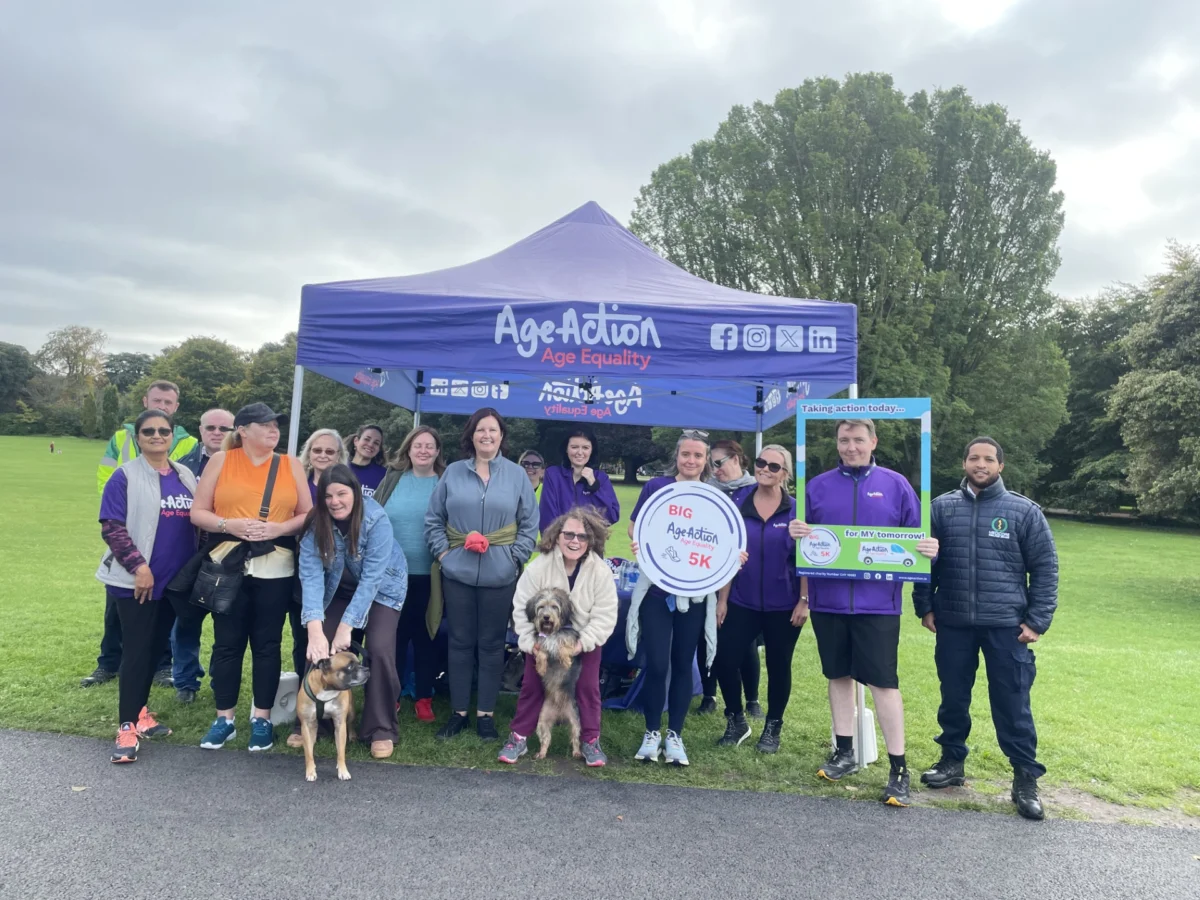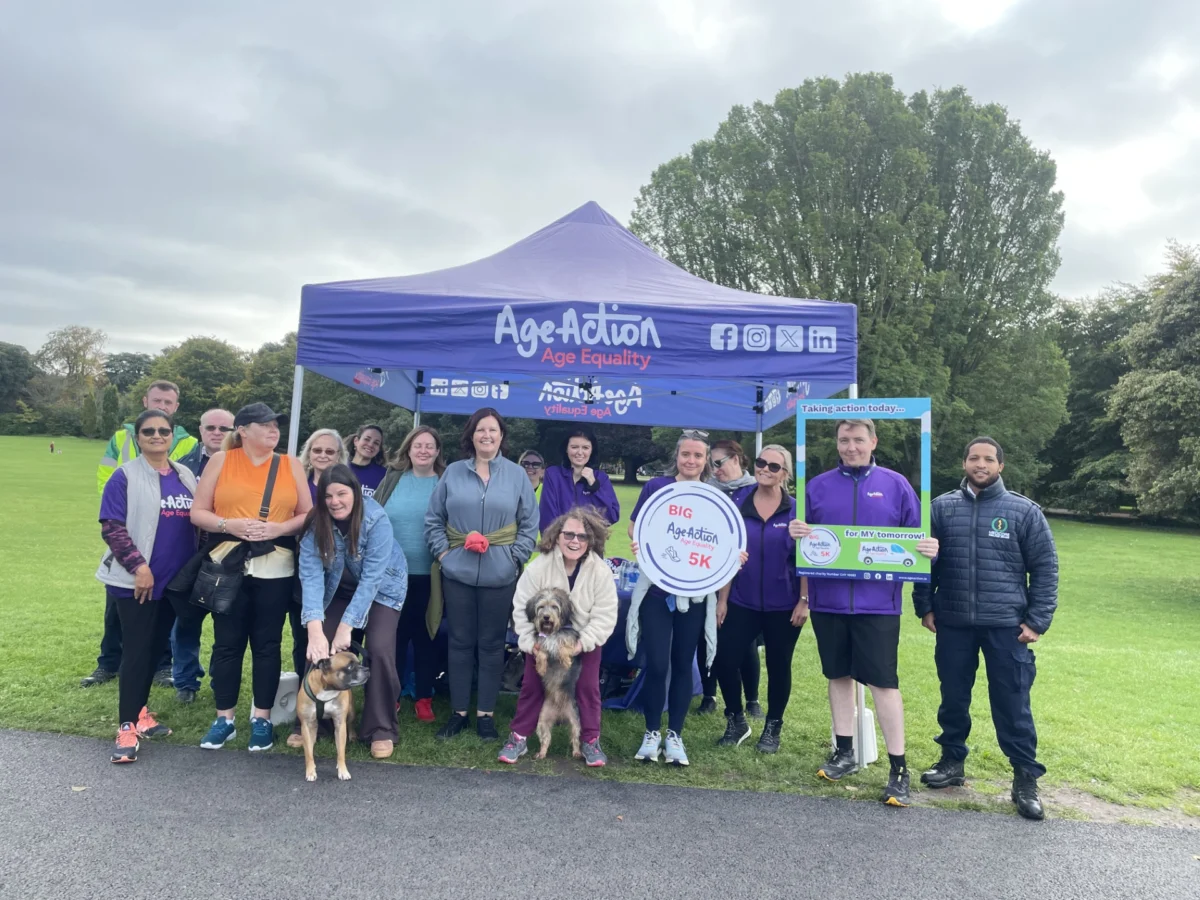
As the 2024 general election campaign enters its formative weeks, Age Action, Ireland’s leading advocacy organization for older people, has issued a robust call to all political parties and candidates to provide concrete policy commitments addressing the needs of the country’s aging population. The organization’s appeal centers on the protection of rights, the promotion of equality, and a strategic commitment to combat ageism, which Age Action argues has been largely absent from the initial stages of political discourse. With nearly one in three voters now aged 60 or older, the demographic weight of this cohort is unprecedented in Irish electoral history, yet representatives of the group suggest their concerns remain on the periphery of the national debate.
Dr. Nat O’Connor, Senior Policy Adviser at Age Action, highlighted a growing disconnect between the political establishment and the lived reality of older citizens. According to O’Connor, feedback from the organization’s constituents indicates a profound sense of marginalization. Older people have reported feeling that politicians do not take sufficient notice of their specific challenges and that there is a palpable lack of respect for the contributions and rights of those in their later years. This sentiment is compounded by the fact that the 2024 election takes place against a backdrop of significant economic and social shifts that disproportionately affect those on fixed incomes and those reliant on public infrastructure.
The Demographic Shift: A Changing Electoral Landscape
The urgency of Age Action’s call is underscored by the shifting demographics of the Irish state. Current data indicates that there are over one million people in Ireland aged 60 or older. Within this group, a significant sub-sector of 185,000 individuals is aged 80 or older. This demographic profile is not static; projections suggest that within the next twenty years, the number of older people in Ireland will nearly double. This "silver surge" implies a massive increase in the number of citizens in advanced old age who will require comprehensive health and social care services, as well as specialized housing and accessible transport systems.
Despite these projections, Age Action contends that the major political parties have yet to demonstrate long-term strategic planning to meet these eventualities. The organization argues that the failure to prepare for an aging population is not merely a concern for the elderly but a looming societal challenge that will impact every citizen as they age. The lack of meaningful discussion regarding the sustainability of the state pension, the adequacy of the care economy, and the physical infrastructure required for an aging society is seen as a critical oversight in the current election cycle.
Economic Security and the State Pension
A primary concern voiced by older people to Age Action is the increasing difficulty of maintaining a basic standard of living on the State Pension. While various budgets have provided incremental increases, the cumulative effect of inflation and the cost-of-living crisis has eroded the purchasing power of many retirees. For those whose sole source of income is the state pension, the rising costs of heating, groceries, and healthcare have created a precarious financial environment.
Age Action is calling for a "benchmarking" of the State Pension to ensure it remains at a level that prevents poverty and allows for a life of dignity. This involves linking pension rates to a percentage of average earnings or a specific basket of goods and services. Without such a mechanism, older people remain at the mercy of annual budgetary cycles and political discretion, leading to uncertainty and financial anxiety. The organization emphasizes that economic security in old age is a fundamental right and that the current "ad hoc" approach to pension increases is insufficient for long-term stability.
Digital Exclusion and the Erosion of Public Services
One of the most persistent frustrations reported by older citizens is the trend toward "digital by default" services. In recent years, banking, utilities, and even essential public services have shifted their primary interfaces to online platforms. While this transition offers efficiency for service providers, it creates significant barriers for a substantial portion of the older population who may lack digital literacy, reliable internet access, or the hardware necessary to navigate these systems.
Older people have expressed frustration at being "forced online" to perform tasks that were previously handled through face-to-face interactions or over the telephone. This digital divide is not merely an inconvenience; it is a form of exclusion that limits access to financial management, healthcare appointments, and social welfare updates. Age Action is demanding that political parties commit to maintaining "offline" pathways for all essential services, ensuring that no citizen is penalized or excluded based on their level of digital engagement.
Healthcare, Social Care, and the Housing Crisis
The healthcare needs of an aging population remain a central pillar of Age Action’s advocacy. The organization notes growing anxieties regarding the accessibility of the HSE (Health Service Executive) system, long waiting lists for specialist care, and the chronic shortage of home care packages. For many older people, the ability to remain in their own homes as they age is a priority, yet the infrastructure to support independent living—such as home adaptations and community-based nursing—is often underfunded or geographically inconsistent.
Furthermore, the housing crisis, often framed as a struggle for young first-time buyers, also has a significant impact on older people. Many are living in homes that are no longer suitable for their physical needs, yet there is a lack of "rightsizing" options—smaller, accessible, and energy-efficient homes located within their existing communities. Age Action argues that the state must invest in a diverse range of housing solutions that allow for aging in place, thereby freeing up larger family homes while ensuring that older citizens live in safe and appropriate environments.
Timeline of the 2024 Election and Age Action’s Engagement
The 2024 general election follows a period of significant social upheaval in Ireland, including the post-pandemic recovery and the onset of the global inflation crisis. Age Action has maintained a consistent presence in the lead-up to the campaign:
- Pre-Budget Submissions (Mid-2024): Age Action submitted detailed proposals to the government, calling for a €30 increase in the State Pension and expanded funding for the Fair Deal scheme and home care.
- Launch of the Election Manifesto (Late 2024): Following the dissolution of the Dáil, Age Action released its "Ten Asks," a comprehensive list of policy requirements designed to guide party platforms.
- Constituency Engagement (Ongoing): The organization has encouraged its members to engage directly with local candidates on doorsteps, questioning them on their specific plans for older people.
- National Advocacy Campaign (Current): Dr. Nat O’Connor and other spokespersons are currently engaged in a media circuit to highlight the "one in three" voter statistic, aiming to leverage the voting power of the older demographic.
Analysis: The Political Implications of the "Silver Vote"
From a political strategy perspective, the "silver vote" is one of the most reliable and influential blocs in Irish politics. Historically, older voters have higher turnout rates than younger cohorts, making their concerns a high priority for parties seeking to form a government. However, Age Action’s critique suggests that parties may be taking this vote for granted, relying on traditional loyalty rather than addressing the evolving needs of a modern aging population.
If political parties fail to address the issues of pension adequacy, healthcare access, and digital exclusion, they risk alienating a massive segment of the electorate. Furthermore, the lack of long-term planning for the doubling of the 80+ population poses a systemic risk to the state’s finances and social cohesion. Analysis suggests that the party which successfully articulates a "rights-based" approach to aging—moving away from a model of "charity" toward one of "entitlement" and "inclusion"—could gain a significant advantage in a highly competitive electoral field.
Official Responses and Cross-Party Perspectives
While specific manifestos are still being scrutinized, early reactions from political parties have been varied. Representatives from the incumbent government parties (Fine Gael and Fianna Fáil) have pointed to recent budget increases in the pension and the expansion of the GP visit card as evidence of their commitment to older people. They argue that their management of the economy provides the stability necessary to fund services for the elderly.
In contrast, opposition parties such as Sinn Féin, the Labour Party, and the Social Democrats have criticized the government for failing to address the structural issues underlying ageism. These parties have suggested that the current system is too reliant on private providers for home care and nursing homes, and they have called for a more integrated public health approach under the Sláintecare framework.
However, Age Action maintains that none of the parties have yet gone far enough in outlining a holistic, twenty-year vision for an aging Ireland. The organization insists that the diversity of the older population—which includes people of different socio-economic backgrounds, ethnicities, and health statuses—must be reflected in policy.
Conclusion: A Call for Respect and Long-Term Vision
As the campaign progresses, Age Action’s message is clear: older people are not a monolithic group to be catered to with "one-off" budget measures, but a diverse and vital part of the electorate with fundamental rights. The organization’s call for a new approach to aging policy is rooted in the necessity of preparing for a demographic shift that is already underway.
Dr. O’Connor’s conclusion serves as a challenge to the next government: political parties must demonstrate that they take older people seriously and that they possess the foresight to build a society where aging is not viewed as a burden, but as a period of life supported by robust public services, economic security, and social respect. The 2024 general election presents a critical opportunity for Ireland to decide whether it will proactively meet the needs of its aging population or continue to react to crises as they arise. For one-third of the voters, the answer to that question will determine their support at the ballot box.