The Southern African San Development Organization (SASDO), under the leadership of Founder and Managing Director Moshe Maghundu, is undertaking a multifaceted approach to strengthen and uplift Indigenous San communities across Southern Africa. Their initiatives span education, poverty reduction, cultural preservation, and development projects, aiming not merely to implement programs but to actively affirm identity, reclaim ancestral spaces, and ensure that San voices are central to shaping their future. This comprehensive strategy addresses the complex challenges faced by these communities, from economic marginalization to the erosion of cultural heritage.
Bridging Generational Divides: Youth Empowerment Through Traditional and Modern Skills
At the core of SASDO’s current efforts is a robust youth empowerment program. This program utilizes workshops designed to impart knowledge in Traditional Knowledge systems, leadership development, and essential modern skills. The objective is to create a vital bridge between elders and youth, ensuring that younger generations remain deeply connected to their rich heritage while simultaneously equipping them with the competencies necessary to navigate the demands of the 21st century. This dual focus is crucial for fostering resilience and ensuring the long-term viability of San culture and communities.
The Artisan Project: Laying Foundations for Self-Sufficiency
A cornerstone of SASDO’s educational initiatives is the Artisan Project. This program provides young individuals with practical vocational training in essential trades such as bricklaying, flooring and roofing, plumbing, and welding. Currently, the project is in its initial phase, focusing on bricklaying for the construction of houses that will serve as operational bases for SASDO. The long-term vision of the Artisan Project is to equip these youths with the skills and confidence to build their own homes and to establish independent businesses, thereby fostering economic independence and self-reliance within the communities. This hands-on approach not only imparts technical proficiency but also instills a sense of accomplishment and agency among participants.
Cultural Heritage and Economic Realities: Arts and Crafts Workshops
Through a grant from the Keepers of the Earth Fund by Cultural Survival, SASDO has facilitated impactful arts and crafts workshops in Platfontein, South Africa, and Bwabwata, Namibia. These sessions provided a platform for participants to create new artistic pieces or showcase existing ones, crucially, by sharing the stories and cultural significance embedded within each object. A significant aspect of these workshops involved candid discussions among artisans about their experiences selling their work and the formidable challenges they encounter in the contemporary marketplace. These dialogues revealed a disheartening reality: while a wealth of skilled and talented youth exists within these communities, their entrepreneurial aspirations are often stifled by escalating economic difficulties.
The methodology employed in these workshops thoughtfully integrated traditional wisdom with professional guidance. For craft-making, community Elders, repositories of invaluable traditional knowledge, were invited to facilitate, sharing their expertise and techniques. In contrast, the arts workshops benefited from the input of outside professional facilitators, bringing contemporary artistic perspectives. At the culmination of these sessions, participants were encouraged to demonstrate the skills they had acquired, showcasing both their technical growth and their creative expression.
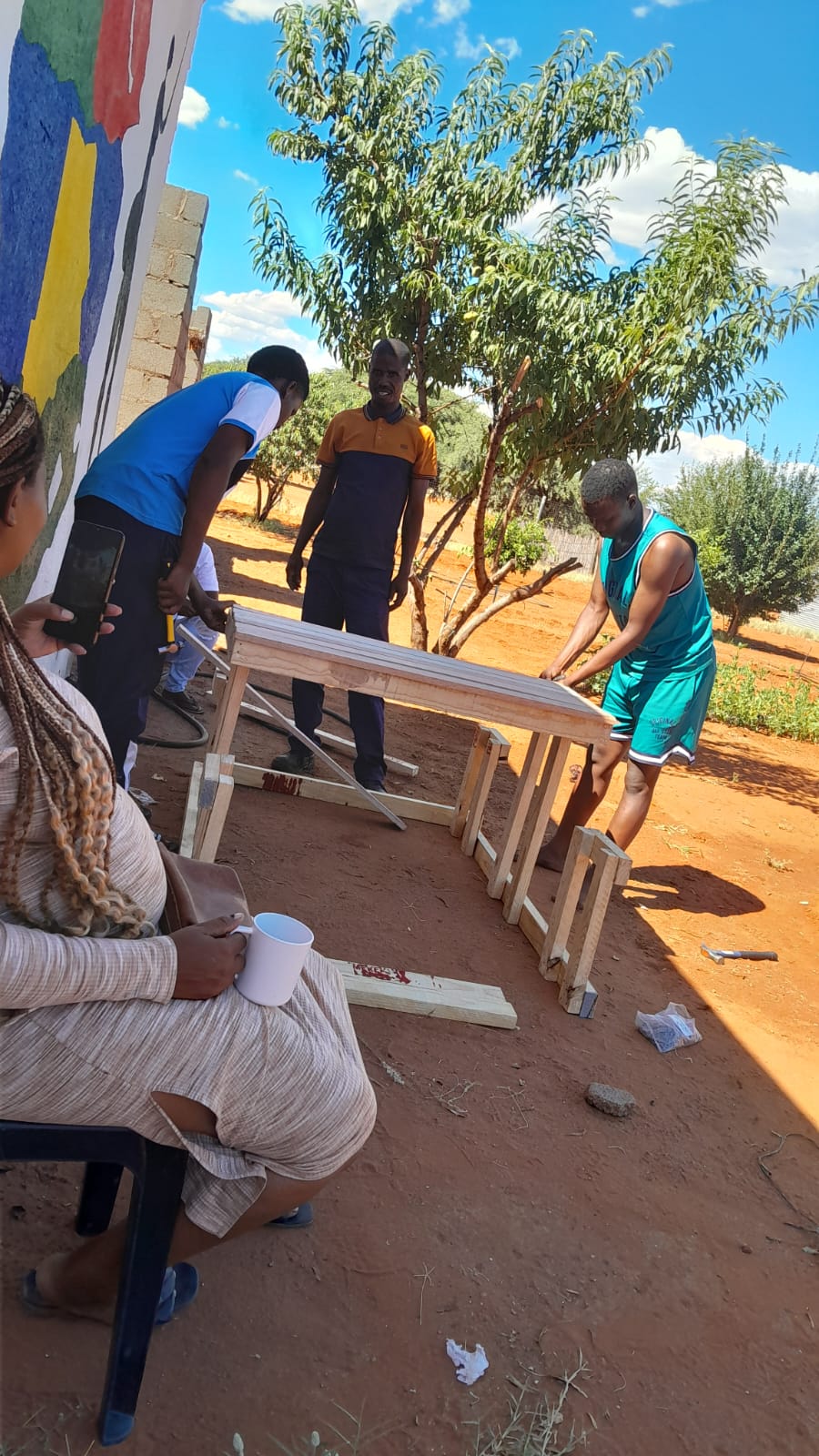
An illustrative example of the project’s success is the creation of a desk with built-in benches by youth participants, inspired by skills learned in a craft-making workshop led by an Elder. This initiative, which produced three similar pieces, was characterized by the participants’ immense enthusiasm and evident enjoyment of the creative process. This spontaneous and productive outcome underscores the potential for such programs to foster innovation and strengthen community bonds.
Addressing Systemic Hardship: Poverty Reduction and Food Security
SASDO’s work in poverty reduction is deeply rooted in addressing the stark realities faced by many San individuals, particularly women. In Platfontein, a distressing daily occurrence has been women walking as far as 8 kilometers to a local dump site in the early morning hours to collect discarded food from major retailers to feed their families. This arduous journey underscores the severe lack of income-generating opportunities, with only a fraction of the settlement’s population receiving government social grants.
The Feeding Scheme: A Lifeline for Vulnerable Populations
Recognizing the urgency of this situation, SASDO initiated efforts to secure government funding for a feeding scheme. This vital program has received crucial support from various entities, including the National Lotteries Commission, the Department of Social Development, and, more recently, the Palms for Life Fund. The scheme, which ran until the end of December 2025, provided a daily meal from Monday to Saturday. The primary beneficiaries were children aged 5-12, youth, and Elders, with a particular focus on women. For many, especially those with underlying health conditions who relied on this meal before taking their medication, the feeding scheme was not merely a project but a literal lifesaver.
Despite the program’s profound impact, it was consistently hampered by insufficient grant funding, which prevented the scheme from accommodating all individuals in need. This led to the heartbreaking reality of some people returning home without food, despite known household food insecurity. The psychological toll on the SASDO team working under such constrained and emotionally taxing circumstances is significant, highlighting the need for ongoing support and counseling for staff members.
Preserving a Rich Tapestry: Cultural Safeguarding and Exchange
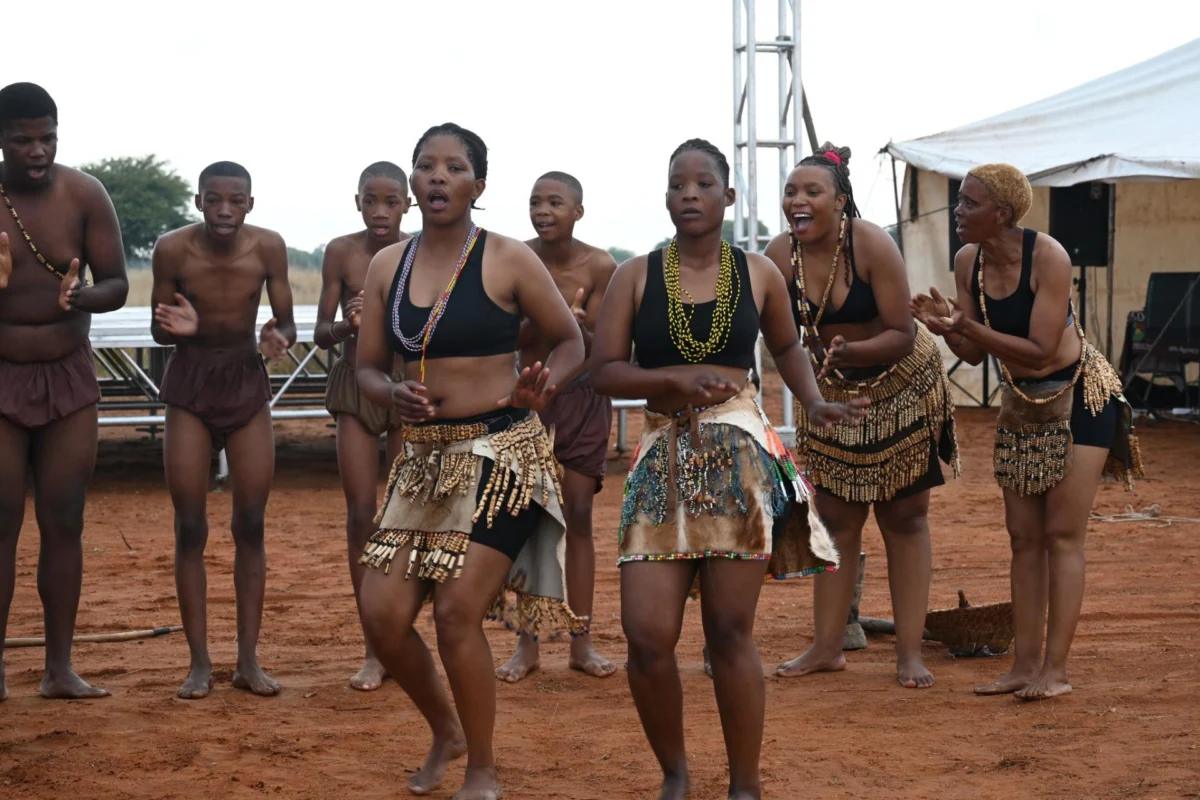
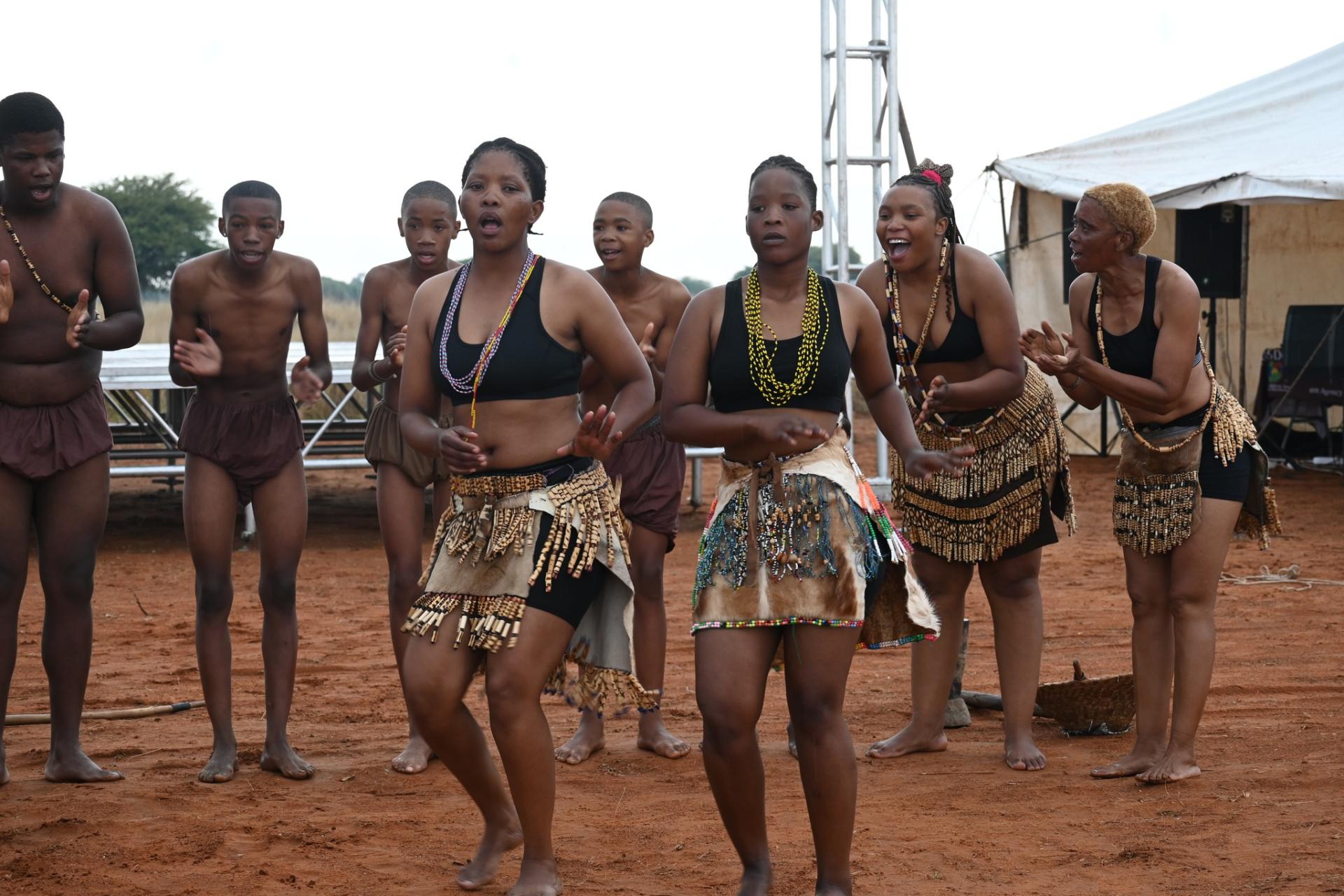
The preservation of San cultural heritage is a central tenet of SASDO’s mission. The organization has actively hosted cultural events and festivals across various locations, including Platfontein, the Kalahari, Andriesvale, and Bwabwata, Namibia, in 2023. These vibrant gatherings feature traditional dances and other performances, which are meticulously documented through photography and videography to ensure their preservation for future generations.
Towards a San Heritage Museum
A significant future endeavor is the planned establishment of a permanent exhibition at SASDO’s offices in Platfontein. This facility is envisioned to serve as a dedicated museum, showcasing the contemporary lives and traditional lifeways of the San people. Such a museum would provide an invaluable educational resource and a platform for cultural pride.
Cross-Cultural Dialogue and Documentation
SASDO also actively engages in cultural exchange programs. These initiatives involve sharing San cultural dances and performances with non-San-speaking communities, fostering understanding and breaking down cultural barriers. The organization has undertaken programs in Namibia and Botswana, collaborating with local San communities to document and share their cultural practices. This reciprocal exchange, which is also meticulously documented, enriches both the participating communities and the broader understanding of San heritage across borders.
An artistic workshop focusing on painting, facilitated by a professional from Kimberley, brought together both youth and elders. This collaborative session resulted in remarkable outcomes, with participants expressing their success stories through paintings on canvas and paper, demonstrating a powerful intergenerational transfer of cultural narratives and artistic expression.
Revitalizing the Khwedam Language
The Khwedam language, a vital component of San identity, is a key focus for SASDO. The organization has organized workshops and conferences dedicated to its development and promotion. Discussions revolve around strategies for teaching the language and integrating it into modern communication platforms, including social media. SASDO is actively working on a booklet for publication, with the ultimate goal of seeing the Khwedam language incorporated into the local school curriculum, beginning from Grade R.
Overcoming Persistent Challenges: A Call for Collective Action
Despite considerable progress across these programmatic areas, the San communities continue to grapple with profound and persistent challenges. Widespread unemployment and pervasive poverty remain significant barriers to accessing essential resources in all countries where the San reside. They also face ongoing discrimination rooted in their identity and the distinctive nature of their clicking languages. Land rights disputes and environmental degradation pose existential threats to traditional ways of life, particularly in Namibia and Botswana. Access to healthcare remains inequitable, with rural areas disproportionately affected by service deficits.
Furthermore, cultural erosion continues to be a concern as younger generations, driven by the search for employment and opportunities in urban centers, are increasingly exposed to and influenced by other Bantu cultural practices. This migration often leads to a distancing from Indigenous practices and a hesitancy to embrace their own cultural heritage.
These complex issues underscore the imperative for collective action and robust advocacy to ensure that Indigenous voices are not only heard but are actively integrated into policymaking spaces. Substantive interventions are urgently required in Namibia, Botswana, and South Africa, where the input and perspectives of Indigenous peoples must be central to shaping policies that affect their lives and futures.
Inspiring Resilience: Individual Stories and Community Initiatives
Behind every successful project lies the resilience and dedication of individuals whose stories serve as powerful inspiration. One such individual is a local Elder who dedicates her time to mentoring youth in traditional crafts and storytelling. Her efforts are instrumental in preserving invaluable cultural practices while simultaneously instilling a profound sense of pride and identity in younger generations. Another inspiring initiative is the operation of soup kitchens and the promotion of vegetable gardening within both Khwe and !Xun communities. These endeavors directly address food security by empowering families with the knowledge and skills to cultivate sustainable gardens, effectively integrating Indigenous knowledge with modern horticultural techniques.
Indigenous Work and Evolving Identity
Working within Indigenous communities is a profoundly rewarding yet inherently challenging endeavor. It necessitates a delicate balance between preserving tradition and adapting to modern realities, navigating deeply entrenched systemic barriers, and steadfastly holding onto cultural identity. Indigenous identity, rather than being static, is a dynamic construct that evolves over time, shaped by historical experiences, unwavering resilience, and the ongoing struggle for recognition and rights. The challenges encountered, whether in education, land rights, or political representation, serve as constant reminders of the vital importance of solidarity and collective advocacy.
The issue of land rights has become a critical point of contention across the San communities. In Platfontein, the 10-hectare farm that serves as home to the Khwe and !Xun communities is becoming a focal point of escalating tensions. Residents are being labeled as refugees, and their right to own this land is being contested, creating a volatile situation described as a "ticking bomb." Similarly, in Bwabwata, ongoing friction exists between the Hambukushu Tribe and the Khwe communities, who have inhabited the region for decades but are reportedly not recognized as the rightful owners of the land. These situations starkly illustrate that land rights issues remain a significant and unresolved concern for San communities.
Moshe Maghundu, the Founder and Managing Director of SASDO, has been instrumental in spearheading these vital initiatives. SASDO, as a grant partner of the Keepers of the Earth Fund, received a significant grant in 2026 to implement its project in the Platfontein and Kalahari regions. The overarching goal of this project is to empower San communities through cultural safeguarding and the promotion of sustainable livelihoods. This is being achieved by supporting local artists, championing Indigenous knowledge systems, strengthening cultural identity, and creating economic opportunities through arts, crafts, and cultural tourism. The project is projected to directly benefit approximately 60 individuals from these Indigenous communities, while also contributing to the crucial protection of Indigenous languages, traditions, and the overall well-being of the community.
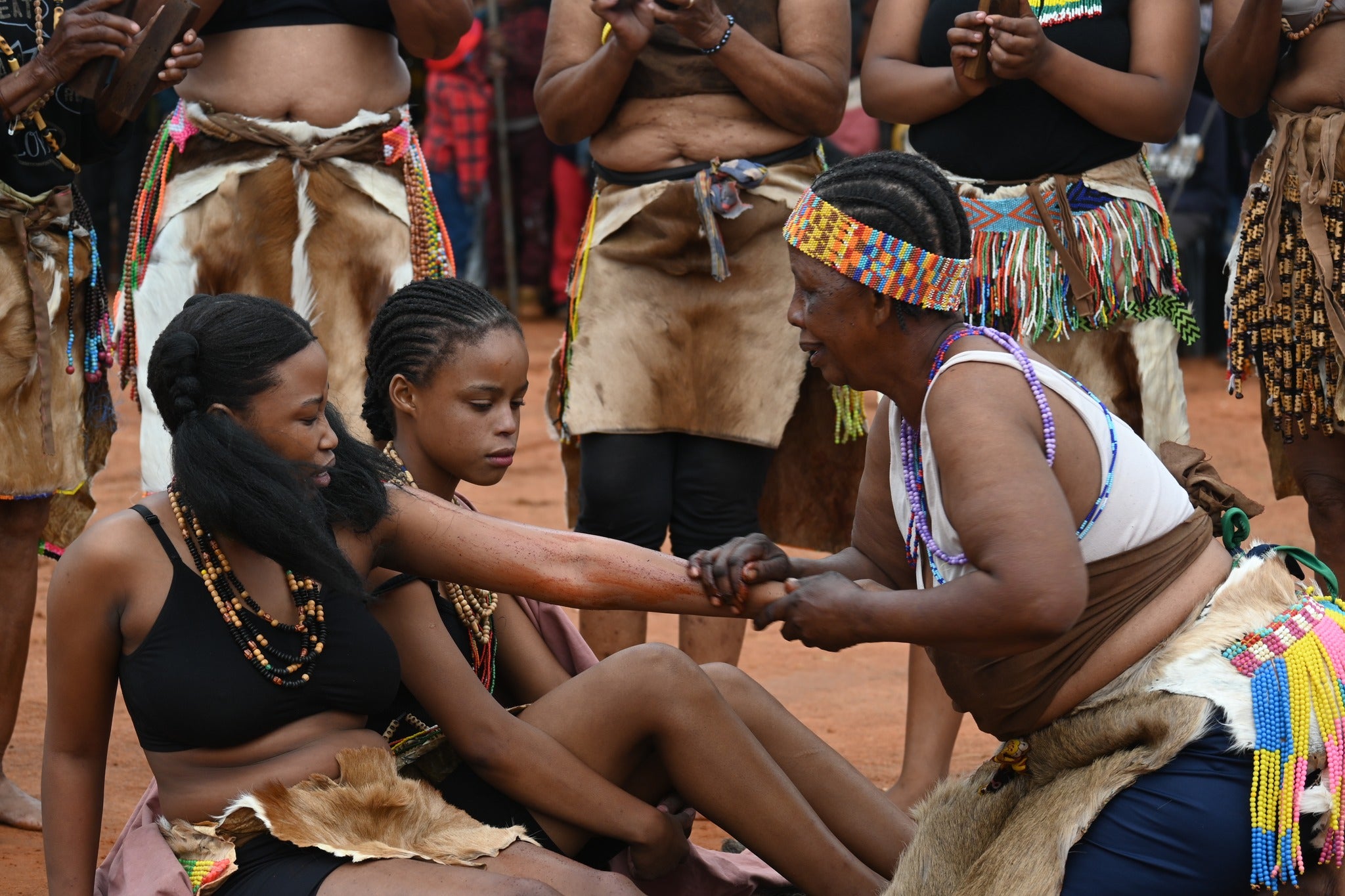
The organization’s commitment to cultural preservation is further exemplified by the top photograph, which depicts a demonstration of traditional unveiling ceremonies for girls transitioning from childhood to adulthood. While such rituals were once central to San cultural traditions, their practice has diminished due to evolving circumstances, not a lack of desire, but due to practical limitations. SASDO’s ongoing efforts aim to revive and sustain these vital cultural expressions.
All photographs used in this report are courtesy of the Southern African San Development Organization, underscoring their active role in documenting and sharing their work.