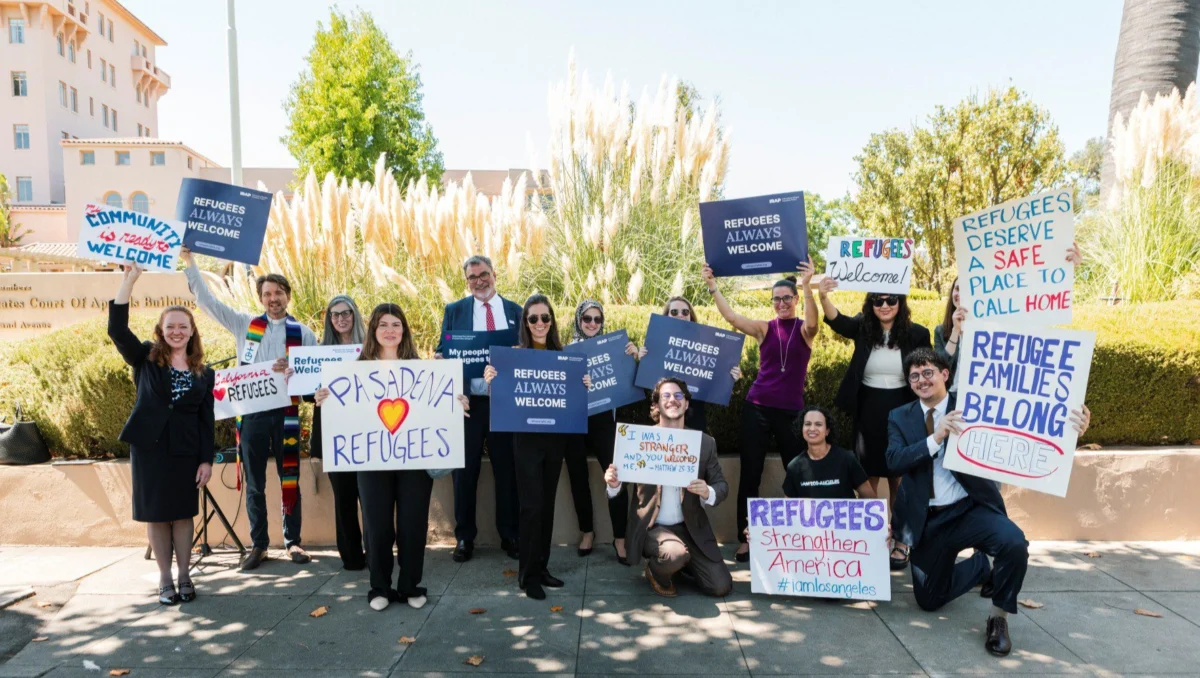
Panama, a nation strategically positioned as a natural bridge between North and South America, has for millennia served as a vital conduit for human movement. Today, this geographical advantage places Panama at the epicenter of a complex and evolving humanitarian crisis, functioning not only as a critical transit point but also as a host country for a growing population of refugees, displaced persons, and migrants across Latin America. Even as immigration policies fluctuate throughout the Western Hemisphere, thousands of individuals remain on the move, desperately in need of urgent humanitarian assistance, particularly in the challenging border regions of Darién, Chiriquí, and Colon. Since 2010, HIAS Panama has been a steadfast pillar of support, assisting tens of thousands of refugees, asylum seekers, and displaced individuals navigating perilous journeys and seeking safety.
The Shifting Sands of Migration in Panama
In the year 2025, Panama found itself hosting an unprecedented number of displaced individuals, exceeding 155,000. Among these, over 5,000 were officially recognized as refugees, with an additional 36,500 actively pursuing asylum. The demographic landscape of those seeking protection in Panama is largely dominated by individuals fleeing Venezuela, with significant numbers also originating from various Central American nations, grappling with economic instability, political turmoil, and escalating violence.
For years, the prevailing migration narrative saw tens of thousands of refugees and migrants embarking on arduous journeys from the southern reaches of Latin America, aiming for the United States. The Darién Gap, a notoriously dangerous and untamed stretch of jungle straddling the border between Colombia and Panama, served as the ultimate gateway for this northward migration. In 2023 alone, an estimated half a million individuals braved this treacherous passage, a journey fraught with peril from venomous wildlife, rampant disease, and the ever-present threat of violent human trafficking networks. The risks associated with crossing the Darién Gap are well-documented, with reports detailing the exploitation, abuse, and loss of life that have become tragically commonplace.
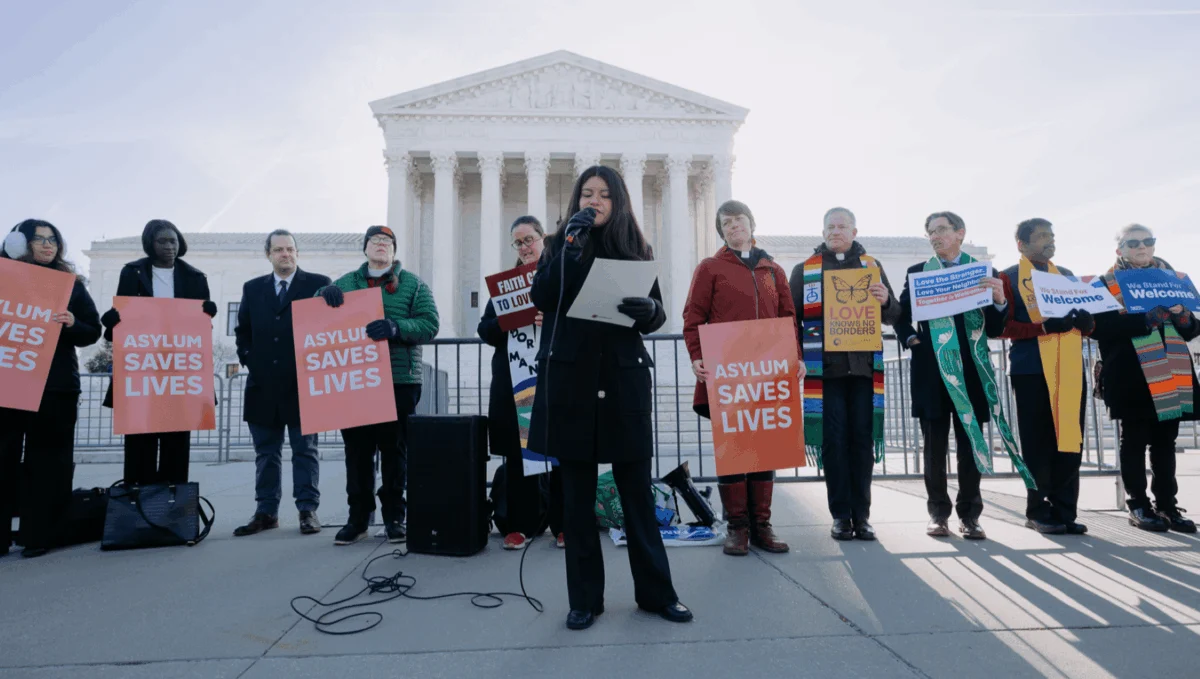
However, a significant geopolitical shift began to manifest in the past year: a discernible trend of reverse migration. Driven by evolving U.S. asylum and immigration policies, coupled with increased enforcement measures and the perceived lack of viable pathways to legal status, a growing number of individuals are now altering their intended destinations and heading south. This recalcitrant migration flow presents a new set of challenges, as many of these individuals, having exhausted their resources in the hope of reaching North America, find themselves in precarious situations as they attempt to return or seek refuge in closer countries. HIAS, a veteran organization with deep roots in humanitarian aid, stands as one of the few entities consistently providing essential services to these individuals in transit, adapting its operations to meet the unfolding realities of this reverse flow.
The Perilous Journey South and the Erosion of Aid
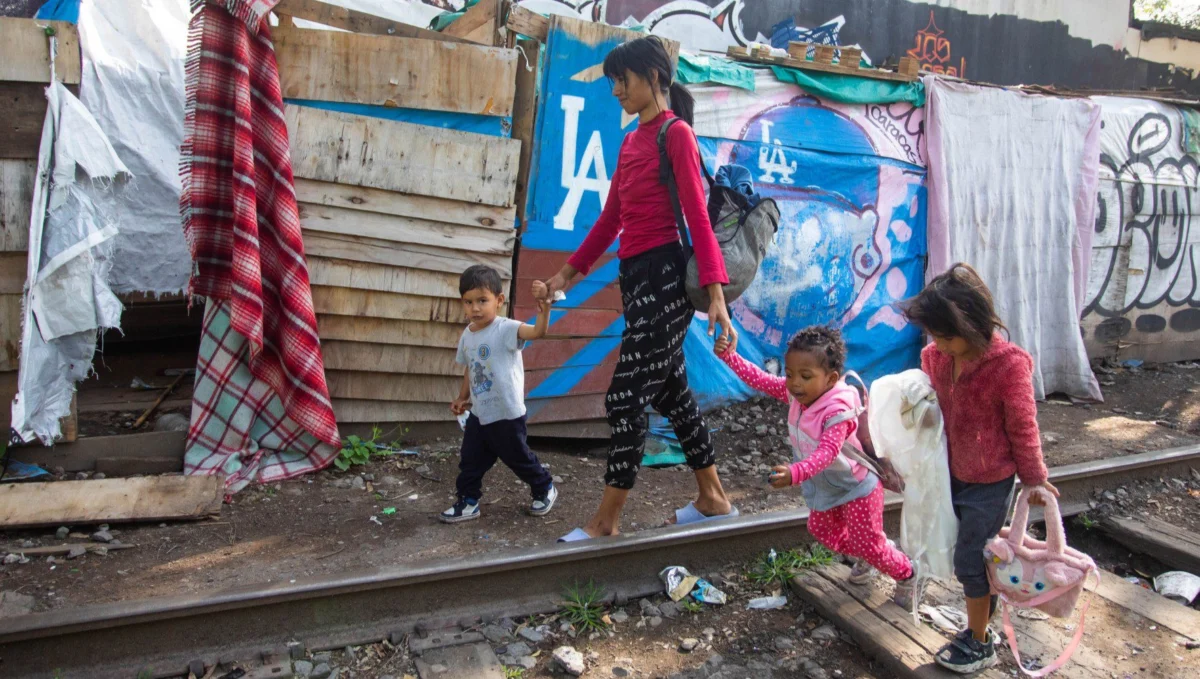
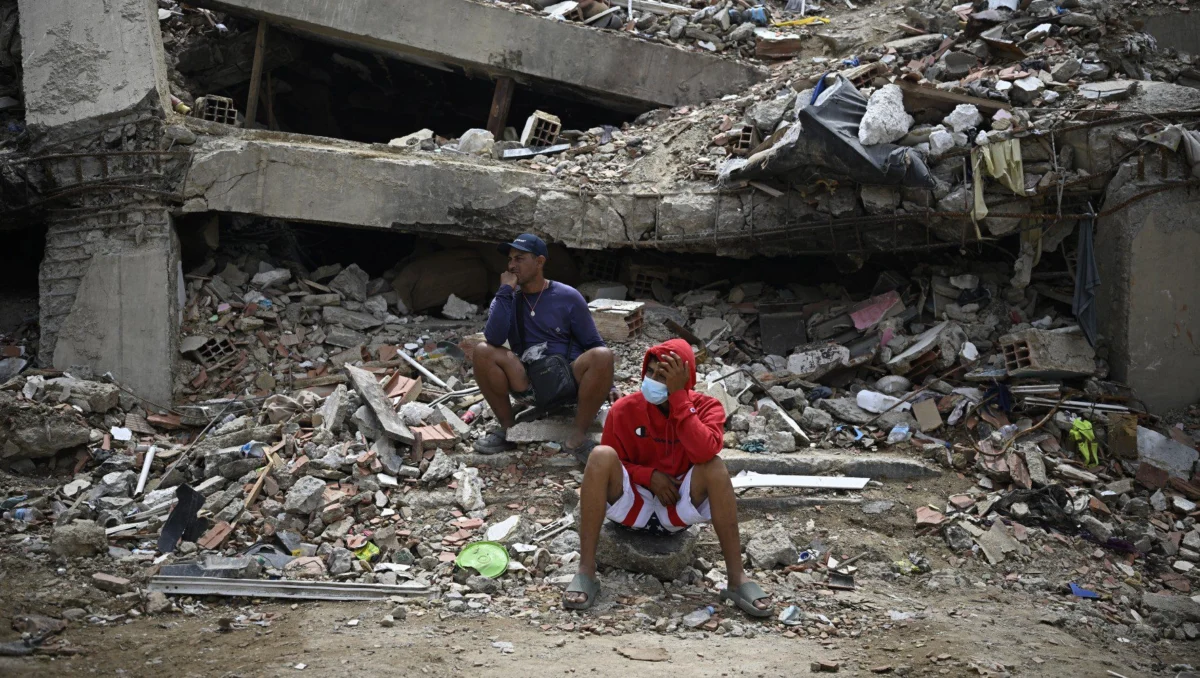
The shift in migration patterns has not diminished the inherent dangers faced by those on the move. The southbound journey, while perhaps perceived as a retreat, is no less perilous than the arduous trek north. Migrants attempting to travel south from regions like Honduras towards Panama often fall prey to criminal organizations that demand exorbitant sums for passage, further exacerbating their financial distress. The hardships encountered along these routes are profound and multifaceted: inadequate and often non-existent shelter, severe scarcity of clean drinking water, severely limited access to basic health and sanitation services, pervasive food insecurity, and a stark lack of financial means to facilitate their return home or to establish any semblance of stability. The psychological toll of such journeys is immense, with many individuals arriving at their destinations deeply traumatized by the experiences they have endured.
Compounding these severe challenges is a significant and alarming reduction in humanitarian support. The landscape of aid provision along these migration routes has undergone a dramatic contraction. Many organizations, once present and actively providing assistance, have been compelled to withdraw their operations, largely attributed to substantial cuts in humanitarian aid funding from key international donors, including the United States government. This withdrawal of essential services leaves vulnerable populations with even fewer resources and safety nets.
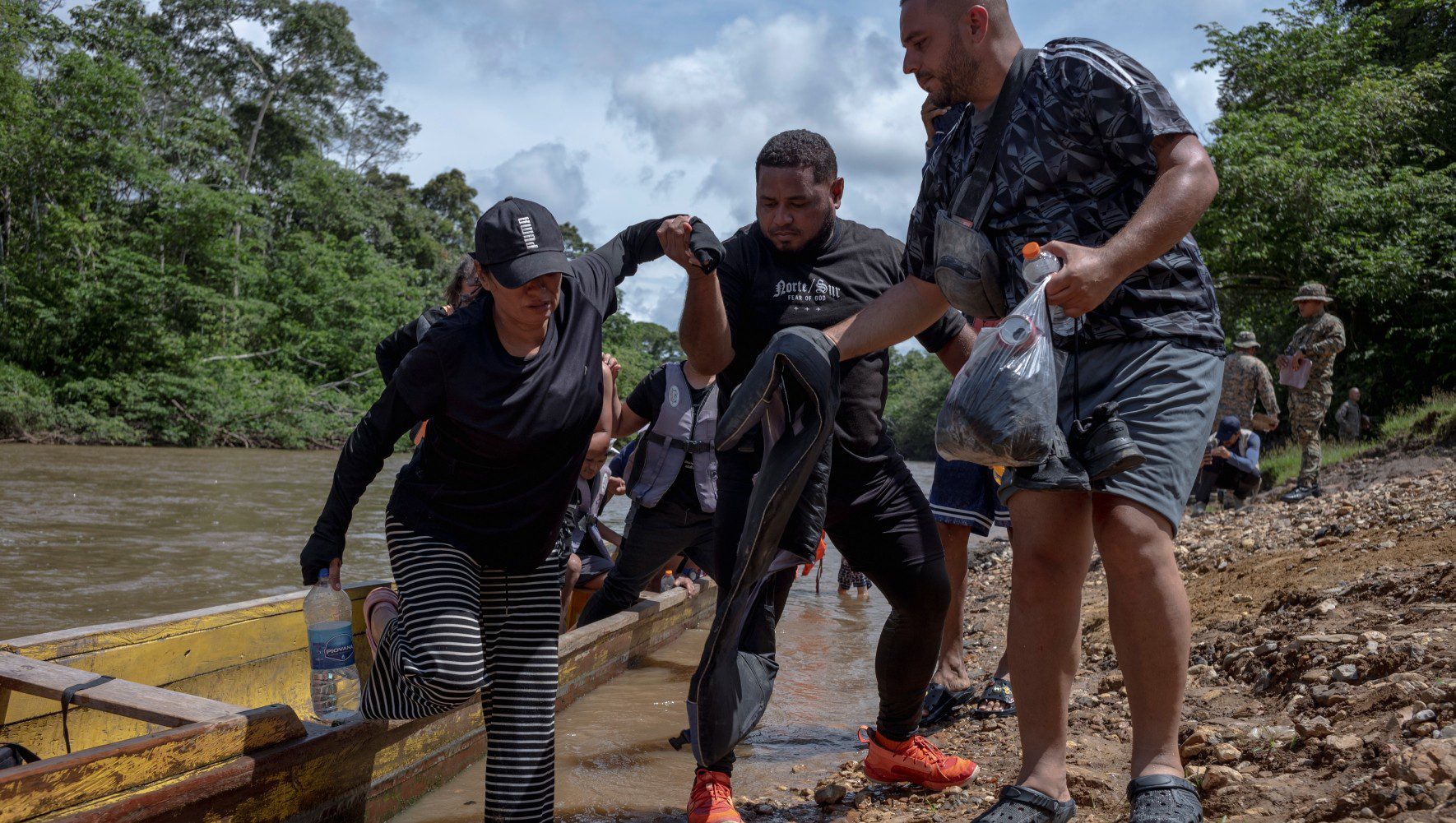
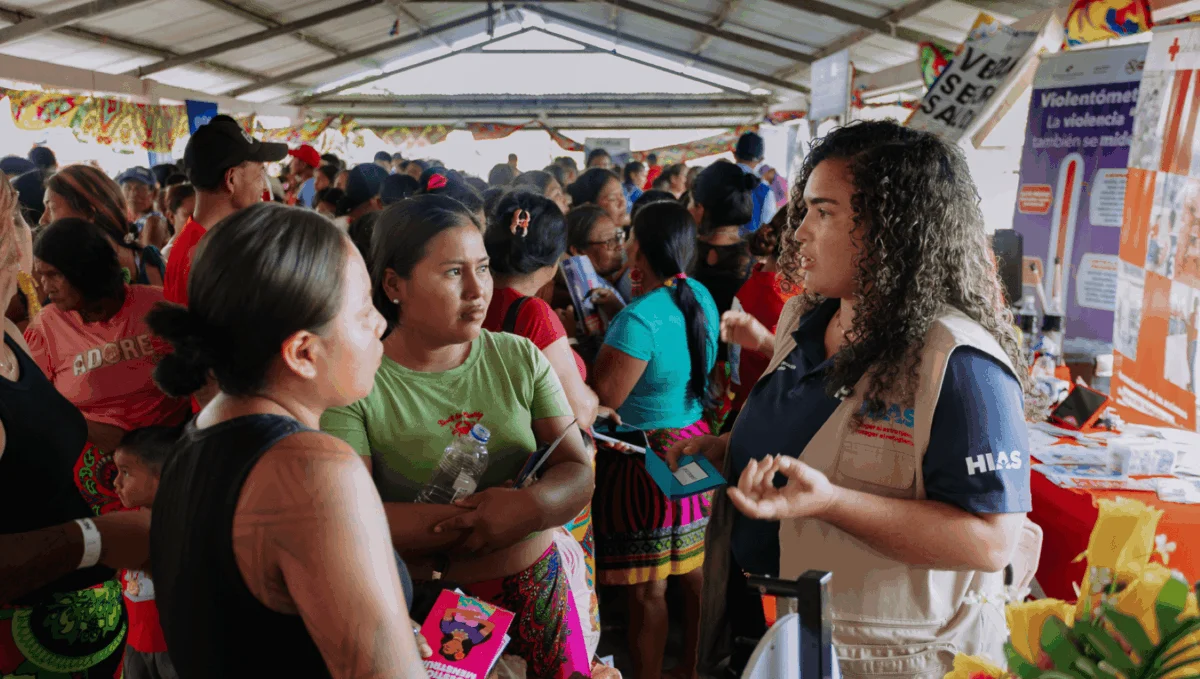
HIAS, a prominent humanitarian organization with a long-standing commitment to assisting displaced populations, has not been immune to these funding reductions. The impact of these decreased financial inflows has necessitated difficult operational adjustments. Nevertheless, HIAS Panama has maintained a resolute presence at critical transit and arrival points. Its dedicated staff continue to provide a vital range of services, including crucial protection services, essential mental health care to address the psychological toll of displacement, and immediate financial assistance to cover the most basic needs such as food, shelter, and urgent medical attention. This unwavering commitment underscores the critical role of organizations like HIAS in maintaining a lifeline for those caught in protracted humanitarian crises.
Rights, Realities, and the Path Forward
Panama’s legal framework for protecting displaced populations is rooted in its adherence to international conventions. The nation became a signatory to the 1951 Refugee Convention and its 1967 Protocol in 1978. Panama’s legal definition of a refugee aligns closely with the Convention’s stipulations. Furthermore, the country has proactively extended protections to individuals fleeing specific forms of violence, including sexual and domestic violence, as well as those persecuted for defying societal norms and customs, demonstrating a broader commitment to humanitarian principles.
Despite these legally enshrined rights, the practical application of Panama’s asylum system presents significant obstacles for many individuals seeking refuge. The asylum process is often characterized by considerable administrative backlogs, leading to protracted waiting periods for the official recognition of refugee status and the issuance of work permits. These delays can extend for months, and in some cases, years, significantly increasing the vulnerability of applicants and their dependents. The prolonged uncertainty and lack of official documentation can impede access to essential services, employment, and social integration, creating a cycle of dependency and hardship.
The challenges are further compounded by inconsistencies in the recognition and acceptance of legal documents by various authorities. While efforts are underway to improve inter-institutional document recognition and to ensure adequate support during the often-lengthy waiting periods, some government officials and institutions may not fully acknowledge or accept the documentation provided to asylum seekers and refugees. This can create further bureaucratic hurdles and instances of discrimination.
HIAS, in collaboration with its network of partners, actively engages in providing crucial legal information and direct assistance to refugees and asylum seekers. This includes guiding them through the complex application processes, advocating for their rights, and providing support to overcome legal barriers. The organization also actively engages in advocacy efforts aimed at fostering a more efficient and equitable asylum system. This involves working with Panamanian authorities to reduce processing backlogs, streamline application procedures, and expand pathways to protection, thereby ensuring that individuals fleeing persecution can access safety and dignity in a timely manner.
HIAS’s Enduring Commitment to Support
HIAS’s engagement in Panama dates back to 2010, a period marked by increasing migratory flows through the region. Since its inception, the organization has been instrumental in providing a comprehensive suite of support services tailored to the evolving needs of refugees, asylum seekers, and displaced persons. Its programs encompass vital protection services, designed to safeguard individuals from harm and exploitation. Crucially, HIAS also offers essential mental health care, recognizing the profound psychological impact of forced displacement and trauma. Furthermore, the organization is dedicated to fostering economic empowerment, enabling individuals to rebuild their lives and achieve self-reliance.
A cornerstone of HIAS’s approach is its commitment to building dignified and sustainable livelihoods. This involves not only providing direct assistance but also equipping individuals with the skills, resources, and opportunities needed to thrive. Through strategic partnerships with local communities and non-governmental organizations, HIAS actively promotes integration and fosters the creation of safe and inclusive spaces. In these environments, refugees, asylum seekers, and members of host communities collaborate on joint projects, address shared challenges, and build bridges of understanding and mutual support. This collaborative model not only strengthens the resilience of displaced populations but also fosters a more cohesive and harmonious society. The enduring presence and adaptive strategies of organizations like HIAS are critical in navigating the ongoing humanitarian challenges in Panama and the wider region.