Cultural Survival has officially announced the commencement of its 2026 Indigenous Journalism Fellowship and Arts Residency Program, a vital initiative designed to empower Indigenous storytellers and communicators on the front lines of environmental challenges. This program offers crucial financial support, professional mentorship, and a platform for Indigenous voices to address the escalating environmental crises that threaten their ancestral lands and natural resources. The fellowship provides up to $5,000 USD in funding, enabling fellows to undertake rigorous investigative reporting and creative projects.
The 2026 cohort comprises Indigenous journalists hailing from the Americas, Africa, and Asia. Their work will critically examine how climate change, the increasing frequency of natural disasters, and the burgeoning global demand for transition minerals—essential for renewable energy technologies—are impacting their communities and communication efforts. Fellows are encouraged to utilize diverse media formats to highlight community-led solutions and advocate for equitable and sustainable change, thereby strengthening the global network of Indigenous broadcasters and communicators.
A Strategic Expansion of Cultural Survival’s Mission
The Arts Residency Program, a strategic pilot initiative launched by Cultural Survival in 2022, complements the journalism fellowship by focusing on enhancing the visibility and vitality of Indigenous knowledge systems. This program provides dedicated financial support to Indigenous writers and artists, enabling them to amplify their narratives through visual and literary mediums. It underscores the profound role of storytelling in fostering cultural continuity and empowering Indigenous self-representation.
In the 2023-2024 cycle, four writers benefited from the Arts Residency. The current cycle sees two writers undertaking a six-month residency, actively contributing to the strengthening of Indigenous media ecosystems. Cultural Survival remains committed to securing additional funding to expand this initiative, extending its reach to Indigenous creators in a wider array of global regions.
Introducing the 2026 Fellows and Residents: Champions of Change
The program is proud to introduce the individuals selected for the 2026 cohort, who are leveraging the power of storytelling to drive meaningful change. These storytellers, communicators, and writers represent a diverse range of experiences and geographical backgrounds, united by their commitment to their communities and the environment.
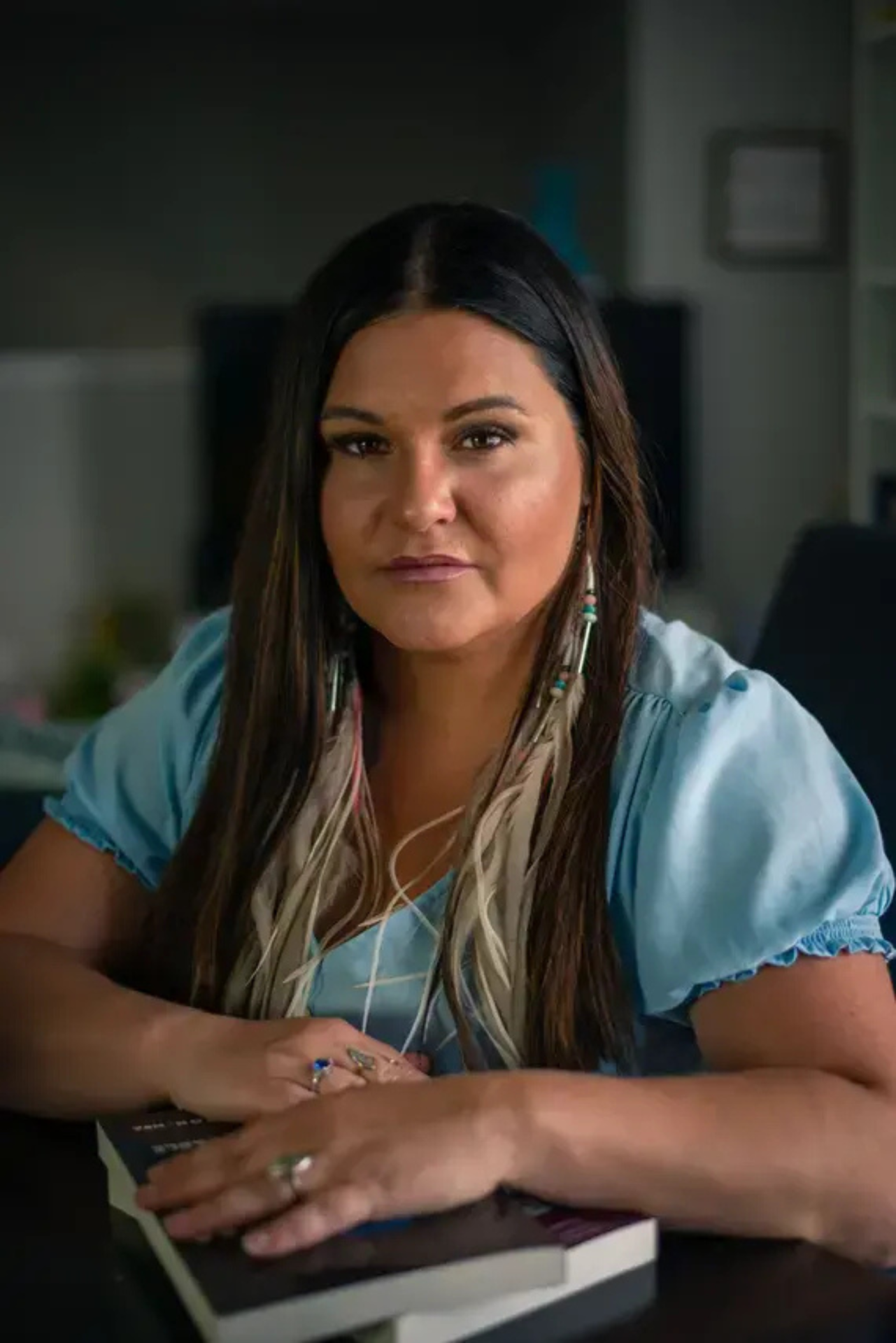
Brandi Morin: Documenting the Fight for Land in Ecuador
Brandi Morin, an acclaimed Cree/Iroquois journalist from Treaty 6 territory in Alberta, Canada, brings nearly 15 years of experience in amplifying Indigenous voices to major international outlets such as National Geographic, the BBC, Al Jazeera English, Rolling Stone, and The New York Times. Her extensive journalistic accolades include the 2019 Human Rights Reporting award from the Canadian Association of Journalists, the 2022 National Native American Journalism Award for Best Feature Story, a 2022 Edward Murrow Award for her series on Missing and Murdered Indigenous Women and Girls, PEN Canada’s 2023 Ken Filkow Prize, Amnesty International Canada’s 2022/23 Media Award, a 2024 Sidney Hillman award for her documentary "Killer Water," the 2024 Canadian Association of Journalists Environmental and Climate Change award, and the 2024 Tim Giago Free Press Award.
Since December 2024, Morin has been deeply involved in producing a short documentary film on the Shuar Maikiuants in Ecuador, in collaboration with MulluTV, Re:Wild, and Earth Alliance. This critical film chronicles the community’s courageous struggle to halt the expansion of Solaris Resources, a large copper mining operation, which poses a severe threat to their ancestral territories and way of life. The documentary is co-produced by Mullu.tv, an Ecuadorian production company dedicated to Indigenous media. Morin’s work exemplifies the fellowship’s core mission: to provide in-depth investigative reporting on the intersection of resource extraction and Indigenous rights.
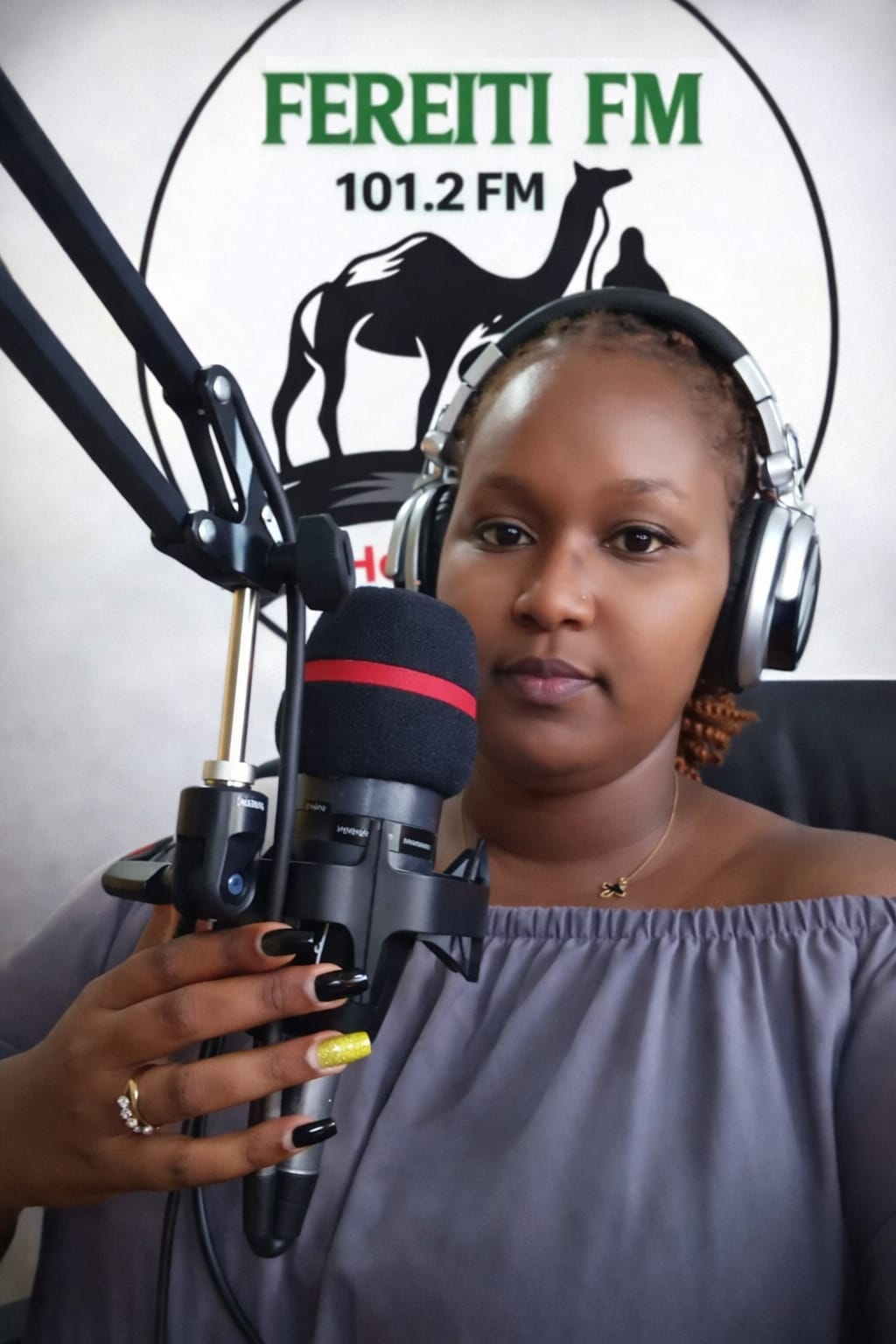
Damaris Lenantare: Addressing Drought and Resilience in Kenya
Damaris Lenantare, a member of the Rendille Peoples, is a journalist and Indigenous women’s rights activist from Kenya. With over five years of experience in community media, she has produced content and covered stories for Fereiti 100.3 FM. Lenantare specializes in radio program production and short video reporting, focusing on amplifying the voices of Indigenous Peoples in northern Kenya, with a particular emphasis on land rights, climate change impacts, and cultural conservation.
During her fellowship, Lenantare will undertake research into the devastating impacts of natural disasters, specifically focusing on the intensifying droughts and their direct correlation with water scarcity and livestock loss in her region. Her fieldwork will involve extensive reporting in Marsabit County, where she will document the lived experiences of Indigenous communities and gather insights from experts. The outcome will be a series of articles and radio programs that not only highlight the profound challenges posed by climate change but also showcase innovative, climate-resilient agricultural solutions being developed and implemented by local communities. Her project underscores the urgent need for localized climate adaptation strategies.
Phnom Thano: Safeguarding Karen Traditional Knowledge in Thailand
Phnom Thano, a member of the Karen Peoples in Thailand, is a seasoned journalist and content creator with over seven years of experience in media production. He previously served as the chief editor of the Indigenous Media Network (IMN) and currently acts as an advisor. Thano is deeply committed to elevating Indigenous voices and promoting their rights, Traditional Knowledge, and livelihoods through compelling documentary filmmaking, photography, and Thai-English interpretation.
In his fellowship, Thano plans to conduct extensive field visits across northern, eastern, and southern Thailand. His objective is to meticulously document Traditional Knowledge systems and resource management practices that have sustained Indigenous communities for generations. He will produce in-depth articles on natural disaster preparedness, a photographic collection illustrating forest conservation efforts, and a documentary film, alongside other audiovisual storytelling formats, all aimed at preserving and disseminating Indigenous wisdom for future generations. His work is crucial in countering the erosion of cultural heritage and promoting sustainable practices.
A Journalist in Indonesia: Unveiling the Impacts of Extractive Industries
A journalist and human rights defender based in Indonesia, who has requested anonymity due to security concerns, has been a pioneering advocate for women’s empowerment and youth counseling. With over two decades of experience in media advocacy for women, children, and Indigenous communities, she has consistently documented violations of Indigenous Peoples’ rights to land and access to customary forests, often perpetrated by extractive industries.
During her fellowship, this journalist will focus on amplifying the voices of Indigenous communities in Indonesia, with a particular emphasis on the environmental and social ramifications of mining operations. Her investigative articles and visual reports will detail the disruption of local economies, the degradation of Indigenous lands and territories, and the human rights impacts stemming from unchecked mining expansion. Her work addresses a critical global issue, as Indonesia is rich in natural resources and a significant player in global supply chains for minerals and fossil fuels.
Lorena Janeth Gómez Gómez: Empowering Chiapas Communities Through Media
Lorena Janeth Gómez Gómez, a Tseltal woman from the community of San Fernando in Huixtlán, Chiapas, Mexico, is a graduate of the Bachelor’s program in Intercultural Communication at the Intercultural University of Chiapas. She actively works in radio production and serves as a reporter and sound engineer for audiovisual projects. Gómez Gómez is dedicated to community radio and audiovisual initiatives, particularly with children in the Chiapas Highlands, contributing to artistic, cultural, educational, and environmental projects in San Cristóbal de Las Casas. She has consistently supported community communication efforts in Indigenous, rural, and farming communities across the region.
Her residency project within the Community Media Program will focus on the production and dissemination of graphic, audiovisual, and radio materials addressing critical issues such as climate change, environmental justice, the impacts of transition minerals, and community-led strategies for prevention, mitigation, and response to natural disasters. Gómez Gómez aims to amplify the voices and perspectives of Indigenous Peoples and raise awareness about the vital work of partner radio stations and media outlets within the program. Her initiative is vital for bolstering local media infrastructure and ensuring Indigenous narratives are central to climate discourse.
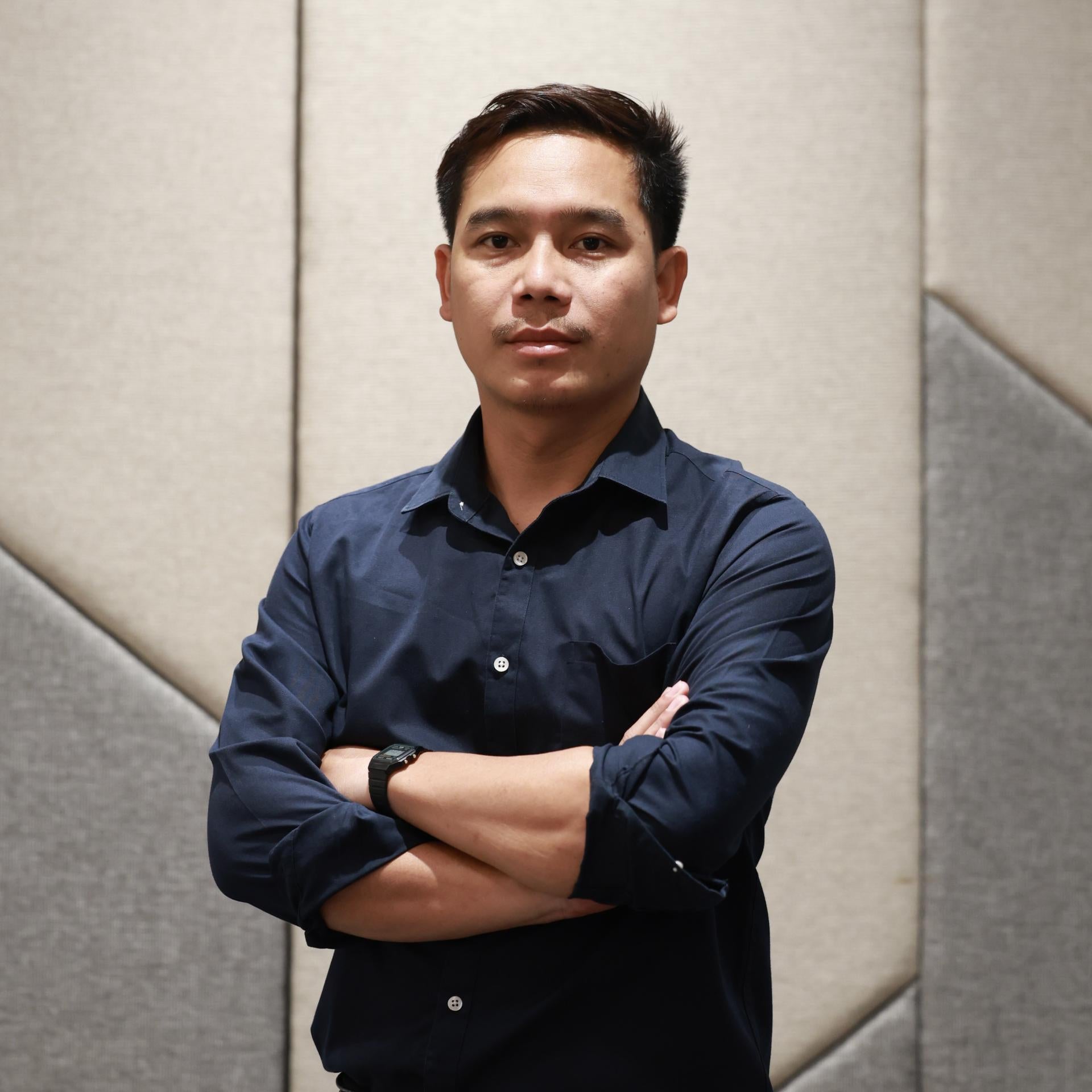
Iván Geovany Selles Vargas: Promoting Bribri Identity and Resilience in Costa Rica
Iván Geovany Selles Vargas, a young Bribri man from Talamanca, Costa Rica, is a trained cultural manager whose experience centers on the development and empowerment of Indigenous communities. He has participated in numerous projects directly benefiting these populations, notable for facilitating participatory processes using tools like mapping and diagnostics to integrate Indigenous perspectives into decision-making. Selles Vargas has also led culturally adapted digital literacy initiatives, providing training in Bribri and Cabécar communities. His expertise includes the systematization of ancestral knowledge on risk management and the promotion of Indigenous identity.
Selles Vargas’s project will concentrate on enhancing the visibility of the Indigenous Community Media program’s work through a strategy that merges visual communication and cultural identity. He will produce digital and print materials utilizing language and imagery inclusive of Indigenous Peoples, identify Indigenous allies in Costa Rica, and develop his own community-based project. His work is instrumental in fostering intergenerational knowledge transfer and strengthening the cultural resilience of the Bribri people in the face of external pressures.
Broader Context and Implications
The launch of the 2026 Indigenous Journalism Fellowship and Arts Residency Program by Cultural Survival arrives at a critical juncture. Indigenous communities worldwide are disproportionately affected by climate change, resource extraction, and environmental degradation, despite contributing minimally to global greenhouse gas emissions. For instance, a 2022 report by the Intergovernmental Panel on Climate Change (IPCC) highlighted that Indigenous Peoples possess invaluable traditional knowledge that is crucial for climate change adaptation and mitigation, yet their voices are often marginalized in global policy discussions.
The demand for transition minerals—such as lithium, cobalt, and nickel—essential for the global shift towards renewable energy, is accelerating, leading to increased mining activities in regions often inhabited by Indigenous communities. These activities frequently result in land dispossession, deforestation, water contamination, and social disruption, as exemplified by the situation faced by the Shuar people in Ecuador, highlighted in Brandi Morin’s work.
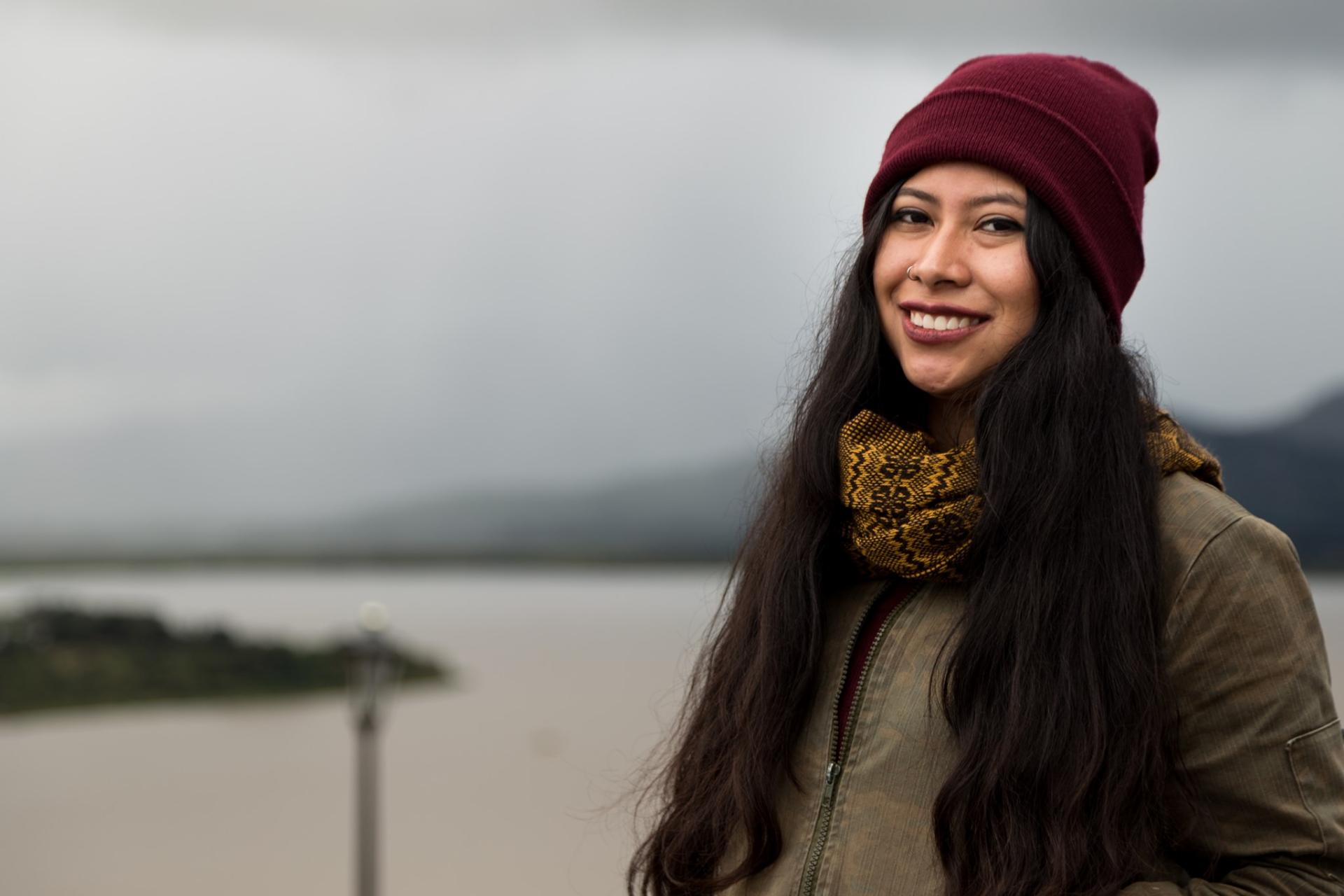
The fellowship and residency program directly address these challenges by providing Indigenous storytellers with the resources and support needed to document these impacts, advocate for their rights, and share their solutions. By investing in Indigenous journalism and arts, Cultural Survival is not only supporting individual creators but also contributing to the broader goals of environmental justice, cultural preservation, and the empowerment of marginalized communities on a global scale. The program’s emphasis on diverse media formats and community-led solutions ensures that the narratives emerging are authentic, impactful, and contribute to tangible change. The expansion of this initiative to include creators from Africa and Asia signifies a commitment to a truly global network of Indigenous communicators, fostering solidarity and shared learning across continents. The success of these programs is crucial for ensuring that the world hears directly from those most affected by environmental crises, and learns from their profound wisdom and resilience.