The past two years have plunged the world into an unprecedented era of rapid societal and organizational transformation, primarily driven by the ongoing COVID-19 pandemic. Far from being a mere health crisis, the pandemic has served as a massive, real-time experiment in new ways of working, fundamentally altering perceptions of employment and the future of professional life. While many questions remain open and data continues to evolve, a profound shift has occurred, notably accelerating trends of societal polarization and employee activism, pushing Diversity, Equity, and Inclusion (DEI) to the forefront of corporate agendas. This article delves into these critical shifts, exploring their origins, manifestations, and far-reaching implications for organizations worldwide.
Pre-Existing Fault Lines: A World Primed for Division
The dramatic surge in polarization and activism during the pandemic did not emerge in a vacuum; rather, it built upon pre-existing societal fault lines that had been widening for years. Economic inequality, exacerbated by events like the 2008 financial crisis, had fostered deep-seated resentment and a sense of disenfranchisement among large segments of the population. The rise of social media, while connecting people globally, simultaneously created echo chambers that reinforced existing beliefs and amplified dissenting voices, making consensus-building increasingly difficult. Trust in traditional institutions—governments, media, and even religious organizations—had been steadily eroding, particularly among younger generations who grew up witnessing political stalemates, perceived corruption, and systemic failures.
For Millennials and Generation Z, this erosion of trust runs particularly deep. A global study in August 2021 highlighted their profound disillusionment, revealing that many have higher faith in governance by artificial intelligence systems than by fellow human beings. This sentiment stems from ongoing concerns about corruption, stale political leadership, and threats to physical safety, including surveillance and militarized policing disproportionately affecting activists and people of color. These generations, often digital natives, are accustomed to transparency and immediate access to information, leading them to critically scrutinize institutional responses and demand accountability. Environmental concerns, gender equality, and racial justice were already gaining significant traction as public discourse topics before the pandemic, with social movements like #MeToo and climate activism pushing these issues into mainstream consciousness. The pandemic, therefore, acted as an accelerant, pouring fuel onto an already smoldering fire of discontent and a desire for change.
The Pandemic’s Amplifying Effect: A Society Divided
As the initial shock of global lockdowns gave way to a prolonged struggle with the virus, a range of intense emotions—sadness, loss, fear, lack of control, and anger—began to permeate society. These personal feelings quickly translated into broader societal tensions. Research from 17 countries revealed a stark increase in perceived division; 60% of people reported feeling more divided than before the pandemic, a significant 30% rise from pre-pandemic rates. This division manifested across numerous fronts, from debates over public health measures like mask mandates and lockdowns to the distribution of economic relief and the ethics of vaccine development and deployment.
In the workplace, these societal divisions created entirely new challenges. Policies such as "no jab, no job" ignited passionate debates, pitting public health imperatives against individual liberties. For some, requiring vaccinations to return to the office or interact with colleagues and customers was a necessary step for collective well-being. For others, it represented an unacceptable governmental or corporate overreach, infringing on personal autonomy. This contentious environment contributed to widespread frustration and fatigue, evidenced by over 50,000 pandemic-related protests globally.
Beyond policy debates, the pandemic also fostered a rise in aggressive behavior. "COVID rage" became a noticeable phenomenon, with increasing accounts of customer abuse directed towards workers, particularly in the hospitality and service sectors. Reports indicated that up to 80% of workers in these industries had witnessed or experienced such abuse, highlighting the intense stress and frayed nerves within the public-facing workforce. Compounding these issues was the widening gap between the "haves" and the "have-nots." While some sectors and individuals thrived, others faced severe economic hardship. Access to vaccines, a crucial factor for restarting economic recovery, also became a point of inequity, further entrenching the divide between those with resources and opportunities and those without. The pandemic laid bare and exacerbated existing inequalities, making them impossible for organizations to ignore.
The Call for Justice: George Floyd and the Racial Reckoning
While the pandemic amplified existing social and economic disparities, the tragic murder of George Floyd in May 2020 served as a pivotal moment, igniting a global racial justice movement that reverberated through workplaces worldwide. The raw, public nature of his death, occurring amidst the global health crisis, brought issues of systemic racism and police brutality into sharp, unavoidable focus. This event spurred an unprecedented increase in Black Lives Matter and anti-racism activism, with protests and demonstrations occurring in over 60 countries. The widespread outrage and demands for accountability translated directly into expectations for organizations.
Employees, customers, and stakeholders began to demand that companies move beyond performative statements and implement genuine, tangible changes to address racial inequality and discrimination within their own structures and in wider society. This meant scrutinizing hiring practices, promotion pathways, compensation equity, and the overall inclusivity of corporate cultures. Discussions about privilege, unconscious bias, and systemic barriers became commonplace, forcing many organizations to confront uncomfortable truths about their own diversity and inclusion efforts. The murder of George Floyd, therefore, did not just highlight racial injustice; it inextricably linked it with the responsibility of corporations to act as agents of social change, transforming DEI from a "nice-to-have" initiative into a strategic imperative for business legitimacy and talent retention.
The Empowered Employee: Demanding Action and Accountability
In this charged atmosphere, the role of the employee underwent a significant transformation. No longer content to be passive recipients of corporate policy, employees emerged as powerful stakeholders, increasingly expecting and demanding that their workplace leaders take a public stand on key social and political issues. Global research indicated that as high as 76% of employees now expect their employers to address societal matters, a dramatic increase from previous years. This expectation extends beyond mere acknowledgment; employees want to see concrete action and alignment between stated corporate values and actual practices.
Furthermore, employees are not just waiting for leaders to act; they are energized and empowered to drive change themselves. A global survey in August 2021 revealed that 60% of employees feel empowered to be change-makers within their workplace. This empowerment translates into a willingness to take direct action to advance urgently needed changes, with 75% globally indicating they would do so. Alarmingly for employers, 40% of these employees stated they would go public with their concerns through whistleblowing, protesting, or social media posts, demonstrating a clear shift in the perceived boundaries of corporate loyalty and employee advocacy. The rise of social media platforms has provided employees with a powerful tool to amplify their voices, organize, and hold their employers accountable in a highly visible manner.
This period also witnessed a notable resurgence of interest in labor unions, particularly in the U.S. Employees, seeking to safeguard human rights at work, improve working conditions, and gain a stronger voice in organizational decision-making, increasingly looked to collective bargaining as a means to achieve these goals. The autumn of 2021 saw a significant wave of labor unrest, with more than 25,000 workers on strike during October alone, a substantial increase compared to the average of 10,000 in the preceding three months. This "Striketober" movement, encompassing workers from various industries including healthcare, manufacturing, and food service, underscored a broader sentiment of dissatisfaction with stagnant wages, unsafe working conditions, and a perceived lack of respect from employers. The pandemic had not only intensified existing grievances but also highlighted the indispensable role of frontline workers, fueling their demands for better treatment and greater equity.
Corporate Response: A Test of Values and Leadership
In the face of these escalating employee expectations and societal pressures, the response from organizational leaders has been varied, and often, insufficient. While many companies issued public statements of solidarity with social justice movements and pledged commitments to diversity, equity, and inclusion, the follow-through has often been perceived as lacking. The same global survey that highlighted employee expectations also found that only 48% of respondents believed their employers were genuinely acting on their stated values. This disconnect between rhetoric and reality carries significant risks for organizations, including lowered trust, diminished leader credibility, and decreased employee engagement.
The "Great Resignation," a phenomenon characterized by millions of workers voluntarily leaving their jobs, can be partly attributed to this perceived lack of authenticity and action. A significant portion of departing employees—33% in one study—cited their employer’s failure to speak out or take action on a societal or political issue they felt obligated to address as a primary reason for quitting. This statistic underscores a fundamental shift in the employer-employee contract: employees are increasingly seeking workplaces that align with their personal values and demonstrate a commitment to social responsibility. For many, a job is no longer just a source of income but a platform for purpose and positive impact.
The era of the "silent executive" on DEI issues has definitively passed. Leaders can no longer afford to remain neutral or issue vague, feel-good statements. The standard has evolved to demand authentic, inclusive leadership characterized by tangible action. This means fostering psychological safety, engaging in difficult but necessary conversations, and actively working to dismantle systemic barriers within the organization. True allyship, as emphasized by many advocates, must be demonstrated through concrete actions, not merely through social media posts or corporate branding campaigns. Leaders are now expected to be knowledgeable about social issues, empathetic to diverse perspectives, and courageous enough to champion change, even when it is challenging or unpopular with some stakeholders. Failure to do so risks not only talent flight but also reputational damage and a loss of legitimacy in the eyes of an increasingly discerning workforce and customer base.
Implications for Diversity, Equity, and Inclusion (DEI)
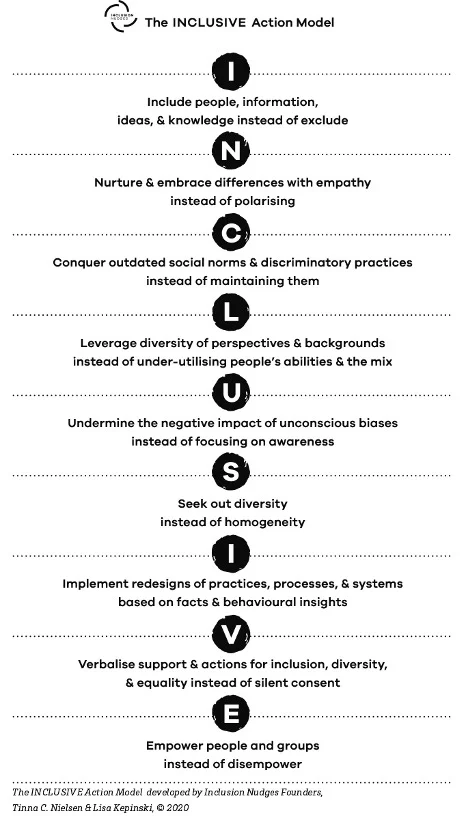
The convergence of heightened polarization and empowered activism has profound implications for the future of Diversity, Equity, and Inclusion. DEI is no longer a peripheral HR function but a central pillar of business strategy, risk management, and talent acquisition and retention. Organizations must critically assess their existing DEI frameworks and evolve them to address the current landscape.
Firstly, Authenticity and Action are Paramount: Companies must move beyond symbolic gestures. This requires transparent goal-setting, measurable progress, and accountability for leaders at all levels. Employees are sophisticated enough to discern genuine commitment from superficial efforts. Initiatives should focus on systemic changes rather than isolated programs.
Secondly, Navigating Difficult Conversations: Leaders and managers must be equipped to facilitate constructive dialogue around sensitive and potentially polarizing topics such as racial justice, vaccine mandates, political ideologies, and economic disparities. This requires training in conflict resolution, empathetic listening, and creating psychologically safe spaces where diverse viewpoints can be expressed respectfully without fear of retribution.
Thirdly, Re-evaluating Policies and Practices: The "no jab, no job" debates highlighted the need for robust, equitable, and legally sound policies that consider diverse employee needs and perspectives. Organizations should review all policies—from remote work to pay equity to grievance procedures—through a DEI lens, ensuring they do not inadvertently create or exacerbate inequalities. This also extends to how companies manage protests, internal activism, and whistleblowing, ensuring fair processes and protection for employees raising legitimate concerns.
Fourthly, Connecting DEI to Broader Societal Impact: Employees, particularly younger generations, expect their organizations to contribute positively to society. DEI efforts should therefore be integrated with corporate social responsibility (CSR) initiatives and external engagement. This includes supply chain diversity, community investment, and advocacy on relevant social issues. Companies must consider their role not just as employers but as corporate citizens influencing the wider ecosystem.
Finally, Inclusive Leadership as a Core Competency: The demands of this new era necessitate a redefinition of effective leadership. Inclusive leaders are those who can foster belonging amidst division, champion equity in unequal systems, and drive progress through active allyship. This requires continuous learning, self-reflection, and a willingness to challenge one’s own biases and assumptions. Developing these competencies across all leadership tiers is critical for organizational resilience and success in a perpetually evolving socio-political landscape.
Conclusion: An Ongoing Journey of Transformation
The past two years have undeniably marked a period of intense turbulence and transformation. The pandemic did not just change how we work; it fundamentally shifted our understanding of the workplace’s role in society and the expectations placed upon its leaders. The acceleration of polarization and the rise of employee activism have created an environment where corporate values are constantly tested, and inaction is often met with severe consequences, from talent drain to reputational damage.
Organizations that embrace this new reality, actively listen to their employees, genuinely commit to DEI, and demonstrate courageous, values-driven leadership are best positioned to navigate these complex challenges. The journey toward a truly inclusive and equitable workplace is ongoing, demanding continuous reflection, adaptation, and a unwavering commitment to action. The imperative is clear: to build workplaces that are not only productive but also just, empathetic, and resilient in the face of an ever-changing world.