The Equal Justice Initiative’s (EJI) Freedom Monument Sculpture Park in Montgomery, Alabama, has been lauded by Travel + Leisure as an essential American experience, securing its place among 50 standout destinations recommended for exploration in celebration of America’s upcoming 250th birthday. This prestigious recognition from the premier global travel magazine positions the 17-acre park as a pivotal site for understanding the nation’s complex history, particularly the legacy of slavery and the perseverance of formerly enslaved people. The selection, which highlights one unique experience in each U.S. state, underscores the park’s profound impact and its critical role in shaping a more complete national narrative as the country approaches its semiquincentennial in 2026.
The Genesis of a Landmark: EJI’s Vision for Historical Reckoning
The Freedom Monument Sculpture Park is the culmination of years of dedicated effort by the Equal Justice Initiative, a non-profit organization founded by public interest lawyer and civil rights activist Bryan Stevenson. Established in 1989, EJI is dedicated to ending mass incarceration and excessive punishment in the United States, challenging racial and economic injustice, and protecting basic human rights for the most vulnerable people in American society. Over time, EJI recognized the profound need to confront the nation’s history of racial injustice directly, particularly the legacy of slavery, lynching, and racial segregation, which they argue continues to shape contemporary American society.
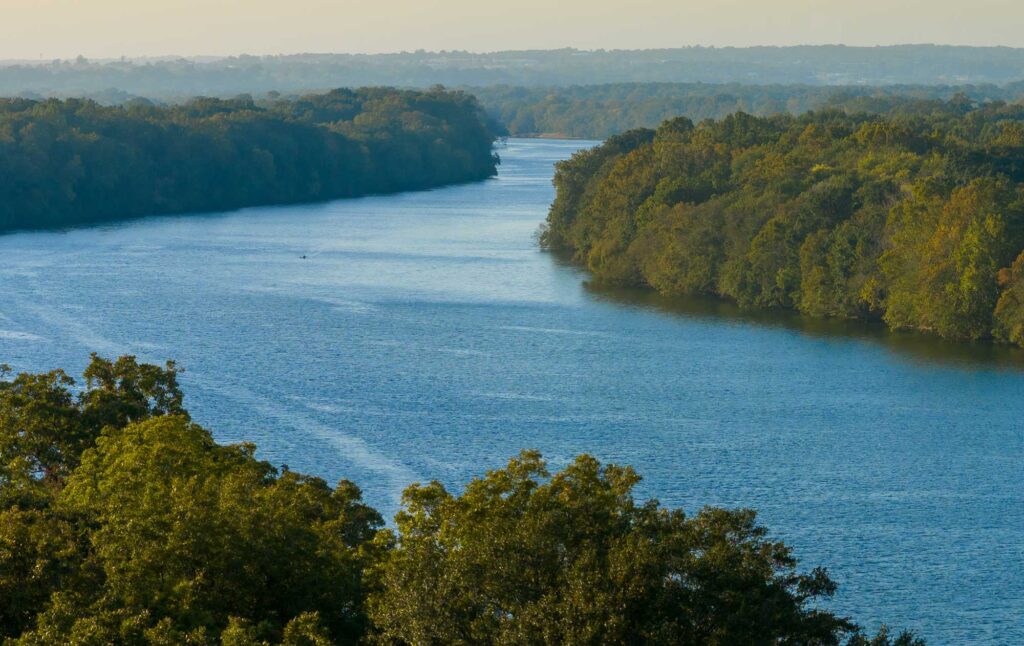
This recognition led to the development of the Legacy Sites initiative, which includes the National Memorial for Peace and Justice (opened in 2018), the Legacy Museum (opened in 2018), and now the Freedom Monument Sculpture Park, which officially opened its doors to the public in 2024. These sites are designed not merely as museums but as immersive experiences that use first-person narratives, innovative technology, and world-class art to confront difficult truths in the very places where history unfolded. The Freedom Monument Sculpture Park, situated on the banks of the Alabama River in downtown Montgomery—a city deeply entwined with both the domestic slave trade and the Civil Rights Movement—serves as a poignant reminder of this history. Prior to its official opening, Travel + Leisure offered a preview, describing it presciently as "a tribute to America’s enslaved people," recognizing its unique power even before its full unveiling.
A Journey Through History: The Park’s Offerings
The Freedom Monument Sculpture Park is far more than a collection of static exhibits; it is an expansive outdoor museum designed to facilitate a deeply personal and reflective journey. Throughout its 17 acres, visitors encounter powerful artworks, historical artifacts, and meticulously crafted narratives that collectively confront the brutal legacy of slavery while simultaneously honoring the extraordinary resilience and enduring spirit of those who endured it. The magazine, in its latest edition, specifically highlighted how "powerful artworks, artifacts, and narratives confront the legacy of slavery while honoring those who endured it." This holistic approach ensures that the historical facts are presented alongside the human stories, making the experience both educational and emotionally resonant.
Beyond the specific narratives of the transatlantic and domestic slave trades, the park also thoughtfully recognizes the deeper Indigenous history of the land upon which it stands. This includes acknowledging the Muscogee (Creek) Nation’s historical connections to the region, providing a more comprehensive understanding of the diverse peoples and narratives that have shaped the American South. This inclusive approach to historical memory is a hallmark of EJI’s work, striving to present a multi-layered understanding of American history.
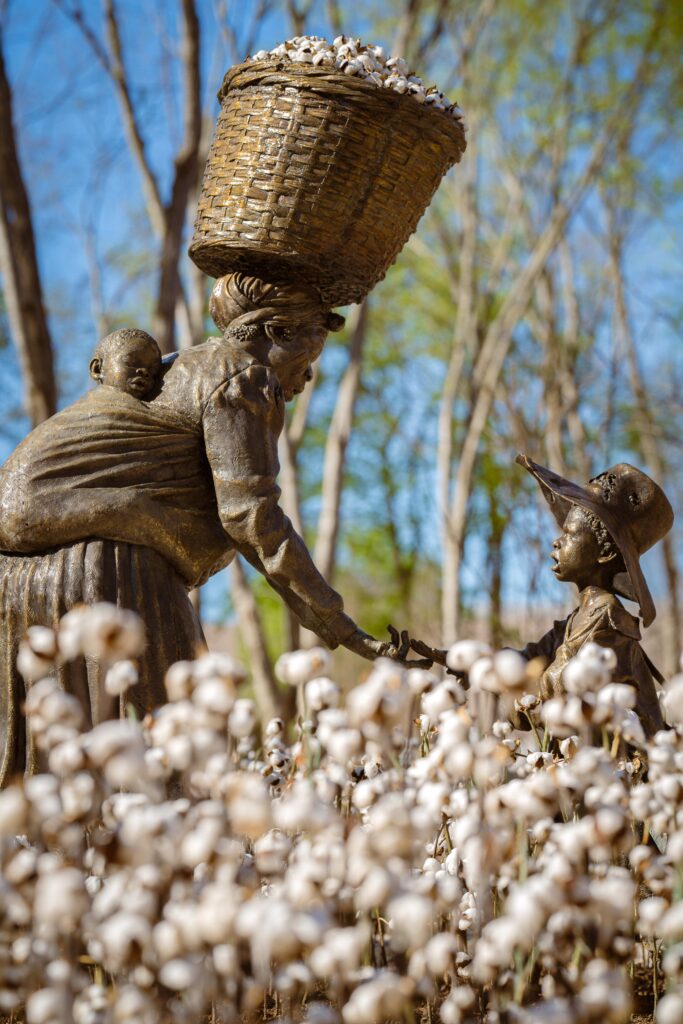
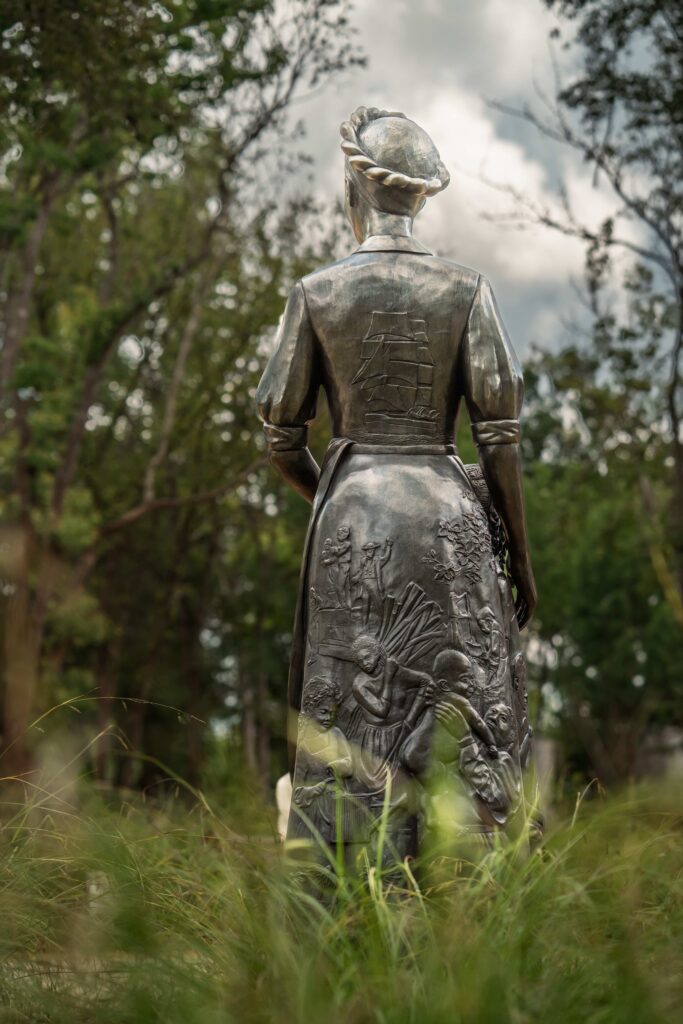
The artistic contributions to the park are central to its immersive quality. Sculptures like Kwame Akoto-Bamfo’s Mama, I Hurt My Hand and Vinnie Bagwell’s Waiting for Auction are not merely decorative but serve as powerful visual anchors, animating the historical narratives with profound emotional depth. These works, created by renowned artists, are strategically placed to guide visitors through different thematic zones, each revealing aspects of the lives of enslaved people, their struggles, their resistance, and their eventual pursuit of freedom. The integration of such world-class art transforms historical data into an unforgettable, visceral journey.
The National Monument to Freedom: A Testament to Resilience

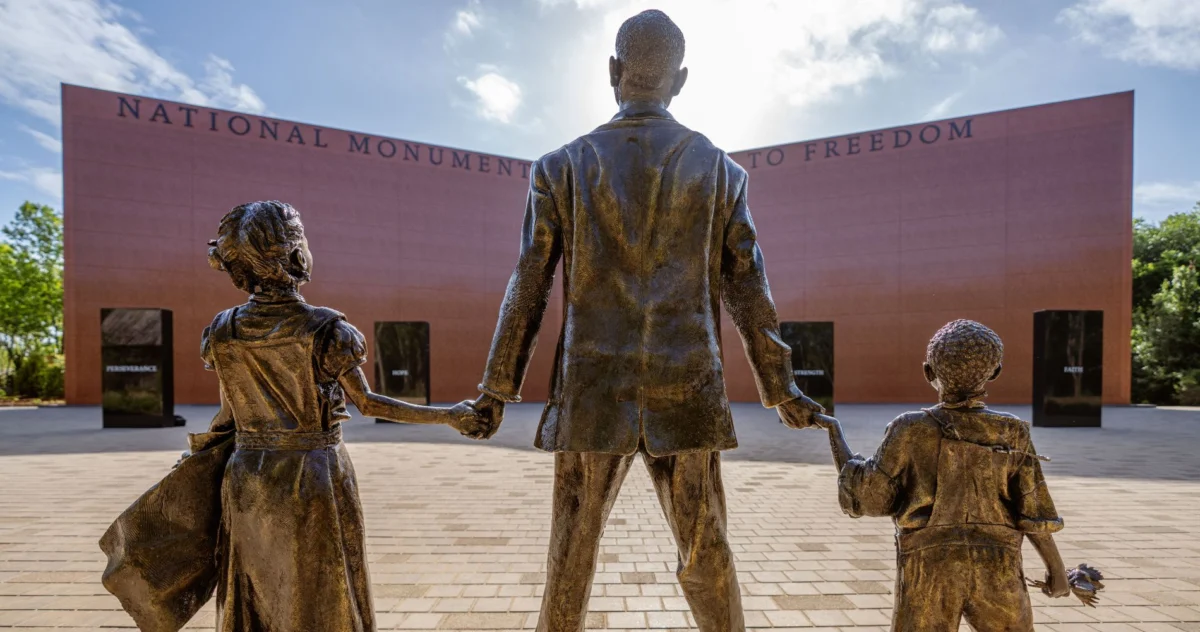
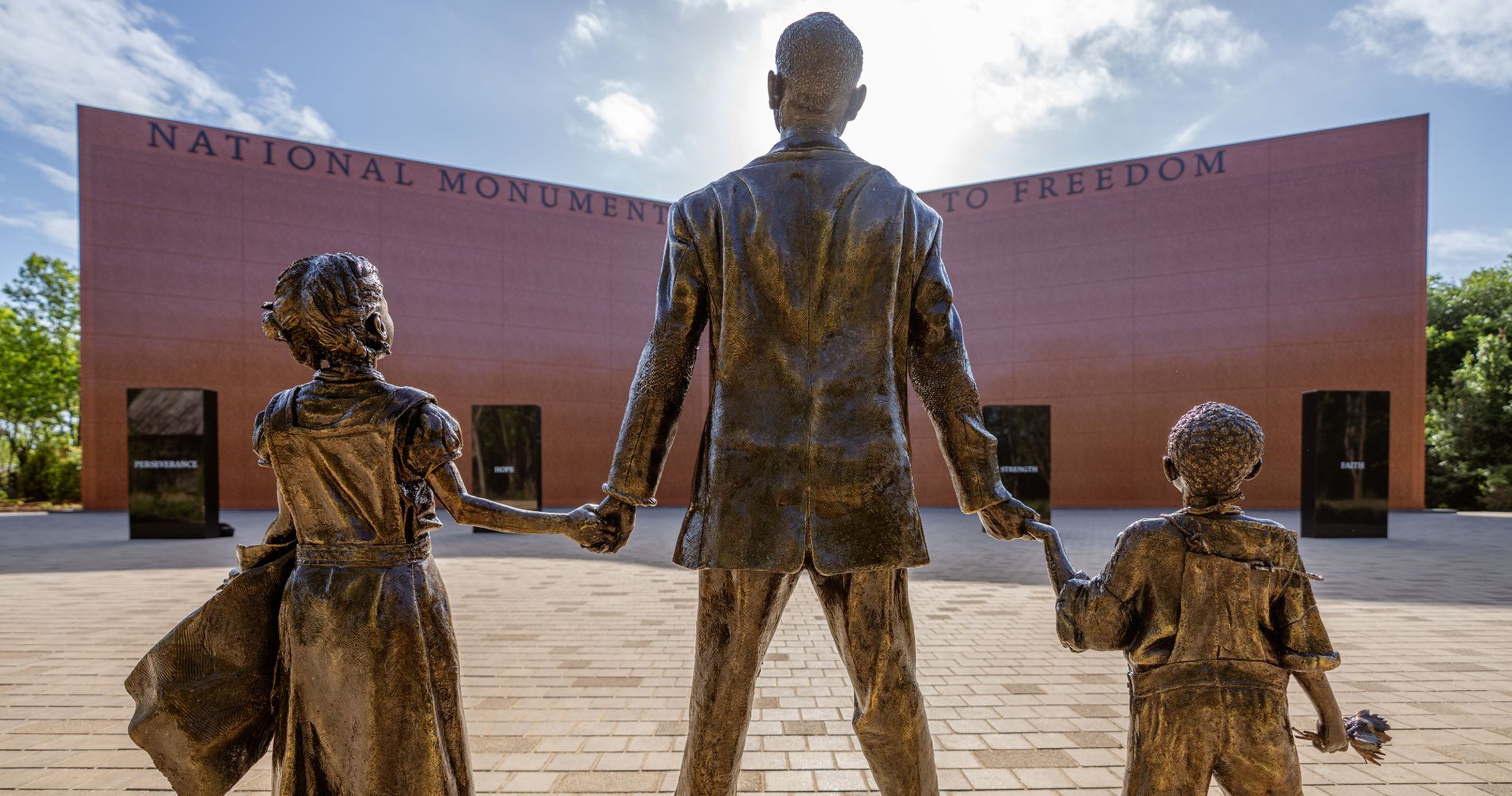
The undeniable centerpiece of the Freedom Monument Sculpture Park is the National Monument to Freedom. This imposing structure is dedicated to honoring four million formerly enslaved people, a staggering number that underscores the scale of human bondage in American history. What makes this monument uniquely powerful, as Travel + Leisure observes, is the engraving of nearly 120,000 surnames from the 1870 census onto its walls. These names are not just historical data points; they represent the foundational act of self-determination for millions of Black Americans after emancipation.
For formerly enslaved people, the 1870 census marked a pivotal moment. It was the first opportunity, following the abolition of slavery and the passage of the 13th, 14th, and 15th Amendments, to officially register chosen family names, thereby exercising a newfound liberty and expressing a deeply rooted hope for the future. Prior to this, many enslaved individuals had no legal surname or were assigned names by their enslavers, often stripped of their ancestral identities. The act of choosing and registering a family name was a profound declaration of personhood, citizenship, and the establishment of familial legacy. It was an assertion of identity against a system designed to deny it.
The names meticulously engraved on the National Monument to Freedom today represent millions of Black families across the United States. Visitors are provided with innovative tools, such as their personal phones or provided tablets, to search for specific family names on the monument. This interactive element allows for a deeply personal connection, enabling individuals to literally reach out and touch the names of those who came before them, forging a tangible link to their ancestry and the broader narrative of emancipation. Furthermore, the visitor center enhances this experience, offering kiosks that provide access to EJI’s extensive census database, allowing individuals to delve into their family history in even greater detail, uncovering lineage and stories that might otherwise remain lost to time. This interactive and deeply personal aspect is a key factor in the park’s acclaimed ability to connect contemporary audiences with historical realities.
Montgomery’s Role: A Nexus of History
The choice of Montgomery, Alabama, as the location for the Freedom Monument Sculpture Park is profoundly significant. Montgomery played a central role in the domestic slave trade, serving as a major port and market for the buying and selling of enslaved people in the antebellum South. The Alabama River, which flows past the park, was a primary conduit for the transport of enslaved individuals, often under horrific conditions, further connecting the physical space to the history it commemorates. This historical context imbues the park with an undeniable authenticity and gravity, as visitors stand on ground that directly witnessed immense suffering and injustice.
Later, Montgomery also became the birthplace of the modern Civil Rights Movement, with seminal events such as the Montgomery Bus Boycott led by Rosa Parks and Martin Luther King Jr. This dual history—as both a crucible of slavery and a beacon of resistance—makes Montgomery an unparalleled site for a comprehensive exploration of racial injustice and the struggle for freedom in America. EJI’s Legacy Sites collectively leverage this historical density, offering visitors an unbroken narrative thread from enslavement to contemporary issues of racial inequality.
Travel + Leisure’s Selection: A National Recognition
Travel + Leisure‘s decision to include the Freedom Monument Sculpture Park among its "America’s Best 50" experiences for the nation’s 250th birthday is a significant endorsement. The magazine’s selection criteria for this special anniversary edition likely focused on destinations that offer not only exceptional visitor experiences but also profound cultural, historical, and educational value. The park’s ability to create a "powerfully immersive experience" through its innovative use of art, technology, and first-person narratives aligns perfectly with such criteria. This recognition elevates the park’s profile considerably, placing it on a national stage as a must-visit destination for anyone seeking to understand the foundational narratives of American identity.
This kind of media attention is vital for cultural institutions dedicated to difficult histories. It broadens their reach beyond academic or activist circles, inviting a wider mainstream audience to engage with stories that are often marginalized or overlooked. By framing the park as an "essential American experience," Travel + Leisure encourages a national reckoning with the complexities of the past, suggesting that true patriotism involves confronting uncomfortable truths as much as celebrating achievements.
Beyond the Park: EJI’s Broader Legacy Sites Initiative
The Freedom Monument Sculpture Park is one of four interconnected Legacy Sites developed by EJI, each designed to deepen visitors’ understanding of American history through distinct but complementary lenses.
- The National Memorial for Peace and Justice: Dedicated to the victims of racial terror lynchings, this memorial features 800 corten steel monuments, each representing a U.S. county where a racial terror lynching took place. It stands as a solemn reminder of a brutal period of racial violence.
- The Legacy Museum: From Enslavement to Mass Incarceration: Located on the site of a former slave warehouse, this museum provides an immersive journey through American history, connecting the legacy of slavery to the era of racial terrorism, Jim Crow segregation, and the contemporary issue of mass incarceration. It utilizes advanced technology, historical artifacts, and personal narratives to create a compelling and challenging experience.
- The Freedom Monument Sculpture Park: As detailed, this outdoor park focuses on the lives of enslaved people, their resilience, and the reclamation of identity after emancipation.
These sites, together, form a powerful educational complex that challenges visitors to confront the enduring impact of racial injustice on American society. EJI’s innovative approach to historical memory has garnered widespread acclaim, drawing visitors from across the globe and establishing Montgomery as a crucial destination for historical tourism and civil rights education.
Statements and Perspectives: The Voice of the Initiative
Bryan Stevenson, EJI’s director, articulated the profound significance of the park, stating, "Freedom Monument Sculpture Park is a special place for millions of people who want to reckon with the history of slavery and honor the lives of people who endured tremendous hardship but still found ways to love in the midst of sorrow." His words encapsulate the dual purpose of the park: to acknowledge suffering and injustice, but also to celebrate the indomitable human spirit. He added, "Many of us are the heirs to that extraordinary perseverance and hope. There is a lot to learn at this site and we want everyone to experience it." This invitation emphasizes the park’s role as a communal space for learning, healing, and connection, where individuals can trace their own heritage and understand the collective journey of a nation.
The sentiment expressed by Stevenson is echoed by cultural critics and historians who recognize the unique value of EJI’s approach. By centering the narratives of those who were oppressed and by providing a space for their descendants to connect with that history, the park contributes significantly to a more inclusive and accurate national memory. Such sites are increasingly seen as vital for fostering empathy and promoting social justice in the present.
Broader Implications: Shaping National Dialogue and Tourism
The inclusion of the Freedom Monument Sculpture Park in Travel + Leisure‘s prestigious list carries significant implications. For Montgomery and the state of Alabama, it is a considerable boost to cultural tourism, drawing visitors who are specifically seeking meaningful and educational travel experiences. This can lead to economic benefits for local communities, but more importantly, it positions the region as a leader in historical reconciliation and education.
On a national level, this recognition contributes to a broader societal shift in how America confronts its past. As the nation prepares for its 250th anniversary, there is a growing imperative to move beyond simplistic celebratory narratives and engage with the full, complex tapestry of American history, including its darker chapters. The Freedom Monument Sculpture Park, alongside EJI’s other Legacy Sites, serves as a powerful catalyst for this ongoing dialogue, encouraging critical reflection on the origins and persistence of racial inequality.
The park’s focus on reclaiming identity through the 1870 census names also has profound implications for genealogical research and personal empowerment. It offers a tangible link for millions of Black Americans to their ancestors, providing a sense of rootedness and continuity that was systematically denied for centuries. This personal connection is a powerful tool for healing and understanding, contributing to a more robust sense of individual and collective identity.
Conclusion: A Path Forward
The Freedom Monument Sculpture Park’s designation as an essential American experience by Travel + Leisure is a testament to its powerful vision and execution. It stands not merely as a monument to the past, but as a living testament to resilience, a call for justice, and a beacon for a more honest reckoning with American history. As the nation approaches its 250th anniversary, sites like EJI’s Freedom Monument Sculpture Park offer a critical pathway for collective introspection, fostering a deeper understanding of where we have come from, and inspiring a more just and equitable future for all. It is an experience that promises to educate, challenge, and ultimately enrich every visitor who walks its sacred grounds.