The past two years have plunged the world into an unprecedented era of rapid experimentation with new ways of working, fundamentally reshaping perceptions of employment and the future of the global workforce. This tumultuous period, driven by the ongoing pandemic, has ushered in profound shifts, leaving many open questions and an evolving landscape of data. A comprehensive analysis of these emerging trends can be categorized across critical dimensions: Purpose, People, Process & Policy, and Polarisation & Activism. This particular examination delves into the ‘People’ trends, exploring the significant transformations in employee-employer dynamics, talent mobility, and the critical imperative for inclusive recovery.
The Unprecedented Experiment: A Chronology of Work Shifts
The onset of the COVID-19 pandemic in early 2020 triggered an immediate and dramatic pivot across industries worldwide. As lockdowns were enforced and health concerns mounted, businesses scrambled to implement remote work policies, often overnight. This initial phase was characterized by crisis management, a focus on business continuity, and a rapid adoption of digital tools to maintain operations. Employees, in turn, adapted to new home office setups, balancing professional responsibilities with personal challenges such as childcare and elder care, often in confined spaces.
By mid-2020, as the initial shock subsided, a new set of challenges began to surface. Burnout became a pervasive issue, exacerbated by blurred lines between work and home life, increased screen time, and a constant state of uncertainty. Mental health and well-being emerged as critical concerns for both employees and employers. This period also saw a growing awareness among employees of their personal priorities and the importance of work-life balance, sparking an internal re-evaluation of their careers and current employment situations.
As 2020 transitioned into 2021, and the prospect of a sustained hybrid or remote work model became more concrete, the collective reflection intensified. This period marked the conceptual birth of "The Great Resignation," a term coined to describe the surge in voluntary employee departures. Simultaneously, a more nuanced understanding of the economic recovery began to take shape, revealing a stark contrast between those empowered to seek new opportunities and those facing involuntary job losses – a phenomenon increasingly referred to as "The Great Divergence." By mid-2021, the labor market across many developed nations began to tighten significantly, with widespread talent shortages becoming a pressing concern for employers, further cementing the employee’s newfound leverage.
The Great Resignation: A Power Shift to Employees
As economies, organizations, and individuals worldwide navigate the complex path to recovery, talent has undeniably become the paramount strategic asset. The pandemic era has fundamentally recalibrated the balance of power, shifting it discernibly towards employees. This newfound leverage has empowered workers to voice their expectations more strongly regarding what will attract them to an employer and, crucially, what will keep them engaged and retained.
The term "The Great Resignation" captured global attention, describing a period of unprecedented voluntary turnover. A global survey released in March 2021 by Microsoft underscored this sentiment, revealing that over 40% of employees were actively considering leaving their current employers within the year. While researchers correctly point out that a building trend of resignations was observable even before the pandemic, the global health crisis undoubtedly accelerated and amplified this phenomenon, transforming it into a major talent concern.
Empirical data from key global economies paints a vivid picture of this shift. In the United States, August 2021 witnessed a staggering 4.3 million voluntary quits, coinciding with an equally remarkable 10.4 million open job postings. This created a significant supply-demand imbalance in the labor market. Similarly, in the United Kingdom during the same period, the number of open jobs reached a record high of over 1 million. The implications of this talent exodus are far-reaching and are projected to be long-lasting. A Willis Towers Watson survey in August 2021 indicated that 70% of U.S. employers anticipated this talent gap to persist into the following year, with 61% reporting ongoing struggles with employee retention. Concerns were not limited to Anglo-Saxon economies; German company leaders, overseeing the EU’s largest economy, reported an 11% jump in their worries about the lack of skilled employees over just three months, reaching 34.6% by July 2021.
Who is Driving the Exodus and Why?
Analysis reveals that resignation rates were particularly prevalent among individuals at mid-career levels, showing an increase of 20% from pre-pandemic figures. This demographic, often burdened with significant responsibilities both at work and home, appeared to be seeking greater flexibility, better compensation, or more purposeful work. Sector-wise, the tech and healthcare industries, both of which experienced extreme demand and pressure during the pandemic, saw particularly high turnover rates. The relentless pace, long hours, and emotional toll in these sectors likely contributed to widespread burnout and a desire for change.
Beyond these specific segments, high turnover rates historically characterized the service and hospitality sectors. While this trend continued during the pandemic, a significant shift occurred in public awareness and empathy regarding the often-poor working conditions and low wages in these industries. This heightened scrutiny contributed to a new phenomenon: "Rage Quitting." This refers to explosive, on-the-spot resignations by workers who, pushed to their breaking point by negative work environments, felt empowered by the tight labor market to immediately exit untenable situations.
The underlying motivations for "The Great Resignation" are complex and multifaceted. Beyond immediate dissatisfaction, employees have been driven by a profound re-evaluation of their priorities. Many sought better work-life balance, improved mental health support, increased flexibility (including remote or hybrid options), and a greater sense of purpose and alignment with organizational values. The pandemic served as a catalyst for individuals to question traditional work structures and seek employment that better served their holistic well-being and personal aspirations. This has forced employers to rethink their value propositions, moving beyond just compensation to include comprehensive benefits, a supportive culture, and opportunities for growth and impact.
Beyond Voluntary Quits: The Great Divergence and Inclusive Recovery
While "The Great Resignation" has dominated headlines, it represents only one facet of the pandemic’s impact on the global workforce. A parallel, and often more sobering, narrative is "The Great Divergence," which highlights the stark inequalities embedded within the current economic recovery. For millions, the pandemic-era employment changes were not a matter of voluntary resignation but rather unwanted job losses, further exacerbating the global employment crisis.
This divergence underscores that not everyone had the privilege or economic security to "quit for something better." Many faced involuntary unemployment, furloughs, or reduced hours, particularly in sectors most vulnerable to lockdowns and shifting consumer behavior. Data from the Organisation for Economic Co-operation and Development (OECD) reveals that since the start of the pandemic, there are approximately 20 million fewer people in work across OECD countries, and over 110 million fewer jobs worldwide. The International Labour Organization (ILO) calculated that globally in 2021, hours worked were 4.3% below pre-pandemic levels, equating to a loss of 125 million full-time jobs. The OECD further highlighted that this reduction in working hours disproportionately affected low-paid jobs, deepening existing economic disparities. While global unemployment saw a slight drop as of May 2021, it remained notably higher than pre-pandemic levels.
The "K-shaped recovery" metaphor accurately describes this uneven landscape: some sectors and demographics rapidly rebounded and even thrived, while others continued to struggle or declined further. Those with in-demand skills, access to technology, and the ability to work remotely often found themselves in a strong negotiating position, benefiting from higher wages and more flexible conditions. Conversely, workers in service industries, those with lower skills, women, younger workers, and marginalized communities often bore the brunt of job losses, faced precarious employment, or struggled to re-enter the workforce. This widening gap threatens to entrench existing societal inequalities and slow down overall economic progress.
Deep Dive into Employee Expectations and Organizational Culture
The seismic shifts in the labor market have fundamentally altered employee expectations, placing a renewed emphasis on organizational culture, well-being, and flexibility. Companies that fail to adapt risk not only losing existing talent but also struggling to attract new hires in a highly competitive market.
Mental health and well-being have moved from a niche HR concern to a strategic imperative. The pandemic highlighted the fragility of mental health under stress, and employees now expect their employers to provide robust support systems, including access to mental health resources, policies that promote work-life balance, and a culture that destigmatizes discussions around stress and burnout. Organizations are increasingly investing in employee assistance programs, mindfulness initiatives, and training for managers to identify and support struggling team members.
Flexibility and autonomy have become non-negotiable for a significant portion of the workforce. The forced experiment with remote work proved that productivity is not solely tied to physical presence in an office. Employees now demand options for hybrid work, flexible hours, and greater control over where and how they perform their duties. Companies adopting rigid return-to-office mandates often face backlash and higher attrition rates, indicating that a one-size-fits-all approach is no longer viable.
Furthermore, employees are increasingly seeking purpose and values alignment. The pandemic prompted many to reflect on their careers’ meaning and impact. They want to work for organizations that demonstrate a commitment to social responsibility, ethical practices, and diversity, equity, and inclusion (DEI). This desire for meaningful work extends beyond individual roles to the broader organizational mission and values. Leaders are challenged to articulate a clear purpose that resonates with employees and demonstrate authentic commitment to their stated values.
This evolving landscape demands a transformation in leadership. Traditional command-and-control models are being replaced by empathetic, inclusive, and empowering leadership. Managers must be equipped to lead diverse teams in hybrid environments, fostering psychological safety, building trust, and ensuring equitable opportunities for all, regardless of their work location.
The Imperative for Diversity, Equity, and Inclusion (DEI)
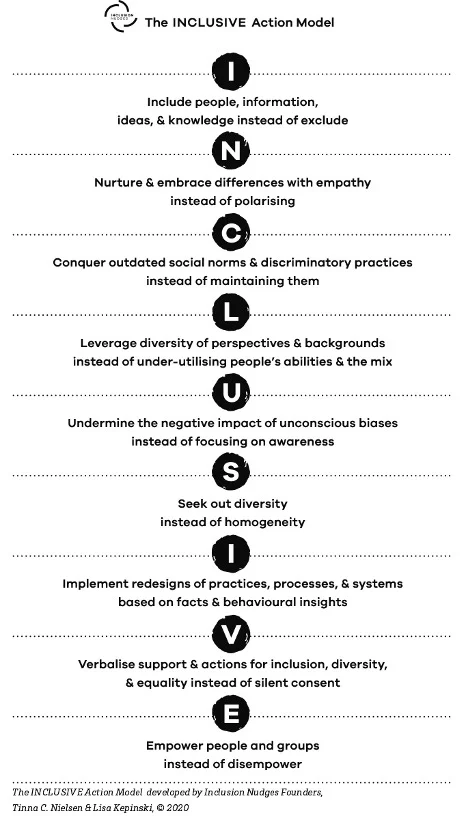
In this transformed landscape, Diversity, Equity, and Inclusion (DEI) is no longer merely a moral imperative but a critical strategic necessity for organizational success and an inclusive economic recovery. The trends of "The Great Resignation" and "The Great Divergence" have amplified the urgency and importance of robust DEI initiatives.
From a talent attraction and retention perspective, strong DEI practices are proving to be a powerful differentiator. In a market where employees are actively seeking workplaces that value them, provide equitable opportunities, and foster a sense of belonging, organizations with genuine DEI commitments have a distinct advantage. Inclusive cultures are directly linked to higher employee engagement, lower turnover rates, and enhanced innovation. Employees, particularly younger generations, are increasingly scrutinizing a company’s DEI track record before committing to an employer.
Moreover, DEI efforts are crucial in addressing "The Great Divergence." The pandemic disproportionately impacted women, people of color, and other marginalized groups, both in terms of job losses and increased caregiving responsibilities. An inclusive approach to talent and employment means actively designing policies and practices that counteract these historical and pandemic-exacerbated inequalities. This includes ensuring equitable hiring processes, providing support for diverse caregivers, investing in training and upskilling programs for vulnerable populations, and creating pathways for career advancement that are accessible to all. Organizations committed to DEI recognize that an inclusive recovery means actively working to lift up those who have been most affected, rather than leaving them behind. This is the moment to make profound and lasting changes to foster a truly equitable and resilient workforce.
Forward Outlook: Navigating the New Landscape
The shifts in work brought about by the pandemic are not transient; they represent a fundamental recalibration of the relationship between employees, employers, and the very nature of work itself. As the world continues to emerge from the immediate crisis, the challenges of a transformed labor market are set to persist. Talent shortages will likely remain a significant concern in many sectors, while employee demands for flexibility, well-being, and purpose will continue to shape organizational strategies.
However, this period also presents unprecedented opportunities for positive transformation. The imperative to build back better, as articulated in initiatives like "The Great Reset," must place people-centered work cultures at its core. This means reimagining work structures, investing in adaptive technologies, and cultivating leadership that champions empathy and inclusion. Businesses that proactively embrace these changes, prioritize employee experience, and embed DEI into their operational DNA will be better positioned for resilience, innovation, and sustainable growth.
Policymakers also have a crucial role to play in fostering an inclusive recovery. This includes strengthening social safety nets, investing in education and retraining programs to address skill gaps, and promoting policies that support flexible work arrangements and equitable access to opportunities for all segments of the population. The collective response to these shifts will determine whether the post-pandemic world of work truly becomes fairer, more human-centric, and ultimately, more prosperous for everyone. The legacy of this tumultuous era will be defined not just by the challenges faced, but by the profound and lasting changes made to build a more equitable and resilient global workforce.