The Women’s Association for the Development of Sacatepéquez (AFEDES) stands as a powerful testament to the resilience and ingenuity of Indigenous women in Guatemala, weaving together threads of ancestral knowledge, feminist principles, and community empowerment. Founded in the early 1980s by Kaqchikel Maya women in Santiago Sacatepéquez, AFEDES emerged as a vital response to the pervasive challenges of malnutrition and food insecurity that plagued their communities. Today, its influence extends far beyond its origins, encompassing 522 members across the departments of Sacatepéquez, Chimaltenango, Santa Lucía Utatlán, Sololá, and Tactic in Alta Verapaz. This diverse collective comprises women from various age groups, representing the Kaqchikel, K’iche’, and Poqomchi’ ethnicities, and bringing together a rich tapestry of occupations, knowledge systems, and skill sets.
Genesis of Empowerment: Addressing Malnutrition and Building a Collective Voice
The formation of AFEDES in the 1980s was not an isolated event but a direct consequence of the pressing socio-economic conditions faced by Indigenous communities in Guatemala. Decades of systemic neglect, coupled with the lingering effects of internal conflict and exploitative economic policies, had exacerbated issues of food insecurity and malnutrition, particularly among women and children. Recognizing the urgent need for a collective response, a group of Kaqchikel Maya women in Santiago Sacatepéquez decided to organize. Their initial focus was on addressing these immediate survival needs, but their vision quickly expanded to encompass broader issues of self-determination, cultural preservation, and the fight against deeply entrenched social injustices. The association’s early years were characterized by grassroots organizing, the sharing of traditional agricultural practices, and the development of communal food security initiatives.
The "Web of Life": A Philosophy for Liberation
At the heart of AFEDES’s transformative work lies its profound commitment to reclaiming historical memory and embracing the philosophy of the "Web of Life" (Utz’ K’aslemal). This worldview, deeply rooted in Indigenous cosmovision, offers a powerful counter-narrative to oppressive social structures. It challenges the dominant Western paradigm, often characterized by centralized power and singular, often totalitarian, narratives. Instead, the "Web of Life" emphasizes vital interconnectedness, mutual reliance, and the fundamental necessity of care—for each other, for the environment, and for future generations.
This philosophy is intricately woven with global feminist concepts, particularly the gender perspective. AFEDES utilizes this framework to critically analyze the power dynamics between men and women, which have been historically shaped by the sexual division of labor and the imposition of patriarchal and colonial roles. By understanding these dynamics, the association aims to dismantle oppressive structures and foster genuine gender equality. Their approach seeks to strengthen the skills and capacities of Indigenous women across three crucial dimensions: physical well-being, economic independence, and political participation. The ultimate goal is to elevate the living conditions of Indigenous women, liberating them from the enduring legacies of colonial-patriarchal oppression, while simultaneously advocating for the defense of their rights, the preservation of their ancestral knowledge, and the exercise of their inherent right to self-determination.
Safeguarding Heritage: The Battle Against Cultural Appropriation and the Rise of the National Movement of Weavers
A pivotal moment in AFEDES’s trajectory occurred around 2012, when the association confronted the stark reality of cultural appropriation and the unauthorized commercialization of their invaluable textile art. Instances emerged where designers sought to exploit the intricate craftsmanship of Indigenous weavers, commissioning "exclusive" designs for resale without fair compensation or recognition of intellectual property rights. This blatant disregard for their cultural heritage spurred AFEDES to initiate a legal process in 2014 to safeguard the collective intellectual property rights of the creations and clothing produced by Indigenous women.
This legal struggle served as a catalyst for the formation of the National Movement of Weavers of Guatemala, known in Kaqchikel as Ruchajixik ri qnajöq’al. This movement operates through a network of Weavers’ Councils strategically located across seven departments of Guatemala. While these councils maintain their autonomy, AFEDES plays a crucial supportive role, assisting them in securing resources for vital initiatives such as political training, the establishment of weaving schools, regional meetings, and Weavers’ Council gatherings. This support is designed to foster active participation in broader organizational activities and empower these councils to become self-sufficient stewards of their cultural heritage.
Since 2005, AFEDES has been at the forefront of reviving and preserving traditional weaving techniques through its weaving schools. To date, these programs have trained over 2,000 Maya women in the mastery of the backstrap loom, an ancient and intricate art form. The Weavers’ Councils have recognized the immense potential of these weaving schools as potent tools for safeguarding ancestral knowledge, and there is a strong impetus to expand these educational initiatives within their respective territories. This dedication to intergenerational knowledge transfer is critical in ensuring that these invaluable traditions are not lost to future generations.
Weaving Resilience: AFEDES’s 2024 Initiatives for Cultural Preservation
In 2024, with crucial support from the Keepers of the Earth Fund, AFEDES has undertaken a comprehensive series of activities aimed at safeguarding both the ancestral knowledge of textile art and the vital food systems of Indigenous communities in Guatemala. Recognizing the interconnectedness of these domains, the association has strategically designed programs that address the identified needs of AFEDES and the National Movement of Weavers.
Weaving Schools: A Nexus of Art, Identity, and Well-being
The Weaving School initiative, implemented in Santiago Sacatepéquez and Santo Domingo Xenacoj, represents a significant effort to strengthen the identity of Indigenous women through the immersive practice of textile art. The primary objective is the immediate safeguarding of ancestral and intergenerational knowledge. The program is structured in two distinct phases: the first phase focuses on imparting foundational techniques, ensuring a solid understanding of the craft, while the second phase delves into the complexities of design and color combinations, allowing for creative expression and innovation within traditional frameworks.
Instruction is primarily conducted in Kaqchikel, the mother tongue of many participants, with Spanish integrated as a supporting language for those who may not be fluent in Mayan languages. This bilingual approach ensures inclusivity and accessibility. Beyond its cultural and economic significance, the weaving school has been reimagined as a vital space for occupational therapy. The act of weaving, with its rhythmic motions and intricate patterns, has been recognized for its therapeutic benefits, contributing to the emotional well-being of Maya women. This holistic approach is further enhanced through the integration of color therapy, where participants explore the emotional resonance of different hues, and excursions through the local landscape, allowing them to connect the vibrant colors of their textiles with the natural beauty and emotional experiences of their surroundings.
Furthermore, the weaving school serves as a dynamic forum for political discourse and critical consciousness-raising. Discussions revolve around crucial topics such as identity, historical memory, and the individual and collective rights of Indigenous women. These conversations foster a deeper understanding of their rights and empower them to advocate for themselves. The program actively promotes intergenerational learning, bringing together girls, young women, and adult women, thereby facilitating the seamless transmission of knowledge and experiences across different age groups.
Floridalma, a 33-year-old participant, shared her profound experience: "Before joining the weaving school, I had never found a space that truly felt like it was for me. I was always busy helping at home or working, but here I found a place where I can learn and connect with other women. I’ve learned not just how to weave, but also about women’s rights. It’s wonderful to know that while we weave, we also grow as individuals. Now, I dream of creating my own designs and perhaps teaching the women I know." Her words encapsulate the transformative impact of these initiatives, highlighting the multifaceted benefits of skill development, empowerment, and personal growth.
Agroecological Vacation Schools: Nurturing Food Sovereignty and Healthy Futures
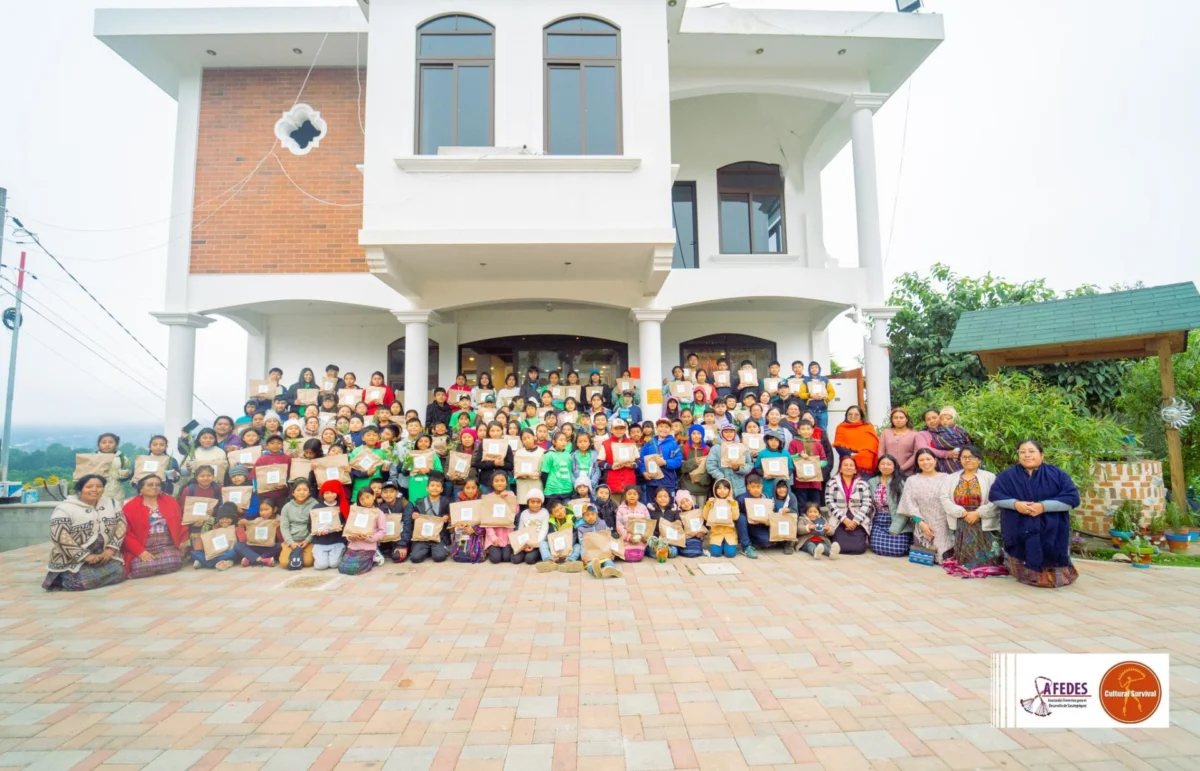
From their esteemed position as keepers of tradition and knowledge, the weavers extend their influence to the vital domain of food and medicine. AFEDES’s Agroecological Vacation Schools have emerged as pivotal platforms for raising awareness among children and adolescents about critical issues such as food sovereignty. Cultural Survival has also provided support for the organization of these schools, underscoring their importance in safeguarding and transmitting knowledge and practices that promote healthy, culturally appropriate nutrition.
These immersive educational experiences are meticulously structured into two distinct workshops, each comprising five thematic stations designed to engage young minds and foster a deep connection with their environment and heritage.
- "Web of Life": This station explores the profound connection between nature and art, illustrating how ecological principles inform and inspire creative expression.
- "Caring for Gardens, Soil, and Water": This segment delves into the intricacies of traditional medicine and agroecology, educating participants on sustainable agricultural practices and the medicinal properties of local flora.
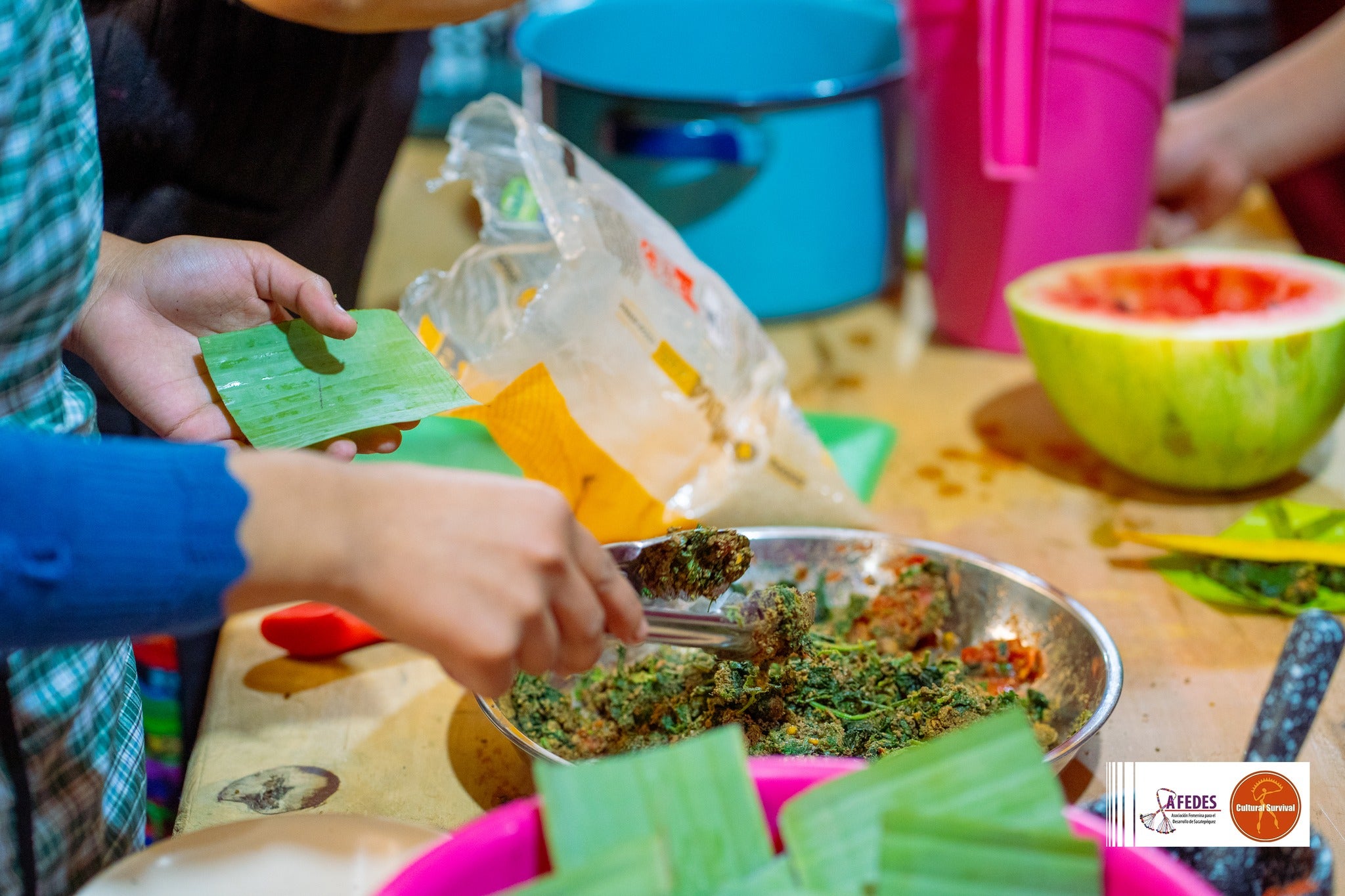
- "Mayan Cuisine": Dedicated to the recovery and sharing of local gastronomy, this station highlights the health benefits and cultural significance of traditional Mayan dishes.
- "Free from Violence": This crucial station addresses gender and school-based violence in an age-appropriate manner, equipping young participants with the knowledge and tools to recognize and prevent such harm.
- "What I’ve Learned": A concluding session designed for reflection and the practical application of lessons learned to daily life, reinforcing the educational objectives of the program.
Similar to the Weaving Schools, these workshops are conducted in both Kaqchikel and Spanish, ensuring broad accessibility and cultural relevance.
The impact of these agroecological vacation schools is far-reaching, enabling children and adolescents to internalize valuable knowledge and integrate it into their daily routines. This ranges from identifying the diverse array of plants cultivated in their family gardens to understanding the meticulous care these plants require for optimal growth and health. Fourteen-year-old Alberth shared his newfound appreciation: "I like cooking and helping my mom prepare meals; I enjoy caring for the plants because they heal me when I’m sick, and it’s my way of thanking them for their kindness." His testimony underscores the program’s success in fostering a sense of responsibility and gratitude towards nature.
Furthermore, these workshops cultivate a critical mindset regarding interpersonal relationships within families and romantic contexts. Participants are empowered to recognize potential forms of violence, prompting them to reflect on their implications and develop strategies for identification and prevention. One young participant noted, "Now I know I should help my mom with household chores according to my abilities, whereas before, I didn’t help her." This simple yet profound realization highlights the program’s effectiveness in challenging traditional gender roles and promoting equitable participation within the home. Eleven-year-old Juan José added, "I also know that I am capable of thinking and contributing in a positive way." This statement reflects a significant boost in self-esteem and a recognition of their agency and potential.
Broader Implications: Reconciling Traditions, Empowering Futures
The multifaceted work of AFEDES offers invaluable insights into several critical areas. Firstly, its ability to adapt and apply the traditional "Web of Life" philosophy through a gender-sensitive lens demonstrates a remarkable capacity to reconcile Indigenous philosophies with contemporary global perspectives. This integration proves to be profoundly beneficial for all community members, including children, adolescents, and women associated with AFEDES. Participants are gaining new, critical perspectives on their identities while remaining deeply connected to their ancestral roots.
This success underscores the paramount importance of intergenerational projects. While these initiatives share a common overarching goal, their approach can be thoughtfully tailored to suit the diverse ages and developmental stages of participants, thereby maximizing their effectiveness.
Ultimately, the case of AFEDES powerfully illustrates that textile art is far more than a craft; it is a vibrant space and a potent symbol of Indigenous resistance. It serves simultaneously as a crucial venue for the collective creation and preservation of memory, a vital means of livelihood that empowers women economically, and a profoundly therapeutic activity that nurtures emotional well-being. The sustained efforts of AFEDES and its partner organizations are not only safeguarding cultural heritage but also building a more equitable and resilient future for Indigenous communities in Guatemala.