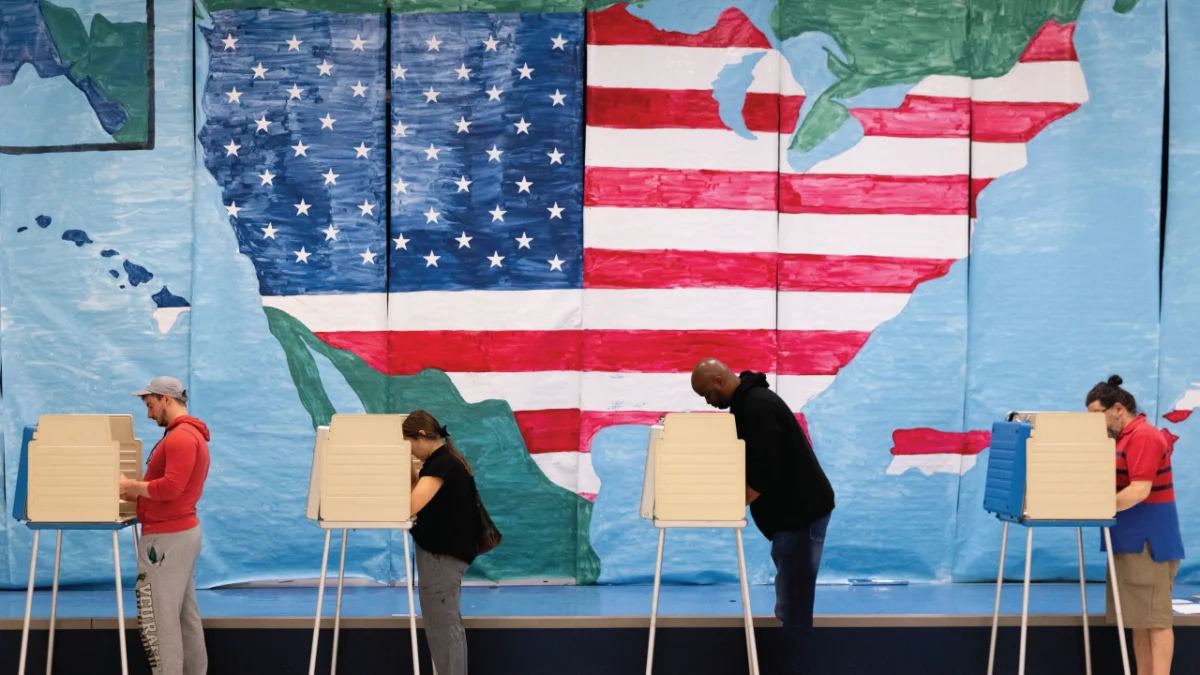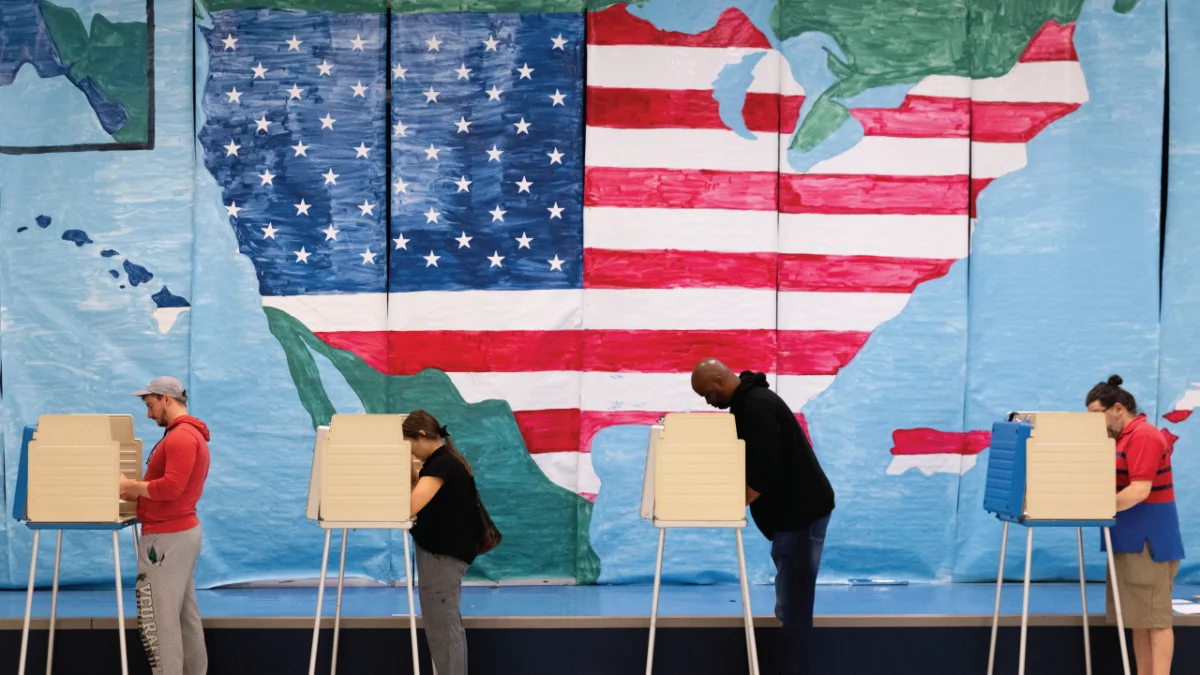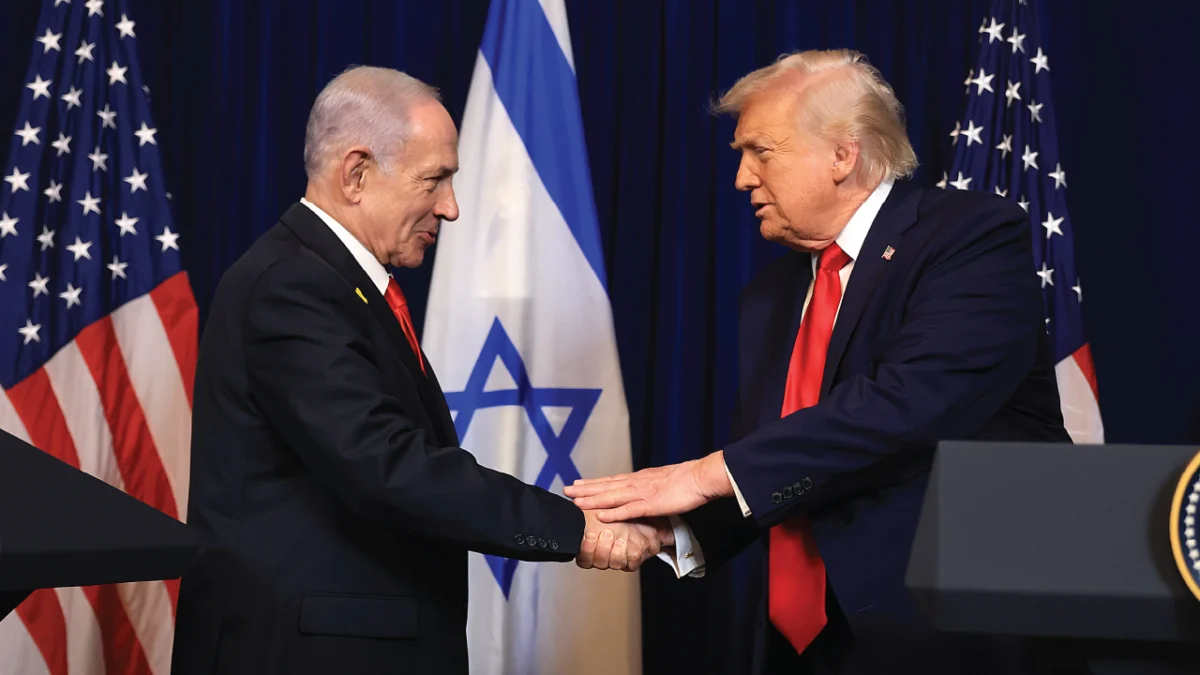
A comprehensive new survey by the Pew Research Center reveals a significant and growing negative sentiment among Americans towards Israel and its Prime Minister, Benjamin Netanyahu. The findings, released on April 7, 2026, underscore a notable shift in public opinion, particularly among younger demographics and Democrats, coinciding with ongoing geopolitical tensions in the Middle East, including the U.S.- and Israeli-led war in Iran.
Key Findings from the Pew Research Center Survey:
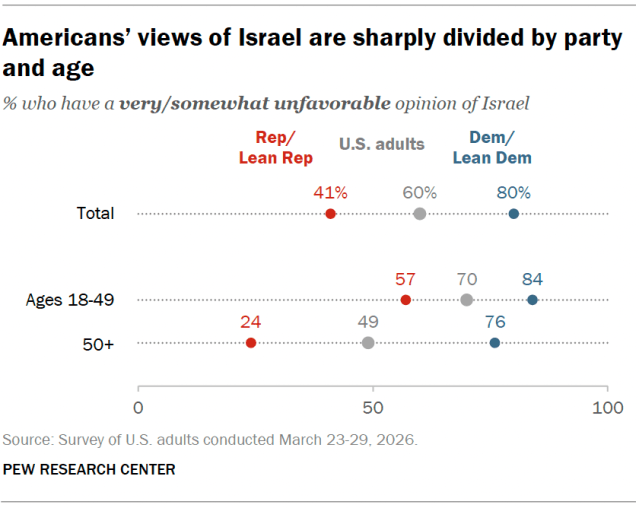
- Declining Favorability for Israel: Six-in-ten Americans now hold an unfavorable view of Israel, marking a substantial increase from previous years. This sentiment has climbed by 7 percentage points since 2025 and nearly 20 points since 2022. The proportion of U.S. adults with a very unfavorable view has also surged to 28%, almost tripling since 2022.
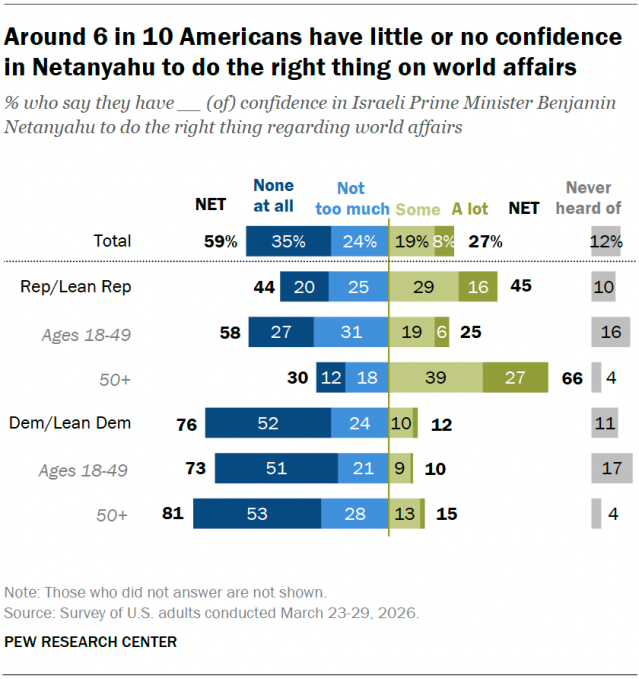
- Erosion of Confidence in Netanyahu: A majority of Americans, 59%, express little or no confidence in Prime Minister Benjamin Netanyahu’s ability to handle world affairs. This represents a 7-point increase from the previous year and a nearly 20-point surge since 2023.
- Partisan Divide Deepens: The survey highlights a stark partisan divide in views towards Israel. A significant majority of Democrats and Democratic-leaning independents (80%) now view Israel unfavorably, a notable increase from 69% in 2025 and 53% in 2022. Conversely, while a majority of Republicans and Republican-leaning independents (58%) still hold a favorable view of Israel, the share expressing unfavorable opinions has also risen.
- Generational Differences: Younger Americans, particularly those under 50, demonstrate more critical views of both Israel and Netanyahu. This trend is evident across both Democratic and Republican demographics, suggesting a generational shift in perspectives on the long-standing U.S.-Israel relationship.
- Impact of the Iran War: The survey was conducted approximately one month into the U.S.- and Israeli-led military campaign against Iran, a conflict that has understandably captured public attention and likely influenced perceptions of regional stability and international relations. The report also notes that Americans are more likely to describe the ongoing U.S. military action in Iran as personally important (77%) compared to the Israel-Hamas conflict (53%).
Background and Context
The findings emerge at a critical juncture in Middle Eastern geopolitics. The U.S.- and Israeli-led military operations in Iran, launched in early March 2026, represent a significant escalation of regional tensions. This campaign follows years of proxy conflicts and heightened rhetoric between Iran and Western-aligned nations, including Israel. The stated objectives of the intervention have included deterring further Iranian aggression and ensuring regional stability, though the prolonged nature and international implications of the conflict are subjects of ongoing debate and public concern.
Simultaneously, the persistent conflict between Israel and Hamas continues to be a focal point of international attention. While the survey indicates a slight decrease in the personal importance Americans attach to the Israel-Hamas conflict compared to the Iran War, it remains a significant issue for a substantial portion of the population.
Evolving American Perceptions of Israel
The decline in favorable views of Israel is particularly pronounced among Democrats. The 80% unfavorable rating among this group represents a significant departure from historical trends. Democrats under 50 are even more critical, with nearly half expressing a very unfavorable opinion. This shift may be influenced by a variety of factors, including increased media coverage of the Israeli-Palestinian conflict, growing awareness of humanitarian concerns in Gaza, and the broader geopolitical context of the region.
While Republicans generally maintain more favorable views of Israel, the trend is not uniformly positive. Republicans under 50 are showing an uptick in unfavorable opinions, suggesting that generational divides are also present within the Republican base regarding this issue. This segment of the Republican electorate may be more receptive to different narratives or priorities in foreign policy.
Religious affiliations continue to play a significant role in shaping views. Jewish Americans and White evangelical Protestants remain the most supportive demographic groups of Israel, with 64% and 65% respectively holding favorable views. Conversely, other religious groups, including Catholics, Black Protestants, and the religiously unaffiliated, show considerably lower levels of support. Muslim Americans, in particular, exhibit overwhelmingly negative views of Israel, with only 4% expressing a positive opinion.
Diminished Confidence in Prime Minister Netanyahu
The erosion of confidence in Prime Minister Netanyahu’s leadership on world affairs is a clear indicator of growing international skepticism. The substantial increase in Americans expressing "little or no confidence" suggests a widening gap between Netanyahu’s foreign policy approach and American public sentiment.
The partisan divide is stark here as well. A significant majority of Democrats (76%) lack confidence in Netanyahu, with a notable portion expressing complete absence of confidence. This sentiment has intensified since 2025, signaling a hardening of opposition among Democrats.
Republicans present a more divided picture regarding Netanyahu. For the first time in recent Pew surveys, confidence levels are nearly split, with 45% expressing confidence and 44% expressing no confidence. This represents a departure from previous years where Republicans consistently showed a stronger leaning towards confidence. The age demographic within the Republican party is also a key differentiator, with older Republicans expressing significantly more confidence in Netanyahu than their younger counterparts.
Among religious groups, White evangelical Protestants remain the most supportive of Netanyahu’s leadership, with 52% expressing confidence. However, even within this group, the levels of confidence may be influenced by broader geopolitical events. Notably, a majority of Jewish Americans (56%) now express little or no confidence in Netanyahu, a significant finding given the historical close ties between the American Jewish community and Israel. Muslim Americans overwhelmingly express no confidence in Netanyahu, with 91% reporting little or no confidence.
Donald Trump and U.S.-Israel Relations
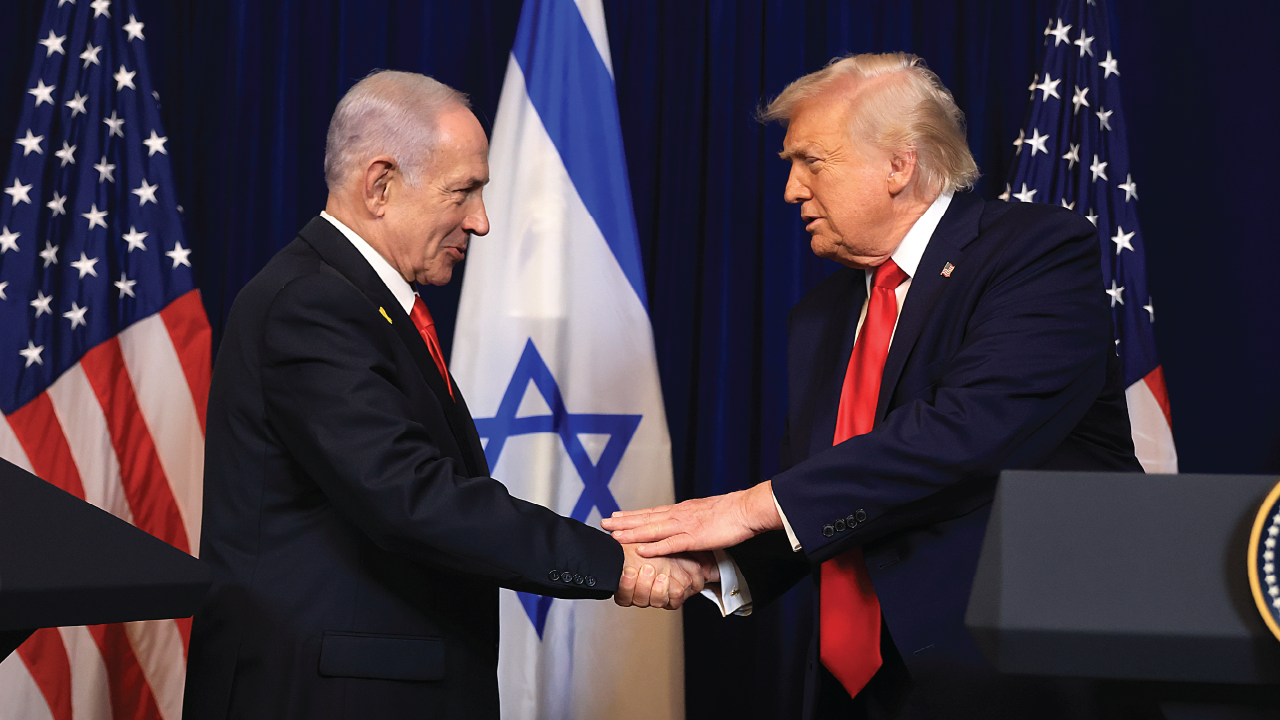
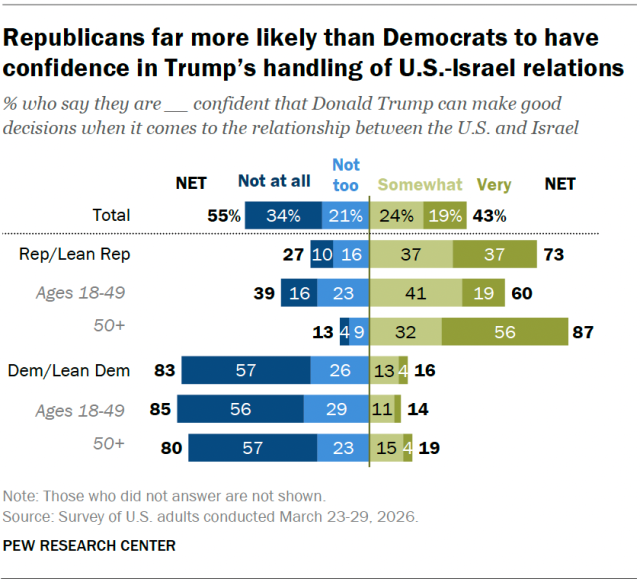
The survey also probed American views on former President Donald Trump’s handling of U.S.-Israel relations. A majority of Americans (55%) lack confidence in Trump’s ability to make sound decisions in this area, a sentiment that has remained relatively stable since August 2025. However, compared to his perceived effectiveness on other foreign policy issues, such as U.S. policy toward Iran, Americans express slightly more confidence in his approach to the U.S.-Israel relationship.
The partisan divide on this issue is extreme. An overwhelming 73% of Republicans express confidence in Trump’s handling of U.S.-Israel relations, while only 16% of Democrats share this view. This indicates that Trump’s foreign policy platform, particularly concerning the Middle East, continues to resonate strongly with his base. However, even within the Republican party, younger members (under 30) are considerably less confident in Trump’s approach to U.S.-Israel relations compared to older Republicans, suggesting a potential divergence in foreign policy perspectives based on age within the party.
The Personal Importance of the Israel-Hamas Conflict
Despite the overarching focus on the Iran War, the Israel-Hamas conflict continues to hold personal significance for a majority of Americans, with 53% describing it as either very or somewhat important to them. This level of personal engagement is largely unchanged from the previous year.
When comparing the personal importance of different conflicts, the U.S. military action against Iran is perceived as more personally significant by Americans (77%) than the Israel-Hamas conflict (53%). This difference is particularly pronounced when considering those who deem the issues "very important," with 48% for the Iran War versus 22% for the Israel-Hamas conflict.
Partisanship plays a role in the perceived importance of the Israel-Hamas conflict, with Republicans and Democrats expressing similar levels of personal engagement. However, within the Republican party, older individuals (50 and above) are significantly more likely to consider the conflict personally important than younger Republicans.
Religious demographics again show distinct patterns. Jewish Americans (91%) and Muslim Americans (70%) express high levels of personal importance regarding the Israel-Hamas conflict. White evangelical Protestants also show a considerable level of engagement (65%). Interestingly, while White evangelical Protestants consider both the Israel-Hamas conflict and the Iran War personally important, they are more likely to see the latter as crucial.
Broader Implications and Future Trends
The Pew Research Center’s findings paint a complex and evolving picture of American public opinion on one of the most sensitive foreign policy issues. The declining favorability of Israel and confidence in its leadership suggest a potential recalibration of the U.S.-Israel relationship in the eyes of the American public. The deepening partisan and generational divides indicate that future policy decisions will likely face increased scrutiny and division.
The ongoing conflict in Iran undoubtedly adds another layer of complexity to these perceptions. As the U.S. remains engaged in military operations in the region, public opinion on all related conflicts and alliances will likely continue to be fluid. The data suggests that the younger generation, in particular, is forming views that diverge from established norms, potentially signaling a long-term shift in how Americans perceive foreign policy priorities and international alliances. The sustained focus on these issues by organizations like the Pew Research Center will be crucial for understanding these evolving dynamics.
Survey Methodology:
The Pew Research Center conducted this analysis by surveying 3,507 U.S. adults from March 23 to March 29, 2026. Participants were members of the Center’s American Trends Panel. The survey included an oversample of Muslim, Jewish, and non-Hispanic Asian adults to ensure statistically reliable estimates for these smaller demographic subgroups. These oversampled groups were weighted to reflect their accurate proportions within the overall U.S. adult population. The survey is designed to represent the views of the full U.S. adult population. The survey questions, detailed responses, and full methodology are available on the Pew Research Center website.