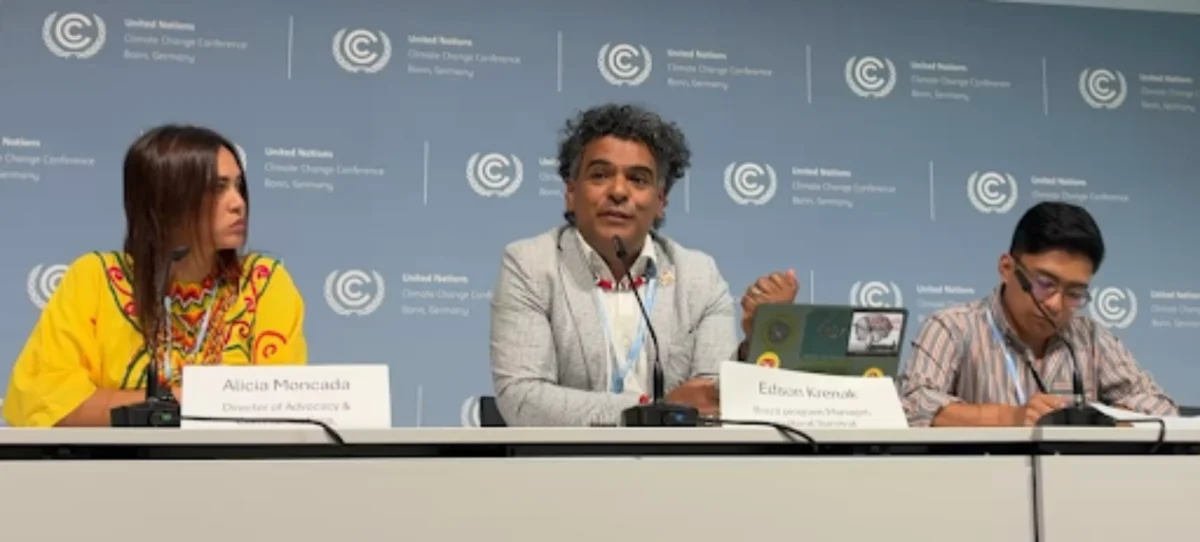
Bonn, Germany – June 9, 2026 – As delegates convened for the 64th session of the UNFCCC Subsidiary Bodies (SB 64) in Bonn, Germany, a critical call echoed from the conference halls: the imperative to transform the principles of a just transition into tangible, legally binding action. Cultural Survival, in collaboration with the Securing Indigenous Peoples’ Rights in the Green Economy (SIRGE) Coalition, held a press conference to highlight the urgent need for the operationalization of Paragraph 12(i) of the UAE Just Transition Work Programme. This pivotal clause commits parties to "ensuring that all Just Transition pathways respect and promote the internationally recognized collective and individual right of Indigenous Peoples, including the rights to self-determination." Speakers warned that without robust implementation, this commitment risks becoming mere rhetoric, particularly as the global demand for strategic minerals accelerates extraction on Indigenous territories.
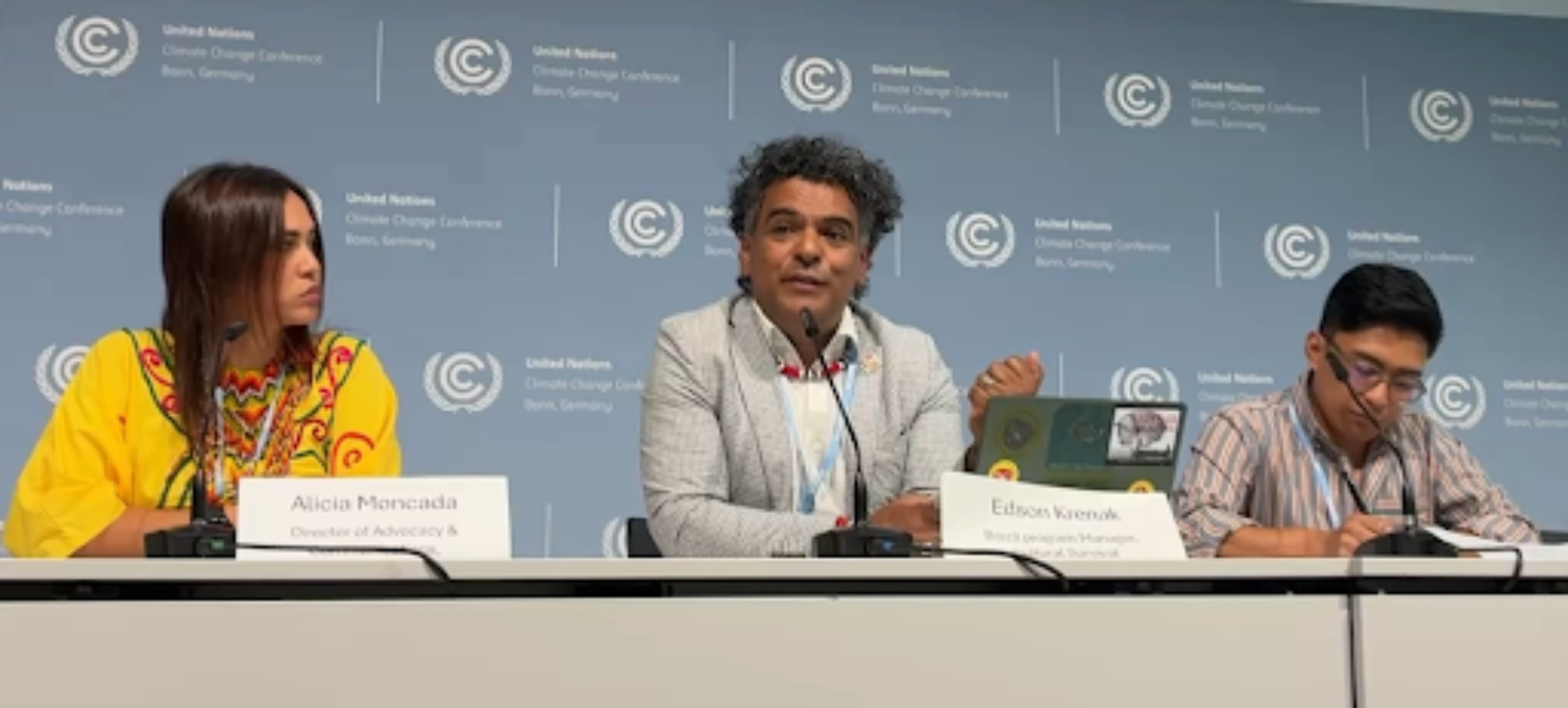
The press conference, titled "Making the Transition Mechanism Work: Indigenous Rights and Paragraph 12(i). The Brazil Case," served as a stark illustration of the real-world consequences when these rights are not prioritized. The event featured prominent voices from Indigenous communities and advocacy groups: Alicia Moncada, Wayuu and Director of Advocacy and Communications at Cultural Survival; Edson Krenak, Krenak and Cultural Survival’s Brazil Program Manager; and Bryan Bixcul, Maya Tz’utujil and Global Coordinator of the SIRGE Coalition. Their testimonies grounded the complex legal and policy discussions in the lived experiences of communities on the frontlines of resource extraction.
A "Lithium Valley" Imposed, Not Consented To
The speakers meticulously detailed the situation in the Jequitinhonha Valley, located in the northern region of Minas Gerais, Brazil. This area, historically home to Indigenous and Quilombola communities, is now increasingly characterized by large-scale mining operations, particularly for lithium, a key component in electric vehicle batteries. The communities have erected banners proclaiming, "We are the Jequitinhonha Valley, we are not the Lithium Valley," a potent symbol of their resistance against being re-branded and exploited for a global transition they did not consent to.
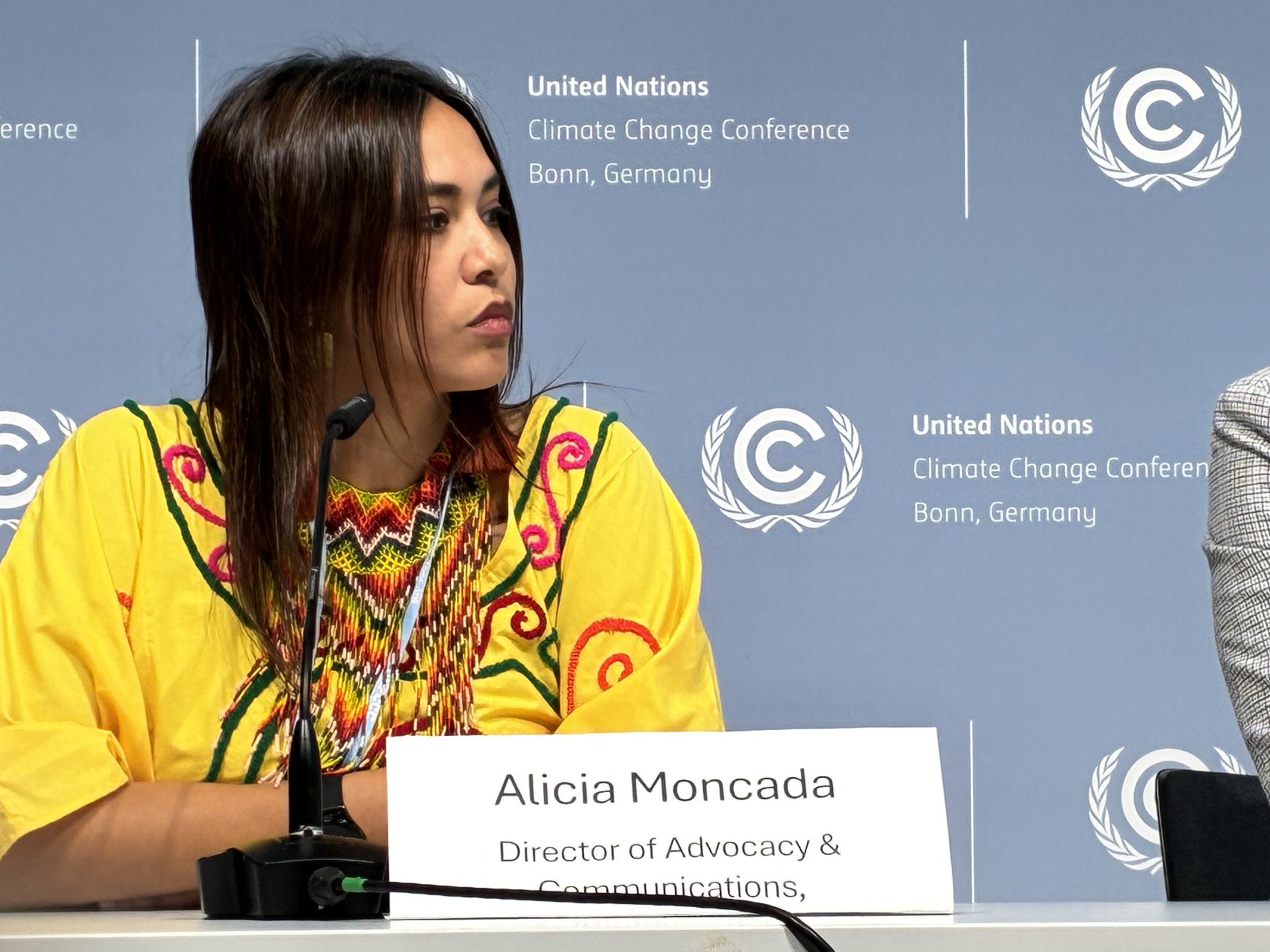
Alicia Moncada articulated the central dilemma facing Indigenous Peoples worldwide: "The question we are asking is simple and uncomfortable. A transition built on the violation of [Indigenous Peoples’] rights, does it deserve to be called ‘green,’ or ‘just,’ at all? Under the banner of climate action, States are reproducing the exact pattern of colonial extraction that created the sacrifice zones of the oil industry." Her statement underscored a growing concern that the rush to decarbonize is inadvertently replicating the exploitative patterns of past industrial eras, particularly impacting those who have historically borne the brunt of environmental degradation.
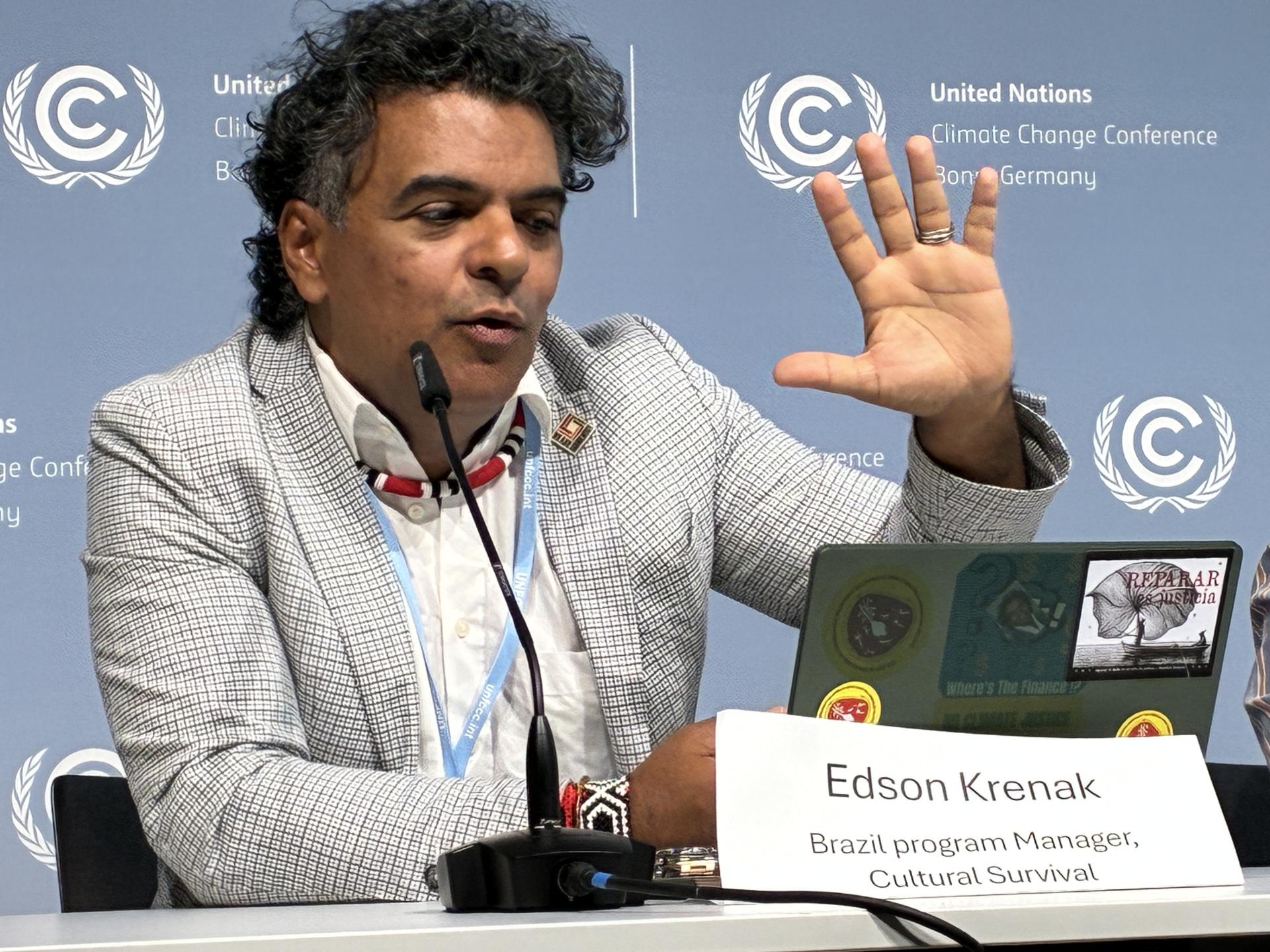
The Jequitinhonha Valley’s plight is not an isolated incident. Edson Krenak elaborated on the widespread nature of these challenges, stating, "The Jequitinhonha case is not unique. From the Cerrado to the Amazon, transition mineral and infrastructure projects are being licensed on our lands without our consent. Demarcation under Article 231 and verified FPIC must come before a license is granted, not after the damage is done." He emphasized the critical importance of Free, Prior, and Informed Consent (FPIC) and the legal recognition of Indigenous territories as fundamental prerequisites for any development project.
Krenak also highlighted the problematic role of financial institutions in perpetuating these injustices. "The BNDES, the national development bank’s Climate Fund, cannot invest in projects that violate Indigenous rights and communities that have no access to climate change mitigation and adaptation money in Brazil," he asserted. The Brazilian Development Bank (BNDES) has reportedly secured funds for projects in sensitive areas like the Cerrado and the Jequitinhonha Valley, raising serious questions about its due diligence and commitment to human rights and environmental safeguards. This financial backing, proponents of the projects argue, is essential for Brazil’s green energy future, but critics point to a lack of transparency and consultation with affected communities.
From Principle to Obligation: Defining Implementation
The core message from the Bonn press conference was that operationalizing Paragraph 12(i) is not about creating new obligations for states, but rather about ensuring existing commitments are translated into enforceable domestic policies and practices. This distinction is crucial for moving beyond aspirational language towards concrete protections for Indigenous Peoples.
Alicia Moncada elaborated on this point: "For Brazil and for other States, operationalizing Paragraph 12(i) does not mean creating a new obligation; it means converting this recognized principle into binding domestic rules, financing conditions, and licensing procedures. The work that remains is implementation." This call for "implementation" encompasses a broad spectrum of actions, including legislative reforms, the establishment of clear grievance mechanisms, and the integration of Indigenous rights into environmental impact assessments and project approval processes.
Bryan Bixcul further illuminated the path forward by referencing a recent position paper from the International Indigenous Peoples Forum on Climate Change (IIPFCC). This paper outlines a comprehensive framework for operationalizing Paragraph 12(i) within the broader Just Transition Mechanism. The IIPFCC’s approach is rooted in the recognition that Indigenous Peoples, who steward approximately a quarter of the world’s terrestrial surface, are not merely stakeholders but indispensable partners in achieving an equitable and sustainable transition.
The IIPFCC’s recommendations provide a detailed roadmap for states and international bodies:
- Formal, Meaningful, and Effective Participation: Ensuring Indigenous Peoples can participate in decision-making processes that affect them, through their own representative bodies and according to their own procedures. This goes beyond token consultation to genuine co-governance where appropriate.
- Operationalization Across All Functions of the Mechanism: Integrating Paragraph 12(i) into every aspect of the Just Transition Mechanism, from guidance and technical assistance on FPIC to knowledge-sharing and specific attention to the rights of Indigenous Peoples in Voluntary Isolation and Initial Contact.
- Risk Identification and Mitigation: Proactively identifying and addressing the potential risks associated with various transition pathways, including but not limited to transition mineral extraction, renewable energy infrastructure development, carbon market mechanisms, and bioenergy projects.
- Recognition and Support for Indigenous Knowledge Systems: Valuing and supporting Indigenous knowledge systems and Indigenous-led initiatives, recognizing their vital role in climate solutions and sustainable resource management.
- Dedicated Work Programme Activity: Establishing a recurring activity within the UNFCCC’s work programme specifically dedicated to Paragraph 12(i), ensuring sustained focus and accountability.
The urgency of these recommendations is underscored by the accelerating pace of global energy transitions. Projections indicate a significant increase in demand for minerals like lithium, cobalt, nickel, and copper in the coming decades, primarily driven by the expansion of electric vehicles and renewable energy technologies. For instance, the International Energy Agency (IEA) has projected that by 2040, demand for critical minerals could increase by a factor of six. This surge in demand inevitably places increased pressure on resource-rich regions, many of which are home to Indigenous territories. Without robust safeguards, this mineral boom threatens to exacerbate existing environmental and social injustices.
A Call for Accountability and True Justice
The discussions in Bonn also touched upon the broader implications of failing to uphold Indigenous rights in the context of climate action. The narrative of a "green transition" that displaces or further marginalizes Indigenous communities is fundamentally contradictory to the goals of environmental sustainability and social equity.
Edson Krenak concluded with a powerful plea to the international community and national governments: "The Just Transition must be accountable to the territories it affects, to the Indigenous and Quilombola communities that protect rivers, forests, and biodiversity." This statement encapsulates the core argument: a transition that does not respect the rights and sovereignty of the stewards of biodiversity cannot be considered just, nor can it be truly sustainable.
The events at SB 64 in Bonn serve as a critical juncture. They highlight the gap between policy commitments and practical implementation, emphasizing that the success of global climate efforts hinges on the genuine inclusion and empowerment of Indigenous Peoples. The Brazilian case, while specific, resonates globally, as Indigenous communities across continents face similar challenges from renewable energy projects, carbon sequestration initiatives, and the extraction of minerals deemed essential for a low-carbon future.
The commitment to a "just transition" must therefore move beyond rhetoric and become a lived reality, embedded in the legal frameworks, financial mechanisms, and decision-making processes that shape our collective response to the climate crisis. The call for operationalizing Paragraph 12(i) is not just a demand for rights; it is a fundamental requirement for an effective, equitable, and truly sustainable climate future.
About Cultural Survival
Cultural Survival is an Indigenous-led human rights organization dedicated to advocating for the rights of Indigenous Peoples and supporting their self-determination, cultural preservation, and political resilience. Through its extensive network and programs, it works to amplify Indigenous voices on global platforms and empower communities to protect their lands, cultures, and livelihoods. More information can be found at culturalsurvival.org.
About the SIRGE Coalition
The Securing Indigenous Peoples’ Rights in the Green Economy (SIRGE) Coalition is a collective of Indigenous organizations and allies committed to ensuring that the global transition to a green economy upholds and strengthens the rights of Indigenous Peoples. The coalition actively works to promote the right to Free, Prior, and Informed Consent (FPIC) and advocates for Indigenous Peoples’ full and effective participation in all decisions affecting their territories and well-being.