In an era where the interconnectedness of planetary health and human well-being is increasingly undeniable, a significant paradigm shift is underway in how global institutions understand and address the health of Indigenous Peoples. For decades, international bodies have acknowledged the pivotal role of Indigenous communities in conserving biodiversity, safeguarding human health, and building resilience against climate change. However, a persistent chasm has existed between this recognition and the deeply rooted Indigenous frameworks that conceptualize health, the environment, and the intricate web of existence. To bridge this gap, the Indigenous Determinants of Health (IDH) Framework has emerged as a crucial practical tool, guiding policy, financing, and implementation with an unwavering commitment to cultural safety and the principles enshrined in the UN Declaration on the Rights of Indigenous Peoples.
Genesis of a New Framework: The UN Permanent Forum’s Initiative
The genesis of the IDH Framework can be traced back to the concerted efforts of the UN Permanent Forum on Indigenous Issues (UNPFII). In 2023, the UNPFII unveiled a foundational study, "Indigenous Determinants of Health in the 2030 Agenda for Sustainable Development." This landmark publication dared to redefine health beyond conventional, often reductionist, indicators. It boldly asserted Indigeneity as an overarching determinant of health, meticulously identifying 33 specific risk and protective factors that uniquely impact Indigenous Peoples. This assertion fundamentally challenged the prevailing notion that health is solely a function of access to services. Instead, it posited that the integrity of relationships – among Peoples, their ancestral lands, their governance systems, and their traditional knowledge – forms the bedrock of Indigenous health. Crucially, this study positioned self-determination as the primary determinant of health, thereby shifting the narrative from one of vulnerability to one of inherent rights.
The UNPFII’s subsequent efforts in 2024 further solidified and operationalized this transformative approach. The study "Improving the Health and Wellness of Indigenous Peoples Globally: Operationalization of Indigenous Determinants of Health" expanded upon the 2023 findings, reinforcing the profound connection between Indigenous worldviews and all facets of life, including the health of Mother Earth. This marked a decisive turn towards providing concrete structural and operational guidance. The study was explicitly designed to equip UN entities, member states, and other global institutions with the necessary tools to integrate Indigenous determinants of health into policy and practice. It outlined the sweeping institutional transformations required, emphasizing the recognition of Indigenous Peoples as rights-holders, the embedding of Free, Prior, and Informed Consent (FPIC) in decision-making processes, ensuring meaningful representation in governance, and the development of organizational policies and procedures that actively support Indigenous-led approaches.
The evolution continued into 2025 with the release of "Evaluating Institutional Structures to Improve the Health and Wellness of Indigenous Peoples Globally: The Indigenous Determinants of Health Measurement Instrument." This study introduced a vital evaluation tool designed to assess how effectively institutions are addressing Indigenous health risks and protective factors. More importantly, it scrutinizes whether these institutions are genuinely equipped to uphold Indigenous rights in their practical operations. This instrument expands the scope of evaluation to encompass critical areas such as Indigenous governance, environmental stewardship, and community well-being, offering a comprehensive scorecard to promote culturally safe, rights-based approaches and foster institutional accountability.
A Chronology of Recognition and Integration
The UNPFII’s advocacy for the IDH Framework has unfolded with a clear, progressive timeline, garnering significant endorsements and integration into global agendas:
- 2023: The UN Permanent Forum on Indigenous Issues unveils its initial study, "Indigenous Determinants of Health in the 2030 Agenda for Sustainable Development," establishing Indigeneity as an umbrella determinant of health and emphasizing self-determination.
- 2023-2025: The UNPFII issues targeted recommendations to member states and UN agencies, urging the adoption of Indigeneity as a health determinant, the IDH Framework, and its evaluation instrument. These recommendations aim to advance Indigenous rights, promote peace, and support Indigenous-led environmental governance and global justice.
- 2024: The UN Convention on Biological Diversity, in its Decision 16/19, officially references the IDH Framework within its Global Plan of Action on Biodiversity and Health. This decision signifies a crucial step in integrating Indigenous health perspectives into biodiversity conservation efforts.
- 2024: The UNPFII releases its second study, "Improving the Health and Wellness of Indigenous Peoples Globally: Operationalization of Indigenous Determinants of Health," providing structural and operational guidance for implementation.
- 2025: The World Health Organization (WHO) releases its "WHO Report on the Social Determinants of Health Equity," officially recognizing Indigeneity and acknowledging the specific determinants of Indigenous Peoples’ health, following a recommendation from the WHO Executive Board in 2023.
- 2025: The UNPFII introduces the IDH Evaluation Instrument through its study, "Evaluating Institutional Structures to Improve the Health and Wellness of Indigenous Peoples Globally: The Indigenous Determinants of Health Measurement Instrument," to assess institutional performance and accountability.
- 2026 (Projected): The forthcoming study, "Restoring Indigenous Health by Connecting Systems Through the Indigenous Determinants of Health: Local to Global Evidence," is poised to demonstrate the systemic role of Indigenous health and its integration across various sectors.
Data and Supporting Evidence: The Case of Indigenous Midwifery
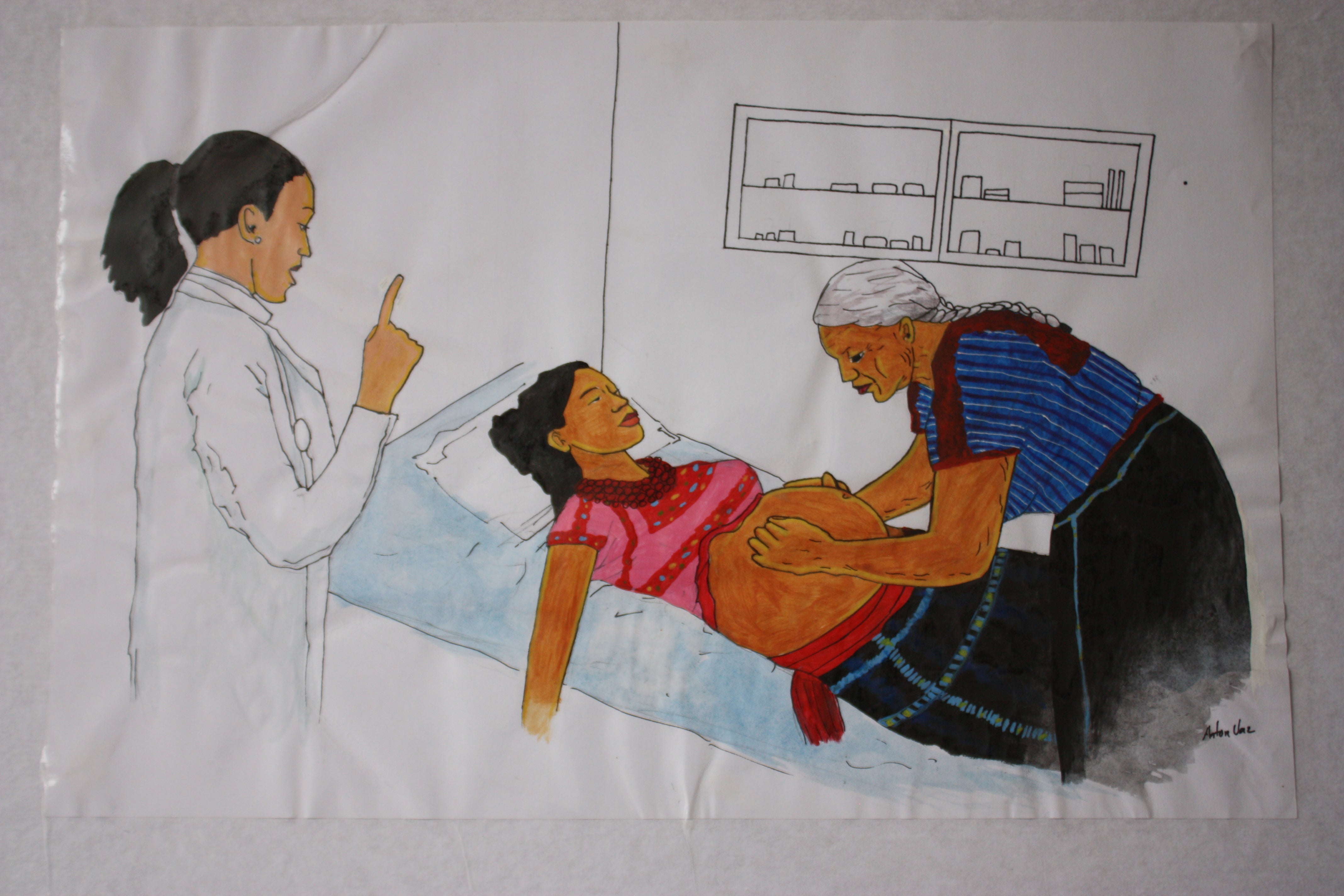
The transformative power of the IDH Framework is vividly illustrated through the lens of Indigenous midwifery. This practice, often viewed narrowly as a clinical event, is in reality a sophisticated health system deeply rooted in the intricate relationships between people, land, knowledge, and spirituality. Indigenous midwives serve as vital knowledge holders, caregivers, and community leaders, guiding not only the birthing process but also the holistic integration of new life into cultural, territorial, and spiritual ecosystems. This reflects a core tenet of the IDH Framework: that health is inherently relational, intergenerational, and intrinsically grounded in Indigenous governance and knowledge systems.
The profound connection between Indigenous midwifery practices and territory cannot be overstated. Births are supported through culturally specific practices that draw upon local ecosystems, utilizing medicinal plants, traditional foods, and environmental conditions uniquely suited to each region. This exemplifies the inseparable link between human health and the vitality of their land, biodiversity, and knowledge systems.
However, Indigenous midwives, like Indigenous Peoples more broadly, face significant systemic barriers. These challenges stem from a pervasive lack of recognition for Indigenous governance, knowledge systems, and fundamental rights. Ancestral knowledge is frequently subordinated and devalued by policies that relegate these practices to an auxiliary role within biomedical systems, thereby denying their autonomous and holistic character. Processes of professionalization and certification, often framed under the guise of ensuring safety or promoting "inter-culturality," can inadvertently lead to the regulation and reshaping of Indigenous midwifery to conform to external, often Western, standards. In some instances, these vital practices have even faced criminalization.
Despite these formidable obstacles, Indigenous midwifery has demonstrated remarkable resilience. During public health crises and in remote regions with limited access to biomedical services, Indigenous midwives have consistently served as primary providers of care, sustaining community health through culturally grounded practices. Their work underscores a critical insight: Indigenous health systems are not peripheral or secondary, but are fully functioning, sophisticated systems of care that extend far beyond clinical settings.
The IDH Framework serves as an indispensable tool for making these realities visible. It unequivocally asserts that strengthening Indigenous health necessitates more than simply improving access to services. It demands the recognition, protection, and active support of Indigenous systems of care, including midwifery, as autonomous, rights-based systems that are fundamental to the well-being of communities. The framework affirms that the protection of Indigenous Knowledge, Indigenous governance structures, and the profound relationships Indigenous Peoples have with their lands are not merely cultural niceties, but are essential prerequisites for sustaining health across generations.
Broader Implications and Future Directions
The impact of the IDH Framework extends far beyond the realm of Indigenous health. Its emphasis on rights, governance, and interconnectedness offers a potent critique of prevailing global systems and calls for fundamental institutional transformation. The framework necessitates that institutions move beyond simply measuring outputs to accounting for the qualitative dimensions of rights, governance, and relationships. This systemic redefinition is crucial for addressing the root causes of health inequities and environmental degradation.
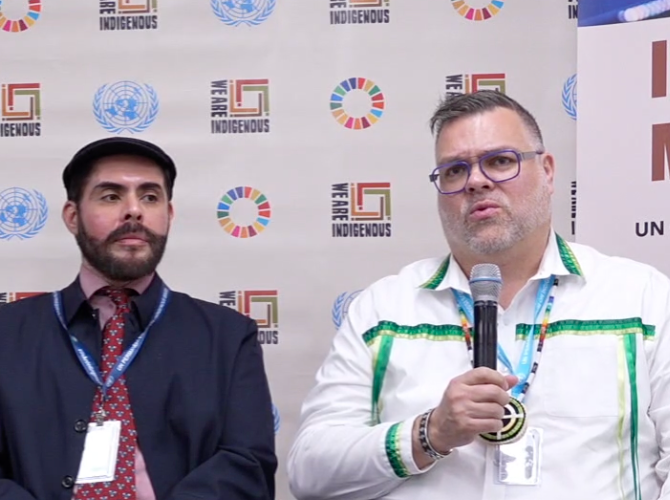
The recognition of Indigeneity as a determinant of health by the WHO, and the integration of the IDH Framework into the UN Convention on Biological Diversity’s Global Plan of Action on Biodiversity and Health, signal a growing consensus within international bodies. These developments suggest a future where Indigenous perspectives are not merely consulted but are integral to the design and implementation of global policies and programs.
The implications for policy are profound. Member states and UN agencies are increasingly called upon to embed FPIC, ensure meaningful Indigenous participation in decision-making bodies, and develop policies that actively dismantle systemic racism and the ongoing impacts of colonization. The IDH Framework provides a robust evidence base and a clear roadmap for these institutional reforms.
The 2026 study, "Restoring Indigenous Health by Connecting Systems Through the Indigenous Determinants of Health: Local to Global Evidence," is anticipated to further underscore Indigenous health as a critical systems integrator. It will likely demonstrate how decisions related to land, environment, governance, culture, and knowledge systems directly shape Indigenous well-being, positioning Indigenous health as a diagnostic indicator of the integrity of policies across all sectors.
In essence, the IDH Framework represents a paradigm shift that moves away from siloed approaches to health and environmental management. It champions a holistic, rights-based, and culturally grounded approach that acknowledges the inherent wisdom and resilience of Indigenous Peoples, offering a pathway towards a more just, equitable, and sustainable future for all. The ongoing work of organizations like the Indigenous Determinants of Health Alliance, in collaboration with Indigenous communities and international bodies, is instrumental in translating this vision into tangible action and ensuring that the voices and knowledge of Indigenous Peoples are at the forefront of global efforts to protect both human and planetary health.
Key Aspects of the WHO-Recognized Indigenous Determinants of Health
- Core Pillars: Indigeneity as an overarching determinant of health; profound connection to traditional lands, territories, and resources; continuity of culture; revitalization of Indigenous languages; and the fundamental right to self-determination.
- Structural Factors: Acknowledgment of the enduring impacts of colonization and systemic racism, necessitating Indigenous-led governance within health systems.
- Holistic Wellness: Recognition of the interconnected balance of spiritual, environmental, physical, and mental dimensions, often viewed as a collective right rather than an individual one.
- Environmental Connection: The vital relationship with Mother Earth and the essential role of Indigenous Peoples as stewards of biodiversity.
- Key Drivers: Emphasis on the enduring power of intergenerational wisdom, the efficacy of traditional healing practices, and the inherent resilience of Indigenous communities.