The financial stability of Ireland’s older population has reached a critical juncture, as new data reveals a sharp increase in poverty levels and enforced deprivation among citizens aged 65 and over. According to the 2025 Survey on Income and Living Conditions (SILC) released by the Central Statistics Office (CSO), the risk of poverty for older people, particularly those living alone, has escalated significantly over the past twelve months. Age Action, the leading advocacy organization for older people in Ireland, has expressed profound concern regarding these findings, suggesting that the current social protection framework is failing to keep pace with the rising cost of living and the unique economic pressures faced by the elderly.
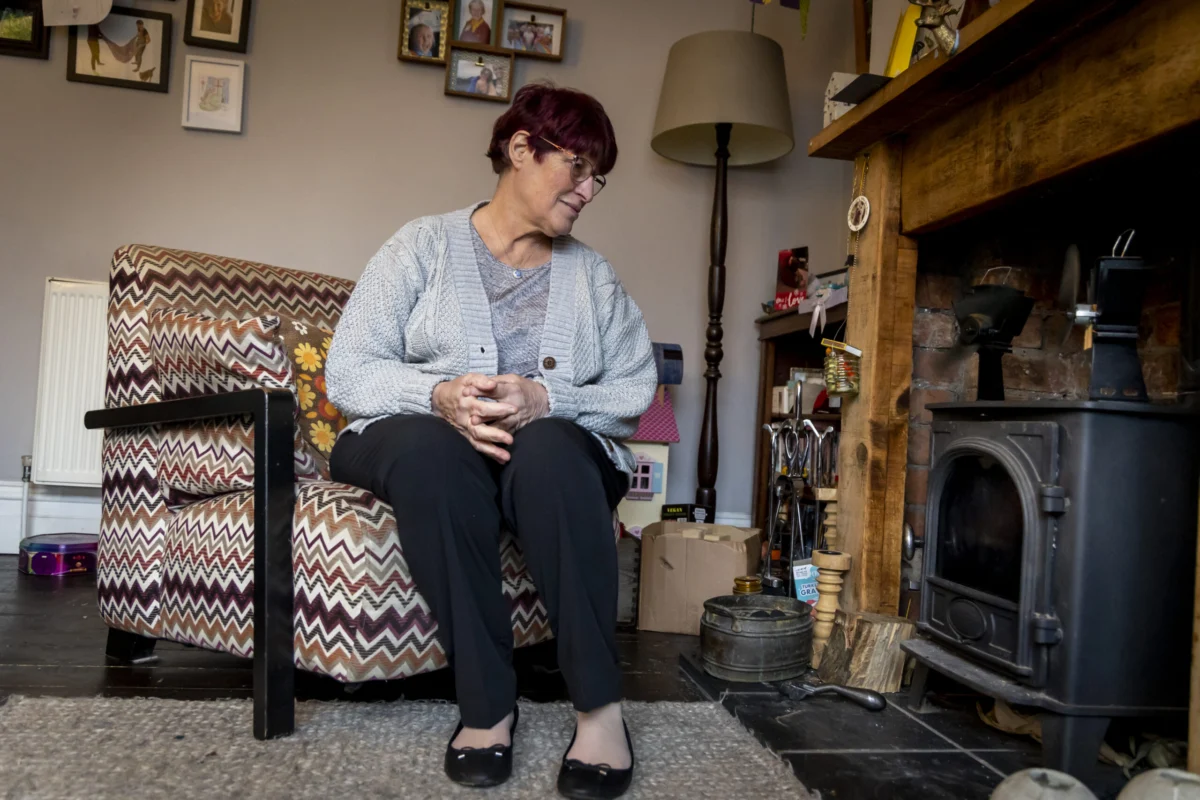
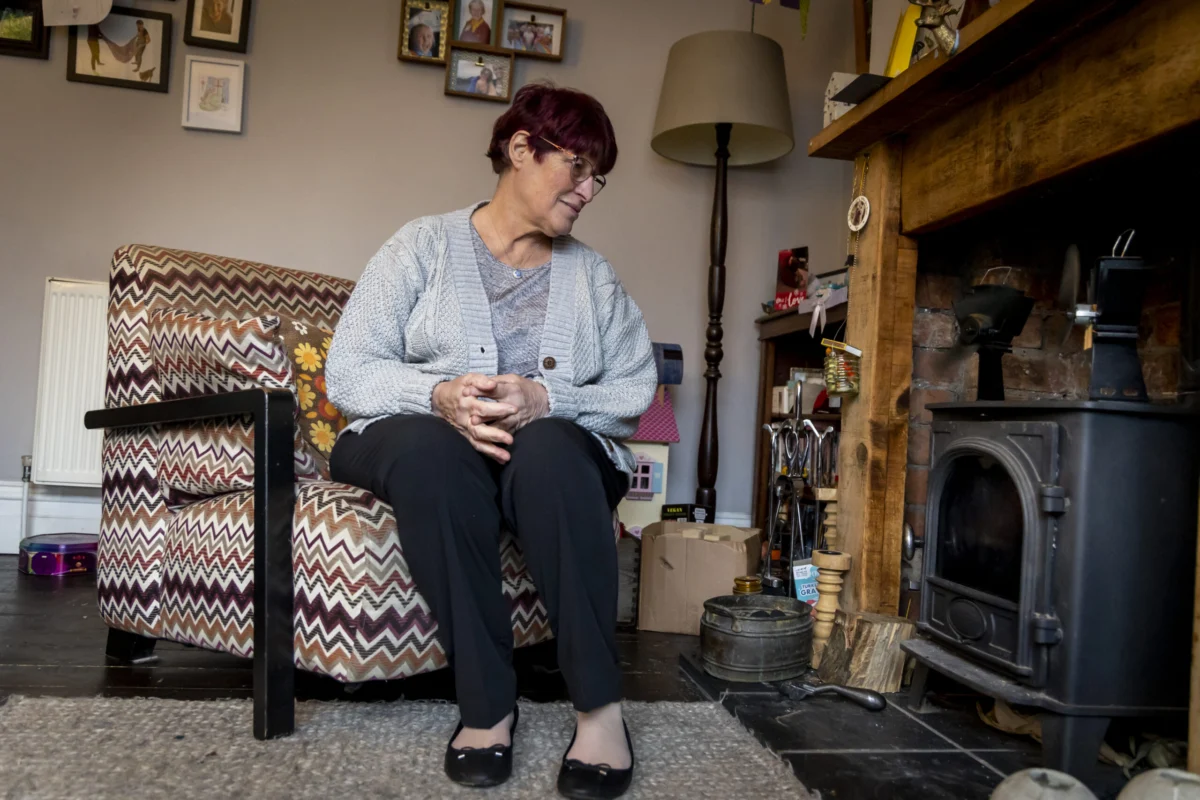
The data paints a stark picture of the socio-economic challenges confronting Ireland’s ageing demographic. The most alarming statistic identifies that older people living alone experienced an income poverty rate of 30.3% in 2025. This represents a substantial increase of 4.4 percentage points from the previous year. To put this into a broader national perspective, the poverty rate for this specific group is now nearly two and a half times the national average, highlighting a widening gap between the general population and the elderly in terms of economic security.
Understanding the Metrics of Poverty and Deprivation
To comprehend the gravity of the CSO findings, it is essential to distinguish between the various metrics used to measure economic hardship. The report focuses on three primary indicators: income poverty, enforced deprivation, and consistent poverty.
Income poverty, or the "at-risk-of-poverty" rate, refers to individuals whose disposable income falls below 60% of the national median. For older people, who often rely on fixed incomes such as the State Pension, this threshold is a precarious line. The jump to 30.3% for those living alone suggests that a nearly a third of this cohort is surviving on an income that does not meet the basic standard for a dignified life in modern Ireland.
Enforced deprivation is a more visceral measure of poverty. It tracks the percentage of the population unable to afford at least two out of eleven basic necessities, such as heating the home, replacing worn-out furniture, or buying new clothes. The 2025 data shows that almost one in five (18.3%) older people living alone suffered from enforced deprivation. Even among couples where at least one person is aged 65 or older, the rate stood at 9.8%. These figures indicate that for many, the struggle is not just about a lack of savings, but an inability to provide for fundamental daily needs.
The most severe category is consistent poverty, which occurs when an individual experiences both income poverty and enforced deprivation simultaneously. The CSO report found that 9.8% of older people living alone were in consistent poverty in 2025. This cohort represents the most vulnerable segment of Irish society, trapped in a cycle where their income is insufficient to cover the basic costs of living, resulting in a tangible decline in their quality of life and health.
A Chronology of Economic Pressure: 2022 to 2026
The current crisis did not emerge in a vacuum but is the result of a multi-year trajectory of inflationary pressures and policy responses.
In 2022 and 2023, Ireland, like much of the global economy, faced a massive surge in inflation, driven largely by energy costs following geopolitical instability in Europe. For older people, who spend a disproportionate amount of their income on heating and food, these increases were devastating. In response, the Irish government introduced several "Cost of Living" packages in 2024 and early 2025. These were largely comprised of one-off payments, such as fuel allowance bonuses and double pension weeks.
While these measures provided temporary relief—reducing the poverty risk for older people by 5.9 percentage points in 2025—they did not address the underlying inadequacy of the core State Pension rate. As the 2025 SILC data demonstrates, once the immediate effect of these one-off payments dissipated, the underlying vulnerability of the elderly was laid bare.
The announcement of Budget 2026 has been met with significant criticism from advocacy groups. Age Action argues that the government’s failure to transition from temporary "sticking plaster" measures to permanent, indexed increases in social welfare has created a "cliff edge" for the elderly. Without structural changes to the pension system that reflect the actual cost of living in 2026, the risk of poverty is projected to climb even higher in the coming year.
The Cost of Living Alone: A Growing Divide
The disparity between older people living in multi-person households and those living alone is one of the most significant takeaways from the CSO report. The "living alone" penalty is a well-documented economic phenomenon, but its effects have intensified.
Older people living alone do not benefit from the economies of scale that couples or families enjoy. The cost of heating a home, maintaining a property, and paying for standing charges on utility bills remains the same regardless of whether one or two people reside in the dwelling. Furthermore, the Living Alone Allowance, currently provided by the Department of Social Protection, has been criticized by Age Action and other NGOs as being insufficient to bridge the gap created by these fixed costs.

The data reveals that while couples over 65 also face challenges, their deprivation rate (9.8%) is significantly lower than those living alone (18.3%). This suggests that the loss of a partner often acts as a catalyst for a rapid descent into financial hardship, as the surviving spouse must manage household expenses on a single pension while often dealing with the added costs of age-related care or declining mobility.
Official Reactions and Advocacy Perspectives
Camille Loftus, Head of Advocacy and Public Affairs at Age Action, has been vocal in her critique of the government’s fiscal strategy. In a statement following the release of the CSO figures, Loftus emphasized the precariousness of relying on temporary measures to solve systemic poverty.
"While one-off cost of living measures have reduced the poverty risk for older people in recent years—by 5.9 percentage points in 2025—the failure to replace these supports with permanent and targeted measures in Budget 2026 means that older people will face a growing risk of living in poverty in 2026," Loftus stated.
The advocacy group is calling for a fundamental shift in how the State Pension is calculated. Age Action and its partners have long campaigned for the benchmarking of the State Pension to 34% of average weekly earnings. They argue that this would provide a predictable and fair income that reflects the standard of living of the rest of society, rather than leaving the elderly at the mercy of annual budgetary negotiations and political whims.
From a governmental perspective, the Department of Social Protection has pointed to the record levels of investment in social welfare packages over the last three budget cycles. Officials often cite the "totality of support," including the expansion of the Fuel Allowance and the introduction of free transit and medical cards, as evidence of a robust safety net. However, the CSO’s objective data suggests that despite these investments, the net result for many older citizens is a decline in real-term purchasing power.
Broader Implications and Socio-Economic Impact
The rise in elderly poverty has implications that extend far beyond the individual’s bank account. There is a direct correlation between poverty and poor health outcomes. Older people living in "fuel poverty"—unable to adequately heat their homes—are at a significantly higher risk of respiratory illnesses, cardiovascular issues, and excess winter mortality.
Furthermore, the psychological impact of enforced deprivation cannot be overlooked. The inability to participate in social activities, afford a "treat" once a month, or maintain a home leads to increased social isolation and loneliness. In a society with an ageing demographic, the cost of treating the physical and mental health consequences of poverty often far exceeds the cost of providing an adequate pension in the first place.
The housing crisis in Ireland also adds a new layer of complexity to elderly poverty. While many older people own their homes outright, an increasing number of individuals are reaching retirement age while still living in the private rental sector. For these individuals, the State Pension is entirely insufficient to cover market rents, leading to an immediate risk of homelessness or extreme consistent poverty. The CSO data highlights that the "at-risk-of-poverty" rate is significantly higher for those who do not own their own homes, a trend that is expected to worsen as the "generation rent" ages.
Analysis: The Need for Structural Reform
The 2025 SILC report serves as a definitive indicator that the current model of Irish social protection for the elderly is in need of reform. The reliance on one-off payments has been exposed as a strategy that masks poverty rather than eliminating it. While these payments are welcomed by recipients, they do not provide the long-term security required for financial planning or a stable quality of life.
The 4.4 percentage point increase in poverty for those living alone in just one year is a staggering figure in a developed economy. It suggests that the "social contract" for older people—the idea that a lifetime of work and contribution will be met with a dignified retirement—is under threat.
As Ireland approaches the middle of the decade, the demographic shift toward an older population will continue to put pressure on the exchequer. However, economists and advocates argue that the current surplus in the Irish budget provides a unique window of opportunity to implement the benchmarking of pensions. Failure to do so may result in the 2025 figures becoming a baseline for a new, permanent era of high elderly poverty, rather than a temporary spike.
In conclusion, the findings from the Central Statistics Office present a challenge to policymakers. The data confirms that for nearly one-third of older people living alone in Ireland, the "Golden Years" are characterized by financial anxiety and the lack of basic necessities. As Age Action continues to lobby for the inclusion of permanent, targeted measures in future fiscal plans, the 2025 report remains a sobering reminder of the work that remains to be done to ensure economic justice for Ireland’s older citizens.