May 29, 2026
By Lindsay Kagalis, Social Media Manager
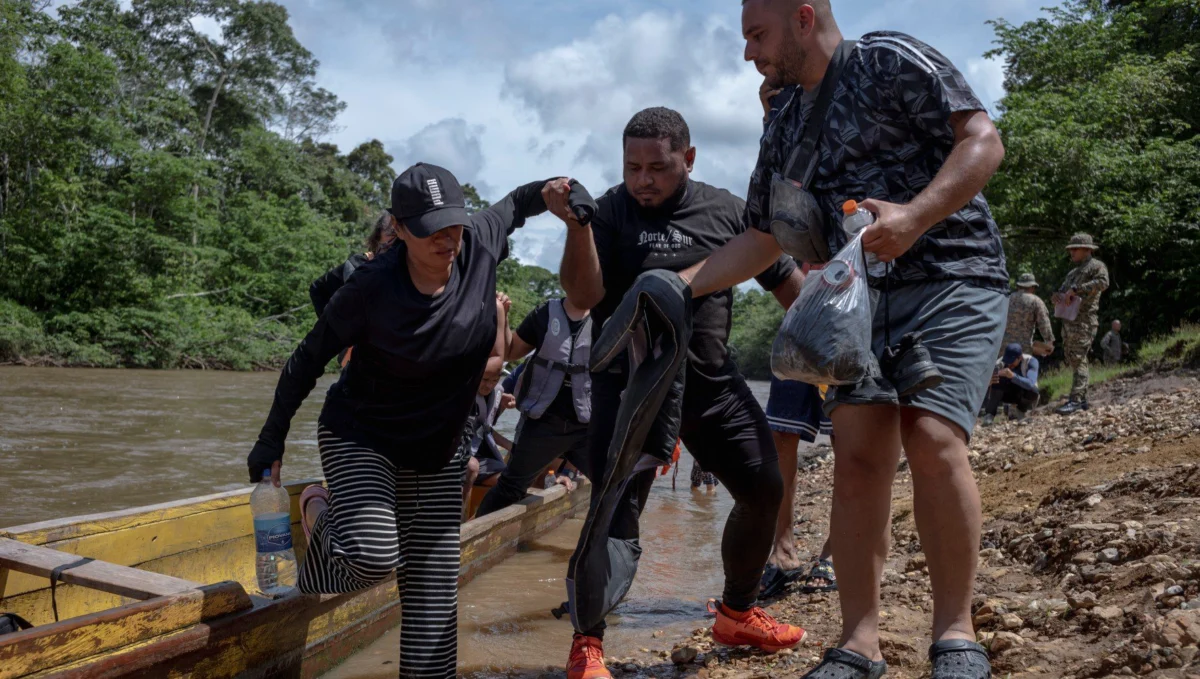
The treacherous Darien Gap, a dense jungle straddling the border of Panama and Colombia, has long been a perilous passage for those seeking refuge and a better life in the United States. However, a significant and concerning shift is underway. Thousands of individuals who embarked on this arduous journey, fueled by hopes of safety and opportunity, are now finding themselves compelled to retrace their steps, embarking on a "reverse migration" southwards. This dramatic turn of events is a direct consequence of evolving U.S. immigration policies, the tightening of the U.S.-Mexico border to asylum seekers, and a stark reduction in accessible legal pathways for entry.
Between February and August of 2025, an estimated 14,000 individuals, primarily from Venezuela, were forced to abandon their northbound aspirations and return through the Darien Gap. This figure represents a stark indictment of the increasingly restrictive U.S. immigration landscape. The closure of the U.S.-Mexico border to asylum seekers, coupled with the dismantling of previous asylum agreements, has effectively created a bottleneck, leaving many with no viable recourse but to retreat. This is not a voluntary decision for most; rather, it is a forced redirection driven by policies that have made seeking asylum or other forms of legal entry in the United States nearly insurmountable.
The ramifications of this reverse migration are profound, impacting individuals, communities, and humanitarian organizations alike. The dangers inherent in traversing the Darien Gap remain as severe as ever. Migrants face a constant barrage of threats, including extreme violence, extortion by criminal organizations, forced labor, severe medical emergencies due to the unforgiving terrain and lack of resources, and the constant risk of drowning in treacherous river crossings. These perilous conditions are compounded by the psychological toll of dashed hopes and prolonged uncertainty.
Amidst the broader narrative of migration through the region, a specific demographic often remains overlooked: men traveling alone. These solo male travelers constitute approximately half of the individuals navigating these routes. Their journeys are frequently marked by heightened risks and profound isolation. Unlike families who may find solidarity in shared responsibility, single men often bear the brunt of dangers without the buffer of familial support. Their stories, though less frequently highlighted, are integral to understanding the full scope of the human crisis unfolding along these migratory corridors.
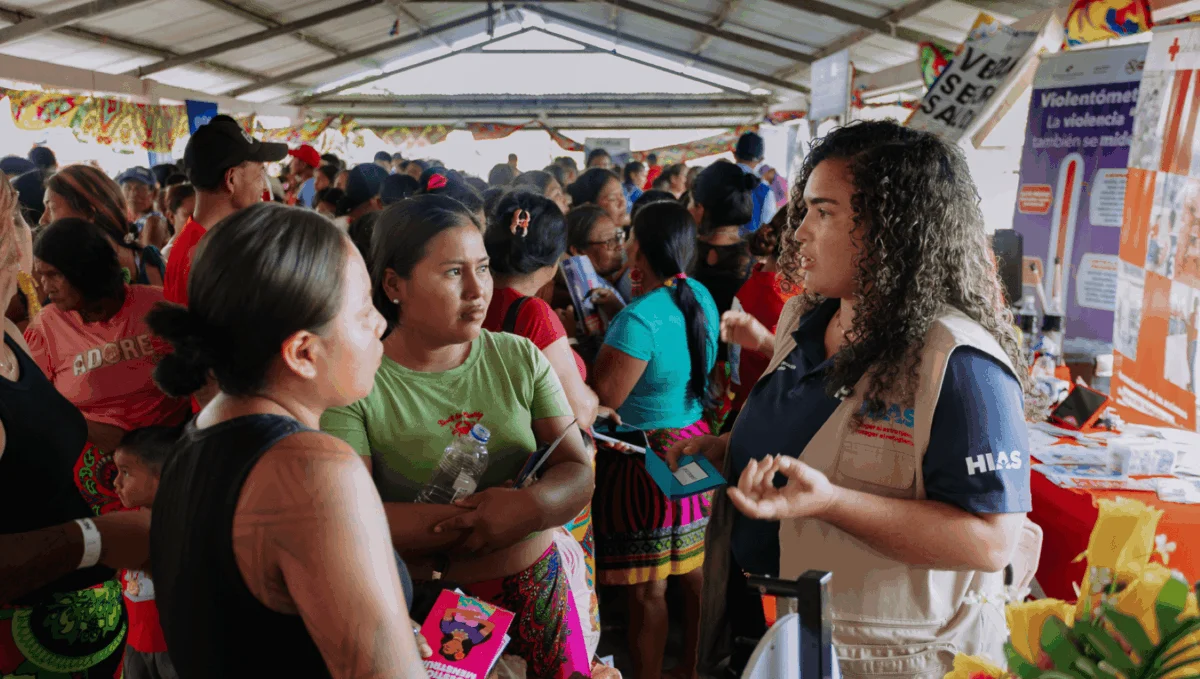
HIAS, an international non-sectarian organization dedicated to serving refugees, is on the front lines in Panama, providing critical assistance to those caught in this complex web of reverse migration. The organization’s presence in key transit areas allows them to offer a lifeline to vulnerable individuals facing overwhelming odds.
The Perilous Journey and Unexpected Turns
Salem, a man whose journey began nearly six years ago, exemplifies the protracted and often circuitous nature of modern migration. After reaching Mexico and finding himself in a state of prolonged uncertainty at the end of 2025, he made the difficult decision to turn back and travel south again, aiming for his home country. For the majority of his extensive travels, Salem navigated the challenges alone. "Ever since I left, I’ve never asked anyone for help; I’ve always done what I could to make it on my own," he shared, reflecting a deep-seated sense of self-reliance forged through years of adversity.
However, Salem’s solitary path took an unexpected turn when he met his now-wife. Together, they continued their journey southward, heading towards Colombia, where relatives had offered support in preparing for the imminent arrival of their child. Their progress was tragically interrupted when, upon reaching Panama, Salem’s wife began experiencing severe pregnancy-related complications. The need for immediate medical attention was critical.
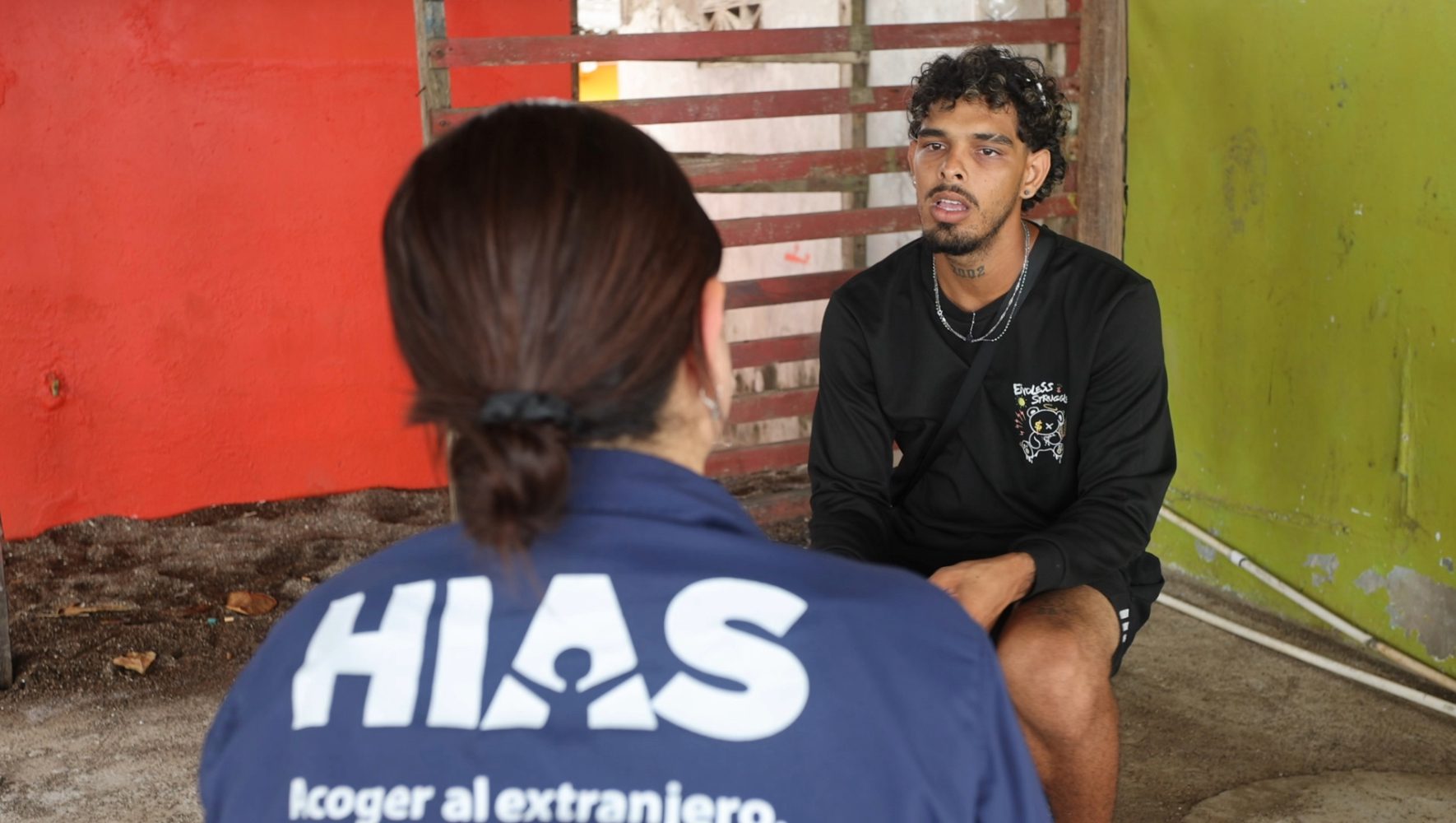
In Miramar, Panama, their desperate situation brought them into contact with HIAS Panama staff. The organization’s swift intervention proved to be a turning point. HIAS personnel were instrumental in arranging an ambulance for Salem’s wife, providing essential baby supplies and hygiene kits, and securing a place for Salem to rest while his wife received the necessary medical care. This intervention highlights the vital role of humanitarian organizations in providing immediate, life-saving support in crisis situations.
The cuts to humanitarian assistance implemented by the U.S. government in early 2025 have had a devastating impact, creating significant gaps in the support systems for displaced populations worldwide. These reductions have disrupted programs that once offered crucial resources such as food, water, medical care, and educational opportunities, leaving vulnerable individuals with even fewer options. Despite these formidable challenges, the dedicated team at HIAS Panama continues to extend a helping hand along one of the world’s most perilous migration routes. Their presence in critical locations offers protection services, mental health support, emergency aid, and resource sharing to those in dire need.
"Each person has a story – and often, it’s good to have that human connection in order to provide service in the best way possible," remarked Yazcari Murillo, HIAS Panama’s Protection Officer, underscoring the profound importance of empathy and personal connection in delivering effective humanitarian aid to the migrant community in Miramar.
The Overlooked Struggles of Solo Male Travelers
Nerli’s story offers another poignant illustration of the enduring struggles faced by solo male travelers. He has been on the move for a decade, driven by the singular hope of providing a better future for his son, whom he left behind as a toddler. During his current journey south, Nerli found himself among a small group of eight solo travelers, alongside several families. Upon their arrival in Panama, available aid and safe transportation options were severely limited. In a selfless act of solidarity, Nerli and the other solo travelers volunteered to wait, allowing the families to proceed first.
For over five months, Nerli has been residing in Miramar, contributing his labor as a volunteer at a migrant shelter known as Casa Rosada (the Pink House). In exchange for maintaining the cleanliness and organization of the shelter for the benefit of the migrant community, he receives free lodging. However, Nerli views his commitment as far more than a mere exchange of labor. "I’m sort of contributing my own little grain of sand to the migrant community here in Miramar," he stated, his words reflecting a deep sense of purpose and community spirit.
Broader Implications and the Role of Humanitarian Aid
The current wave of reverse migration underscores a significant recalibration of migratory patterns across the Americas. The closure of U.S. borders and the tightening of asylum regulations have not eradicated the forces driving people from their homes – violence, economic instability, and political persecution. Instead, these policies have redirected migratory flows, creating new humanitarian challenges and exacerbating existing ones.
The implications of this trend are far-reaching. It places an immense strain on transit countries like Panama, which are often ill-equipped to handle the influx of returnees and those attempting to navigate the region under new, restrictive policies. Humanitarian organizations are stretched thin, struggling to meet the escalating needs with limited resources. The prolonged displacement and uncertainty take a significant toll on the mental and physical well-being of migrants, many of whom have already endured immense hardship.
The support provided by organizations like HIAS, made possible through partnerships with entities such as the Hilton Foundation, is therefore more critical than ever. Their work in Panama, focusing on protection services, mental health care, emergency assistance, and resource sharing, offers a crucial safety net for individuals caught in this complex and often desperate situation.
As options for reaching safety in the United States become increasingly restricted, and migratory patterns continue to shift, individuals traveling throughout the Americas – whether heading north or south – are confronted with impossible choices. Their journeys are no longer solely about reaching a specific destination, but rather a continuous struggle for safety, stability, and the fundamental human dignity that all deserve. The current scenario highlights the urgent need for comprehensive and humane approaches to migration, addressing the root causes of displacement while ensuring that those seeking refuge are treated with compassion and respect. The persistent efforts of humanitarian organizations on the ground serve as a vital reminder of the resilience of the human spirit and the enduring power of solidarity in the face of adversity.