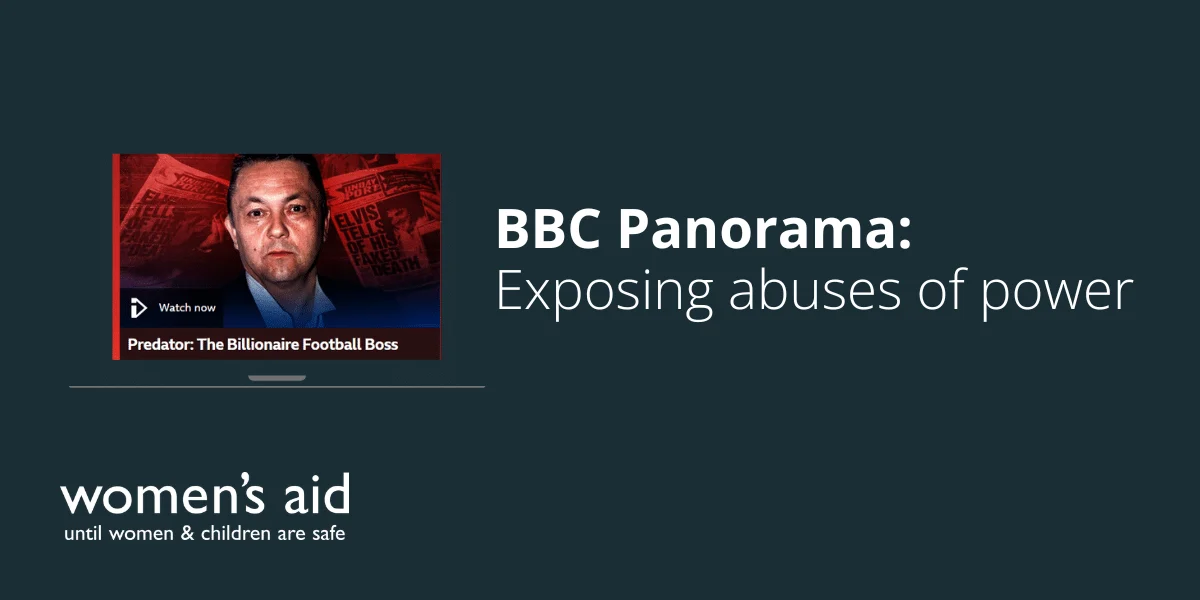
With the FIFA World Cup commencing on Thursday and billions globally directing their attention to the pinnacle of international football, a critical spotlight falls upon the values and ethical standards projected by the sport on its grandest stage. Amidst this global spectacle, a recent BBC Panorama documentary, The Billionaire Football Boss, has ignited significant debate and raised profound questions regarding the exercise of power within the sport, specifically focusing on David Sullivan, co-chairman and director of West Ham United Football Club. The program’s revelations have brought to the fore serious allegations concerning the abuse of power by influential figures and underscored the formidable barriers women frequently encounter when attempting to report instances of abuse, harassment, and exploitation.
The Panorama Investigation and Its Focus
Broadcast on the eve of the World Cup, the BBC Panorama documentary, a flagship investigative journalism program renowned for its rigorous reporting, centered its inquiry on David Sullivan, a prominent figure in English football and a long-standing owner of West Ham United. Sullivan, a businessman with a considerable history in various industries including publishing and adult entertainment before entering football ownership, co-chairs the Premier League club, a role that grants him significant influence and visibility within the sport. The documentary reportedly presented accounts and testimonies from individuals alleging various forms of misconduct and a pervasive culture where power dynamics were allegedly exploited. While the precise details of all allegations remain subject to ongoing scrutiny, the core theme revolved around the misuse of authority and the challenging environment faced by those who might be vulnerable or subordinate to powerful figures. The timing of the broadcast, coinciding with a period of heightened global attention on football, amplified its potential impact, prompting discussions far beyond the immediate confines of West Ham United.
Allegations of Power Abuse and Exploitation
The documentary’s central thrust involved claims that powerful men, such as those in positions of influence within professional football, can operate with a perceived impunity, leading to situations where their authority is allegedly leveraged for personal gain or to suppress dissent. The specific allegations, while generalized in the initial public statement from Women’s Aid, pointed towards instances of sexual misconduct, coercion, and exploitation. These claims resonate with broader societal movements and discussions around workplace ethics and the protection of vulnerable individuals. The program’s narrative aimed to illustrate how a climate of fear, dependency, or a desire to maintain professional standing can create an environment where individuals, particularly women, feel unable to challenge or report inappropriate behaviour. Such environments are often characterized by significant power imbalances, where the accused holds considerable financial, social, or professional sway over the accuser.
The Context of English Football and High-Profile Figures
David Sullivan’s journey into football ownership began in the early 1990s with Birmingham City, before acquiring a significant stake in West Ham United in 2010 alongside David Gold and Karren Brady. Under their stewardship, West Ham transitioned from the Boleyn Ground to the London Stadium and has seen periods of both struggle and relative success in the Premier League. As co-chairman, Sullivan’s role involves strategic decision-making, financial oversight, and representing the club at various levels. The Premier League, as one of the wealthiest and most-watched sports leagues globally, attracts immense media scrutiny and operates under a high public profile. Figures like Sullivan, therefore, are not merely businessmen but also public figures whose conduct is often held to a higher standard, reflecting on the integrity of the sport itself. The documentary’s focus on such a prominent individual within this high-stakes environment naturally draws attention to the broader governance and ethical frameworks prevalent in professional football.
Barriers to Reporting: The Women’s Aid Perspective
A crucial element of the public discourse following the Panorama broadcast has been the immediate response from Women’s Aid, a leading UK charity dedicated to ending domestic abuse. The charity highlighted that the documentary’s revelations starkly mirror the experiences of countless women they support daily. Their statement articulated a pervasive fear among victims of abuse: a reluctance to come forward due to concerns about not being believed, facing blame or retaliation, or the belief that the perpetrator is too powerful to be held accountable.
Statistics from various sources underscore these fears. A 2021 report by the End Violence Against Women Coalition, for instance, indicated that only 15% of sexual assault cases reported to the police in England and Wales resulted in a charge or summons. Furthermore, studies on workplace harassment often reveal that a significant majority of incidents go unreported. For instance, a 2017 survey by the Trades Union Congress (TUC) found that 68% of women who had experienced sexual harassment at work did not report it. These figures illustrate a systemic issue where the mechanisms for reporting and accountability are perceived as inadequate or biased against the victim.
Women’s Aid emphasized that when allegations involving influential men are met with denial, inaction, or a lack of thorough independent investigation, it sends a chilling message: that power trumps truth, and that the risks associated with reporting abuse outweigh any potential for justice. This perception not only discourages future disclosures but also erodes public trust in institutions, including sports organizations, to uphold ethical standards and protect individuals. The charity unequivocally stated that this message must be challenged, advocating for all allegations of abuse, sexual misconduct, coercion, or exploitation to be taken seriously, investigated thoroughly, independently, and fairly.
Chronology of Events Leading to Public Scrutiny
- Pre-2023: General awareness and growing public discourse surrounding power dynamics and misconduct in various industries, fueled by movements like #MeToo.
- Months prior to broadcast: BBC Panorama team conducts its investigation into David Sullivan, gathering testimonies and evidence. The nature of such investigations is typically lengthy and meticulous, involving multiple sources and rigorous fact-checking.
- Early November 2023 (estimated): West Ham United and David Sullivan’s representatives are likely approached by the BBC for comment regarding the forthcoming documentary and its allegations, adhering to journalistic standards of fairness and right of reply.
- Wednesday, November 16, 2023: The Billionaire Football Boss is broadcast on BBC One, coinciding with the eve of the FIFA World Cup opening ceremony.
- Thursday, November 17, 2023: Women’s Aid issues a public statement reacting to the documentary, drawing parallels between the program’s themes and the experiences of women they support, and reiterating calls for serious, independent investigations into all abuse allegations.
- Immediate aftermath: Widespread media coverage, public discussion on social media, and calls from various quarters for accountability and improved safeguarding measures within football.
Responses and Denials
Following the documentary’s broadcast, various parties have either responded directly or are expected to issue statements:
- David Sullivan and West Ham United: While the original text does not provide their direct response, standard journalistic practice dictates that they would have been offered a right of reply by the BBC. Common responses in such high-profile cases include outright denial of the allegations, statements asserting that any complaints are taken seriously and will be investigated appropriately, or a refusal to comment on ongoing matters. It is plausible that Sullivan’s legal representatives would have issued a strong denial, potentially challenging the documentary’s premise or the veracity of the claims. West Ham United, as a club, might emphasize its commitment to safeguarding and a respectful workplace culture, perhaps announcing an internal review or a pledge to cooperate with any official investigations.
- The BBC: The broadcasting corporation would typically stand by the integrity and thoroughness of its journalistic investigation. A BBC spokesperson might reaffirm their commitment to holding powerful individuals and institutions accountable, stating that the documentary underwent rigorous editorial oversight and fact-checking processes.
- Football Governing Bodies: Organizations like the Premier League and The Football Association (FA) are likely to face pressure to comment on the broader implications for the sport. Their statements would typically emphasize their existing safeguarding policies, commitment to diversity and inclusion, and a readiness to act if formal complaints are made or regulatory breaches are identified. They might reiterate the importance of a safe environment for all involved in football, from players to staff.
Wider Implications for Sport and Society
The Panorama documentary and the subsequent reactions extend far beyond the specific allegations against David Sullivan or West Ham United. They touch upon several critical societal and institutional issues:
- Integrity of Football: The global appeal of football means that any significant allegations of misconduct by its leading figures can tarnish the sport’s reputation. At a time when major sporting events like the World Cup are meant to inspire and unite, such controversies highlight underlying ethical challenges that need addressing to maintain public trust.
- Workplace Culture in High-Power Industries: Professional sports, like many high-stakes industries, can foster environments where power is concentrated, and accountability mechanisms may be weaker than required. The documentary serves as a stark reminder of the need for robust HR policies, clear codes of conduct, and independent reporting channels that protect employees and other stakeholders from abuse of authority.
- The #MeToo Movement’s Legacy: The revelations align with the broader #MeToo movement, which has exposed systemic issues of sexual harassment and abuse across various sectors. This documentary underscores that even after years of increased awareness and advocacy, the struggle against power-based misconduct remains ongoing, and high-profile individuals continue to be scrutinized.
- The Role of Investigative Journalism: The BBC Panorama program reaffirms the crucial role of investigative journalism in holding powerful individuals and institutions accountable. By providing a platform for alleged victims and scrutinizing figures of authority, such programs contribute significantly to public discourse and can act as a catalyst for change.
- Mental Health and Support for Victims: The fear of not being believed or facing blame, as articulated by Women’s Aid, highlights the profound psychological impact on victims of abuse. Ensuring access to independent support services, legal aid, and mental health resources is vital for those who come forward.
Calls for Independent Scrutiny and Future Safeguarding
The overarching message emanating from this situation is the critical need for independent scrutiny. When allegations surface against individuals deeply entrenched within an organization, internal investigations, while necessary, can sometimes be perceived as lacking impartiality. The call for "independent and fair" investigations, as voiced by Women’s Aid, points towards a need for external bodies, legal experts, or regulatory authorities to oversee or conduct inquiries into such serious claims.
Moving forward, the football community, from club owners and executives to governing bodies and fan groups, faces an imperative to review and strengthen safeguarding policies. This includes:
- Enhancing reporting mechanisms: Ensuring anonymous and confidential channels for reporting abuse, with clear pathways for escalation and investigation.
- Mandatory training: Implementing comprehensive training programs on respectful workplace conduct, consent, and power dynamics for all staff, particularly those in leadership positions.
- Independent oversight: Establishing independent committees or ombudsmen to review serious allegations, ensuring impartiality and victim-centered approaches.
- Transparent accountability: Publicly communicating the outcomes of investigations (while respecting privacy) to demonstrate a commitment to justice and deter future misconduct.
The BBC Panorama documentary The Billionaire Football Boss serves as a powerful reminder that while the world celebrates the spectacle of football, the integrity and ethical foundations of the sport, and indeed all high-profile industries, must be continuously examined and rigorously upheld. The conversation initiated by the program underscores that true progress requires not only shining a light on abuses of power but also implementing robust systems that ensure justice, protect the vulnerable, and send an unequivocal message that no one is above accountability, regardless of their status or influence.