The global shift in domestic living patterns initiated by the 2020 pandemic has catalyzed a significant movement toward residential efficiency and systematized housekeeping. What began for many as a temporary response to lockdown-induced confinement has evolved into a sophisticated discipline of home management that prioritizes mental health, accessibility, and operational flow. This evolution reflects a broader societal recognition that the physical environment is intrinsically linked to psychological well-being and productivity. Experts in interior organization and behavioral psychology note that the transition from sporadic "spring cleaning" to integrated, habit-based systems represents a fundamental change in how individuals interact with their living spaces.
The Evolution of Domestic Management: A Post-Pandemic Chronology
The trajectory of modern home efficiency can be traced through distinct phases over the last four years. In early 2020, the initial phase was characterized by "panic-cleaning" and reactive organization as households adjusted to 24-hour occupancy. By 2021, as remote work became a permanent fixture for millions, the focus shifted toward "functional zoning"—the practice of optimizing specific areas for diverse activities such as professional work, exercise, and rest.
In the current post-pandemic era, the movement has matured into a focus on "sustainable maintenance." This phase moves away from aesthetic minimalism and toward systems that accommodate neurodivergence and varying emotional capacities. Market research indicates that the home organization industry, valued at approximately $12 billion in 2023, is increasingly catering to consumers who view housekeeping not as a chore, but as a form of "environmental self-care." This shift is supported by data from the National Association of Productivity & Organizing Professionals (NAPO), which shows a 25% increase in demand for services that integrate behavioral coaching with physical organization.
Behavioral Methodologies in Modern Housekeeping
The cornerstone of efficient home management lies in the transition from intensive, labor-heavy cleaning sessions to low-friction, habitual adjustments. Journalistic analysis of successful domestic systems reveals several core behavioral strategies that reduce the cognitive load associated with maintaining a household.

Integrated Waste Management and the "Single Trip" Rule
One of the primary stressors in a domestic environment is the accumulation of refuse. Modern efficiency models suggest a "happy medium" approach between immediate disposal and neglect. The "Single Trip" rule—carrying a piece of trash toward a bin whenever moving between rooms—is a form of habit stacking. By placing refuse in conspicuous locations rather than hiding it, individuals create tactile reminders that prompt action during natural transitions in activity. This minimizes the need for dedicated cleaning "marathons" and maintains a baseline level of tidiness with zero additional time investment.
The Establishment of Critical Item "Homes"
A major contributor to daily stress is the misplacement of essential items such as keys, medication, and mobile devices. Systems-based housekeeping mandates a designated "home" for every critical item. Professional organizers advocate for "Special Spots"—prominent, visible, and contained areas like hooks or dedicated trays.
Data suggests that the average person spends roughly 2.5 days per year looking for lost items. For neurodivergent individuals, particularly those with Attention Deficit Hyperactivity Disorder (ADHD), this time can be significantly higher due to challenges with executive function and working memory. By narrowing the search area to a specific "home," the search and rescue operations that often precede exiting a residence are eliminated, thereby lowering morning cortisol levels and improving punctuality.
Tactical Reminders and Marker Objects
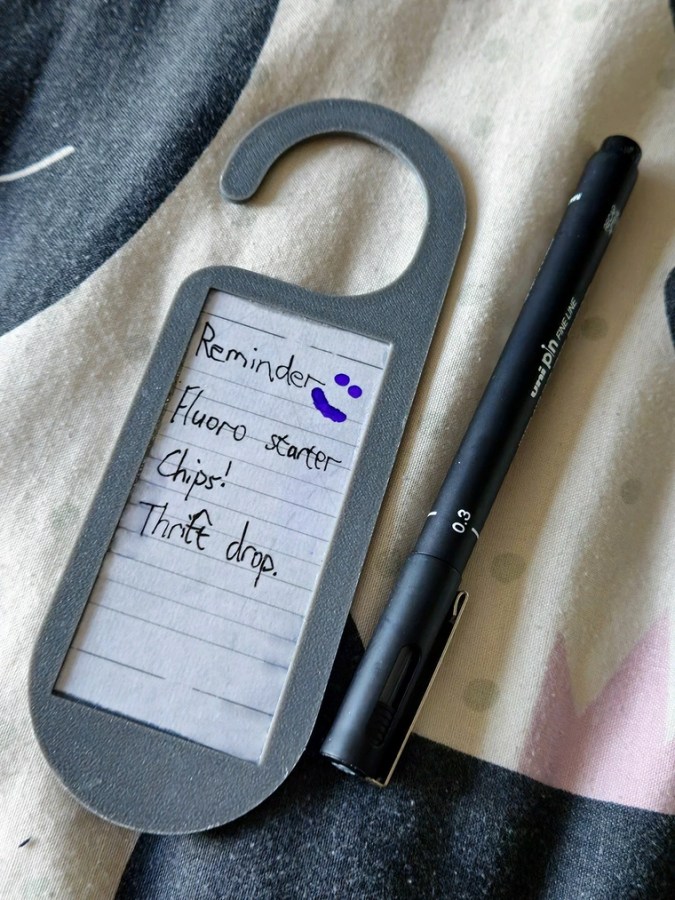
In an era of digital saturation, many individuals find that app-based to-do lists contribute to "notification fatigue." An emerging trend in home efficiency involves the use of "marker objects"—physical, tactile reminders that cannot be ignored or deleted. Examples include leaving a toothpaste cap on a counter to signal a need for replacement or placing an empty medication blister pack in a handbag. These physical cues serve as analog "notifications" that bridge the gap between recognizing a need and executing a task.
Sanitation Infrastructure and Resource Optimization
Beyond behavioral habits, the physical infrastructure of a home can be modified to support easier maintenance. This involves the strategic use of modern appliances and specialized equipment to reduce manual labor.
Maximizing Appliance Utility
The modern washing machine is increasingly being utilized as a multi-purpose sanitation hub rather than a garment-only tool. Material science has contributed to this shift; the rise of durable, heat-resistant silicone in household products allows for a wider range of items to be machine-washed. Items such as coasters, dish drying mats, shower hair-catchers, and even certain types of computer mouse mats are now designed to withstand machine cycles.
Efficiency experts recommend the "Brick Wall Rule": if an object is durable enough to survive a high-impact collision without damage, it is likely a candidate for a machine wash. This approach significantly reduces the time spent on hand-scrubbing porous or high-contact surfaces, which are often breeding grounds for bacteria and mold.
The Role of Personal Protective Equipment (PPE) in the Home
A notable development in contemporary housekeeping is the normalization of Personal Protective Equipment (PPE) for domestic use. While historically associated with industrial or medical settings, the use of thick gloves, goggles, and shoe covers in a residential context serves two purposes: safety and sensory management.
For individuals with sensory processing sensitivities or germaphobia, PPE acts as a "buffer" that makes overwhelming tasks approachable. By donning specialized gear, individuals report a psychological "priming" effect that allows them to enter a focused state of productivity. Furthermore, the use of disposable nitrile gloves is increasingly viewed through the lens of assistive technology—an essential tool that enables individuals to perform basic hygiene tasks that would otherwise be avoided due to tactile aversion.
Data-Driven Insights into Domestic Efficiency
Quantitative studies highlight the impact of a disorganized environment on human physiology. Research from the Princeton University Neuroscience Institute found that clutter can significantly decrease the brain’s ability to focus and process information. Similarly, a study published in the Personality and Social Psychology Bulletin indicated that individuals who described their homes as "cluttered" or full of "unfinished projects" had higher levels of cortisol, the body’s primary stress hormone.
| Metric | Impact of Systematized Housekeeping |
|---|---|
| Time Saved | Average of 3-5 hours per week via habit integration. |
| Stress Levels | 40% reduction in reported daily anxiety related to home tasks. |
| Economic Benefit | Reduction in "duplicate purchases" of lost or forgotten items. |
| Sustainability | Increased donation rates through "continuous sorting" systems. |
Social and Community Implications: The Donation Cycle
The modern efficiency movement also emphasizes a proactive approach to decluttering through the "continuous donation" model. Rather than waiting for a major lifestyle change to purge unwanted items, efficiency-minded households maintain a permanent "donation bag" in a high-traffic area.
This system addresses the "sunk cost fallacy"—the tendency to keep functional but unused items because they still possess value. By creating a frictionless path for these items to reach Non-Governmental Organizations (NGOs) or mutual aid groups, homeowners can maintain their space while contributing to the circular economy. This is particularly vital in the current economic climate, where community resource centers have reported a surge in demand for household goods and clothing.
Broader Impact and Expert Analysis
The implications of these domestic systems extend beyond individual homes. Urban planners and architects are beginning to take note of these shifts, incorporating more "Special Spots" and integrated storage solutions into modern residential designs. There is also a growing academic interest in "Domestic Ergonomics," a field that applies the principles of workplace efficiency to the home.
Dr. Elena Rossi, a specialist in environmental psychology, notes: "The move toward systematized housekeeping is a rational response to an increasingly complex world. When individuals feel they have agency over their immediate physical environment, their resilience to external stressors increases. We are seeing a democratization of professional organization techniques, made accessible through digital platforms and community sharing."
Furthermore, the focus on "neuro-inclusive" housekeeping—systems designed specifically to work with the ADHD or autistic brain—is fostering a more compassionate cultural dialogue around cleanliness. The shift from moralizing messiness ("I am a lazy person") to diagnosing a lack of systems ("I do not have a functional routine") represents a significant step forward in mental health advocacy.

Conclusion
The integration of efficiency-focused habits and measures marks a turning point in the history of domestic labor. By treating housekeeping as a skill set to be developed rather than an innate personality trait, individuals are reclaiming their time and mental energy. As the post-pandemic world continues to redefine the boundaries between work, life, and home, these systems provide a scalable framework for maintaining order in an unpredictable environment. The ultimate goal of modern home efficiency is not perfection, but the creation of a supportive space that facilitates a higher quality of life.