Since the protracted Syrian civil war ignited a significant wave of displacement towards Europe, the continent has been grappling with complex and often contentious debates surrounding refugees, asylum seekers, and immigrants. In the ensuing years, several European political factions have, at times, strategically leveraged anxieties surrounding displaced populations to garner electoral support. This political maneuvering has, regrettably, coincided with a palpable curtailment of rights for individuals fleeing violence and persecution. Despite these often-heated political narratives and heightened public discourse, the reality on the ground indicates that Europe hosts approximately 20 million displaced individuals, a figure that, while substantial, is significantly dwarfed by the global need for safety, with an estimated 117 million people worldwide requiring protection. The overwhelming majority of these displaced individuals are either internally displaced within their own countries or reside in neighboring middle- and low-income nations, rather than in Europe.
Further contextualizing the current situation, the number of refugees and asylum seekers within the European Union has been on a downward trend over the past four years. This trend follows a notable surge in 2022, largely attributed to the mass exodus of millions of Ukrainians seeking refuge across Europe in the immediate aftermath of Russia’s full-scale invasion. Similarly, irregular border crossings have also seen a reduction, with approximately 239,000 recorded cases in 2024. As the EU Pact on Migration and Asylum prepares to take effect on June 12, 2026, a critical juncture has been reached. Organizations such as HIAS are expressing profound concern regarding the potential implications for the right to asylum for individuals seeking safety in Europe. In an era marked by rising xenophobia and persistent challenges to refugee rights, HIAS Europe is issuing a strong call for the European Union to uphold asylum policies grounded in principles of welcome and robust protection.
The Shifting Demographics of Displacement in Europe
The landscape of displacement in Europe has been significantly shaped by geopolitical events. Following Russia’s full-scale invasion of Ukraine in February 2022, millions of Ukrainians were compelled to seek safety beyond their borders, with a substantial number finding refuge across the European continent. While some have since returned to their homeland, an estimated 5.2 million Ukrainian refugees remained in Europe by the close of 2025, constituting the largest group of displaced individuals on the continent. Beyond Ukrainian nationals, other significant populations seeking refuge in Europe include individuals from Venezuela, Afghanistan, and Syria.
In recent years, Venezuelan nationals have emerged as the largest group of asylum seekers within the European Union. The majority of those seeking safety from Venezuela have found their way to Spain, which now registers the highest number of asylum applicants. Despite prevailing anti-refugee sentiments in various parts of Europe, asylum applications remain concentrated in a limited number of member states. Specifically, Spain, Germany, Italy, France, and Greece collectively account for approximately 83% of all first-time asylum applications. Countering a common perception, the overall number of asylum applications has seen a significant decline in recent years. In 2025, the EU recorded 669,400 first-time asylum applicants, representing a notable decrease of 27% compared to the figures from 2024.
Rights and Realities: The Challenges Faced by Asylum Seekers
The fundamental framework for refugee protection in Europe is rooted in the 1951 Refugee Convention, a landmark international treaty established in the direct aftermath of the Holocaust and the widespread displacement that followed World War II. While the historical memory of that conflict remains a potent reminder across the continent, recent legislative developments within the EU have raised concerns about potential erosions of the rights afforded to refugees and asylum seekers. The newly enacted EU Pact on Migration and Asylum, scheduled to come into force on June 12, 2026, is viewed by many as a policy shift that could potentially lead to increased instances of detention, the return of vulnerable individuals to situations of danger, and the infringement of fundamental rights for those seeking safety.
In principle, individuals arriving in the EU have the right to seek asylum and are permitted to remain in the country while their asylum claim is being processed. The Pact aims to expedite these processing times, a measure that could inadvertently result in a higher number of asylum seekers being denied protection, even if their claims would have historically qualified for it. Furthermore, the Pact introduces the concept of “safe countries,†which allows for the return of individuals to these designated nations, potentially disregarding the specific threats of persecution faced by an individual in their country of origin.
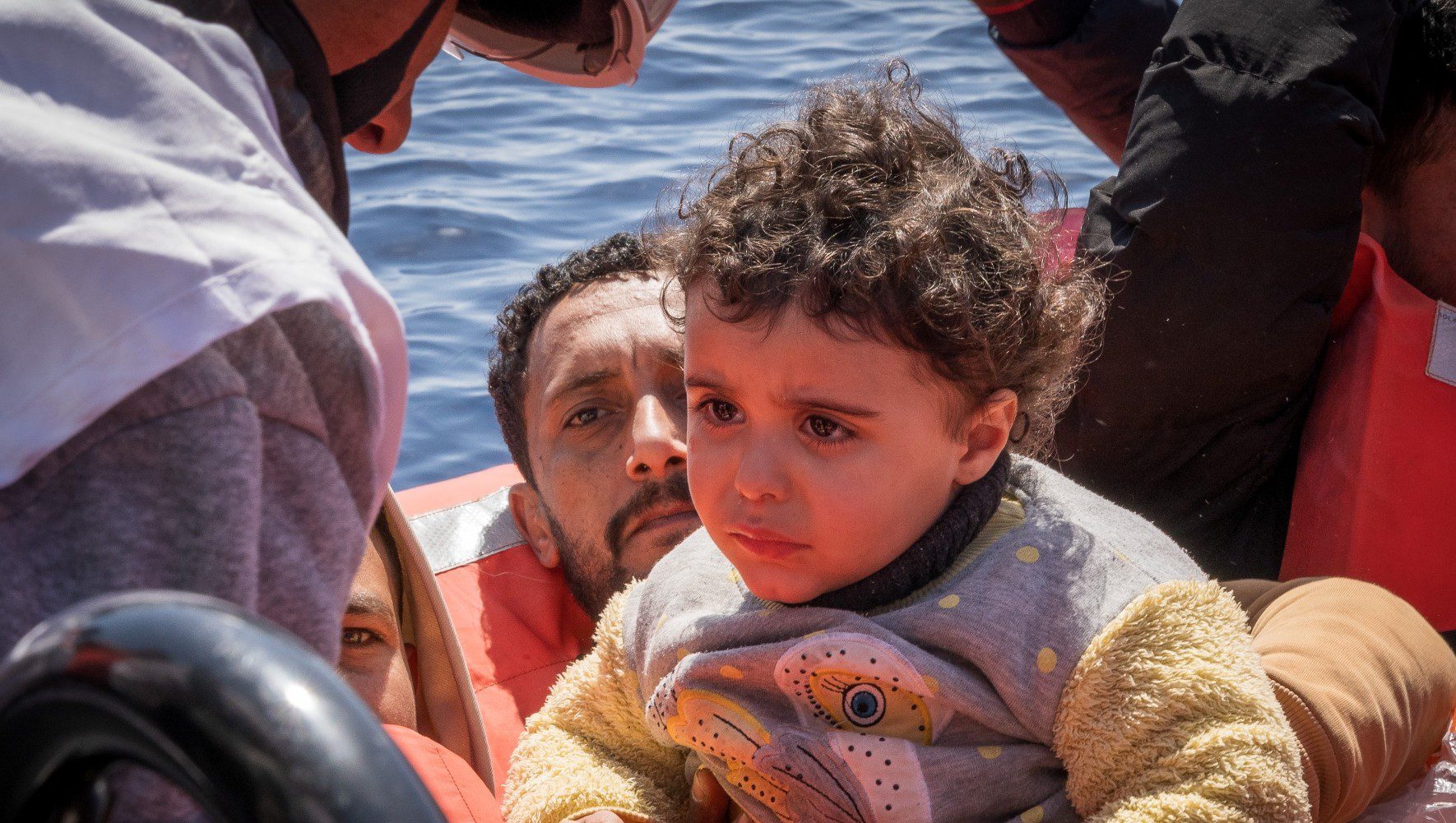
The period during which asylum claims are under review can be particularly arduous for applicants. Many are subjected to detention or are forced to reside in substandard living conditions. In certain frontline countries, there are documented instances where individuals are allegedly denied their legal right to seek asylum and are subjected to illegal “pushbacks.†Concurrently, several member states are reportedly failing to meet their established refugee resettlement obligations, thereby limiting pathways to safety for many. The perilous journeys undertaken by those seeking refuge underscore the desperate circumstances many face. Tragically, since 2014, an estimated 34,000 individuals have died or gone missing while attempting to cross the Mediterranean Sea, a stark testament to the dangers inherent in these journeys.
The EU Pact on Migration and Asylum: Implications and Anticipated Outcomes
After years of intensive deliberation and negotiation, the EU Pact on Migration and Asylum is set to be implemented on June 12, 2026. The Pact’s overarching objective is to break the political deadlock that has characterized EU migration policy by introducing a multi-faceted approach. This includes reinforcing external border controls, streamlining asylum procedures, facilitating the return of individuals deemed ineligible for protection, and promoting a more equitable distribution of responsibilities among member states. The underlying political impetus behind the Pact appears to be a heightened focus on deterring the arrival of displaced individuals into the EU.
The potential ramifications of the Pact are a subject of considerable debate and concern among human rights organizations. Anticipated outcomes include a more widespread application of detention measures, increased pressure on countries situated at the EU’s external borders, and a greater reliance on emergency protocols that could potentially undermine established human rights standards. Despite these concerns, it is crucial to note that as the Pact enters into force, European nations remain legally bound by the human rights principles enshrined in international and European law. HIAS Europe, along with other advocacy groups, is actively engaged in urging member states to implement the new regulations in a manner that rigorously safeguards the safety, dignity, and fundamental rights of all asylum seekers.
HIAS’s Role in Supporting Refugees and Asylum Seekers in Europe
HIAS, a global humanitarian organization, plays a significant role in supporting refugees and displaced persons across Europe. HIAS Europe, in particular, manages humanitarian programming and actively supports Jewish communities, organizations, and activists within the EU in their endeavors to welcome and integrate refugees. By lending a distinct Jewish voice to the broader European discourse on forced displacement, HIAS aims to foster a more inclusive and compassionate response.
Through the provision of technical expertise and financial assistance, HIAS Europe empowers European Jewish communities to not only support refugees in overseas contexts but also to actively welcome and assist refugees within their own communities. These initiatives are often designed to promote social cohesion and understanding, frequently involving interfaith collaboration and the establishment of community sponsorship programs. HIAS maintains a tangible presence in Europe with offices strategically located in Belgium and Greece. These offices serve as vital hubs for advocating for refugee rights and providing direct aid to refugees. Furthermore, HIAS collaborates with local partners in Ukraine and Moldova, offering crucial support to Ukrainians displaced by the ongoing conflict.
A Call for Welcome and Protection
The narrative surrounding refugees and asylum seekers in Europe is often dominated by political rhetoric that can obscure the humanitarian realities and legal obligations involved. As the EU Pact on Migration and Asylum is implemented, it is imperative that a balanced perspective prevails, one that acknowledges the challenges while upholding the fundamental rights of those seeking safety. Organizations like HIAS are committed to ensuring that policies and practices align with the principles of humanitarianism and international law, advocating for a Europe that continues to be a beacon of hope and protection for those fleeing persecution and violence. The commitment to these principles is not merely a matter of policy but a reflection of shared humanity and a commitment to a more just and equitable world.