March 19, 2026 – HIAS Staff
The eighth annual Refugee Shabbat, observed globally on March 13-14, 2026, served as a powerful testament to the Jewish community’s unwavering commitment to welcoming and supporting refugees, asylum seekers, and immigrants. This year’s observance took on particular significance against a backdrop of escalating xenophobia and restrictive governmental policies, underscoring the critical role of grassroots initiatives in upholding humanitarian values. The event saw a remarkable surge in participation, with 300 Jewish communities and 144 individuals engaging in a diverse array of activities worldwide, including the United States, Canada, South Africa, and the United Kingdom.
This annual tradition, now in its eighth year, transcends a single weekend of observance. It acts as a focal point for year-round efforts by Jewish organizations and communities to assist those displaced by conflict, persecution, and disaster. Refugee Shabbat functions as a vital reminder that the imperative to welcome the stranger is deeply embedded within Jewish ethical frameworks and lived experiences.
"At a time when governments have slammed doors shut in the face of people seeking protection and safety, Refugee Shabbat feels particularly powerful and poignant," stated Isabel Burton, HIAS’ Senior Director for Community Engagement. "Refugee Shabbat gives us an opportunity to celebrate the inspiring actions of Jewish communities around the world, who are stepping up to respond in real time to these new realities. Together, we honor that work, support each other, and stand with refugees who simply seek sanctuary and a fresh start."
The global scope of Refugee Shabbat 2026 highlighted a shared concern for displaced populations. Participating communities organized a spectrum of events designed to foster understanding, empathy, and action. These included thought-provoking art exhibitions, insightful film screenings, and traditional Shabbat services that wove themes of welcome and solidarity into their prayers and readings. The overarching goal was to mobilize individuals and communities to advocate on behalf of refugees during a period of significant global challenge.
A Challenging Landscape for Refugees
The context for Refugee Shabbat 2026 was marked by a palpable increase in anti-immigrant rhetoric and policies in many parts of the world. In the United States, for instance, the preceding year had seen significant policy shifts and public discourse that were described by many as devastating to refugee and immigrant communities. Despite these governmental actions, the organizers and participants of Refugee Shabbat emphasized that the fundamental spirit of welcome and compassion among many Americans remained strong, if not intensified.
This year’s observance provided a platform to counter narratives of fear and exclusion, drawing upon historical parallels within Jewish experience. The tradition of welcoming strangers is a recurring theme in Jewish texts, most notably in the commandment to love the stranger, "for you were strangers in the land of Egypt" (Leviticus 19:34). This historical memory and religious imperative served as a guiding principle for the global Jewish response.
United States: Local Action Amidst National Challenges
In Los Angeles, a hub of diverse refugee support efforts, Temple Israel of Hollywood (TIOH) hosted a prominent Refugee Shabbat service and program. Under the spiritual leadership of Rabbi Lara Regev, the event specifically honored the Jewish value of welcoming newcomers. The service featured addresses from HIAS CEO Beth Oppenheim and HIAS Rabbi-in-Residence Sarah Bassin, who provided crucial insights into the contemporary refugee resettlement landscape and outlined actionable steps for community members to engage in advocacy.
Rabbi Sarah Bassin shared her reflections on the service: "I was honored to share words of Torah to ground ourselves through an era of moral disorientation in which our values are challenged daily." Her words resonated with attendees, emphasizing the need for spiritual grounding and ethical clarity in navigating complex geopolitical issues.
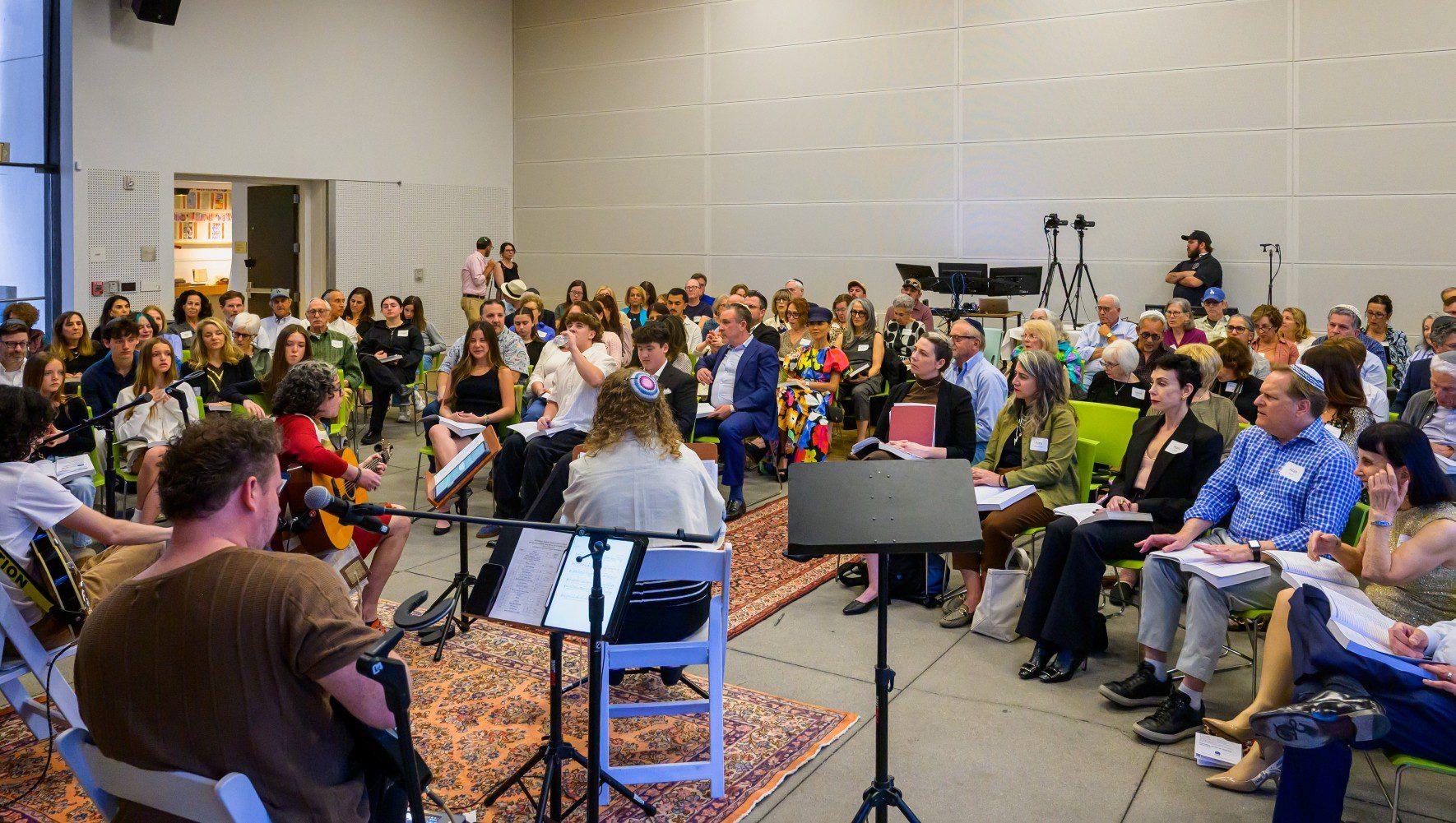
The events in the United States demonstrated a resilient commitment to humanitarian principles, even in the face of policy shifts. Community-led initiatives, like those at TIOH, highlighted the power of local engagement in reinforcing national and global efforts to support vulnerable populations.
United Kingdom: A Resounding Counter-Movement Against Division
In the United Kingdom, where debates surrounding immigration have intensified, Refugee Shabbat 2026 witnessed a remarkable surge in engagement, signaling a robust counter-movement against rising division. HIAS+JCORE, a partnership between HIAS and the Jewish Council for Racial Equality, reported a record-breaking participation of 66 communities, more than doubling the figures from 2025.
Yael Peleg, HIAS+JCORE’s Community Engagement Director, expressed her enthusiasm: "It is truly remarkable to have this many communities taking part in Refugee Shabbat this year. There is so much inspiring work being done across the Jewish community to welcome refugees, and Refugee Shabbat 2026 is a wonderful opportunity to celebrate it."
The UK program featured a rich tapestry of events that blended cultural engagement with historical reflection and direct advocacy. These included:
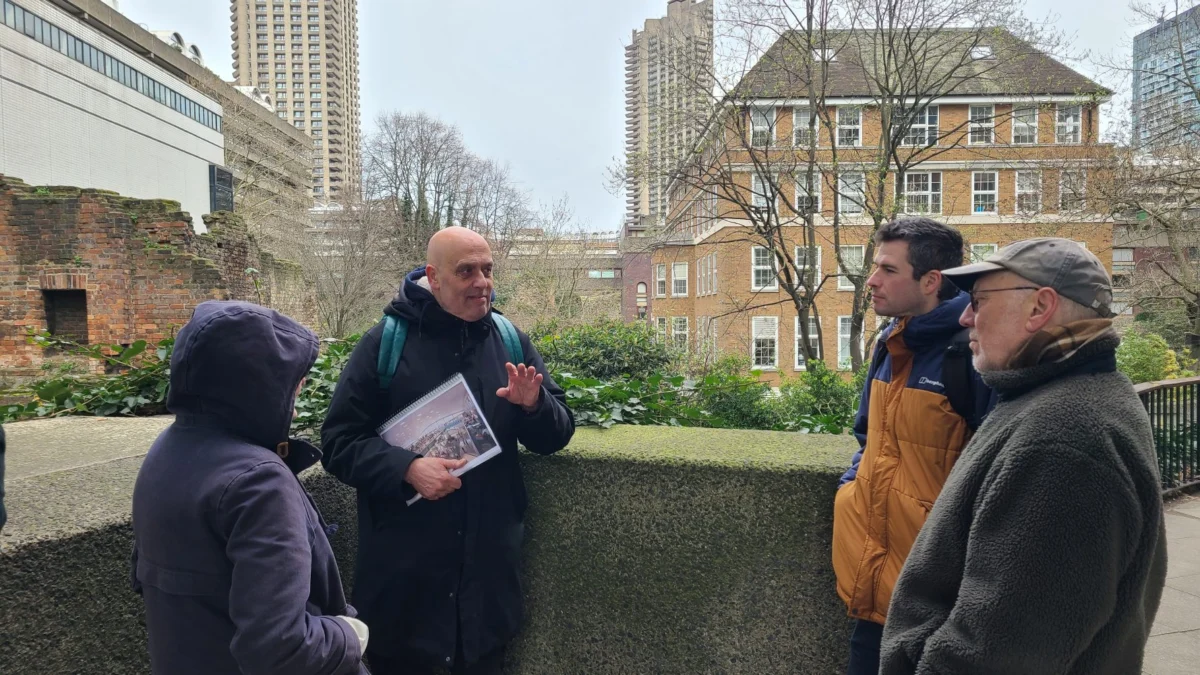
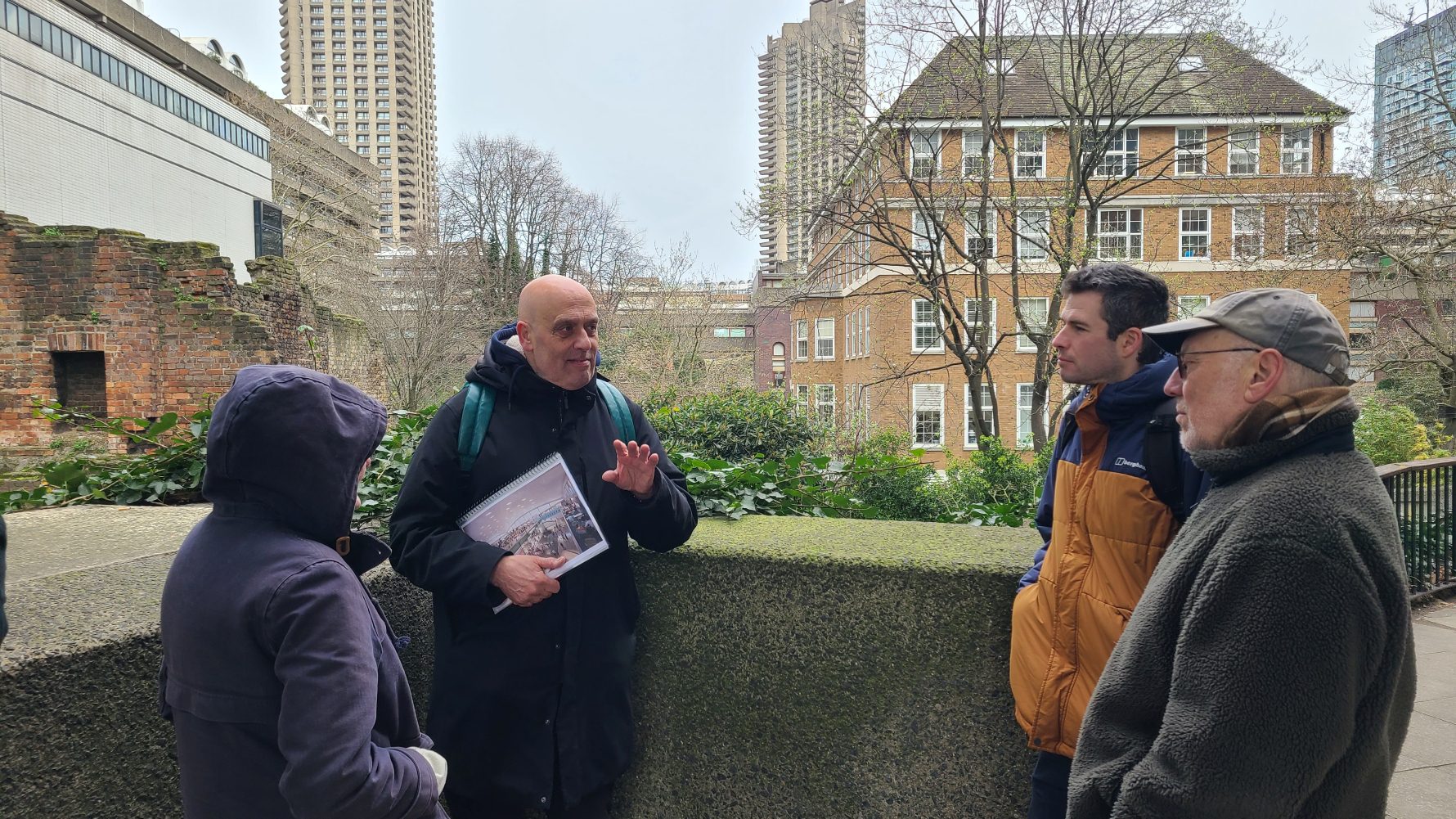
- Architectural Tours: Participants explored buildings in central London designed by refugee and immigrant architects, showcasing the contributions of newcomers to urban landscapes and economies.
- Cemetery Tours: A poignant tour of the historic Willesden Jewish Cemetery offered a historical perspective, highlighting the stories of Jewish refugees and immigrants buried there, many of whom found sanctuary in the UK.
- Community Discussions: Synagogues across the country hosted dialogues and educational sessions aimed at fostering a deeper understanding of the challenges faced by refugees and asylum seekers, and how communities could provide support.
Thousands of British Jews engaged with these events, demonstrating a collective desire to confront misinformation and promote compassion. Libi Sears, a refugee supporter and consultant with HIAS+JCORE partner Our Second Home, underscored the prevailing sentiment: "There is so much misinformation and a lack of compassion when it comes to refugees. Discussions around refugees and asylum seekers often lack nuance and kindness. Empathy and humanity should be at the forefront of any discussion about refugees."
A Culinary Diplomacy Event in London
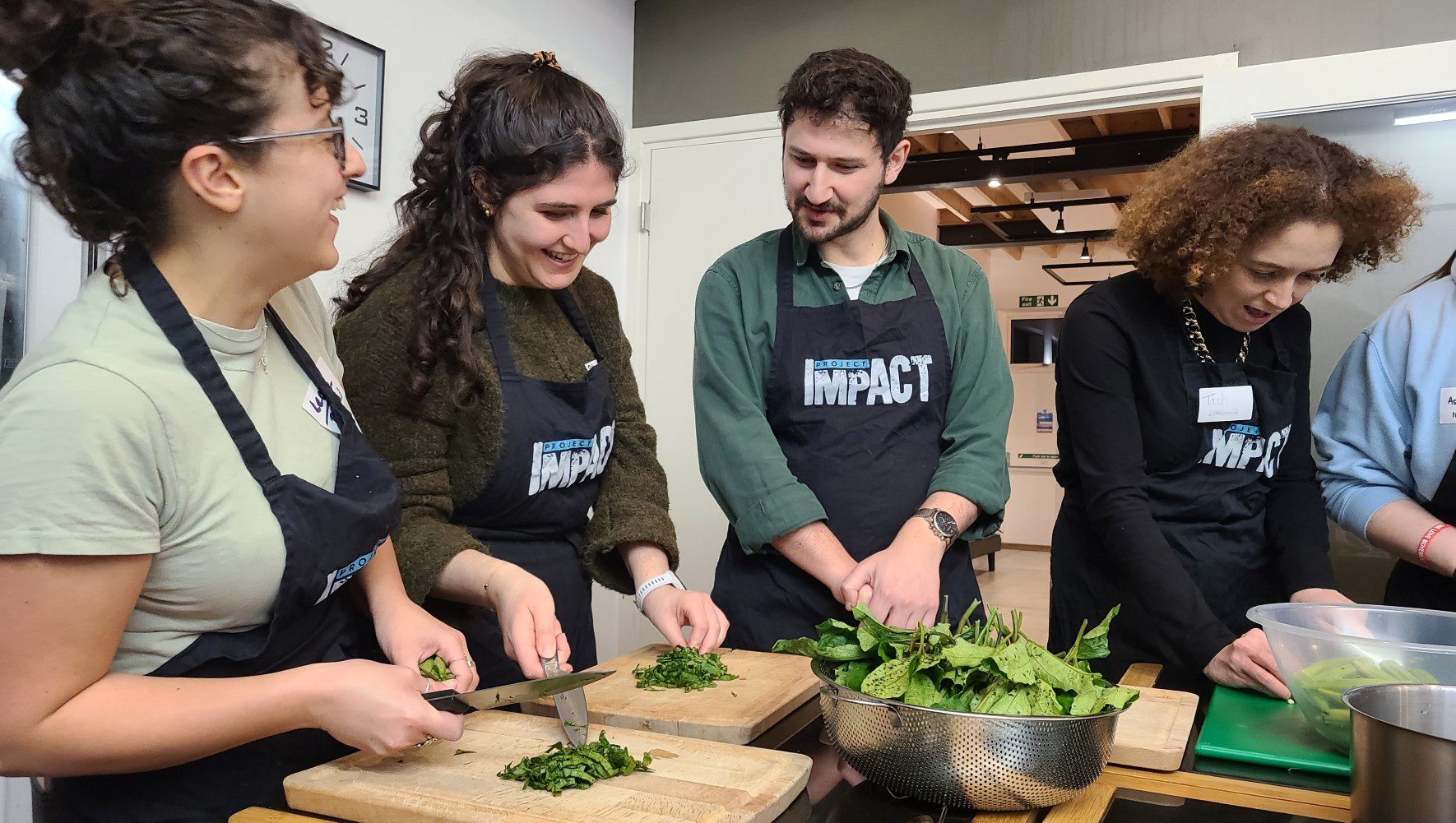
One of the early events that set the tone for Refugee Shabbat in the UK was a cooking demonstration hosted by OLAM, a HIAS partner organization. Libi Sears was among the 20 supporters who participated in this unique event, which combined culinary arts with refugee advocacy. Charity, a former Nigerian refugee, guided attendees through the preparation of a traditional meal, offering a vegan twist. Beyond the cooking, the event served as an educational forum, providing attendees with insights into the vital work of HIAS and HIAS+JCORE, and identifying avenues for practical support for refugees, asylum seekers, and displaced individuals in the UK.
"We should never stop talking about refugees," Libi Sears asserted. "Refuge is a human right, and it is our responsibility as humans to provide compassion and safety." This sentiment encapsulated the core message of the event, emphasizing that tangible actions, even seemingly simple ones like sharing a meal, can foster profound connections and understanding.
Launch Event and Community Dialogues in London
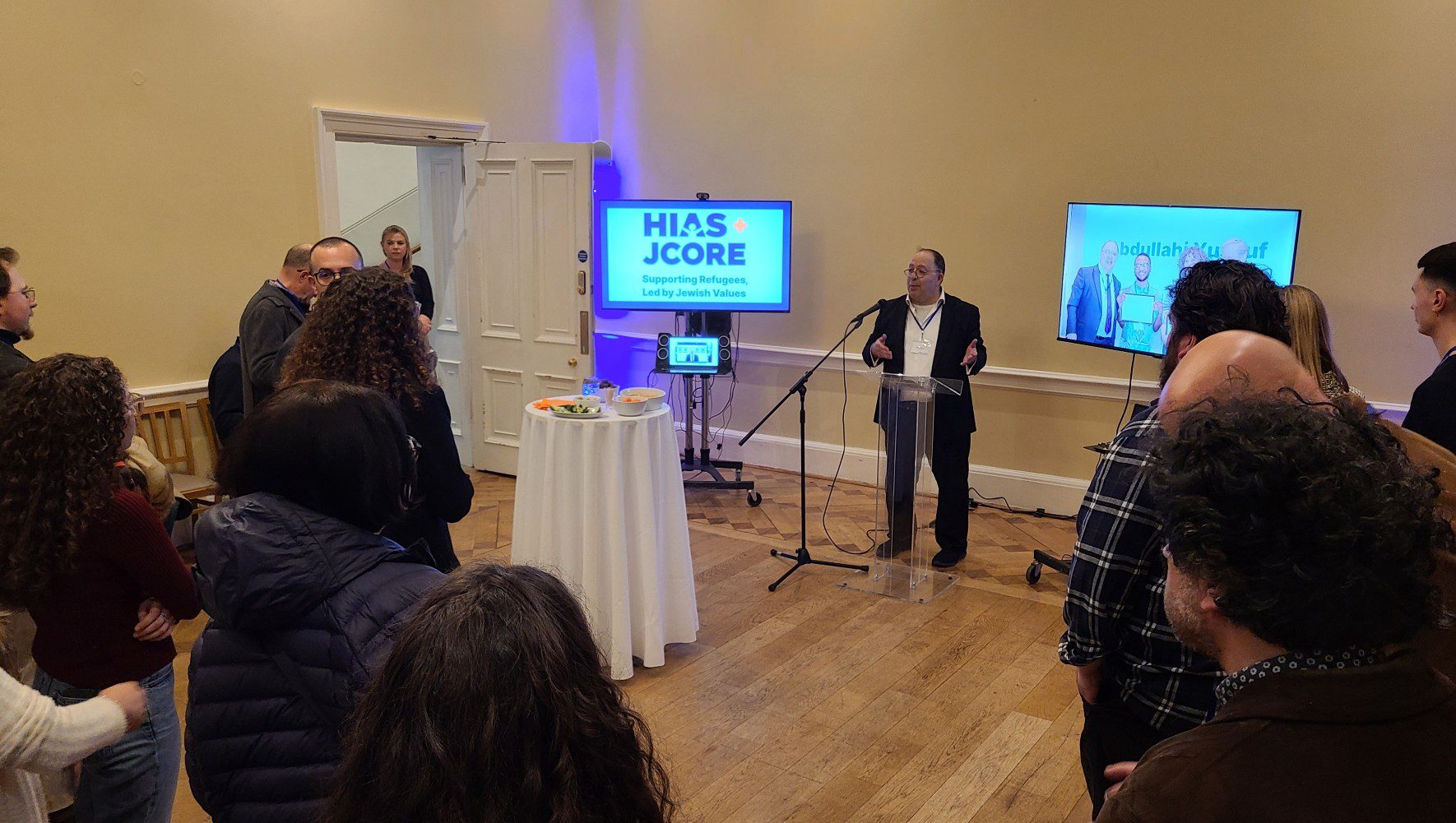
The official launch of Refugee Shabbat in London, held on March 12, 2026, drew over 50 supporters from the Jewish community and the refugee sector. The gathering provided a platform for leaders actively engaged in supporting displaced populations to share their experiences and visions. Rabbi Charley Baginsky, co-CEO of Progressive Judaism, delivered a compelling address that articulated the expansive nature of Jewish responsibility.
"Jewish responsibility does not stop at our own community’s security," Rabbi Charley stated. "It also extends to the kind of society we help shape. One where the rule of law protects the vulnerable. One where refugees are not reduced to political symbols. One where faith communities work together to build something better." Her words underscored the interconnectedness of communal well-being and the ethical imperative to advocate for a just and inclusive society for all.
Further illustrating this commitment, Finchley Progressive Synagogue (FPS) hosted Refugee Shabbat services on March 14, 2026. These services were enriched by the participation of former refugees from Syria, Ukraine, and Iran, who shared their personal narratives and offered factual insights into the complexities of refugee resettlement and the asylum system in the UK.
Prior to the Shabbat services, a deeply moving discussion took place between Lesley Urbach, whose mother and aunt fled Nazi Germany shortly before the outbreak of World War II, and Bahaa and Alaa Alibrahim, brothers who were supported by FPS upon their arrival in London as Syrian refugees. Their intergenerational dialogue highlighted the enduring relevance of welcome and the profound contributions that immigrants and refugees make to their host societies.
"Immigrants contribute to this country," Lesley Urbach affirmed. "Immigrants, refugees, and asylum seekers can help develop this country, when given the opportunity." Bahaa Alibrahim echoed this sentiment, emphasizing the resilience and hard work of those who have fled their homes: "Not everyone knows how hard we work. Everyone who flees for their life has suffered and needs time to recover. Refugees are very important in running this country."
A Global Message of Hope and Solidarity
As Refugee Shabbat 2026 concluded, the overarching message was one of enduring hope and a strong collective stance against division. The increasing participation over the past eight years signals a growing recognition within the Jewish community of its role in advocating for the rights and dignity of displaced people worldwide.
Rabbi David Mason, Executive Director of HIAS+JCORE, summarized the significance of the event: "There is no doubt that we’re living in a difficult period. But this Refugee Shabbat is a message of hope and a loud statement from the Jewish community that we are with refugees. Together, our values of compassion and solidarity are so much stronger than hate and division."
The success of Refugee Shabbat 2026, characterized by its widespread participation and diverse range of impactful events, demonstrates the vital role of faith-based organizations and community engagement in upholding humanitarian values and advocating for vulnerable populations in an increasingly challenging global climate. The event served as a powerful reminder that even in the face of adversity, collective action rooted in deeply held values can foster significant positive change and offer tangible hope to those seeking refuge and a new beginning.