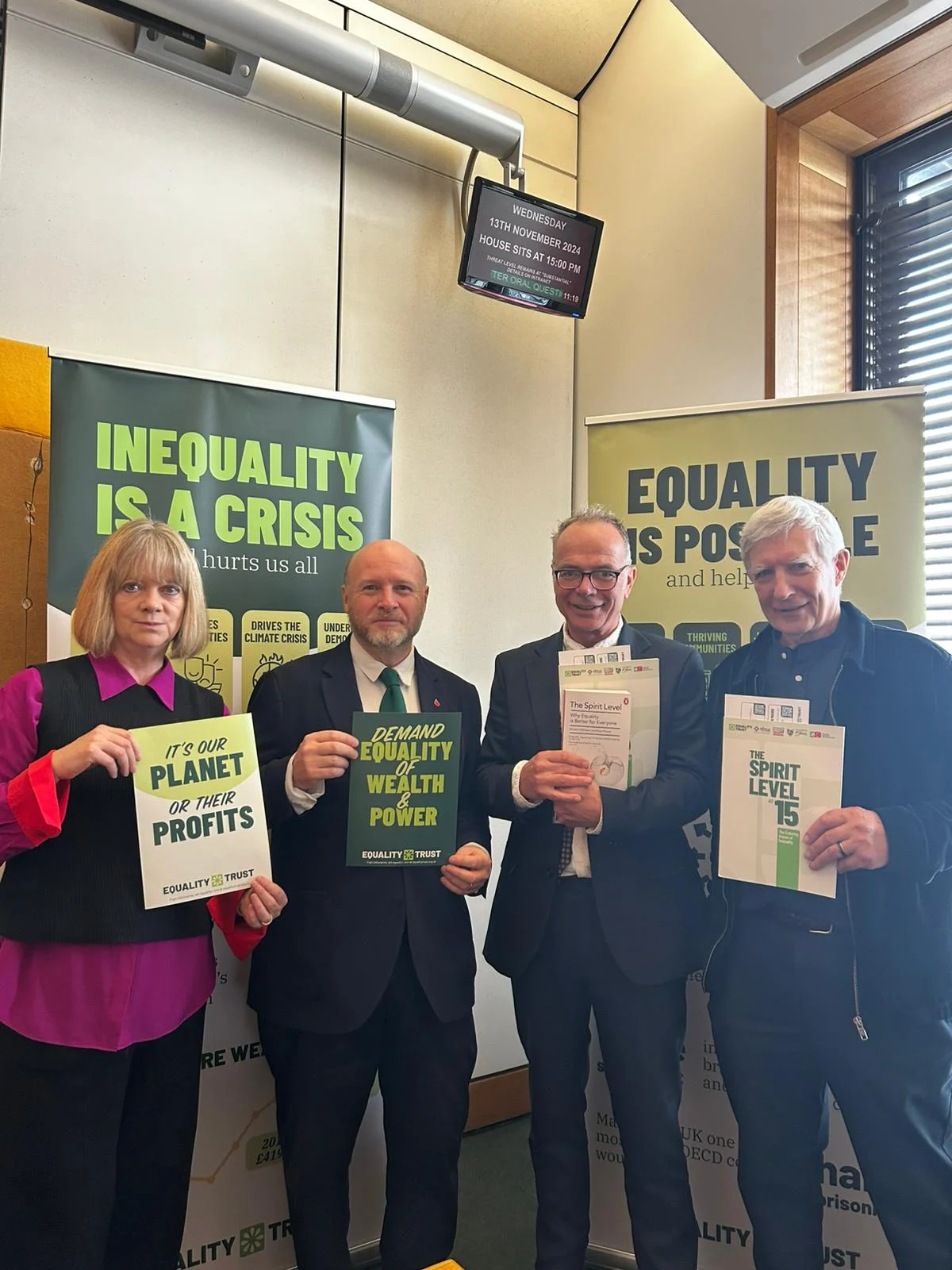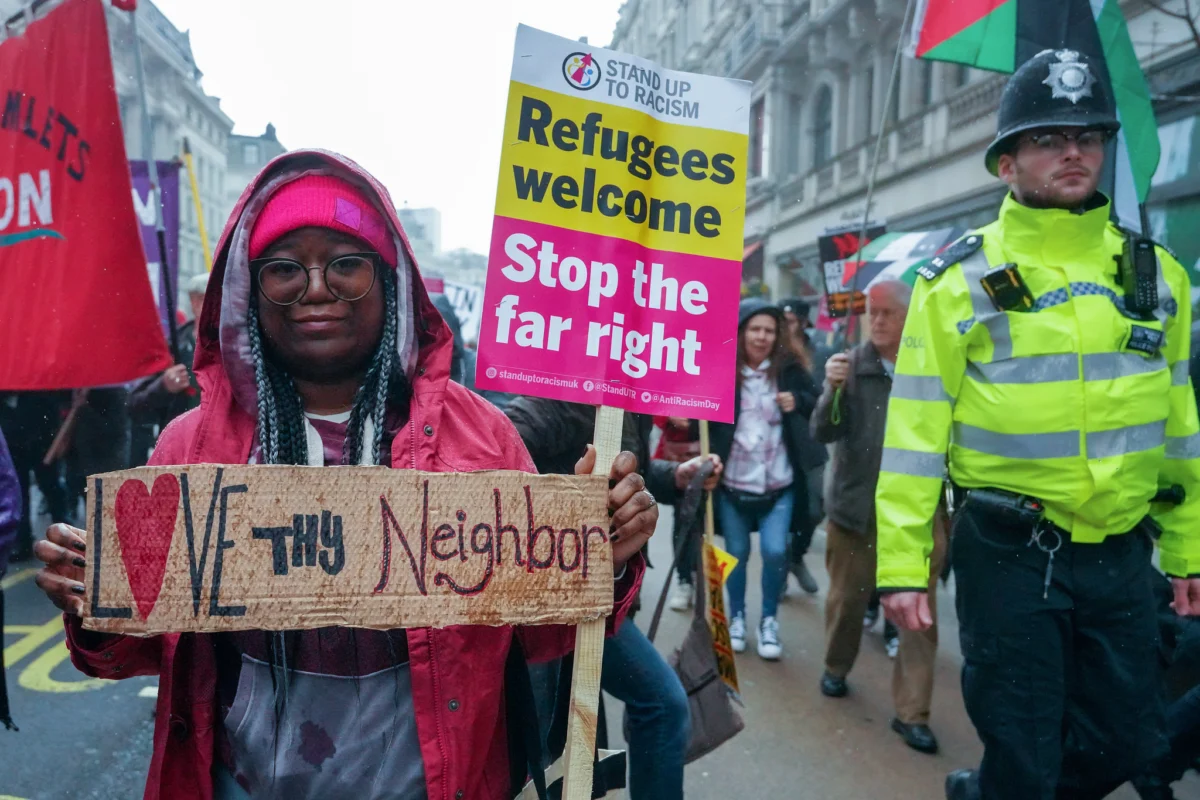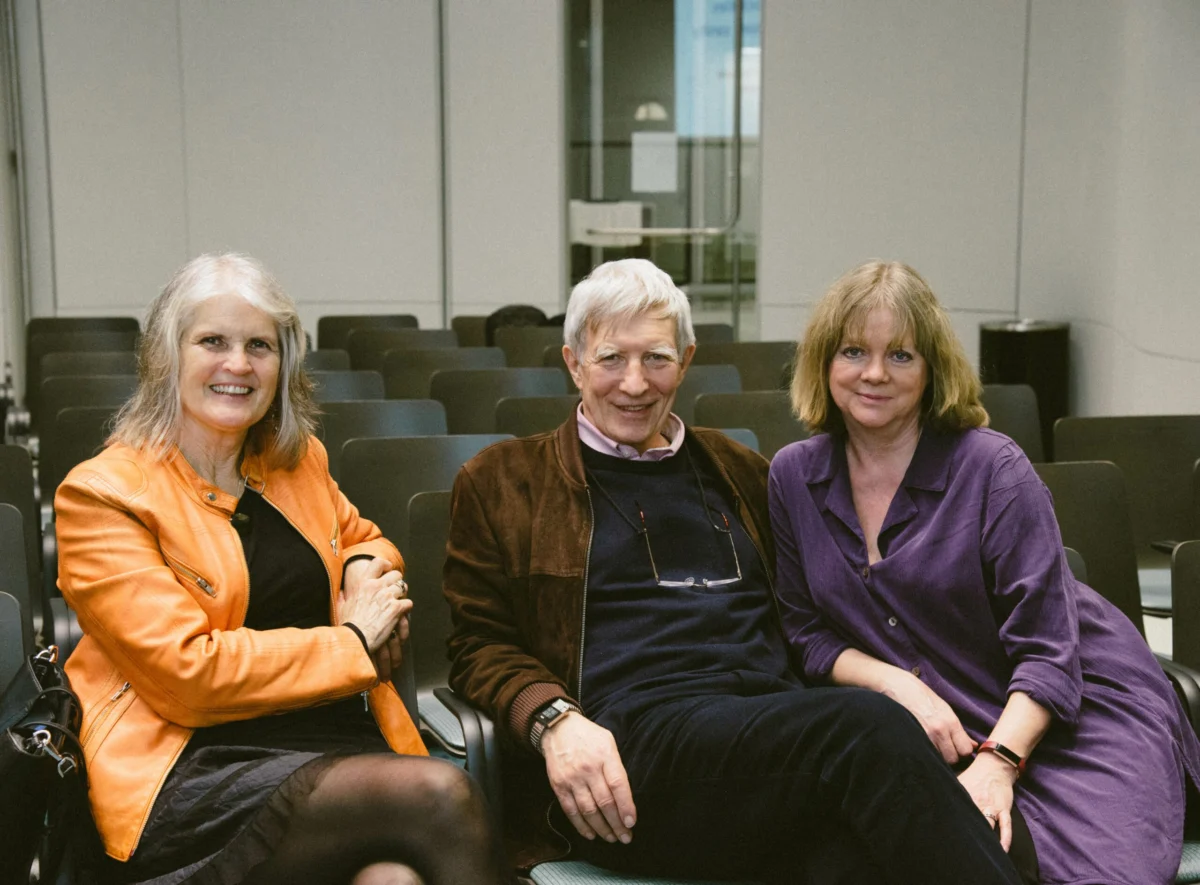
The upcoming publication of Professor Kate Pickett’s latest work, The Good Society, marks a significant milestone in the contemporary discourse on social reform and economic equity. Scheduled for a formal virtual launch on Wednesday, February 4, 2026, the event brings together a distinguished panel of public intellectuals and policy advocates to discuss the book’s central thesis: that the systemic crises currently facing the United Kingdom—ranging from stagnant health outcomes to environmental degradation—are symptoms of a singular, underlying pathology of deep-seated inequality. Professor Pickett, a world-renowned epidemiologist and co-author of the seminal text The Spirit Level, argues in her new volume that the transition to a more equitable society is not a matter of economic impossibility but a deliberate political choice.
The launch event, which begins at 6:00 pm, features Professor Pickett alongside Guardian columnist George Monbiot, former Green Party leader Caroline Lucas, and the prominent academic and Labour peer Baroness Ruth Lister of Burtersett. This assembly of speakers reflects the book’s interdisciplinary approach, bridging the gaps between public health, environmental science, and legislative policy. As the UK continues to grapple with the long-term effects of austerity, the cost-of-living crisis, and a fracturing social contract, The Good Society seeks to provide a data-driven roadmap for structural renewal.
The Evolution of Social Evidence: From The Spirit Level to The Good Society
Professor Pickett’s work has long been centered on the "social gradients" of health and wellbeing. Along with Richard Wilkinson, her 2009 book The Spirit Level fundamentally changed the global conversation by demonstrating that in more equal societies, almost everything—from life expectancy and literacy to trust and social mobility—is better. The Good Society serves as both a spiritual successor and an urgent update to these findings, incorporating a decade of new data that accounts for the digital age, the climate emergency, and the widening wealth gap observed in the mid-2020s.
The core argument of the book is that inequality acts as a "pollutant" in the social fabric. Pickett posits that the barriers preventing the achievement of a "good society" are not lack of resources or technological limitations, but the psychological and structural divisions created by extreme wealth disparity. By analyzing failing care systems and the widening gaps in educational attainment, Pickett illustrates how inequality erodes the collective capacity to solve complex problems. The book challenges the "utopian" label often applied to egalitarian policies, instead presenting them as pragmatic solutions to modern governance failures.
Chronology of the Launch and Publication Timeline
The rollout of The Good Society has been structured to maximize public engagement and policy debate. The announcement of the book’s completion occurred in late 2025, following a period of extensive research conducted by Pickett and her colleagues at the University of York and various social justice think tanks.
- January 15, 2026: The formal announcement of the launch event was released, opening registration for the public and policy stakeholders.
- January 2026: Advance copies were distributed to key figures in the fields of sociology, economics, and public health for peer review and commentary.
- February 4, 2026: The official virtual launch event featuring Monbiot, Lucas, and Lister. This event is designed to serve as a forum for debating the book’s implications for future legislative agendas.
- Spring 2026: A series of regional workshops and university lectures are scheduled to follow the launch, aiming to translate the book’s theoretical framework into local community action.
This timeline reflects a strategic effort to move the conversation beyond academic circles and into the mainstream political arena, particularly as the UK approaches its next cycle of local and national policy reviews.
Supporting Data: The Cost of Inequality in the 2020s
To understand the urgency behind Pickett’s work, one must look at the empirical data regarding the UK’s social landscape. As of 2025, the Gini coefficient—a standard measure of income inequality—remains significantly higher in the UK than in many of its European neighbors. This disparity correlates directly with several key indicators cited in The Good Society:
- Health Outcomes: Research indicates a gap of nearly a decade in life expectancy between the most and least affluent areas of the UK. Furthermore, "healthy life expectancy"—the years spent in good health—shows an even wider discrepancy, often exceeding 15 years.
- Economic Mobility: Data from the Social Mobility Commission suggests that the "birth lottery" is more influential today than it was thirty years ago, with the link between parental income and child outcome strengthening in unequal societies.
- The Environmental Link: High-inequality societies tend to have higher carbon footprints per capita among the wealthy, while the poorest populations suffer the most from environmental degradation. Pickett argues that ecological sustainability is impossible without social equity.
- Public Safety: Comparative studies of OECD nations consistently show that societies with narrower wealth gaps experience lower rates of violent crime and higher levels of social trust, reducing the long-term costs of the justice system.
By synthesizing these data points, The Good Society provides a comprehensive critique of the current status quo, suggesting that the "cost of inequality" is a hidden tax paid by every citizen in the form of diminished public services and reduced quality of life.
Profiles of the Launch Panelists
The selection of speakers for the February 4th event underscores the multi-faceted nature of the "Good Society" vision. Each panelist brings a specific expertise that aligns with the book’s chapters:
- George Monbiot: Known for his environmental activism and critiques of neoliberalism, Monbiot is expected to address the intersection of social justice and the "climate emergency." His recent work has focused on the need for "private sufficiency and public luxury," a theme that resonates with Pickett’s call for high-quality public spaces and services.
- Caroline Lucas: As a long-standing advocate for a "Wellbeing Economy," Lucas provides a legislative perspective. Her contribution to the discussion will likely focus on how political structures can be reformed to prioritize human flourishing over GDP growth.
- Baroness Ruth Lister: A preeminent scholar on poverty and the sociology of citizenship, Baroness Lister’s presence highlights the book’s focus on dignity and the human rights of those within the care and welfare systems. Her work in the House of Lords has frequently centered on the "lived experience" of inequality.
Together, these voices represent a coalition of thinkers who argue that the "wider determinants of health"—such as housing, education, and stable employment—are the true foundations of a prosperous nation.
Analysis of Policy Implications and Broader Impact
The publication of The Good Society comes at a time when traditional economic models are being increasingly scrutinized. The book’s insistence that building a fairer society is a "political choice" suggests a move toward more interventionist social policies. Potential policy shifts inspired by the book’s framework include:
- Universal Basic Services: Moving beyond the concept of a basic income to ensure that every citizen has guaranteed access to high-quality healthcare, transport, education, and digital connectivity.
- Educational Reform: A shift away from high-stakes testing toward a system that prioritizes "skills for life," creativity, and emotional wellbeing, as outlined in Pickett’s vision for the education system.
- Preventative Public Health: Reallocating resources from acute crisis management to the "wider determinants of health," such as improving air quality and housing standards to prevent illness before it occurs.
- Criminal Justice Realignment: Prioritizing rehabilitation and the addressing of root causes—such as poverty and lack of opportunity—over punitive measures, which the book argues "weigh down" society.
The broader impact of Pickett’s work is expected to be felt in the non-profit sector and among grassroots organizations. By providing a rigorous evidence base, The Good Society arms activists and local councilors with the arguments needed to push for equity-focused initiatives.
Conclusion: A Vision for the Future
Professor Kate Pickett’s The Good Society does not merely list the failures of the present; it provides an imaginative and evidence-based template for the future. The book argues that a society where "everyone’s physical and mental health is as good as it could be" is not an impossible ideal but a tangible goal achievable through systemic reform. By addressing the "inner level" of human experience—the anxiety, stress, and social competition driven by inequality—Pickett offers a path toward a more cohesive and resilient national identity.
As the launch event on February 4, 2026, approaches, the discourse surrounding the book suggests a growing appetite for fundamental change. The collaboration between Pickett, Monbiot, Lucas, and Lister signals a unified front in the intellectual battle against inequality. In the words of Professor Pickett, the focus must remain on "ensuring the wellbeing of future generations," a task that begins with the recognition that the health of the individual is inextricably linked to the health of the society in which they live.