In 2025, I was honored to be selected as part of the inaugural cohort of Cultural Survival’s Investigative Journalism Fellowship Program, a transformative initiative under the organization’s Indigenous Community Media Fund. This fellowship, designed to empower Indigenous journalists in documenting and reporting on critical issues impacting their communities, provided a unique platform for me, as a Namakhoen heritage advocate and documentary storyteller from Lokgwabe Village in Botswana’s Kgalagadi District, to draw global attention to the lived realities of Indigenous peoples in this arid region. The program, which ran from May 2025 to March 2026, offered crucial financial and technical support, enabling Indigenous journalists to produce in-depth investigative and multimedia stories that amplify underrepresented voices. My project, rooted in the heart of the Kgalagadi, aimed to capture the profound impacts of climate change on the Namakhoen and other Indigenous communities, a narrative often marginalized in mainstream discourse.
The Fellowship’s Mandate and Scope
The Cultural Survival Investigative Journalism Fellowship is more than a professional development opportunity; it is a strategic intervention aimed at bridging information gaps and fostering greater understanding of the challenges faced by Indigenous communities worldwide. The Indigenous Community Media Fund, through which the fellowship is administered, recognizes the vital role that Indigenous media plays in self-determination, cultural preservation, and advocacy. By equipping Indigenous journalists with the resources and training necessary for investigative reporting, Cultural Survival seeks to empower them to tell their own stories, challenge dominant narratives, and hold power accountable.
The fellowship’s structure encourages a deep dive into community-specific issues, demanding rigorous fieldwork, in-depth interviews, and the production of compelling multimedia content. For fellows like myself, this meant not only honing journalistic skills but also leveraging traditional storytelling methods to create narratives that are both informative and culturally resonant. The emphasis on "investigative" journalism underscores a commitment to uncovering systemic issues, exposing injustices, and contributing to informed public debate and policy-making.
Field Research: Documenting Climate Realities in the Kgalagadi
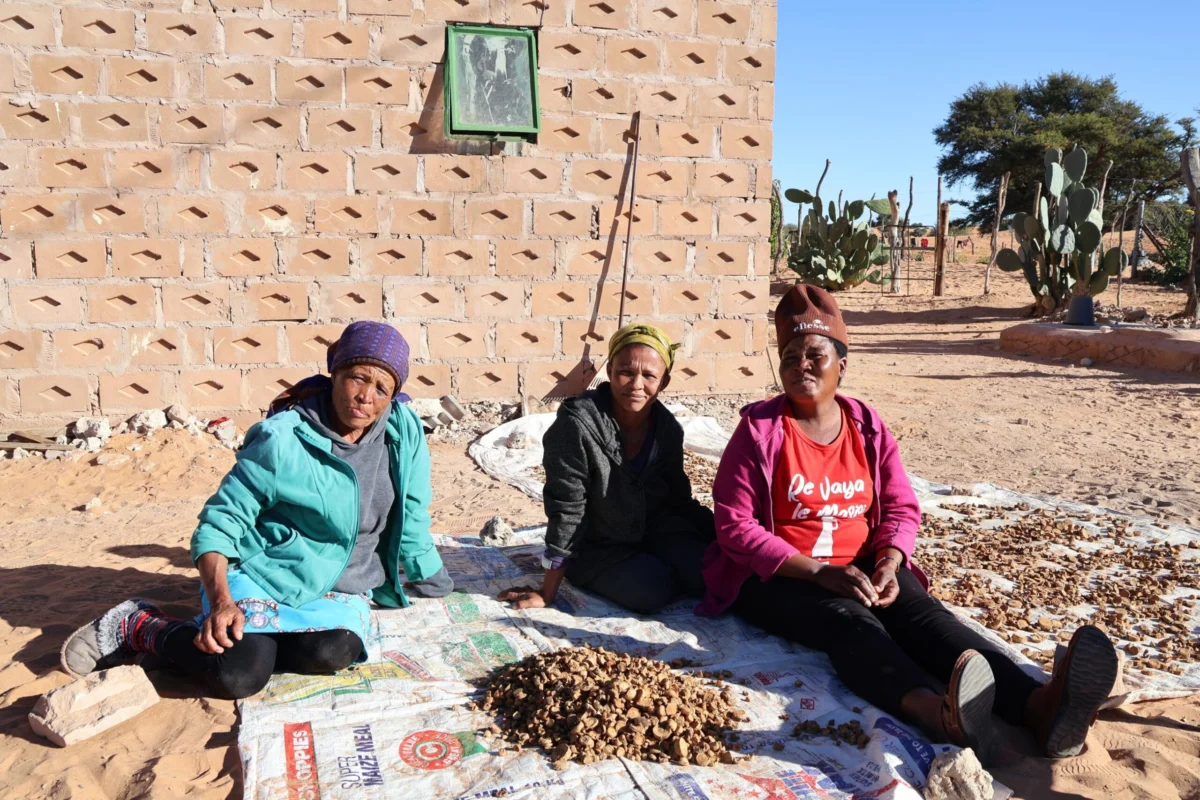
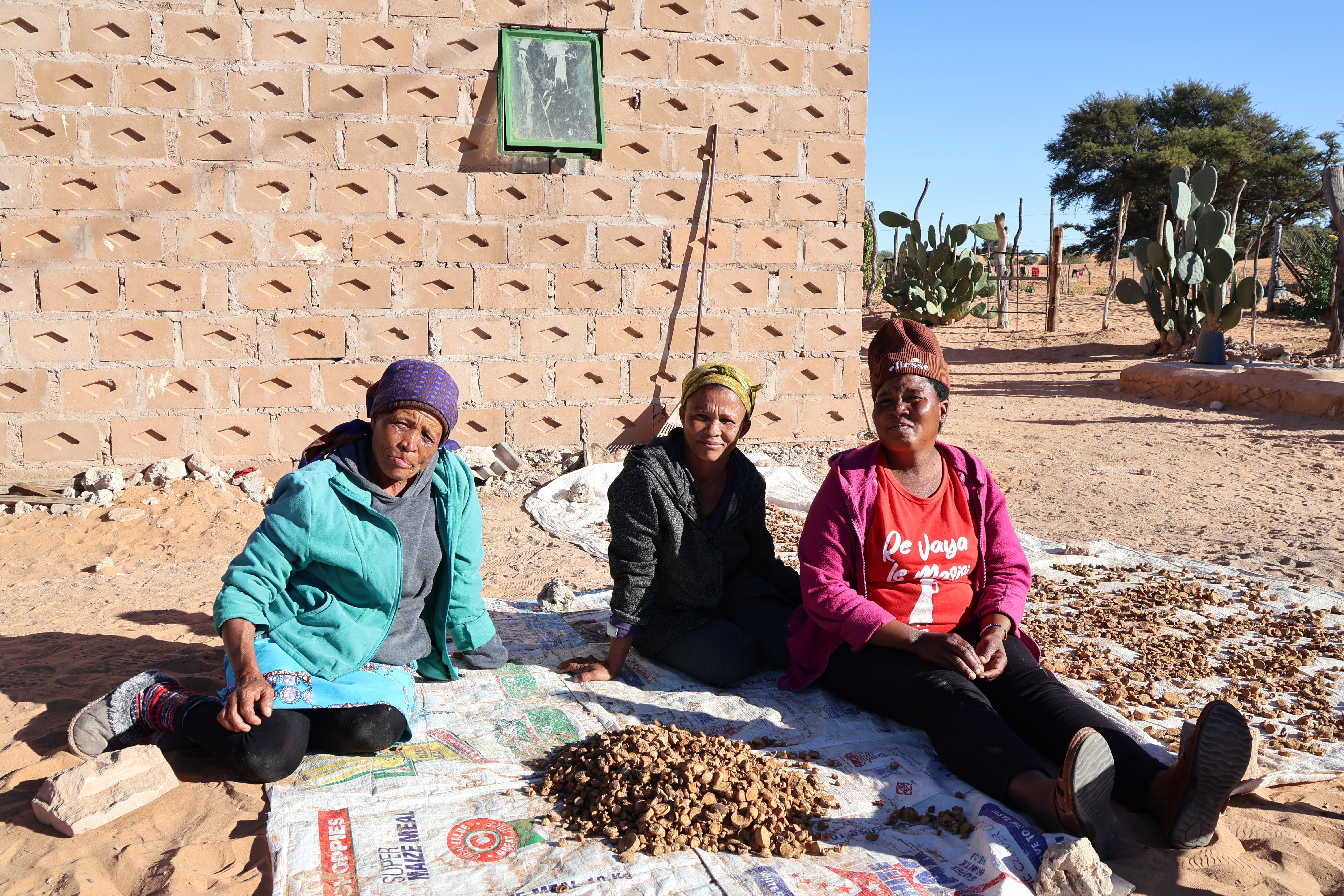
My fellowship project commenced with extensive field research across four distinct villages within the Kgalagadi District: Lokgwabe, Tshane, Tsabong, and Khawa. This geographical focus was deliberate, aiming to capture the diverse experiences of Namakhoen and other Indigenous communities across a representative swathe of the region. The research involved engaging directly with community members, conducting in-depth interviews with Elders, traditional leaders, and local residents. These conversations were central to documenting the multifaceted impacts of climate change on Indigenous livelihoods, which are intrinsically tied to the natural environment.
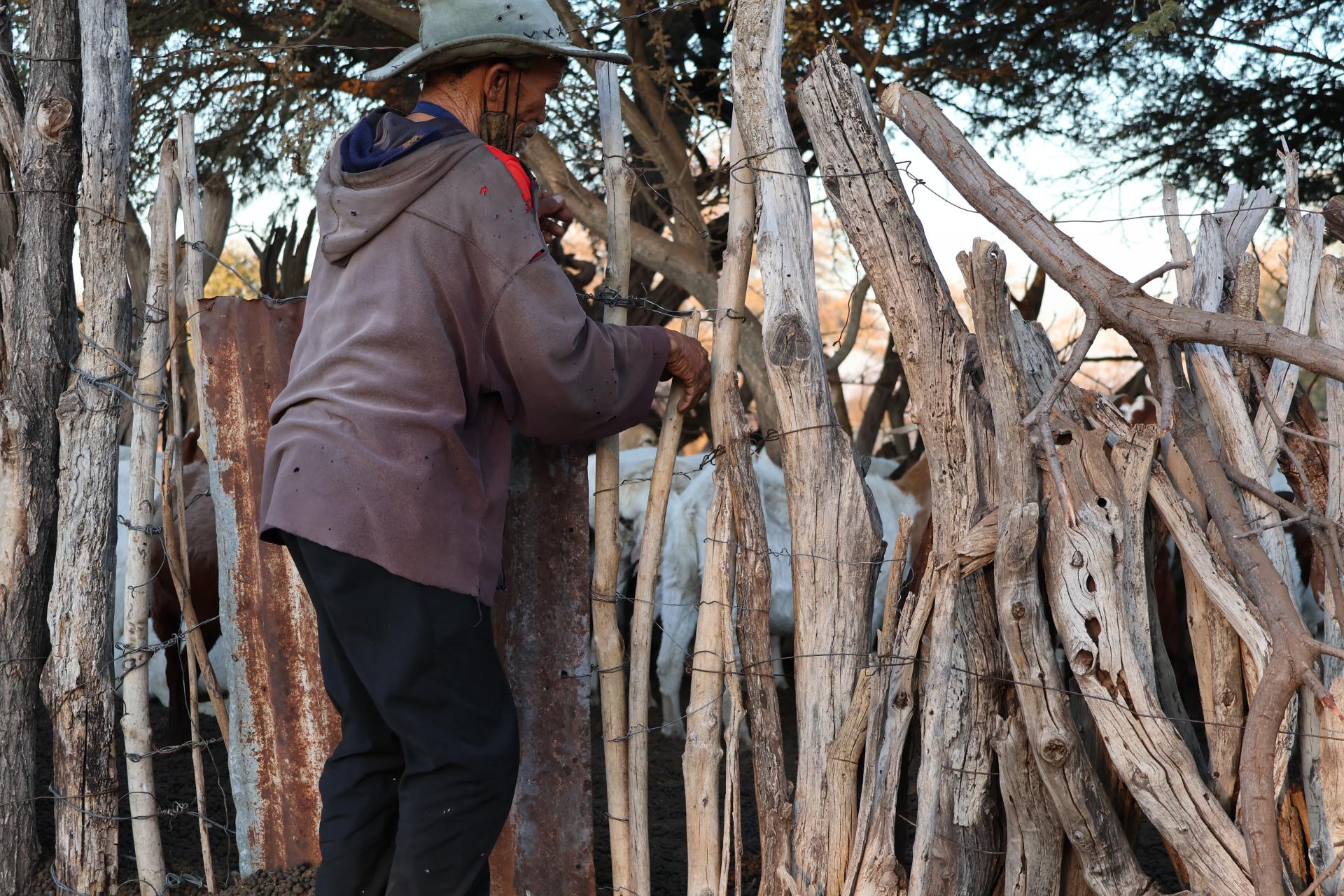
The period of intense fieldwork, particularly during the past winter season, allowed for firsthand observation of the extreme climatic conditions characterizing the Kgalagadi. The research meticulously documented the intensifying cycles of extreme cold and heat, the escalating scarcity of water resources, and the observed disappearance or diminished presence of certain traditional medicinal plants. These environmental shifts, often subtle yet profound, directly affect the viability of pastoral and rural livelihoods, which form the backbone of the region’s Indigenous economies. Such changes are frequently overlooked in broader media coverage, despite their direct and often devastating influence on Indigenous ways of life, including the erosion of traditional knowledge systems and the precariousness of food security.
"Namakhoen Voices In A Shifting Climate": A Documentary of Resilience
The culmination of my fellowship project is a 24-minute documentary film, titled "Namakhoen Voices In A Shifting Climate." This film serves as the centerpiece, aiming to illuminate the lived experiences of Indigenous communities grappling with environmental transformations in the Kgalagadi Desert. Through a powerful combination of intimate interviews, evocative landscape imagery, and authentic community narratives, the documentary showcases the remarkable resilience of Indigenous peoples and the enduring relevance of their traditional knowledge in navigating adaptation strategies amidst harsh environmental conditions.
Beyond its focus on contemporary climate challenges, the film also delves into the historical context of the Kgalagadi region. It explores the enduring legacy of displacement experienced by communities like the Namakhoen, a consequence of the German-Nama Genocide wars of the early twentieth century. This historical trauma, coupled with ongoing environmental pressures, underscores the complex socio-ecological vulnerabilities faced by these communities. The documentary seeks to demonstrate how traditional knowledge, honed over generations of living in harmony with the desert, continues to offer invaluable insights for sustainable adaptation in the face of unprecedented climate change.
Community Engagement and Knowledge Dissemination
A core tenet of the Cultural Survival fellowship is the imperative for fellows to engage directly with their communities. My project actively incorporated this by organizing local screenings of the documentary and facilitating community discussions in Namakhoen-based villages. These gatherings were designed to create safe and inclusive spaces where community members could reflect on the environmental changes they are experiencing, share their concerns, and collaboratively discuss strategies for climate adaptation. This participatory approach ensures that the project not only documents issues but also contributes to community-driven solutions and strengthens collective agency.
Furthermore, the project’s scope includes the utilization of data visualization tools. Through consultation with environmental experts from relevant government departments and other stakeholders, the creation of maps and graphics that visually illustrate climate patterns affecting the Kgalagadi region is underway. These tools are intended to provide a clearer, data-driven understanding of the environmental shifts, complementing the qualitative narratives captured in the film and interviews. This integration of scientific data with Indigenous knowledge aims to create a more comprehensive and impactful portrayal of the challenges and potential solutions.
Amplifying Indigenous Voices on a Global Stage
The fellowship also places a strong emphasis on the dissemination of the documentary and related stories through various media platforms and film festivals. The overarching goal is to ensure that Indigenous perspectives on climate change reach both local and international audiences, fostering greater awareness and support. Short video clips and storytelling segments are being shared and will continue to be disseminated beyond the fellowship term on social media platforms such as YouTube and TikTok. This digital outreach strategy is crucial for amplifying Indigenous voices in global conversations about climate change, a critical step towards advocating for their rights and ensuring their inclusion in climate action planning.
Broader Implications and Future Directions
The impact of this fellowship extends far beyond personal and professional achievement. It represents a continuation of my lifelong mission to protect Namakhoen heritage, document the richness of Indigenous knowledge systems, and ensure that the voices and experiences of Kgalagadi communities are heard beyond the confines of the desert. The challenges documented – extreme weather events, water scarcity, and the loss of traditional resources – are not isolated to the Kgalagadi. They are emblematic of the disproportionate impact of climate change on Indigenous peoples worldwide, who often contribute the least to greenhouse gas emissions yet bear the brunt of its consequences.
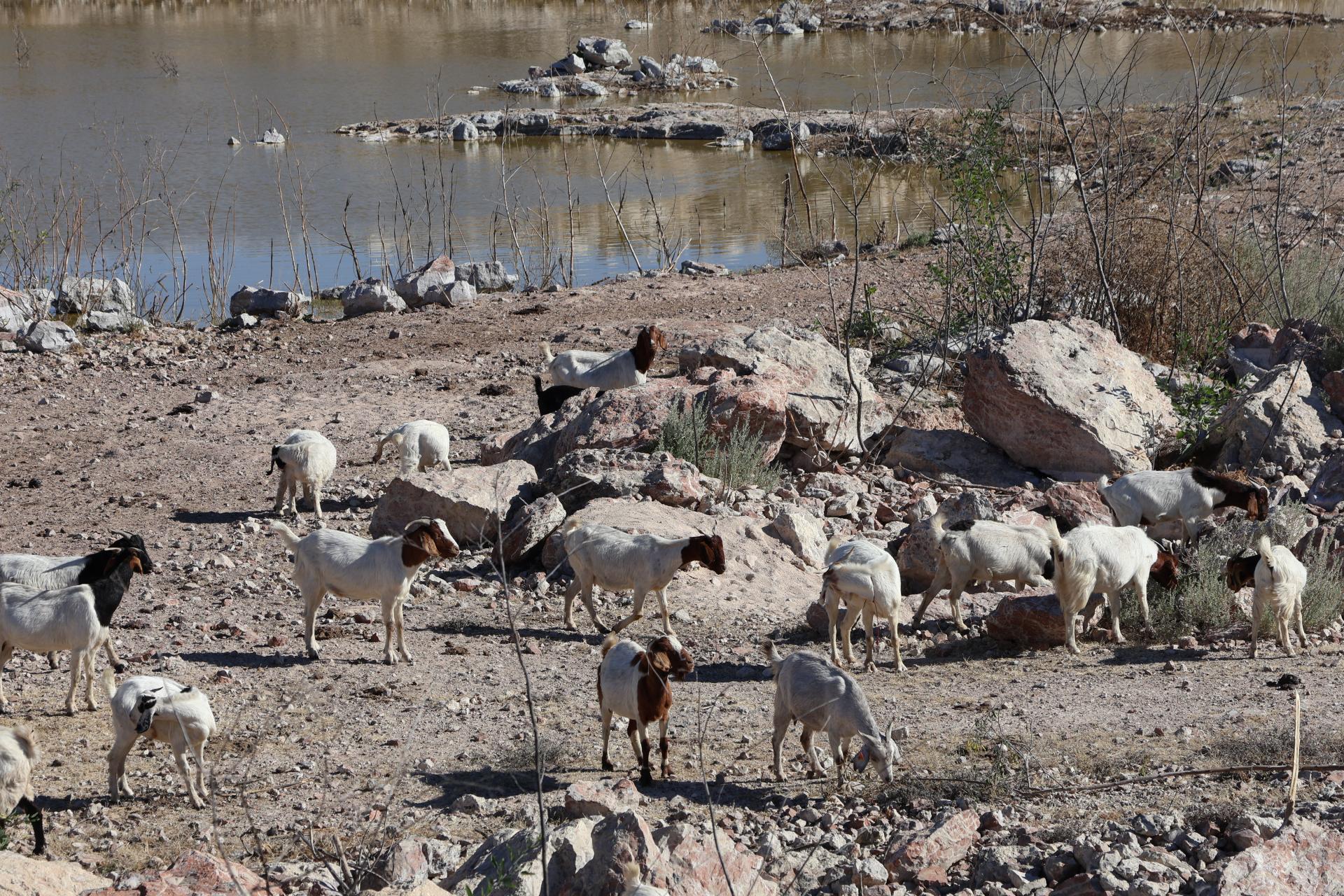
The detailed reporting from the Kgalagadi District, as facilitated by the fellowship, provides critical data and qualitative insights that can inform national and international climate adaptation policies. The resilience strategies observed among the Namakhoen, rooted in centuries of traditional ecological knowledge, offer valuable lessons for broader climate action. The project highlights the urgent need for policies that recognize and support Indigenous land rights, traditional governance systems, and customary practices as integral components of effective climate change mitigation and adaptation.
The legacy of the German-Nama Genocide wars, as referenced in the documentary, also adds a layer of historical injustice that continues to shape the vulnerabilities of these communities. Addressing contemporary climate challenges necessitates an understanding of this historical context and a commitment to rectifying past wrongs. The fellowship’s approach of integrating historical narratives with current environmental issues provides a holistic perspective crucial for meaningful reconciliation and sustainable development.
The fellowship’s focus on data visualization and multi-platform dissemination aims to translate complex environmental data into accessible formats for diverse audiences. By illustrating climate patterns, the project seeks to bridge the gap between scientific understanding and community lived realities, fostering more informed dialogue and action. The ongoing sharing of content on social media platforms democratizes access to information and allows for continuous engagement with the issues, building a sustained global conversation around Indigenous climate justice.
In conclusion, the Cultural Survival Investigative Journalism Fellowship has provided an indispensable platform for bringing the critical issues facing Botswana’s Namakhoen communities to the forefront. The documentary "Namakhoen Voices In A Shifting Climate" and the accompanying community engagement efforts serve as powerful testaments to Indigenous resilience and the vital role of traditional knowledge in navigating the complexities of a changing planet. The project underscores the urgent need for global recognition of Indigenous rights and their inherent capacity to lead in the fight against climate change.
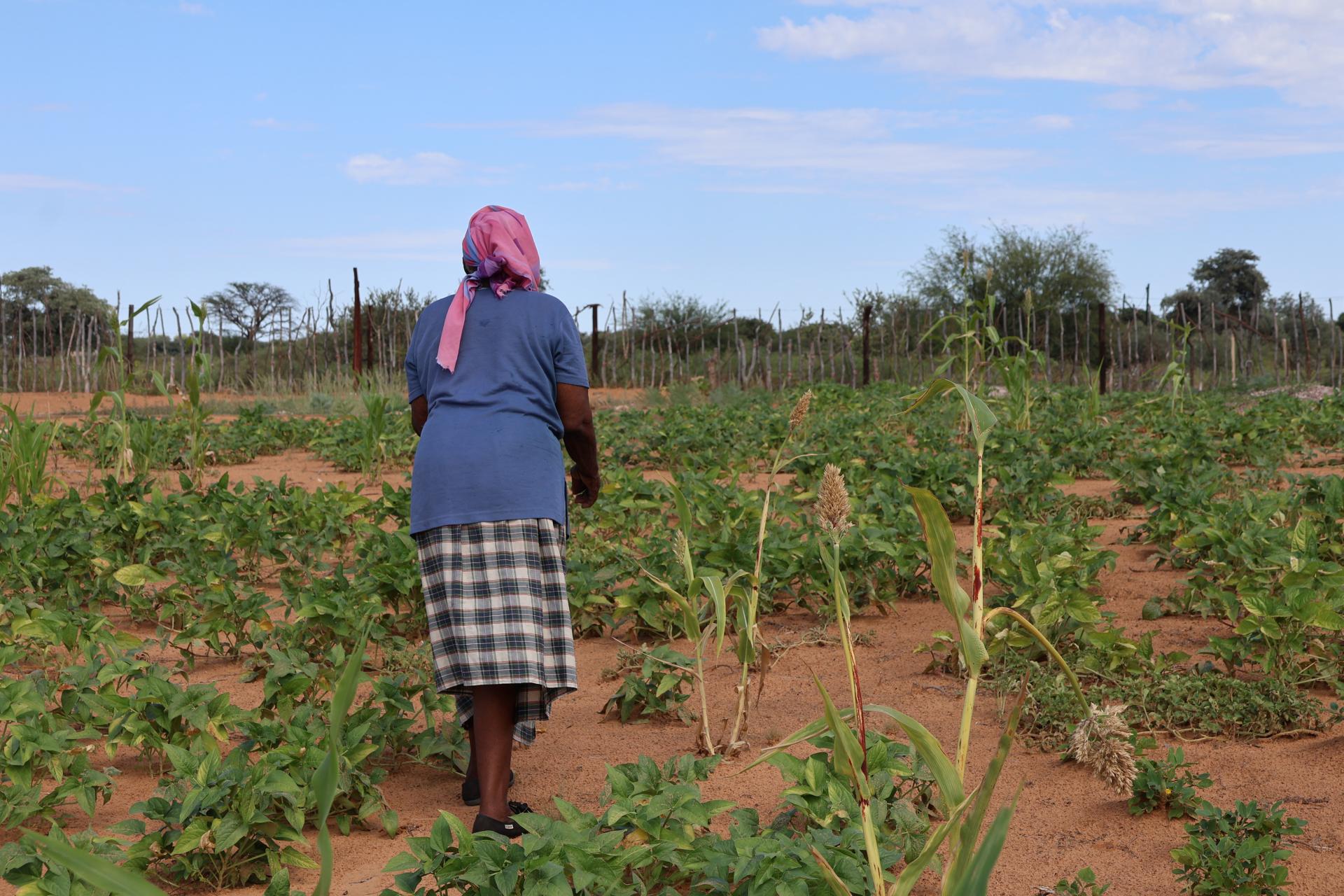
Nichodimas Cooper (Nama) is a 2025 Indigenous Investigative Journalism Fellow. Cooper is a passionate advocate for Indigenous rights and heritage preservation in Botswana. As an aspiring filmmaker and climate justice activist, he has dedicated his career to documenting the rich cultural tapestry and environmental challenges faced by Indigenous communities, with a particular focus on the Nama Peoples. Cooper’s work emphasizes storytelling as a potent tool for advocacy, amplifying marginalized voices while championing cultural resilience and sustainable development. His extensive experience includes organizing cultural festivals, establishing community-led museums, conducting research expeditions, forging alliances with international organizations such as the Commonwealth Association of Museums and the International Communities Organization, and participating in global forums including the UNFCCC Conference of the Parties (COP) and the United Nations Permanent Forum on Indigenous Issues. His fellowship specifically aims to illuminate the resilience of the Nama Peoples in the face of evolving environmental conditions, underscoring their profound connection to the land and the Traditional Knowledge they possess for managing natural resources.