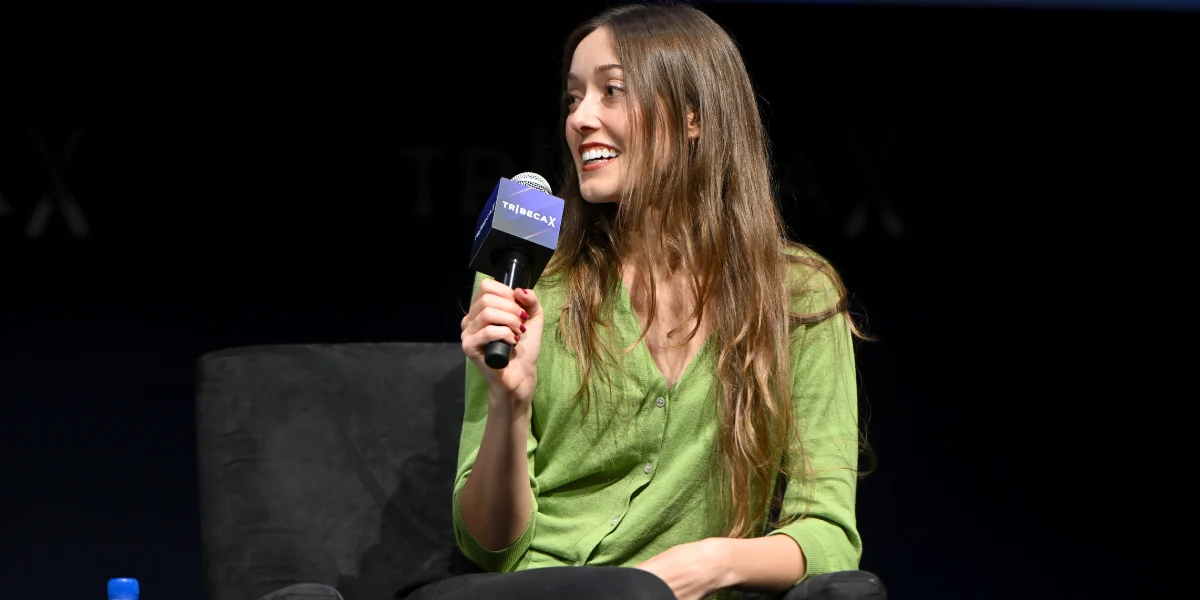
The intersection of personal identity and creative output has reached a new milestone with the recent revelation from Hannah McMechan, a co-writer of the Netflix animated feature KPop Demon Hunters. In a series of statements reflecting on the film’s production and its reception, McMechan disclosed that her own journey of coming out as bisexual occurred during the writing process, directly influencing the narrative arc of the film’s characters. This development highlights a growing trend in the entertainment industry where authentic lived experiences are increasingly integrated into mainstream storytelling, particularly within the genres of animation and musical cinema.
The Intersection of Narrative and Reality in KPop Demon Hunters
KPop Demon Hunters, a high-octane animated film following a world-renowned K-pop girl group that balances their musical careers with a secret life as supernatural warriors, has garnered attention for its vibrant visuals and themes of identity. Central to the film’s emotional core is the character Rumi, whose storyline involves navigating deep-seated secrets and the eventual liberation that comes with self-disclosure.
McMechan has noted that while the initial drafts of the screenplay were not explicitly designed to be a queer allegory, the story evolved in tandem with her personal life. During the 2020 global pandemic lockdowns, a period that sociologists have identified as a significant era for self-reflection and identity shifts among the general population, McMechan began to recognize her own bisexuality. As she underwent the process of coming out to her peers and family, she found that the challenges she faced—specifically resistance from a religious upbringing—mirrored the friction Rumi experiences with her adoptive mother in the film.
The parallel between the creator and the creation has resonated deeply with the film’s audience. Since its debut on Netflix, the production has seen a surge in engagement from LGBTQ+ viewers who have identified the "coming out" subtext within the demon-hunting metaphor. McMechan has publicly acknowledged the gratification of seeing queer fans embrace the characters, noting that the visibility of the community at fan events and through social media engagement validates the authenticity of the writing.
Statistical Representation and Voice Casting Authenticity
The commitment to queer representation in KPop Demon Hunters extends beyond the writing room and into the vocal performances. Industry data suggests that audiences are increasingly demanding "authentic casting," where the identities of voice actors align with the characters or the themes they represent.
In this production, a significant portion of the primary talent identifies as LGBTQ+. May Hong, who provides the speaking voice for the character Mira, and Rei Ami, the singing voice for Zoey, are both members of the queer community. When accounting for McMechan’s role as a primary writer, the production demonstrates a high level of queer involvement compared to traditional animated features. Statistics from GLAAD’s "Where We Are on TV" and "Studio Responsibility Index" indicate that while LGBTQ+ representation is rising, it often lacks in behind-the-scenes roles; KPop Demon Hunters serves as a counter-example to this trend.
The Broader Landscape of LGBTQ+ Media in the Current Production Cycle
The revelations surrounding KPop Demon Hunters arrive during a broader surge in LGBTQ+ visibility across various media platforms. Several major productions have recently announced cast updates and narrative shifts that emphasize queer identities, reflecting a shift in how studios approach diversity.
Television and Streaming Developments
The critically acclaimed series Only Murders in the Building has confirmed a substantial expansion of its cast for the upcoming sixth season. The production has secured several high-profile British actors known for their work in queer-coded or explicitly LGBTQ+ roles. Nicola Coughlan, who rose to fame in Derry Girls and Bridgerton, joins the cast alongside Jodie Whittaker, the first woman to portray the lead in Doctor Who. Other additions include Anjana Vasan of We Are Lady Parts and Geri Halliwell-Horner. The inclusion of David Tennant, a vocal advocate for LGBTQ+ rights, further solidifies the production’s alignment with inclusive casting practices.
In the realm of reality television, The Real Housewives of Atlanta recently broadcast an episode centered on Porsha Williams’ public coming out at Culture Con. This narrative choice reflects the reality TV industry’s move toward documenting more diverse personal journeys, moving beyond the scripted tropes of previous decades.
Furthermore, the expansion of the Ted Lasso universe continues with a new teaser focusing on a women’s professional football team. Industry analysts anticipate this storyline will explore the intersection of sports and queer identity, a subject that has seen increased interest following the real-world success and visibility of leagues like the NWSL and the WNBA.
Prequels and Reboots: Elle and Adults
The trend of revisiting established intellectual properties with a more inclusive lens is also evident in the upcoming Legally Blonde prequel series, titled Elle. The production has cast Gabrielle Policano, an openly queer actor, in a prominent role. This move is seen as an effort to modernize the franchise while maintaining the core themes of empowerment and self-discovery.
Similarly, the FX series Adults is scheduled to release a standalone prequel episode on July 31, preceding its second season premiere in August. The series has been noted for its grounded portrayal of young adulthood, frequently incorporating LGBTQ+ perspectives into its central narrative.
Cinematic Shifts and Historical Context
The evolution of queer representation is also being felt in the film industry through both new releases and retrospective analysis. Transgender actor Benny Zielke recently commented on his role in the latest installment of the Scary Movie franchise. Zielke emphasized a shift in the series’ comedic philosophy, stating that the humor now targets societal prejudices rather than the transgender community itself. This marks a departure from early 2000s parody films, which frequently utilized marginalized identities as punchlines.
In a retrospective look at the 1992 classic Sister Act, actress Wendy Makkena provided new context for her character, Sister Mary Robert. Makkena stated that she performed the role with the internal motivation of the character being subconsciously attracted to Deloris (Whoopi Goldberg). This revelation contributes to the ongoing discussion regarding "queer coding" in 20th-century cinema, where queer themes were often hidden or implied due to studio restrictions or societal norms.
Music and Philanthropy: The Role of Public Figures
Beyond the screen, high-profile figures in the music industry are leveraging their platforms to support LGBTQ+ causes. Ariana Grande has announced the launch of the Brighter Days Ahead Foundation. This charitable organization is specifically designed to protect and advance LGBTQ+ rights through legal support and community funding, arriving at a time when legislative challenges to queer rights have increased in several jurisdictions.
Hayley Kiyoko, often referred to by fans as the "Lesbian Jesus" for her early and consistent advocacy, is currently developing a companion album for her upcoming film Girls Like Girls. Kiyoko has stated that the project will feature collaborations exclusively with queer artists, emphasizing the importance of creating an ecosystem of support within the music industry for LGBTQ+ creators.
Industry Implications and Future Outlook
The transparency of creators like Hannah McMechan and the proactive casting of queer actors in projects like KPop Demon Hunters signal a shift in the entertainment industry’s operational standards. Analysts suggest that the success of these projects is linked to "narrative authenticity"—the idea that stories resonate more deeply when the people telling them have a personal connection to the themes.
As the industry moves forward, the integration of LGBTQ+ identities is expected to transition from "specialized" content to a standard component of mainstream storytelling. The data from June 2026 book releases and upcoming television premieres suggests that the demand for diverse narratives remains high. For studios like Netflix, the investment in creators who bring their whole identities to the writers’ room is not only a matter of social responsibility but a strategic move to capture an increasingly diverse global audience.
The trajectory of KPop Demon Hunters, from a pandemic-era realization to a celebrated piece of queer-inclusive media, serves as a case study for the modern creative process. It highlights how the personal evolution of a writer can fundamentally shift the resonance of a project, transforming a standard genre film into a meaningful cultural touchstone for underrepresented communities.