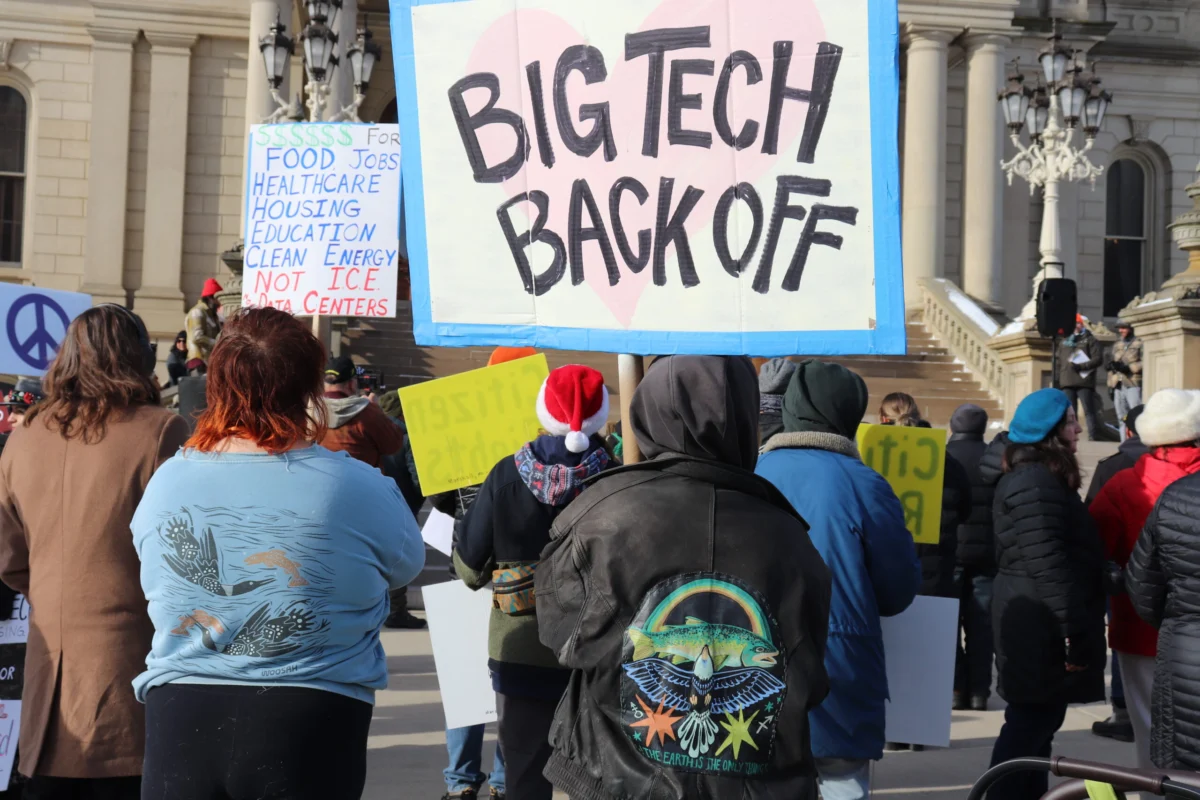
The rapid proliferation of artificial intelligence (AI) data centers across the United States has ignited a critical debate within Native communities, raising profound questions about environmental stewardship, cultural preservation, and the very essence of tribal digital sovereignty. As these massive digital infrastructure hubs expand, they cast a long shadow over Indigenous lands, demanding urgent attention to the complex interplay between technological advancement and the ancestral rights and well-being of Native peoples. This burgeoning crisis underscores a stark reality: the relentless pursuit of AI innovation often comes at a steep environmental and cultural cost, disproportionately borne by those who have historically been marginalized and exploited.
Data centers, the foundational infrastructure of our digital age, are vast facilities dedicated to the processing, storage, and distribution of immense volumes of data. Their role in powering modern digital services, including the rapidly evolving field of AI, cannot be overstated. The insatiable demand for AI capabilities directly translates into an ever-increasing need for these energy-intensive structures. However, the environmental footprint of data centers is becoming a significant concern, particularly for Tribal Nations situated within the United States, where the expansion of this technology is occurring at an unprecedented pace.
Within Indian Country, a vigorous debate is unfolding. At its core are deeply held concerns regarding the colossal energy resources required to power these centers, the subsequent environmental degradation, and the pervasive issue of cultural appropriation and intellectual property theft that has become a hallmark of AI development. While some Indigenous leaders and communities view data centers as a potential avenue for tribal advancement and economic development, others stand in firm opposition, viewing the technology as an extension of colonial practices that threaten to further disenfranchise and harm their people.
The Escalating Energy Demands of Artificial Intelligence
The United States currently hosts approximately one-third of the world’s data centers, a concentration that places an enormous strain on the nation’s energy infrastructure. These facilities are not merely energy consumers; they are voracious entities requiring vast amounts of electricity to operate and significant quantities of water for cooling systems. On average, a single data center can consume up to 2 megawatt-hours (MWh) of electricity per hour – an amount equivalent to the power consumption of a small town. In 2023, data centers accounted for over 4% of the total electricity consumption in the U.S., with projections indicating a potential surge to 12% by 2028, a stark testament to the escalating demands of the digital economy.
This surge in demand is already having tangible financial impacts on communities. Bloomberg News reported in January 2026 that electricity costs in areas surrounding new AI data centers have seen a dramatic increase of 267% in monthly charges compared to five years prior. This escalation is largely attributed to the necessity of expanding existing regional power grids to accommodate the immense needs of these facilities. The financial burden of these upgrades is frequently passed on to consumers, including urban Native communities, many of whom already face significant economic challenges.
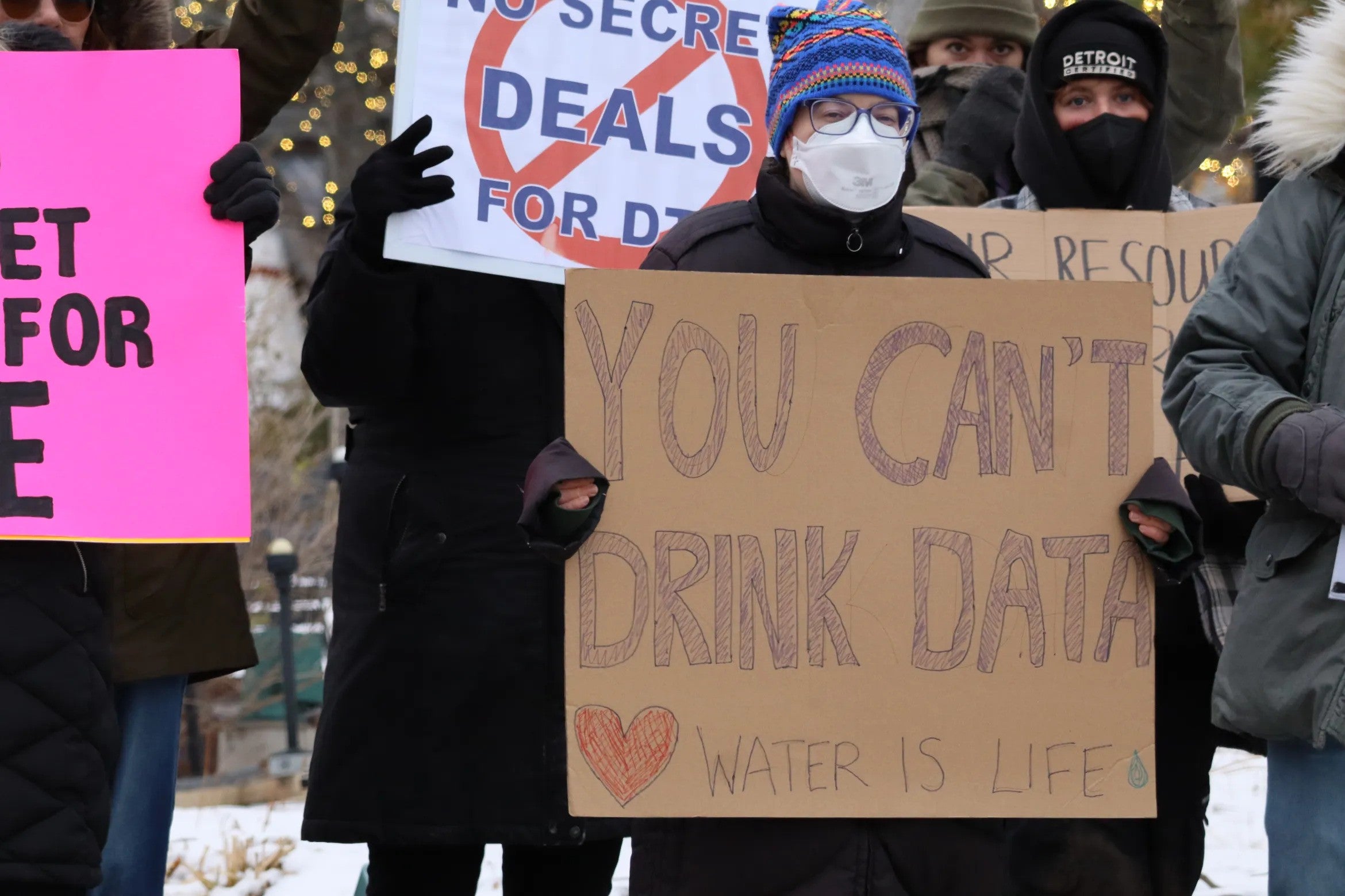
The policy frameworks in place often permit local energy utilities to raise customer utility fees to fund the massive infrastructure upgrades required by data centers. This translates to higher electricity rates for all consumers, including urban Native populations. It is crucial to note that over 70% of Native people in the U.S. reside in urban and suburban areas, many of which already grapple with elevated poverty rates. The added financial strain of increased utility costs exacerbates existing vulnerabilities and further marginalizes these communities.
To meet this burgeoning energy demand, utility companies are increasingly opting to construct new natural gas plants and delay the decommissioning of existing fossil fuel facilities. In Virginia, a state that leads the nation in data center concentration, one major energy provider is constructing a 1,000-megawatt natural gas plant in Chesterfield County, effectively abandoning prior plans to transition to renewable energy sources. According to data from Global Energy Monitor, the U.S. now accounts for nearly a quarter of the world’s new gas-powered energy development, with more than a third of this energy specifically earmarked for data center operations.
Beyond natural gas, there is a significant push towards expanding nuclear energy to power data centers. Meta, the global technology conglomerate, has emerged as one of the largest corporate purchasers of nuclear energy in U.S. history. The company has entered into several agreements with major energy providers to secure up to 6.6 gigawatts of nuclear power by 2035, signaling a significant shift in corporate energy procurement strategies.
In a move that has drawn considerable controversy, there are ongoing discussions about reopening the Three Mile Island (TMI) nuclear power plant in Pennsylvania. This defunct facility, site of a partial meltdown in 1979, currently stores a significant amount of high-level radioactive waste. If successful in its bid to restart operations in 2027, the plant would be rebranded as the Crane Clean Energy Complex, fueling Microsoft’s data centers. The irony of renaming a site associated with a nuclear disaster as a "clean energy" facility is not lost on critics.
The region surrounding the proposed TMI restart and the burgeoning data center industry has a history of environmental distress. The area has already endured the impacts of a significant fracking boom in the Marcellus and Utica Shales, leading to documented increases in cancer rates and other health issues, widespread environmental contamination of local water sources, and a decline in property values. For years, communities in Central Appalachia, an area encompassing the shale deposits and extending into New York near Native reservations such as the Onondaga, have been engaged in protracted struggles against numerous pipelines, petrochemical plants, and related export facilities.
Despite claims from the Office of Nuclear Energy under the U.S. Department of Energy that radiation exposure from the TMI incident was limited and resulted in no fatalities or adverse health impacts, research from Penn State College of Medicine has documented potential health consequences. Studies analyzing thyroid cancer tumor samples from individuals who lived near TMI at the time of the accident revealed a shift in cancer mutation patterns consistent with radiation exposure, rather than random causes. This evidence lends credence to the arguments of opponents who contend that government and industry entities are downplaying the risks associated with nuclear energy, including its environmental ramifications.

The expansion of nuclear power inevitably leads to an increased demand for uranium mining. Significantly, the largest uranium deposits in the United States are located on Native lands, such as the Navajo Nation. Globally, the most substantial uranium reserves are found on Indigenous territories in Australia. Communities in these uranium-rich regions frequently experience disproportionately high rates of cancer and have limited access to healthcare resources compared to other populations within these colonial nations.
The Military-Industrial Complex and Data Centers
The expansion of AI data centers is also deeply intertwined with the U.S. military-industrial complex. In December 2024, the University of Michigan announced an $850 million investment in a partnership with Los Alamos National Laboratory, the institution responsible for the development of the atomic bomb through the Manhattan Project. University officials stated their intention to build the "biggest, baddest, fastest computer in the world," with over 90% of its computational power slated for Los Alamos National Laboratory’s classified warfare projects. U.S. Secretary of Energy Chris Wright has lauded the nation’s buildup of AI infrastructure as the "Second Manhattan Project," a move that critics argue propels the world closer to nuclear conflict, with the burden falling on local communities and taxpayers. Historically, the U.S. government conducted 928 nuclear tests on Western Shoshone lands, making it the most heavily nuclear-bombed nation on Earth.
Cheyenne Morgan, a citizen of the United Keetoowah Band and Oglala Lakota and Coalitional Coordinator for Stop Data Colonialism, has voiced concerns about Project Clydesdale, a proposed data center development on the Cherokee Nation reservation near Owasso, Oklahoma. Morgan noted a significant disparity between the public messaging regarding the project and the information contained in industry and government documents. "Talk to your neighbors about data centers, find out what they know, file open records requests with your local, county, and state governments," Morgan urged, highlighting the need for community vigilance and transparency.
AI and the Critical Issue of Water Consumption
A July 2025 study conducted by the University of Michigan revealed that higher-density data centers rely on water-based cooling systems for optimal performance. As of the publication of this report, 22% of data center facilities utilize such systems. The water consumption of these centers is staggering, with most data centers using over 10 million gallons of water annually, and some exceeding this figure by hundreds of millions of gallons per year. Google’s data center in Council Bluffs, Iowa, for instance, consumes approximately 980 million gallons of water annually, equivalent to the yearly water usage of over 4 million households.
This immense water demand stands in stark contrast to the persistent lack of access to clean running water on many reservations. According to the Navajo Water Project, in 2019, 30% of residents on the Navajo Nation, the largest reservation in the U.S., lacked access to running water. In 2023, the U.S. Supreme Court ruled that the U.S. has no affirmative duty to the Navajo Nation to secure water, overturning a decision by the U.S. Court of Appeals for the 9th Circuit. The justices determined that the 1868 Treaty of Bosque Redondo did not establish a federal obligation to provide water infrastructure.
However, alternatives exist for more sustainable data center construction. Matthew Rantanen, a Cree descendant and Director of Technology for the Southern California Tribal Chairman’s Association, as well as co-chair for the Tech and Telecommunications Committee at the National Congress of American Indians, suggests that data centers can be built underground, utilizing the Earth’s natural cooling properties to mitigate heat generation. Furthermore, innovative airflow systems can be implemented to eliminate the need for water altogether. Rantanen explained, "I think in most of Indian Country, at least the opposition I hear, is all about the water, and I think secondarily it’s about the power grid that’s local to the region. The generative AI versions of data centers, such as those by Google, Facebook, Apple, Microsoft, and Amazon, these types of data centers use the most resources, but they don’t all have to be built this way."

Bridging the Digital Divide: Internet Access and Data Sovereignty
As is often the case, Tribes and Native peoples frequently bear the brunt of technological advancements without reaping their intended benefits. A 2020 report by the Government Accountability Office (GAO) conservatively estimated that 18% of individuals living on Tribal lands lacked access to broadband service, compared to just 4% in non-Tribal areas. Broadband availability is defined as speeds of 25 Mbps download and 3 Mbps upload or greater, excluding satellite service.
The GAO has also indicated that the Federal Communications Commission (FCC) has overstated broadband access on Tribal lands, as the data provided by the FCC is self-reported by broadband carriers. According to Rantanen, carriers can claim an entire census block as having coverage if they can connect just one individual to broadband. "That is not coverage, affordability, or reality," Rantanen stated, emphasizing the disconnect between reported data and lived experiences.
In 2021, the Executive Office of the President initiated efforts to coordinate federal Tribal broadband initiatives. However, the GAO found that these efforts "are not guided by a national strategy with clear roles, goals, and performance measures." Furthermore, the American Broadband Initiative (ABI), an intergovernmental effort to expand broadband access nationwide, "lacks a framework for addressing Tribal barriers that could also support implementing a national strategy."
Many Indigenous communities express significant concerns regarding cultural appropriation and data theft stemming from AI, as well as intrusive government surveillance. In response, some Tribes are proactively developing their own data centers. Rantanen noted that these smaller, localized centers are designed to consume minimal power and empower Tribes to exert control over their data. This allows them to avoid storing sensitive information, such as enrollment records, on external cloud servers that are vulnerable to data theft, use in AI training, and potential access through subpoenas or snooping by federal agencies like ICE or the FBI.
Tribal ownership and control of smaller, local data centers could not only enhance the safety and security of Tribal members but also contribute to environmental protection. Rantanen cautioned, "I think making big blanket statements about data centers can harm some of those smaller, very effective uses of the term." However, he also stressed the critical need for Tribes to develop robust policies related to data sovereignty, AI, and data storage and transmission to ensure the implementation of best practices for their communities. The proliferation of AI data centers presents a complex challenge, demanding a nuanced approach that prioritizes Indigenous rights, environmental sustainability, and genuine digital sovereignty.