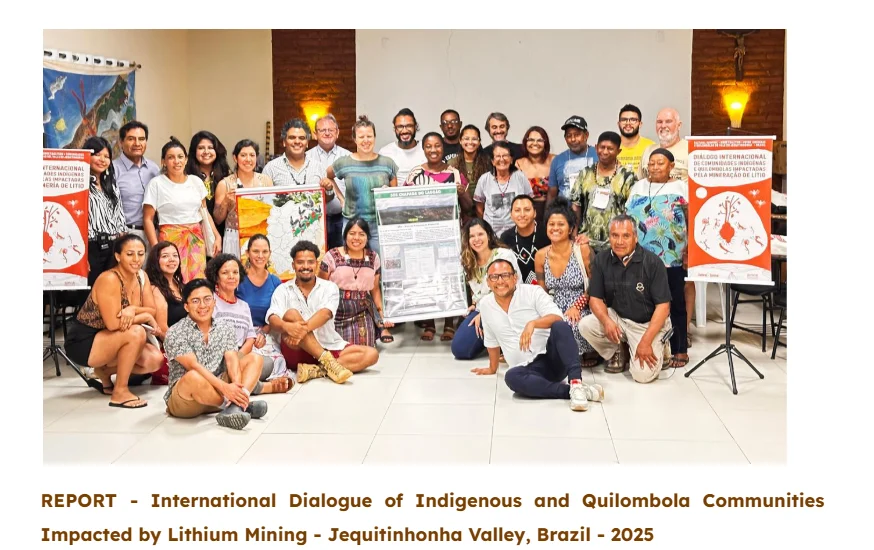
The Jequitinhonha Valley, a region in Brazil’s Minas Gerais state historically characterized by its arid beauty and the resilience of its Indigenous Peoples, Quilombola communities, and local populations, has become the focal point of a critical legal and environmental dispute. These communities, bound by shared cultural celebrations, religious practices, educational institutions, and the daily struggle for survival in a challenging landscape, have found themselves united once again, this time in pursuit of justice. Their fight is not for novel rights, but for the fundamental entitlements that have historically been overlooked: access to clean water, secure food sources, adequate healthcare, safe housing, the freedom of movement, and the inherent right to live with dignity on their ancestral lands.
This legal confrontation pits the claims of Sigma Mineração S.A., a company promoting itself as a pioneer in "green lithium" production, against the documented experiences and testimonies of the communities living in close proximity to its Grota do Cirilo lithium project. The case has escalated into a significant legal battle, questioning the very definition of a "just transition" and holding a mirror to the practices of responsible finance in the era of global decarbonization efforts.
The Genesis of Conflict: A Discrepancy in Narratives
Sigma Lithium has cultivated an international image as a leader in sustainable mining, emphasizing its role in providing essential materials for electric vehicles and the broader energy transition. Their corporate narrative, disseminated through investor presentations, ESG reports, and financial media, portrays an operation that is clean, efficient, and technically sophisticated, aligned with global efforts to combat climate change. This carefully constructed image is designed to attract investment and bolster its reputation as a responsible player in the burgeoning lithium market.
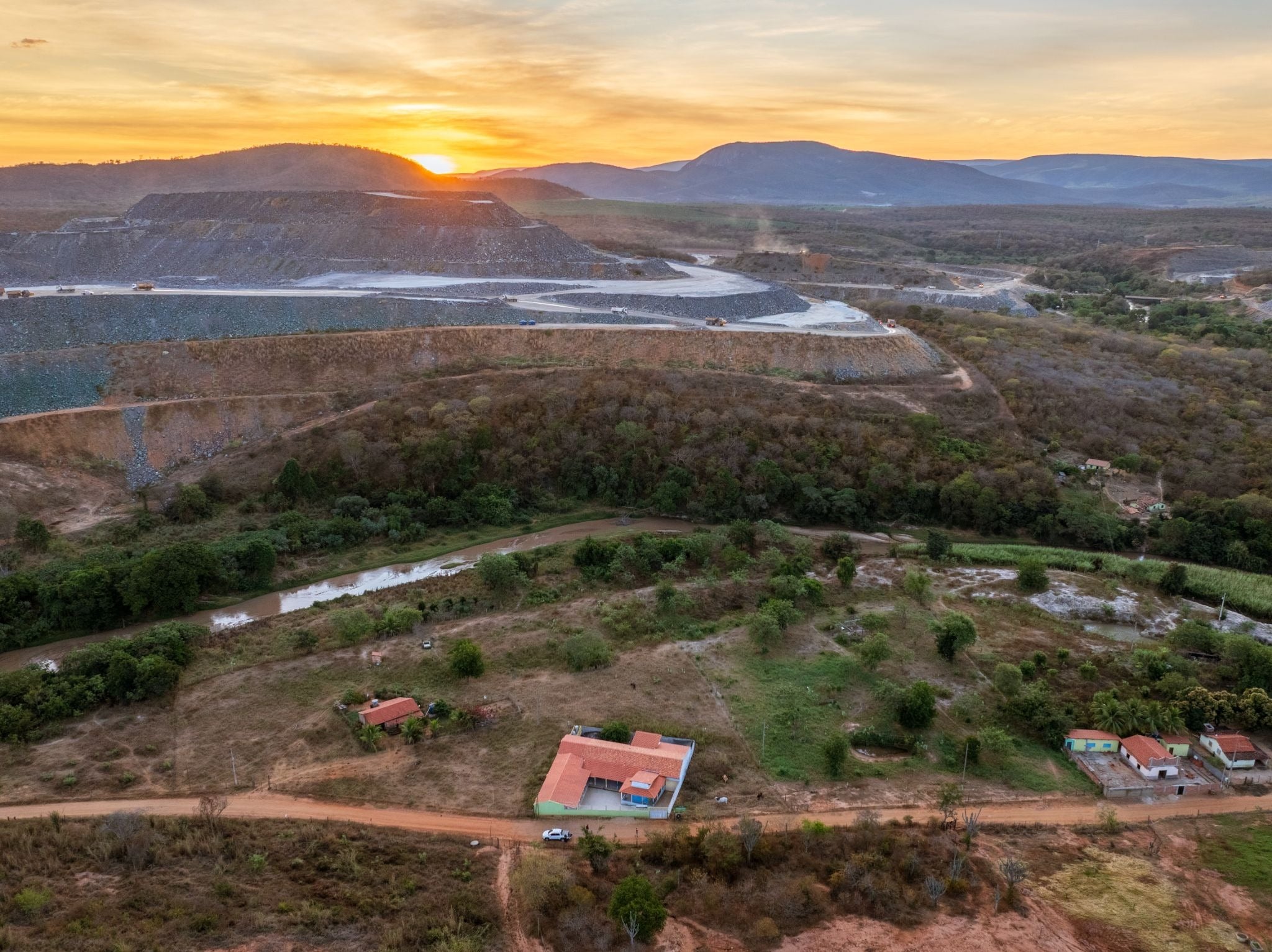
However, this polished corporate facade stands in stark contrast to the lived realities reported by the Indigenous and Quilombola communities of the Jequitinhonha Valley. For decades, these communities have navigated the delicate balance of their environment, and the arrival of large-scale mining operations has introduced a new set of profound challenges. Residents have spoken of incessant dust pollution, the jarring impact of constant noise and blasting that shakes their homes, and growing anxieties about water contamination. Reports of structural damage to houses, and a palpable fear for their health, have become commonplace. The local healthcare infrastructure, already strained, has been overwhelmed, with temporary tent facilities reminiscent of pandemic-era crises emerging outside hospitals to accommodate the influx of patients. Furthermore, communities have reported significant restrictions on their mobility, with access to their villages and traditional pathways being obstructed or controlled by mining infrastructure.
A Timeline of Escalation and Legal Intervention
The dispute began to gain formal traction as community concerns were amplified and documented. The Public Prosecutor’s Office of Minas Gerais, a body often perceived as conservative in its approach to such matters, initiated investigations. In 2023, their findings revealed a disturbing pattern of environmental and health violations attributed to Sigma Lithium’s operations. Their report highlighted that a staggering 87.5% of nighttime noise measurements, provided by Sigma itself, significantly exceeded legal limits. Moreover, levels of PM2.5 particulate matter – fine particles known to originate from high-energy activities like mining and pose serious health risks – were found to be above annual limits in monitored communities. The report also corroborated community accounts of structural cracks appearing in homes and documented instances of families being effectively geographically isolated by the expanding mining footprint. Alarmingly, the Pataxo and Pakararu communities reported unprecedented disturbances among local wildlife, leading to animal and insect behaviors that had never been previously observed.
This growing body of evidence formed the crux of the legal challenge. The central issue became the stark divergence between the company’s public pronouncements and the on-the-ground experiences of the affected populations, compounded by allegations of inadequate local governance and ethical concerns surrounding the company’s executives.
The legal battle formally entered a critical phase on May 17, 2026. Judge Patrícia Bergamaschi de Araújo, presiding over the 1st Civil Court of Araçuaí, issued urgent measures against Sigma Mineração S.A. The court’s decision acknowledged substantial indications of violations of fundamental rights, encompassing health, housing, and freedom of movement. While the court did not yet rule on the issue of Free, Prior, and Informed Consent (FPIC), a crucial right for Indigenous Peoples, as such claims in Brazil fall under federal jurisdiction, this initial ruling represented a significant victory for the communities. The court’s intervention was seen as a necessary step to halt the escalating harm.

Sigma Lithium appealed this decision. However, on June 3, 2026, the Court of Justice of Minas Gerais upheld most of the imposed obligations, preserving the key protective measures. The appeal, presided over by Judge Maria Inês Souza, largely confirmed the initial ruling, limiting its scope to the examination of a stay of execution.
The Broader Implications: ESG Under Scrutiny
This case has profound implications for the concept of "responsible finance" and the efficacy of ESG (Environmental, Social, and Governance) frameworks. Investors, development banks, and global markets are increasingly reliant on company-generated documentation, formal licenses, consultant reports, and ESG narratives as indicators of responsible practice. However, the Sigma Lithium case highlights the potential pitfalls of this approach. When these instruments are not independently verified and when they fail to adequately incorporate the voices and experiences of directly affected communities, they risk becoming incomplete or even misleading.
The discrepancy between Sigma’s "green lithium" narrative and the community’s reported grievances underscores a critical failure in due diligence. For investors, this gap is not merely an operational issue but a fundamental ethical and financial risk. The court’s decision, by reversing the burden of proof, signals a crucial shift. It recognizes that operational data, environmental studies, and monitoring records are largely controlled by the mining operator. Forcing communities or prosecutors to independently prove technical harm, especially when they are at an information disadvantage, is an unreasonable burden. This reversal of the burden of proof is a powerful precedent that could impact numerous other mining operations worldwide.
The case also exposes the limitations of current ESG practices. While many financial institutions believe they are supporting sustainable development and climate solutions, their reliance on company-provided data without direct community engagement means they may inadvertently be overlooking significant social and environmental risks. Partners like the Tallgrass Institute advocate for an "ESG+I" model, emphasizing the inclusion of Indigenous perspectives and ensuring that these principles are not merely theoretical but are actively implemented on the ground. The failure of many investors to connect with and speak directly to affected communities is a critical flaw in the current ESG paradigm.
The Power of Community Advocacy
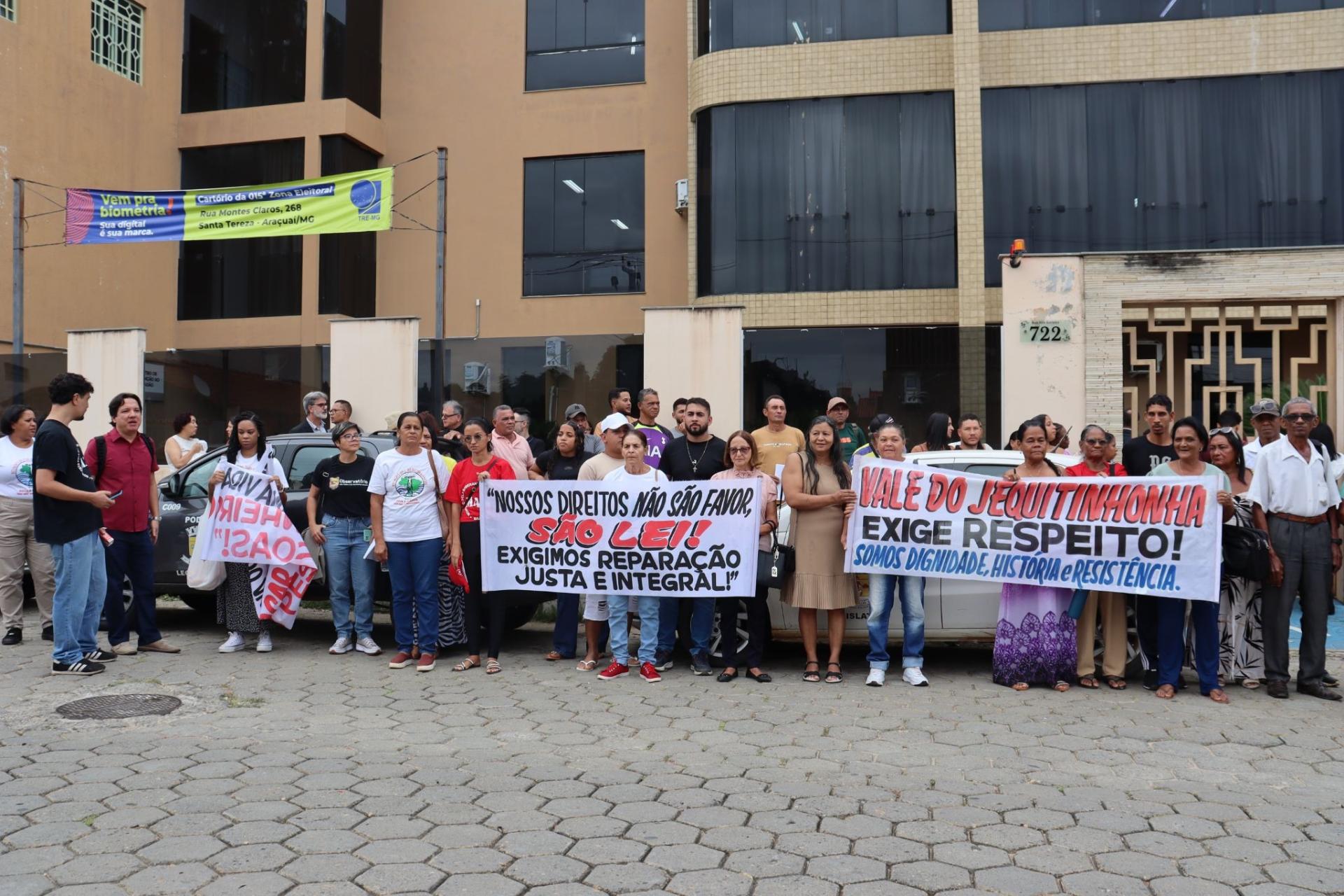
The legal victories in the Jequitinhonha Valley are not solely the product of legal processes but are the culmination of years of persistent community advocacy, supported by a broad coalition of national and international allies. The local Catholic bishop, leading the Integral Ecology Collective, alongside universities and local media outlets like Agencia Voz do Vale, have been instrumental in amplifying the communities’ voices. Civil society organizations and hundreds of national and international media outlets have brought attention to the issue.
In 2025, an international dialogue among communities impacted by lithium extraction, supported by Cultural Survival and the SIRGE Coalition, provided a platform for sharing experiences and developing unified strategies. This moment of solidarity and shared learning was pivotal. It demonstrated how communities can transform their lived experiences and collective strength into irrefutable public evidence, refusing to allow their territory to be reduced to a mere resource deposit. They assert that the Jequitinhonha Valley represents memory, water, art, culture, ancestry, and a vital future, embodying their very identity.
Community advocacy, therefore, should not be viewed as an impediment to investment but as an essential component of ethical business practices and genuine development. It serves as an invaluable early warning system, a form of democratic risk assessment that often uncovers truths that official reports may omit or obscure.
Five Takeaways for Investors
The ongoing struggle in the Jequitinhonha Valley offers crucial lessons for investors and financial institutions:

- Prioritize Direct Community Engagement: ESG frameworks must move beyond corporate-generated reports to include direct, meaningful, and ongoing engagement with affected communities. This means listening to their concerns, understanding their priorities, and incorporating their perspectives into decision-making processes.
- Demand Independent Monitoring and Verification: Relying solely on self-monitoring by mining companies is insufficient. Investors should insist on independent, publicly accessible, and continuous monitoring of environmental impacts, including dust, noise, vibration, water quality, and structural integrity.
- Understand the Limits of "Green" Claims: The pursuit of materials for the energy transition must not create new sacrifice zones. A truly "green" future requires that the production of these materials does not come at the cost of human rights, community well-being, or environmental degradation. The definition of "green" should not be solely dictated by corporations and markets but should encompass the perspectives of those bearing the environmental and social costs.
- Recognize FPIC as a Cornerstone of Responsible Investment: The principle of Free, Prior, and Informed Consent (FPIC) is not merely a legal formality but a fundamental requirement for ethical investment. Projects that proceed without genuine FPIC risk perpetual conflict and reputational damage. A FPIC agreement can foster durable peace and shift governance models from litigation-based to rights-based.
- Community Advocacy as a Risk Mitigation Tool: The power of community advocacy should be recognized not as an obstacle but as a vital tool for identifying and mitigating risks. Communities on the ground possess unique knowledge and insights that can preempt costly social and environmental crises. Their voices are an indispensable part of any comprehensive due diligence process.
The Path Forward: Redefining Responsible Finance
The Jequitinhonha Valley is not inherently opposed to progress or the future. The peoples of this region are advocating for a future where their lands are not transformed into environmental sacrifice zones. The argument for clean energy must be scrutinized when its foundation rests on contaminated water, harmed communities, and territories treated as disposable.
The critical question remains: who defines what is "green"? If the answer remains solely within the purview of corporations, markets, and financial institutions with questionable track records, then "responsible finance" will continue to be a mere sustainability brand. However, if the definition expands to include the voices of forest and water peoples, those who directly experience the impacts on their bodies, homes, rivers, and roads, then responsible finance has the potential to evolve into an accountable, rights-based system that truly distinguishes genuine transition from exploitative extraction.
The communities of the Jequitinhonha Valley, armed with water bottles and placards, have demonstrated the dignity of those who understand that rights are not favors. Their plea is clear: no profit is worth more than life. This message, articulated before the courts were compelled to intervene, should serve as a profound wake-up call for responsible finance, corporations, and all governing authorities. The ruling, while not a final judgment on all aspects of the case, represents a significant legal signal that the evidence against environmentally and socially questionable "green" projects is now too substantial to ignore.
The current compensation measures, including water infrastructure, livelihood funds, health monitoring, and governance committees, while mandated by the court, are not concessions but are the minimum cost of operating responsibly in a territory rich in water, food, and culture. Without these measures, and without a commitment to FPIC, the courts will remain a constant point of recourse, and global investors will continue to operate under the shadow of inevitable social and environmental crises, their reputations tarnished by the very extraction they claim to be mitigating. The path forward demands a fundamental reevaluation of how investments are made, prioritizing human rights and environmental integrity over short-term financial gains.