On February 4, 2026, Professor Kate Pickett, a leading figure in social epidemiology and co-founder of the Equality Trust, officially launched her latest work, The Good Society. The event, conducted virtually in partnership with the advocacy group Compass, drew an audience of over 500 participants, including policymakers, academics, and social justice advocates. The launch featured a high-profile panel of speakers, including Baroness Ruth Lister, environmental journalist George Monbiot, and Member of Parliament Caroline Lucas, who engaged in a comprehensive discussion regarding the systemic shifts required to foster a more equitable and sustainable social framework.
The publication of The Good Society marks a significant milestone in Professor Pickett’s career, which has spanned over two decades of research into the deleterious effects of economic inequality on public health and social cohesion. Since the 2009 release of her seminal work, The Spirit Level, co-authored with Richard Wilkinson, Pickett has argued that the scale of income gap within a society is a primary determinant of its overall well-being. The 2026 launch represents a continuation of this intellectual trajectory, offering a blueprint for structural reform in an era defined by overlapping economic and environmental crises.
Historical Context and the Evolution of the Equality Trust
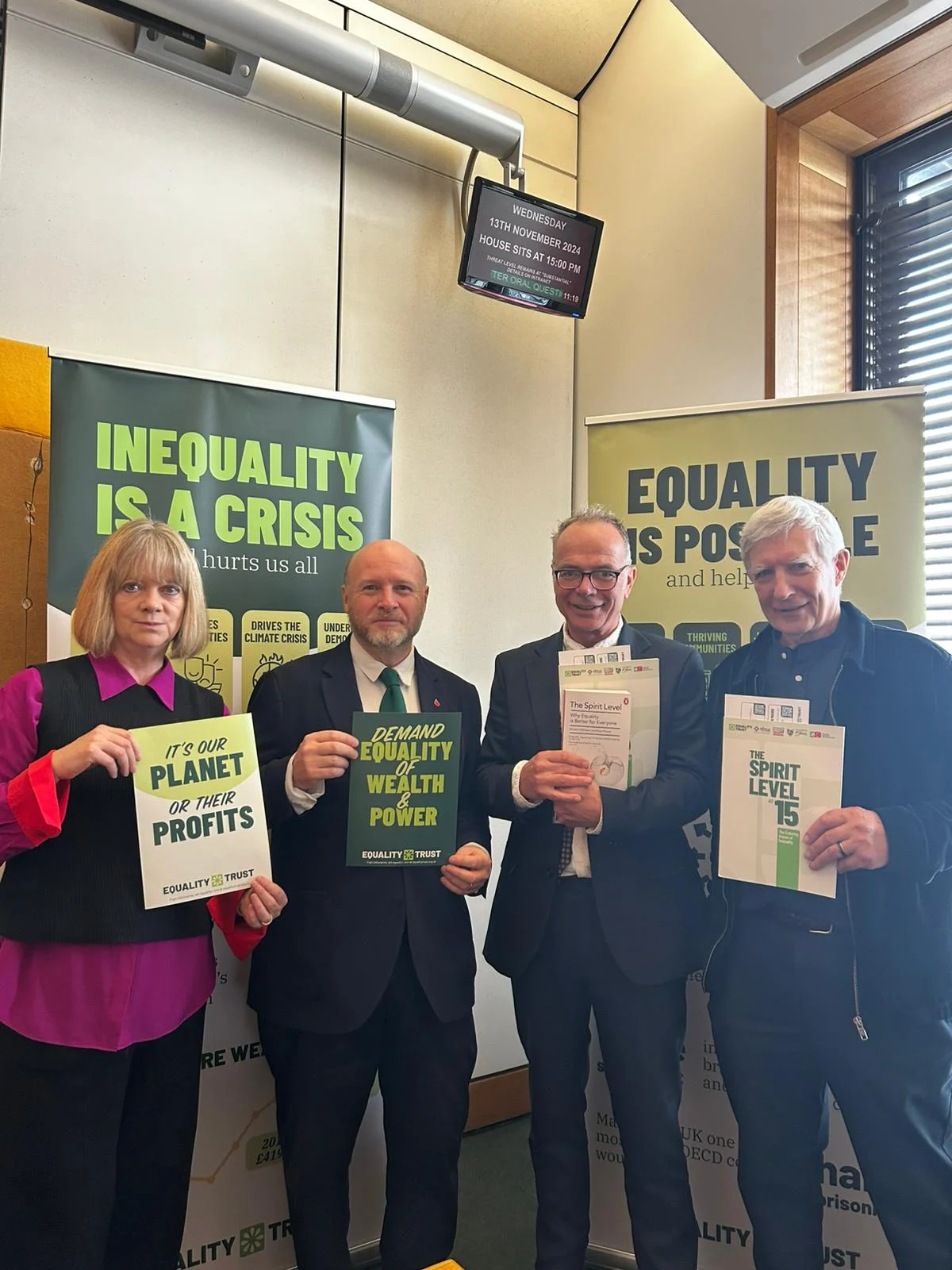
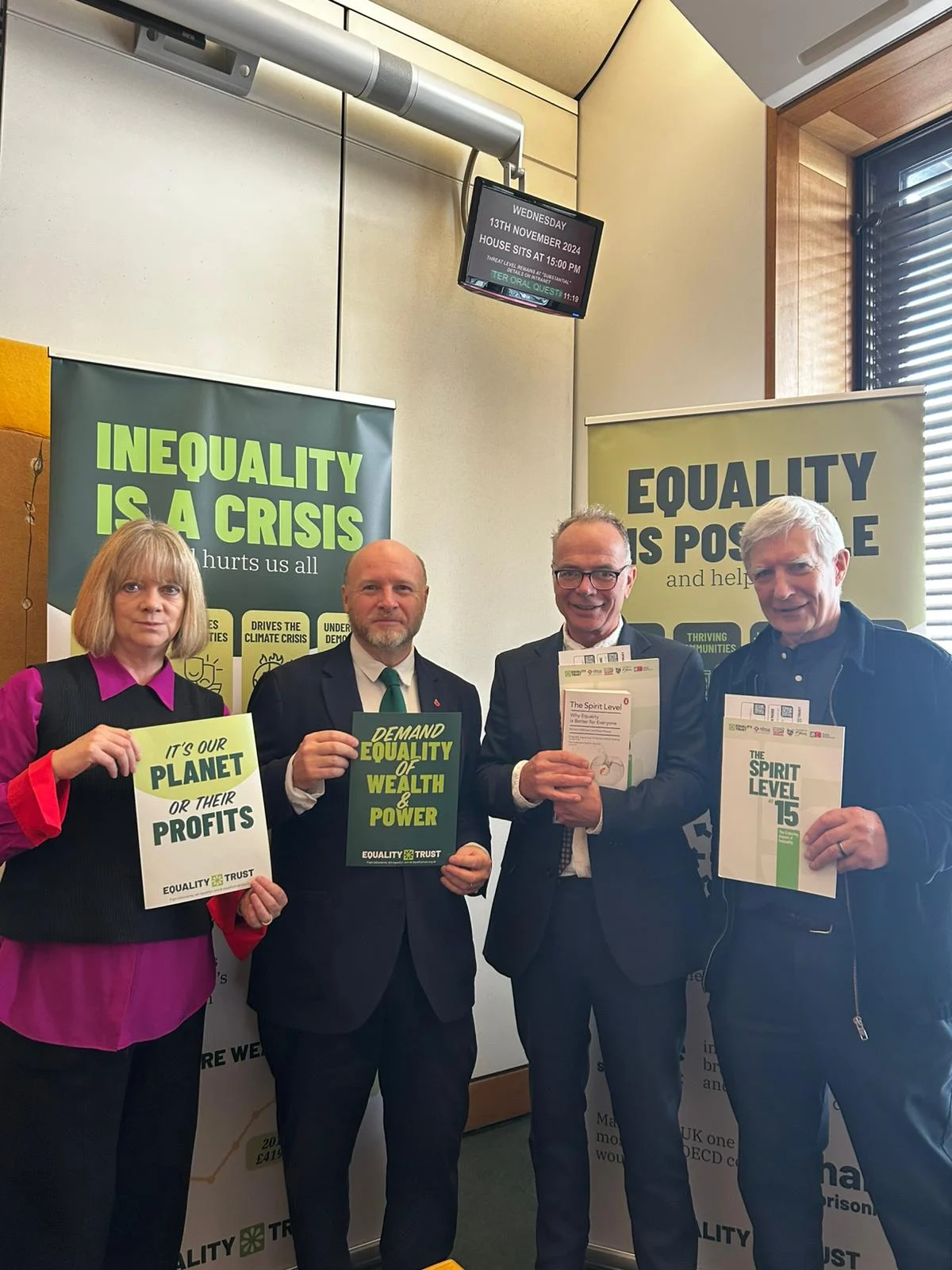
The launch of The Good Society is deeply rooted in the history of the Equality Trust, an organization Professor Pickett helped establish in 2009. The Trust was founded on the empirical evidence presented in The Spirit Level, which demonstrated that nearly all social and environmental problems—ranging from violence and obesity to teenage pregnancy and low levels of trust—are more prevalent in unequal societies.
Over the past 17 years, the Equality Trust has functioned as a central hub for campaigning and research, advocating for a reduction in income and wealth inequality in the United Kingdom. The organization has consistently highlighted that the UK remains one of the most unequal nations among the world’s high-income economies. By 2026, the discourse has shifted from merely identifying the symptoms of inequality to proposing concrete legislative and social frameworks, a transition that The Good Society seeks to formalize.
The involvement of Compass in the book launch underscores a strategic alliance between academic research and political activism. Compass, known for its focus on "the Good Society" as a political project, has long advocated for a transition toward a "well-being economy." The collaboration highlights a growing consensus among progressive thinkers that economic growth must be secondary to social and ecological stability.
Chronology of the Launch Event
The virtual event commenced with an introduction by the organizers at Compass, who framed the discussion within the context of the current global socio-economic landscape. Following the introduction, Professor Pickett provided a keynote overview of the book’s core arguments. She emphasized that the "Good Society" is not a utopian ideal but a practical necessity achievable through deliberate policy choices.
The subsequent panel discussion was structured around three thematic pillars:
- The Social Imperative: Baroness Ruth Lister addressed the intersections of poverty, dignity, and social security reform.
- The Ecological Imperative: George Monbiot discussed the inextricable link between extreme wealth concentration and environmental degradation.
- The Political Imperative: Caroline Lucas MP outlined the legislative hurdles and opportunities for implementing the reforms suggested in the book.
The final segment of the launch was dedicated to a moderated Q&A session with the 500-plus attendees. Questions focused on the feasibility of a Universal Basic Income (UBI), the role of trade unions in the 2020s, and the impact of artificial intelligence on wealth distribution.
Supporting Data: The State of Inequality in 2026
The launch of The Good Society arrives at a time when statistical data continues to highlight a widening chasm between the highest and lowest earners. According to recent economic indicators, the top 1% of households in the United Kingdom hold significantly more wealth than the bottom 50% combined. This concentration of resources has been linked to a stagnation in life expectancy and a rise in mental health disorders across various demographics.
Research presented by the Equality Trust ahead of the launch suggests that if the UK were to reduce its inequality levels to match those of more equal European nations, such as Norway or Denmark, the average citizen could see a measurable improvement in quality of life. For instance, high-inequality societies typically experience:
- Lower Social Mobility: Children born into low-income families are statistically less likely to move up the economic ladder.
- Reduced Educational Attainment: The gap in literacy and numeracy scores between rich and poor students is wider in unequal societies.
- Higher Incarceration Rates: There is a direct correlation between income disparity and the size of the prison population.
Furthermore, environmental data suggests that the carbon footprint of the wealthiest 1% is more than 30 times higher than that of the bottom 50%. The Good Society argues that tackling inequality is therefore a prerequisite for achieving international climate targets.
Perspectives from the Panel
The guest list for the launch reflected a multidisciplinary approach to social reform. Baroness Ruth Lister, an Emeritus Professor of Social Policy and a member of the House of Lords, has spent decades advocating for the rights of those living in poverty. During the event, she emphasized that a "Good Society" must be built on the foundations of respect and agency for all citizens, rather than a paternalistic welfare state.
George Monbiot, a prominent environmental activist and columnist, provided a critique of "neoliberal consumerism." He argued that the drive for infinite growth on a finite planet is fueled by the status-seeking behavior prevalent in unequal societies. Monbiot’s contribution highlighted the book’s assertion that social justice and environmentalism are two sides of the same coin.
Caroline Lucas, representing the political vanguard of the Green movement, discussed the need for "pre-distribution"—policies that prevent inequality from occurring in the first place, such as maximum wage ratios and democratic employee ownership—rather than relying solely on post-tax redistribution. She noted that the current political infrastructure often stifles the very innovations required to foster a more balanced economy.
Official Responses and Public Reception
The launch has garnered attention from various sectors of civil society. While the event was hosted by progressive organizations, the themes discussed have prompted responses from across the political spectrum. Proponents of the "Well-being Economy" movement have hailed the book as a vital roadmap for the next decade of governance.
In a statement following the event, a spokesperson for the Equality Trust remarked, "The overwhelming attendance at Professor Pickett’s launch demonstrates a profound public appetite for change. People are no longer satisfied with incremental tweaks to a failing system; they are looking for a vision of a society that prioritizes human and planetary health over raw GDP."
Critiques from more conservative think tanks have typically focused on the economic feasibility of the proposed reforms, questioning whether high levels of taxation and regulation might deter investment. However, Pickett’s research counters this by pointing to the "inequality drag," where extreme disparity actually hampers long-term economic stability by depressing demand and wasting human potential.
Broader Implications and Future Trajectory
The publication of The Good Society is expected to influence policy debates heading into the next general election cycle. By providing a data-driven argument for equality, Pickett offers a framework that bridges the gap between academic sociology and practical politics.
The implications of the book extend beyond the United Kingdom. As nations worldwide grapple with the fallout of global pandemics, inflation, and the climate emergency, the model of a "Good Society" provides a universal template for resilience. The book argues that by lowering the "social ceiling" and raising the "social floor," governments can create a buffer against global shocks.
In the coming months, the Equality Trust and Compass plan to host a series of follow-up workshops and regional events to translate the book’s theories into local action. The goal is to build a grassroots movement that can pressure central governments to adopt the metrics of well-being and equality as the primary indicators of national success.
As the recording of the launch becomes available to a wider audience, the discourse surrounding The Good Society is likely to expand. The event on February 4 served as both a celebration of Professor Pickett’s long-standing contribution to the field and a clarion call for a new era of social and economic thought. The 500 attendees who witnessed the launch represent a growing vanguard committed to the belief that a more equal society is not only possible but inevitable if the right structural choices are made today.