The past two years have marked an unprecedented period of upheaval, thrusting global workplaces into a rapid, large-scale experiment with new operational paradigms. The ongoing pandemic era has fundamentally reshaped perceptions of work and its future, prompting critical re-evaluation of established norms. This profound transformation has ignited a series of complex questions and generated evolving data, underscoring the necessity for comprehensive analysis across key dimensions: Purpose, People, Process & Policy, and Polarisation & Activism. This article delves into the critical shifts observed in workplace processes and policies, examining their implications for Diversity, Equity, and Inclusion (DEI) amidst a landscape of persistent ambiguity and rapid change.
The Shifting Sands of the Social Contract: A Post-Pandemic Reassessment
Periods of significant change often illuminate the inadequacies of the status quo, presenting invaluable opportunities for assessment, design, and experimental implementation of novel solutions. The COVID-19 pandemic served as a catalyst, drawing intense scrutiny to fundamental questions of where and how work is performed. This heightened awareness has initiated a dramatic renegotiation of the implicit social contract between employees and employers, challenging deeply entrenched practices and expectations.
Before the pandemic, many workplace norms, such as rigid office attendance, extensive commutes, formal dress codes, and an "always-on" availability culture, were largely accepted as unavoidable facets of professional life. However, the forced adaptation to remote and flexible work models exposed the systemic flaws and inherent inequities within these traditional structures. Workers now exhibit significantly lower tolerance for issues like "presenteeism"—the expectation of being physically present even when ill or unproductive—long and often costly commutes, and restrictive clothing policies. The pandemic also intensified focus on more profound concerns, including inadequate working conditions, unfair compensation practices, instances of abuse and discrimination, the pervasive yet often misleading belief in meritocracy, insufficient employee control over their work, and a widespread lack of psychological safety and well-being. Furthermore, disparities in family care responsibilities, particularly impacting women, became glaringly apparent, highlighting the absence of genuine gender equality in supporting caregiving roles.
This collective experience has peeled back layers, revealing that many pre-pandemic workplaces operated on outdated norms that were not only unhealthy but also increasingly incompatible with contemporary realities and employee expectations. The imperative for organizations to redefine and clearly articulate their policies concerning work location, hours, and methodologies has never been more urgent.
The Epicenter of Change: Work Location and Flexible Models
Among the most significant policy shifts is the redefinition of work location. Emerging data, while sometimes appearing contradictory, consistently indicates a substantial desire among various demographic groups to continue working remotely. Studies across multiple nations, including the United States, project a sustained prevalence of hybrid and remote work models. For instance, research from the Economic Strategy Group projected that post-pandemic, approximately 20-25% of all workdays would remain remote, a significant increase from pre-pandemic levels. The Future Forum Pulse report further highlighted that the desire for flexible work is particularly strong among women, working parents, and employees of color, groups that have reported notable improvements in employee experience scores while working remotely. This trend is poised to generate wide-ranging societal implications, fostering greater employee diversity, improving work-life balance, and expanding talent pools as geographical proximity and in-office presence diminish in importance.
However, the scale of employee expectation often surpasses the initially conservative proposals from some organizations. Estimates suggest that up to two-thirds of the global workforce anticipate more than one day of remote work per week, with a significant segment expressing a willingness to resign if remote work options are not offered as a norm. This sentiment marks a stark departure from the pre-pandemic era, where remote work often operated on an ad hoc basis, prone to managerial biases and a heavy decision-making burden on individual managers. This discretionary approach often discouraged employees from even requesting remote options, fearing it would signal a lack of commitment to their careers.
A 2019 global study by Lisa and Veronika Hucke, examining where and how work was done, revealed that senior males predominantly comprised the remote workforce. Working mothers often felt stigmatized for requesting flexible arrangements, while more junior staff, despite desiring remote work, hesitated to ask due to fears of being perceived as "not serious about their job." The pandemic, by normalizing remote work for virtually everyone, presented an unparalleled opportunity to rectify these systemic inequities and establish genuinely fair and inclusive policies.
The Peril of Isolation: Crafting Policies Inclusively
While establishing clear policies for work location is paramount, the process by which these policies are created holds equal, if not greater, significance. An approach designed in isolation, without robust input from the workforce, risks being ill-suited for its purpose, resulting in low acceptance, underutilization, and potentially exacerbating existing inequalities or creating new ones. A multi-country survey of knowledge workers by the Future Forum alarmingly revealed that 66% of executives were designing post-pandemic workforce policies with little to no direct input from their employees. This top-down methodology fostered a striking disconnect: 66% of executives expressed confidence in their transparency regarding these new policies, yet only 42% of employees agreed. Such a significant gap in perception often foreshadows policy failure, highlighting a profound missed opportunity to leverage the collective intelligence and experience of the very people these policies are designed to serve.
Engaging employees in an inclusive co-creation process is not merely a matter of good practice; it is a strategic imperative. It ensures that policies are relevant, practical, and perceived as fair, thereby increasing buy-in and successful implementation. This collaborative approach also integrates behavioral insights naturally, addressing potential biases and unintended consequences that a disconnected design process might overlook.
DEI at the Forefront: Implications for Equity and Belonging
The shifts in process and policy carry profound implications for Diversity, Equity, and Inclusion initiatives. The move towards flexible and remote work, if implemented thoughtfully, can be a powerful engine for increasing diversity. It can broaden talent pools beyond geographical constraints, enabling organizations to recruit individuals from diverse backgrounds, including those with caregiving responsibilities, disabilities, or who live in areas without access to traditional office hubs. For example, the reduction in daily commutes can significantly benefit individuals with mobility challenges or those living in remote rural areas. Flexible hours can empower working parents, particularly mothers, to better balance professional and family demands, potentially mitigating the "motherhood penalty" observed in career progression.
However, without careful design, flexible work can also inadvertently create new forms of exclusion. A poorly managed hybrid model, for instance, could lead to a two-tiered system where in-office employees receive preferential treatment, access to informal networking, and visibility, while remote workers experience career stagnation and feelings of isolation. This "proximity bias" poses a significant threat to equity, especially if certain demographic groups disproportionately choose or are compelled to work remotely. Therefore, policies must actively counter these potential biases, ensuring equitable access to opportunities, mentorship, and professional development regardless of work location. This includes investing in technology that facilitates seamless collaboration, establishing clear communication protocols, and training managers to lead diverse, distributed teams effectively and inclusively.
Furthermore, the heightened focus on psychological safety and well-being, prompted by the pandemic’s stressors, is directly relevant to DEI. Policies that prioritize mental health support, promote work-life balance, and actively combat discrimination and abuse create environments where all employees, particularly those from underrepresented groups, feel safe, valued, and able to thrive. Addressing the false belief in meritocracy through transparent and objective performance evaluation processes, independent of perceived "presenteeism," is also critical for equitable career progression.
Organizational Responses and the Path Forward
Organizations globally have responded to these shifts with varying degrees of success and commitment. Many initially adopted temporary remote work solutions, then gradually transitioned to hybrid models, often grappling with the complexities of managing a workforce split between physical and virtual environments. Forward-thinking companies have engaged in extensive employee surveys, pilot programs, and internal consultations to co-create policies that reflect the evolving needs and preferences of their workforce. These organizations recognize that a "one-size-fits-all" approach is no longer viable and that policies must be agile and adaptable.
HR departments, in particular, have been at the forefront of this transformation, tasked with redesigning everything from onboarding processes for remote hires to performance management systems that account for flexible work. Legal and compliance teams have navigated the complexities of cross-jurisdictional employment laws and data privacy in a distributed work environment. Leadership teams have faced the challenge of fostering culture and cohesion without constant physical proximity, necessitating new approaches to communication, trust-building, and employee engagement.
The collective call to action for the pandemic era is clear: organizations must critically assess whether existing policies align with current realities and future aspirations. This requires a data-driven approach, incorporating input from all levels of the organization to co-create solutions that integrate behavioral insights and are implemented with agile experimentation. Policies are not static documents but living frameworks that must evolve in response to ongoing feedback and changing circumstances.
Reflective Questions for DEI Practitioners
To navigate this dynamic landscape, DEI change-makers and leaders must ask critical reflective questions:
- How do our current processes and policies support or hinder equitable access to flexible work arrangements for all employees, particularly underrepresented groups?
- What data are we collecting on employee preferences and experiences with flexible work, and how are we using this to inform policy design?
- Are our policy-making processes inclusive, ensuring diverse voices are heard and incorporated?
- How are we addressing potential proximity bias in our hybrid models to ensure equitable opportunities for career growth and visibility for all employees?
- What training and resources are we providing to managers to effectively lead diverse, distributed teams and foster psychological safety?
- Are our compensation and benefits policies fair and equitable in a flexible work environment, considering factors like remote work stipends or reduced commute costs?
- How are we continuously evaluating and iterating our policies to ensure they remain fit for purpose in a fast-changing world?
Closing Notes: The Enduring Transformation
The insights shared in this analysis draw upon extensive research into pandemic-era workplace trends, including discussions and presentations such as the HR Master Class delivered by Lisa for Legal Island in September 2021, focusing on these very shifts and their implications for DEI. The journey through the pandemic has been one of forced innovation and profound introspection, revealing the resilience of organizations and individuals alike.
The transformation of workplace processes and policies is not a temporary adjustment but a fundamental reorientation. Organizations that embrace this reality, prioritizing inclusive co-creation, data-informed decision-making, and agile implementation, will be better positioned to attract and retain diverse talent, foster a culture of equity and belonging, and thrive in the future of work. The continued focus on DEI and inclusive leadership in this evolving landscape is not merely an ethical imperative but a strategic advantage.
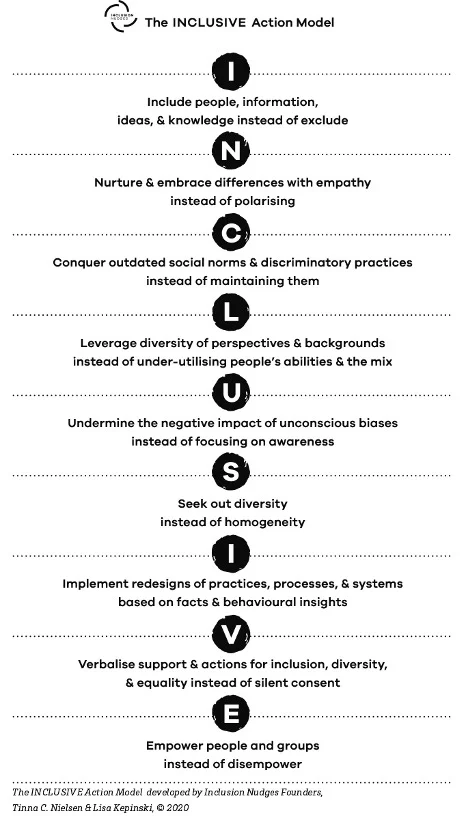
For organizations seeking expert advisory consulting, coaching, or speaking engagements on navigating these complex shifts, reaching out to specialized consultants can provide tailored strategies and insights to embed inclusion into the very fabric of new workplace models. This includes leveraging established frameworks and tools, such as Inclusion Nudges, which offer practical, behavioral science-based interventions to foster more equitable outcomes in areas like flexible working. Specific Nudges, such as "Reveal Gaps in Flexible Working to Increase Use by All," "Flexible Working as the Default & Norm," and "Default as ‘All Jobs Are 80% Jobs’," provide actionable guidance for leaders to operationalize inclusive policies and challenge outdated norms.
The pandemic has undeniably accelerated a paradigm shift, permanently altering our understanding of work. The challenge and opportunity now lie in intentionally shaping this new era to be more equitable, sustainable, and inclusive for all.