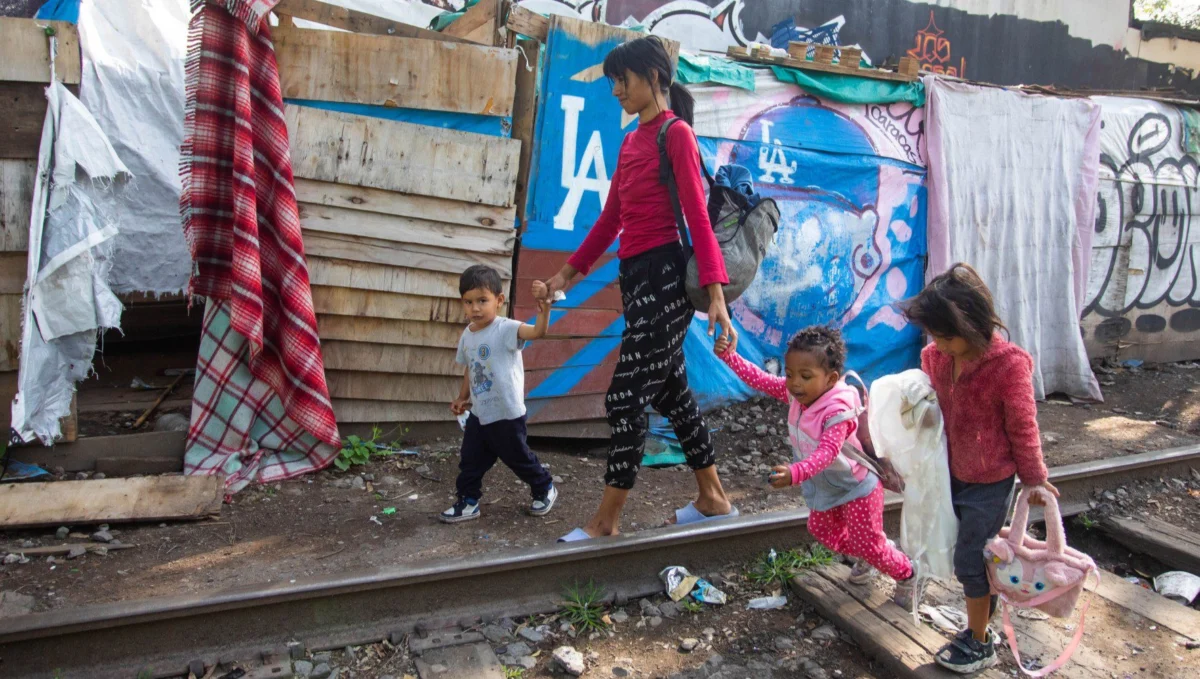
Protecting the safety and rights of refugees is not merely a matter of moral imperative; it is a fundamental legal obligation rooted in international treaties, domestic laws, and enduring humanitarian principles. For decades, the United States and other nations have committed to these obligations, establishing a framework designed to safeguard individuals fleeing persecution and violence. This article delves into the intricate legal architecture that underpins refugee protection, exploring its historical evolution, current challenges, and the vital importance of its preservation.
The Cornerstone of International Protection: The 1951 Refugee Convention
The concept of offering sanctuary to those displaced by conflict and persecution has a long history. However, it was the cataclysmic events of World War II and the Holocaust that galvanized the international community to codify these protections. The landmark 1951 Convention Relating to the Status of Refugees, and its subsequent 1967 Protocol, stand as the bedrock of contemporary international refugee law.
The Convention, adopted by the United Nations, provided the first universally recognized definition of a "refugee." It outlines the rights and legal status of displaced persons, establishing minimum standards for their treatment. Key among these is the principle of non-refoulement, a cornerstone prohibition against returning refugees to a country where their life or freedom would be threatened. The Convention also affirms the right of refugees to seek asylum in another country, and guarantees them access to essential services, including legal recourse, education, employment, and public assistance, all without discrimination based on race, religion, or nationality. The 1967 Protocol expanded the scope of the Convention, removing geographical limitations and ensuring its applicability to refugees fleeing persecution anywhere in the world.
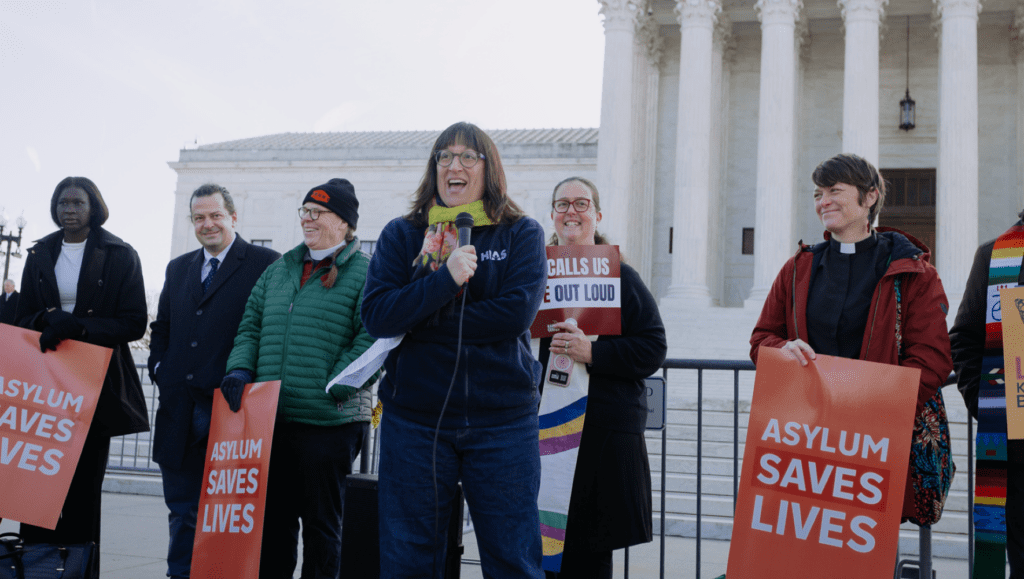
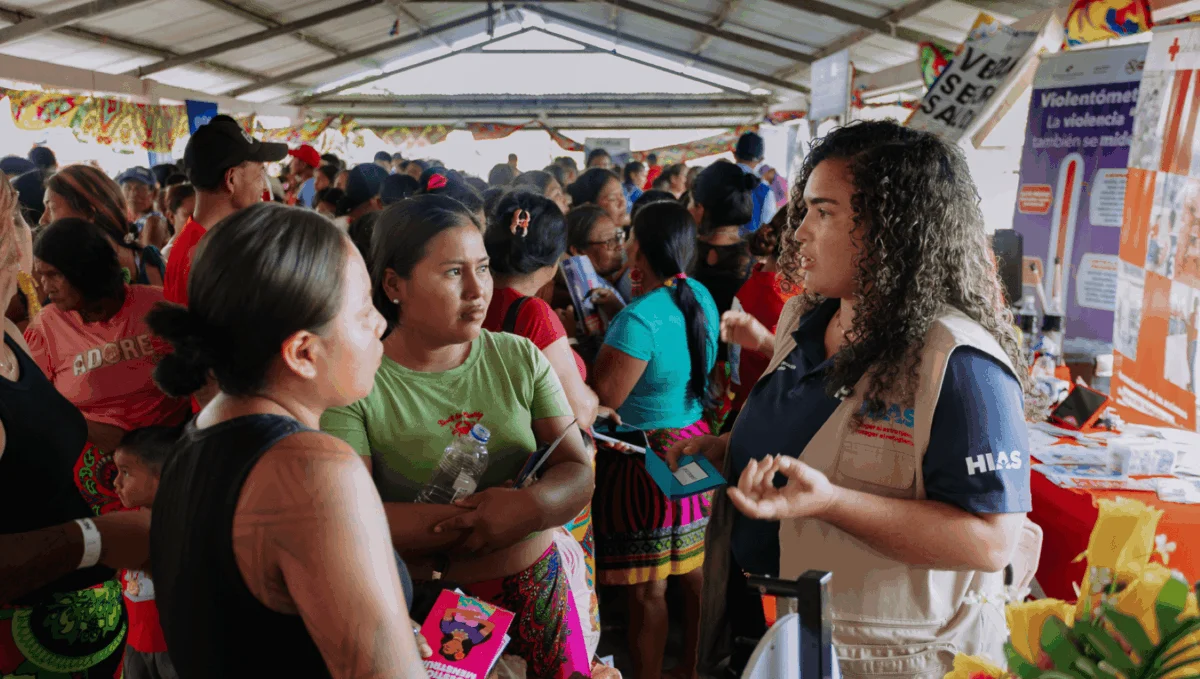
The United Nations High Commissioner for Refugees (UNHCR) plays a pivotal role in coordinating global efforts to protect and assist refugees. Organizations like HIAS (formerly the Hebrew Immigrant Aid Society) work in close collaboration with UNHCR, advocating for refugee rights and providing essential services to displaced populations worldwide. This collaborative approach ensures a more coherent and effective response to the complex challenges of displacement.
U.S. Legal Framework: A Commitment to Asylum and Resettlement
In the United States, the legal framework for refugee protection is primarily enshrined in the Immigration and Nationality Act (INA). Originally enacted in 1965, the INA has been amended to align with international standards. The Refugee Act of 1980 was a significant milestone, officially bringing U.S. law into conformity with the 1951 Refugee Convention and its Protocol. This act established the U.S. Refugee Admissions Program (USRAP), a systematic process for admitting refugees identified abroad and providing them with a pathway to permanent residency and eventual citizenship.
Under U.S. law, individuals physically present in the United States have the right to apply for asylum. Asylum seekers must demonstrate a well-founded fear of persecution in their home country based on one of five protected grounds: race, religion, nationality, membership in a particular social group, or political opinion. This process allows individuals who have reached U.S. soil to seek protection, even if they do not qualify for admission through the USRAP.
The USRAP, administered by the Department of State and the Department of Homeland Security, involves rigorous security and health screenings for applicants identified by UNHCR or other designated organizations. HIAS is one of several key resettlement agencies in the U.S., partnering with the federal government to assist refugees in rebuilding their lives upon arrival. Resettled refugees are granted the right to work, access public education, and apply for lawful permanent residency after one year. They also have the ability to petition for their immediate family members to join them in the U.S., reinforcing the nation’s commitment to family unity.

Challenges and Erosion of Protections: A Shifting Landscape
Despite these established legal obligations and frameworks, the landscape of refugee protection in the United States has faced significant challenges in recent years. The period surrounding the Trump administration (2017-2021) saw a concerted effort to curtail asylum access and reduce refugee admissions.
Timeline of Key Developments and Challenges:
- Early 2017: Shortly after his inauguration, President Trump signed an executive order that temporarily suspended the U.S. Refugee Admissions Program (USRAP). This abrupt halt left thousands of refugees in precarious situations and disrupted ongoing resettlement efforts.
- 2017-2020: The Trump administration progressively lowered the annual refugee admissions ceiling to historic lows. For fiscal year 2020, the ceiling was set at 18,000, a stark contrast to previous administrations that often admitted upwards of 70,000 refugees annually. Furthermore, the administration implemented policies that made it increasingly difficult for individuals to seek asylum at the U.S.-Mexico border, often referred to as the "transit ban" or "third-country asylum ban," which required asylum seekers to claim asylum in the first country they transited through.
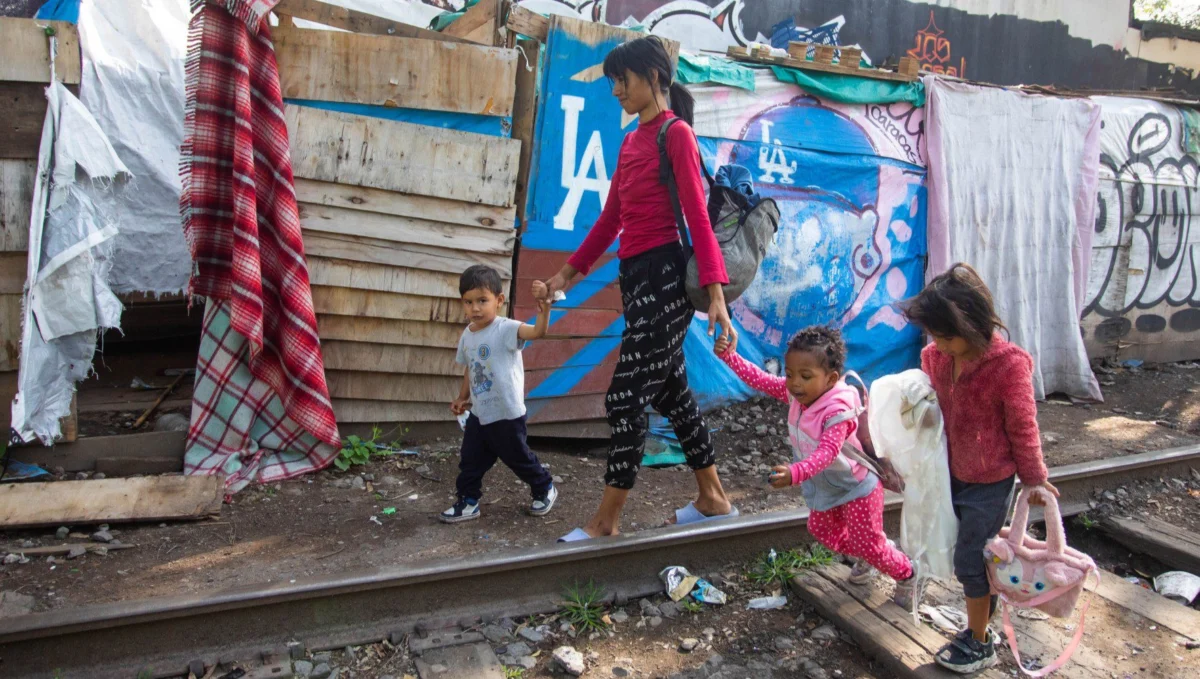
- 2018-2020: The administration introduced stricter "Remain in Mexico" policies (Migrant Protection Protocols), forcing asylum seekers to wait in Mexico for their U.S. immigration court dates, often in dangerous conditions. This policy led to significant humanitarian concerns and was eventually halted by the Biden administration, though legal challenges persisted.
- 2019-2020: The administration announced plans to re-evaluate previously approved refugee cases, creating anxiety and uncertainty for thousands of individuals already living in the U.S. This move was seen by many as an unprecedented and potentially unlawful step.
- Ongoing Legal Challenges: Throughout this period, HIAS and other organizations filed numerous lawsuits challenging the legality and humanitarian impact of these restrictive policies. These legal battles aimed to defend the rights of asylum seekers and refugees, seeking to restore access to protection and uphold established legal principles. For example, a lawsuit filed by HIAS and other organizations in 2019 challenged the Trump administration’s policy of barring asylum seekers from applying at ports of entry, a policy that was eventually blocked by federal courts.
The Broader Impact: Humanitarian Consequences and International Standing
The erosion of refugee protections has far-reaching consequences, impacting not only the individuals seeking safety but also the United States’ standing on the global stage.
Supporting Data and Implications:
- Reduced Admissions: From a high of over 110,000 refugees admitted in fiscal year 2016, admissions plummeted to below 11,000 in fiscal year 2020. This dramatic reduction meant fewer individuals fleeing war, persecution, and natural disasters found refuge in the U.S.
- Asylum Backlogs: Policies that created barriers to asylum processing, such as the "Remain in Mexico" program and increased scrutiny, contributed to massive backlogs in immigration courts. By early 2021, there were over 1.3 million pending asylum cases, leaving individuals in prolonged uncertainty and vulnerability.
- International Reputation: The U.S.’s actions drew criticism from international bodies, human rights organizations, and allied nations. A diminished commitment to refugee protection can undermine international cooperation on humanitarian issues and weaken the global refugee regime.
- Economic and Social Contributions: Refugees, once resettled, have historically made significant contributions to the U.S. economy and society. They fill labor shortages, start businesses, and enrich the cultural fabric of communities. Restrictive policies limit these potential contributions.
Advocacy and the Path Forward
Organizations like HIAS remain steadfast in their commitment to advocating for the rights of refugees and asylum seekers. Their work encompasses direct legal and social services, policy advocacy, and community mobilization. The legal battles and public awareness campaigns undertaken by these groups are crucial in reminding governments of their legal obligations and the profound human impact of their policies.
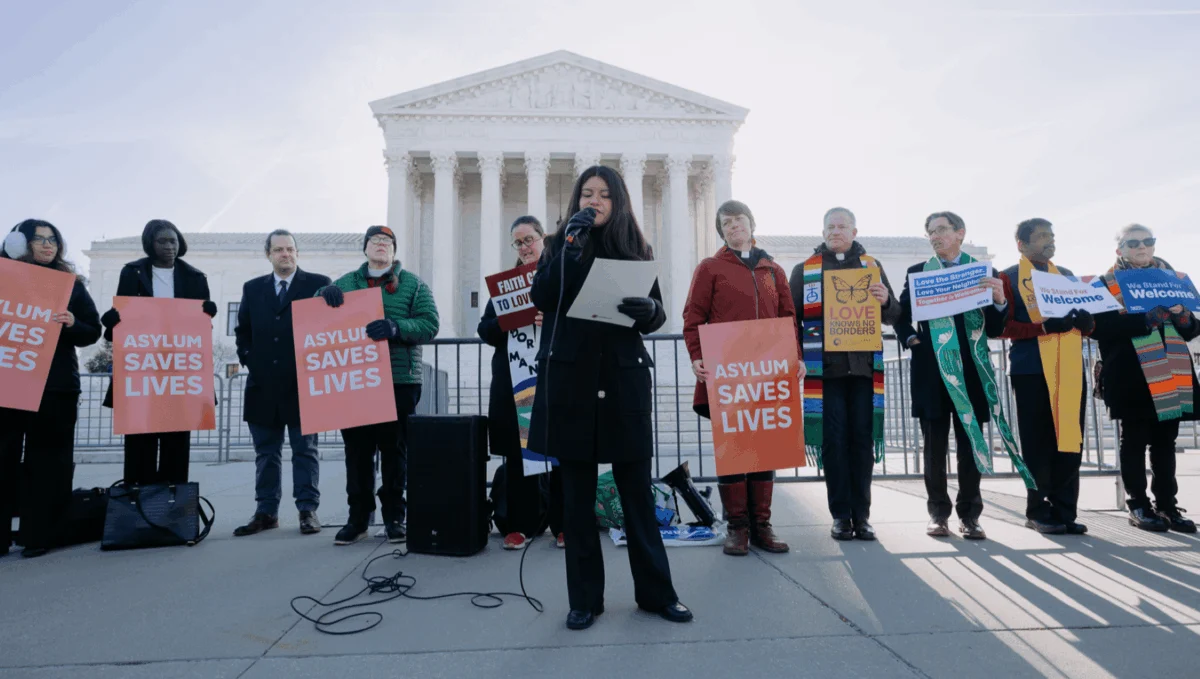
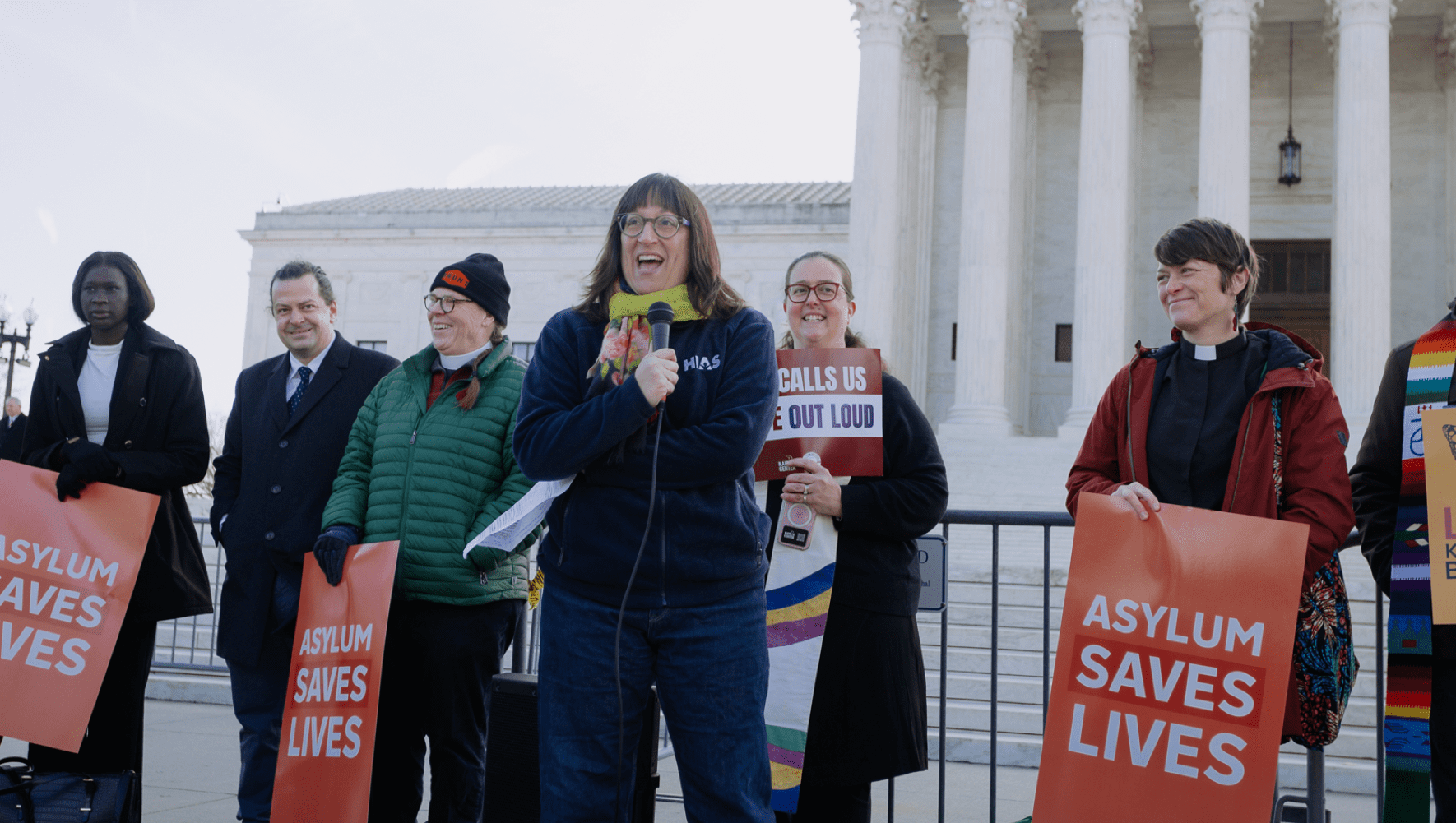
The Supreme Court case of Mullin v. Al Otro Lado, in which HIAS filed an amicus brief, exemplifies the ongoing legal struggles to define and uphold the right to seek asylum at the U.S.-Mexico border. Such cases are critical in determining the future of asylum law and the accessibility of protection for those fleeing unimaginable circumstances.
In conclusion, the legal framework for refugee protection is a complex but vital construct built on international consensus and domestic commitment. While recent years have presented significant challenges to this framework in the United States, the enduring principles of humanitarianism and the legal obligations enshrined in treaties and laws remain paramount. Continued advocacy, robust legal defense, and a renewed commitment to welcoming those in need are essential to ensuring that the promise of refuge is upheld for all who seek it. The future of asylum and refugee protection hinges on the collective will to defend these fundamental rights and to honor the legal and moral imperatives that guide our response to human displacement.