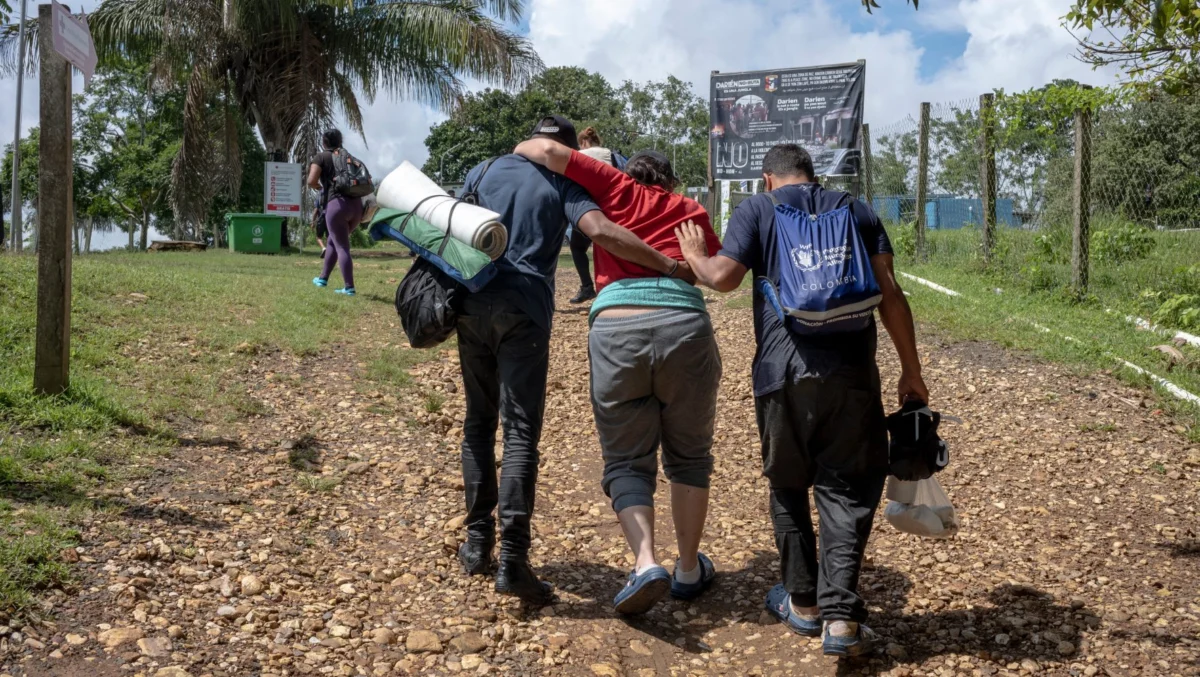
The annual observance of World Refugee Day on June 20, 2026, arrives as the global community grapples with a multifaceted displacement crisis. While recent data from the United Nations High Commissioner for Refugees (UNHCR) indicates a marginal decrease in the total number of forcibly displaced people, a deeper analysis reveals persistent challenges and stark realities that demand urgent attention. This year’s report card on global displacement, compiled by the UNHCR and released in conjunction with World Refugee Day, paints a complex picture of resilience, forced returns, and the ongoing need for robust humanitarian action.
A Welcome, Yet Troubling, Decrease in Global Displacement
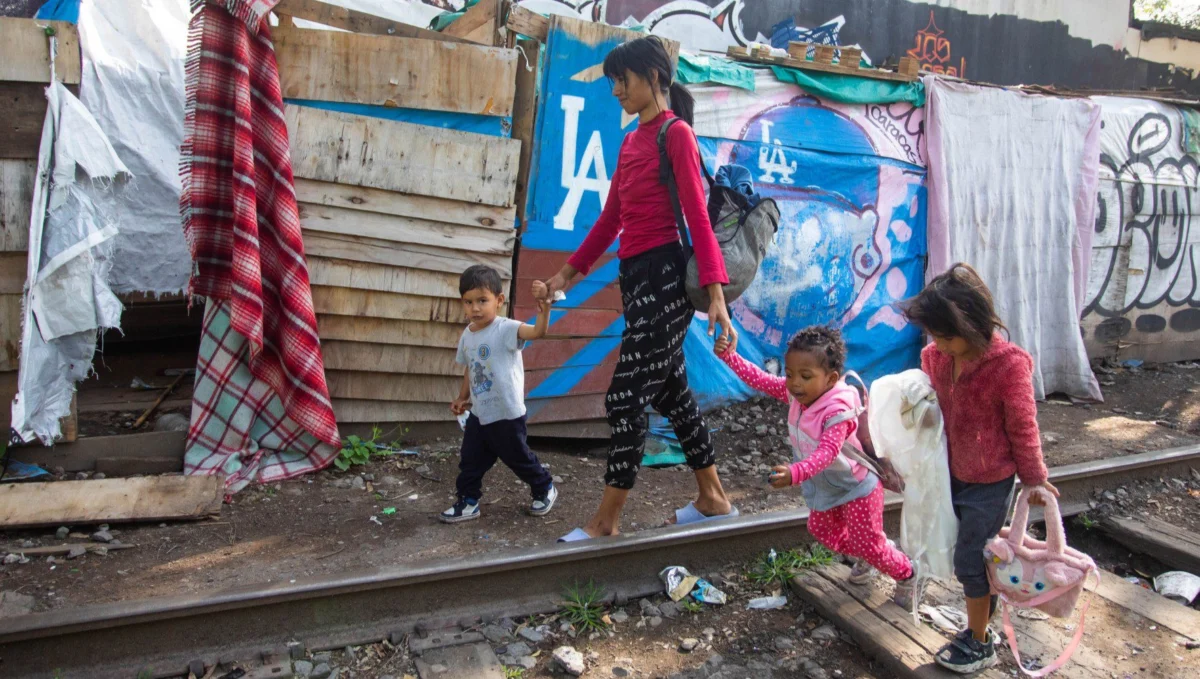
For the first time in recent years, the UNHCR’s Global Trends report for 2025 shows a reduction in the worldwide number of displaced individuals. The figure has dipped from 123 million in 2024 to 117.8 million at the close of the past year. This reduction, while statistically positive, is primarily driven by the return of nearly 15 million refugees and internally displaced persons (IDPs) to their home countries. However, the UNHCR cautions that a significant portion of these returns have occurred "under adverse circumstances." Many individuals are returning to areas grappling with ongoing insecurity, severely limited access to essential services, and damaged infrastructure. This raises critical concerns about the sustainability of these returns and the potential protection risks faced by those compelled to go back prematurely.
The report also highlights that millions have been newly displaced over the past year, underscoring the ongoing nature of conflict and instability. Currently, one in every 70 people globally is displaced. This stark statistic emphasizes that while celebrating the courage of those who have returned home, the international community bears a profound responsibility to ensure that any return is voluntary, safe, and dignified. For those who cannot yet return, robust protection in host countries remains paramount, preventing premature or coerced repatriation.
Protracted Crises Fueling Displacement and Unequal Burden-Sharing
The UNHCR data continues to underscore the protracted nature of many displacement crises. The majority of refugees in 2025 originated from a relatively small number of long-standing conflicts. Similarly, nearly half of all internally displaced persons (IDPs) in the same year hailed from just five countries: Sudan, Syria, and Afghanistan featured prominently on both lists. This concentration suggests that targeted diplomatic interventions and sustained peace-building efforts in these regions hold the potential to enable millions to return home safely and with dignity, should the conditions permit and they so choose.
Contrary to prevailing political narratives in some high-income nations, the report reveals a significant disparity in refugee hosting. Wealthier countries, despite their economic capacity, hosted only 29% of the world’s refugees in 2025. Conversely, low- and middle-income countries bore the brunt of the global refugee burden. Alarmingly, the least developed countries, which collectively represent a mere 1% of global GDP, provided refuge to nearly 26% of all refugees – a figure only marginally lower than that hosted by the world’s wealthiest nations.
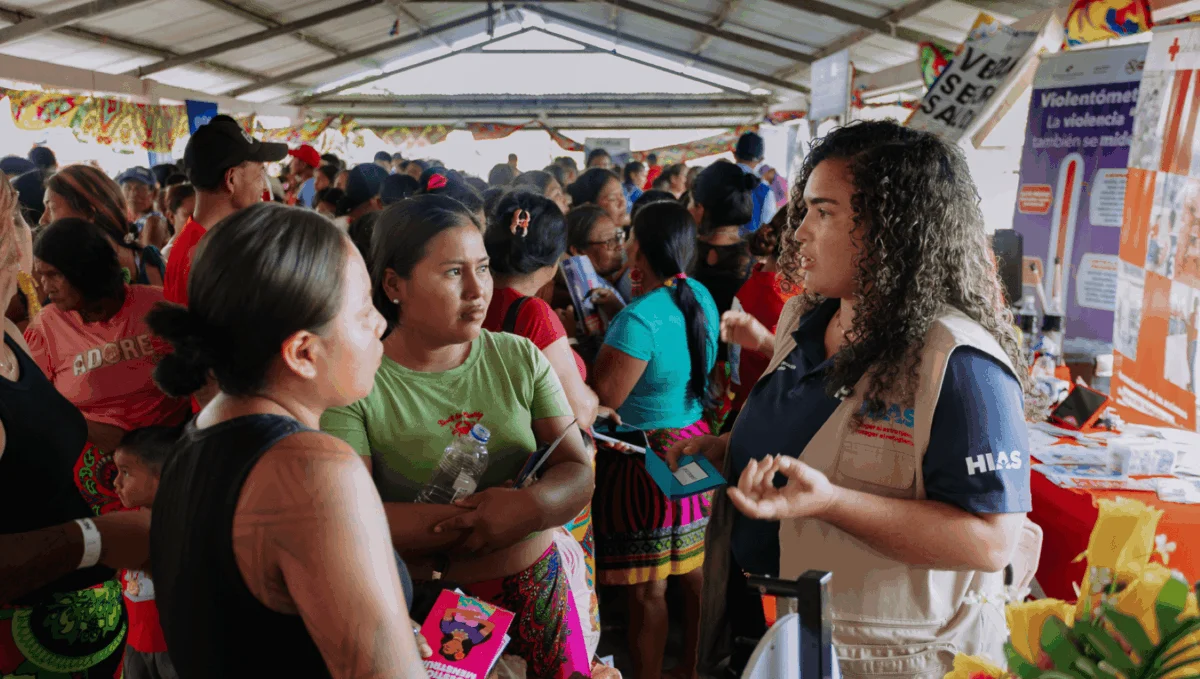
This unequal distribution of responsibility is further illuminated by the fact that just six countries host over one-third of all refugees and individuals requiring international protection. Colombia, a nation actively engaged in supporting Venezuelan refugees and migrants, Colombian returnees, and its own internally displaced population, topped this list in 2025, hosting an estimated 2.8 million displaced individuals. Chad, a long-standing partner of HIAS with over two decades of engagement, ranks sixth, accommodating 1.5 million displaced people. A significant number of these individuals are fleeing the escalating humanitarian crisis in neighboring Sudan, which has become the world’s largest displacement crisis.
In both Colombia and Chad, organizations like HIAS are playing a vital role by providing crucial economic empowerment programs and mental health support. These initiatives aim to help displaced individuals overcome the trauma of displacement and rebuild their lives. The experiences of these two nations, despite their own internal challenges, demonstrate the transformative potential that arises when protection is complemented by opportunities for self-sufficiency and recovery.
The Diminishing Lifeline of Resettlement
The 2025 data on refugee resettlement presents a sobering picture, particularly in the context of the United States’ role in global refugee admissions. For decades, the U.S. Refugee Admissions Program (USRAP) served as the world’s largest resettlement pathway. However, policy shifts implemented during the Trump administration have had a profound and lasting impact. Resettlement offers a critical lifeline to refugees who cannot safely return to their home countries and face acute risks in their countries of asylum, providing them with the chance to rebuild their lives in a third country with the eventual prospect of citizenship.
In 2025, despite an estimated 2.9 million refugees globally requiring resettlement, only 81,800 individuals were granted access to this vital pathway, representing less than 3% of the identified need. The United States was a primary driver of this dramatic decline, with its resettlement numbers plummeting by a staggering 89% from the previous year, admitting a mere 11,500 refugees.
While less pronounced, Canada also experienced a decrease in resettlement numbers, down 21% to 38,800 individuals in 2025. Australia, the third-largest traditional resettlement country, saw a modest increase of 9%, admitting 18,800 refugees. Although resettlement is a relatively small-scale solution compared to the vastness of global displacement, for the individuals who benefit from it, it is an indispensable and life-saving option. The need to protect and expand these pathways remains a critical imperative.
A Call to Action on World Refugee Day
World Refugee Day, observed annually on June 20, is not merely a day of remembrance but a call to action. It is a time to honor the extraordinary strength and resilience of forcibly displaced people worldwide. It is an occasion to recognize the invaluable contributions of both well-known refugee figures, such as scientist Albert Einstein, Olympian Yusra Mardini, and artist Marc Chagall – individuals whom HIAS has historically supported in their flight from persecution – and the countless unsung heroes: the teachers, nurses, construction workers, and service providers who enrich our communities daily.
However, World Refugee Day must also serve as a period for critical introspection and a reassessment of global commitments. The UNHCR’s annual report provides a vital barometer of the international community’s progress in addressing the global displacement crisis. The data for 2025, while showing a marginal decrease in the total displaced population, reveals significant underlying challenges that demand immediate and sustained attention.
The sheer scale of the challenge remains immense. The global displaced population has nearly doubled in the past decade. This trend underscores the urgent need for a comprehensive approach that addresses the root causes of forced displacement, including conflict resolution, sustainable development, and the promotion of human rights.
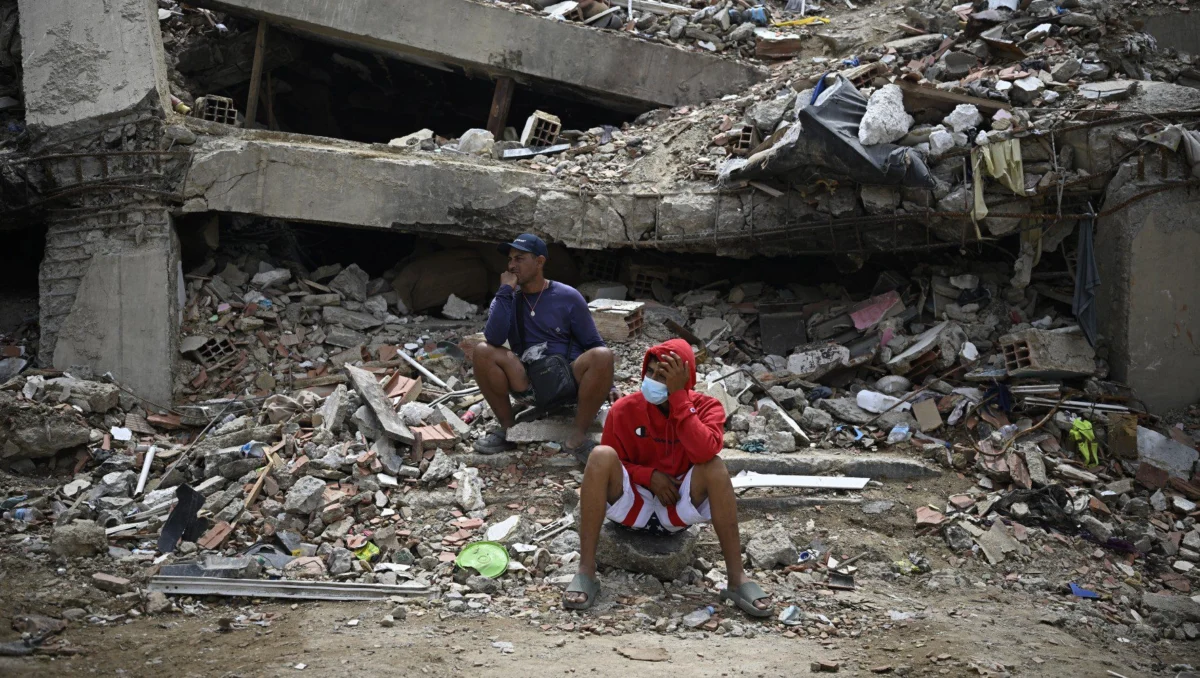
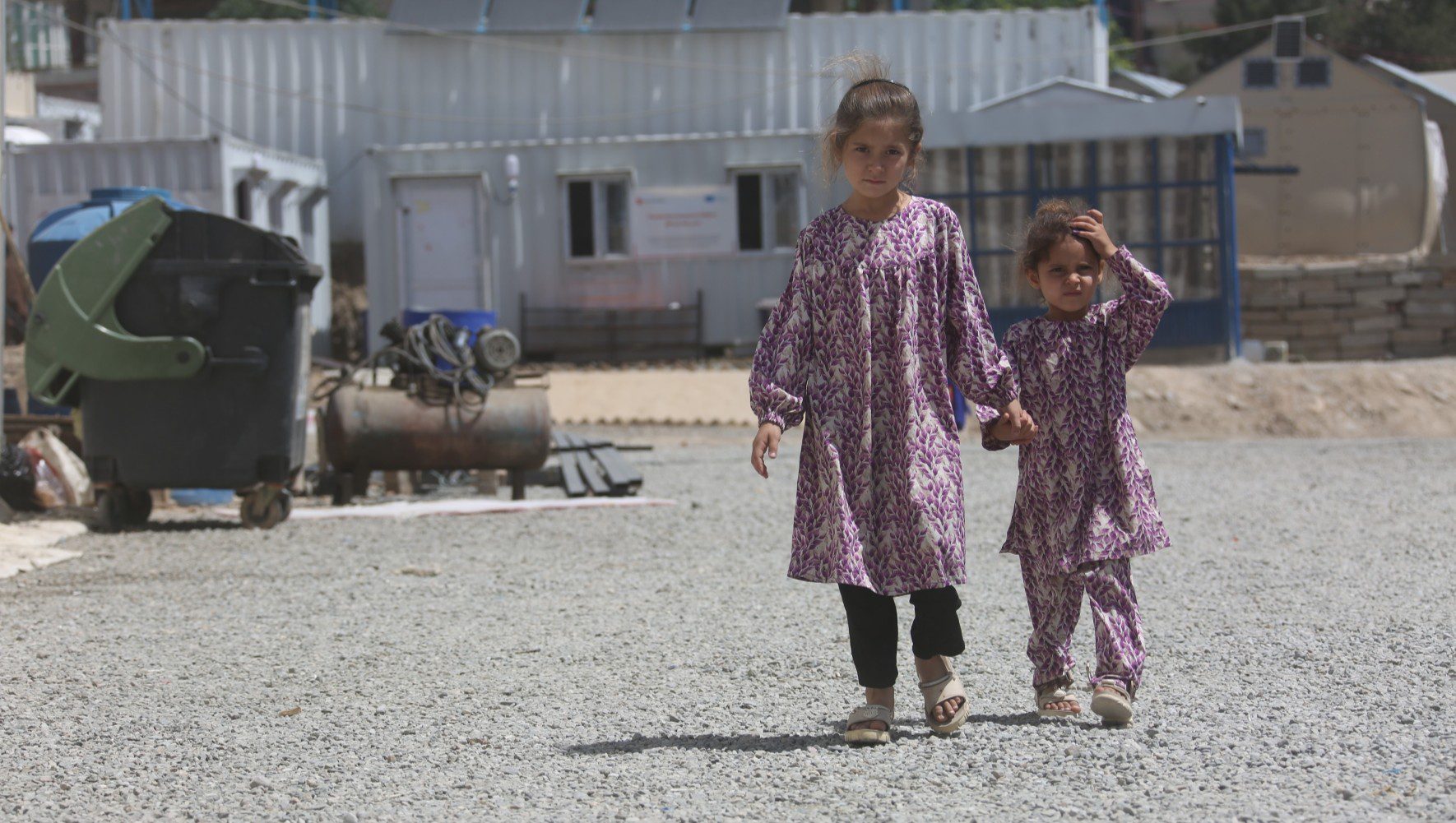
The situation in Afghanistan, for instance, remains a critical concern. The recent influx of Afghan returnees from Pakistan and Iran, numbering over 85,000 in the past couple of weeks alone, as depicted in the accompanying image of makeshift camps in Kabul, highlights the ongoing humanitarian pressures within the country. These returns, often occurring under duress, place an immense strain on already fragile infrastructure and limited resources, exacerbating the humanitarian crisis and the need for international support.
Looking Ahead: The Path to Sustainable Solutions
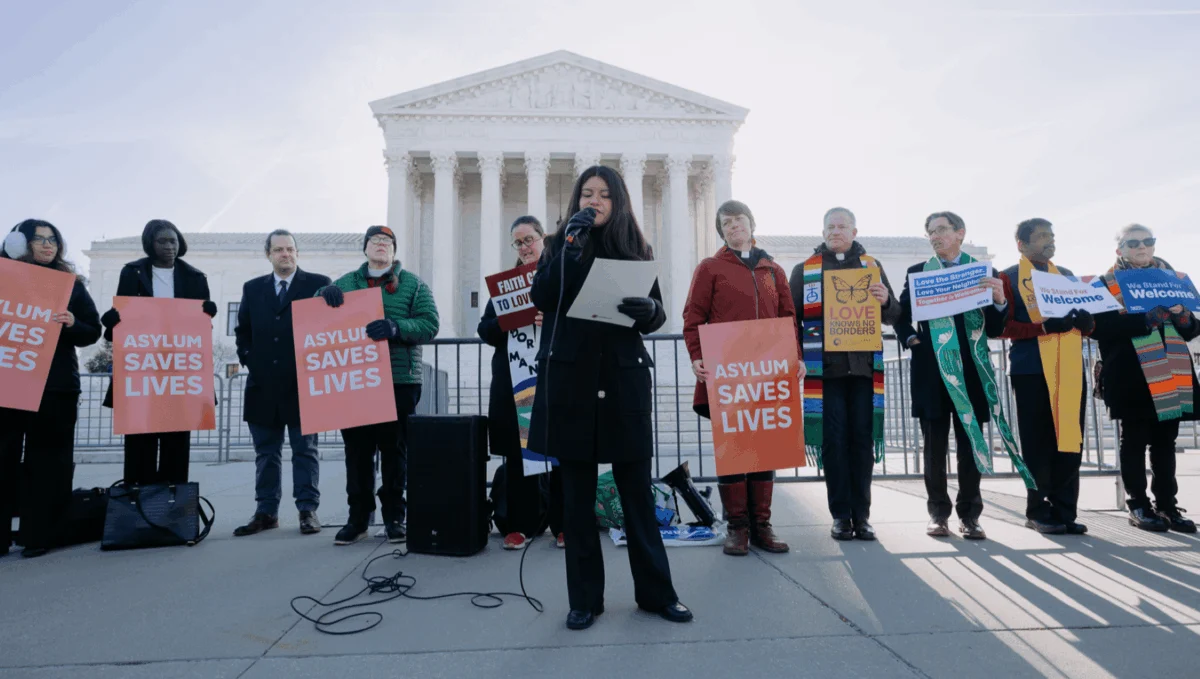
As the world reflects on World Refugee Day 2026, the data presented by the UNHCR offers a clear mandate for intensified global cooperation. The persistent displacement from protracted crises necessitates renewed diplomatic efforts and a commitment to long-term peace-building. The disproportionate burden carried by low- and middle-income countries demands greater financial and material support from wealthier nations. Furthermore, the drastic reduction in resettlement opportunities requires a re-evaluation of national policies and a commitment to expanding safe and legal pathways for those in need of international protection.
The path forward requires a multifaceted strategy. This includes:
- Addressing Root Causes: Investing in conflict prevention, diplomatic solutions, and sustainable development to stem the flow of displacement at its source.
- Ensuring Safe and Dignified Returns: Guaranteeing that returns are voluntary, informed, and supported by adequate security and essential services in areas of origin.
- Strengthening Protection in Host Countries: Upholding the rights of refugees and asylum seekers in host countries, ensuring access to education, healthcare, and livelihoods.
- Expanding Resettlement and Legal Pathways: Increasing opportunities for resettlement and other legal avenues for protection for those most vulnerable.
- Fostering Economic Inclusion: Supporting refugees and host communities through economic empowerment initiatives that promote self-reliance and integration.
- Investing in Mental Health and Psychosocial Support: Providing essential services to address the trauma and psychological toll of displacement.
In conclusion, World Refugee Day 2026 serves as a crucial reminder that the global displacement crisis is not a static issue but a dynamic and evolving challenge. While the decrease in the overall number of displaced persons offers a glimmer of hope, the underlying realities of forced returns, unequal burden-sharing, and diminishing protection pathways demand a renewed and intensified commitment from the international community. With concerted action and a steadfast dedication to the rights, protection, and well-being of the world’s forcibly displaced people, the hope is that by World Refugee Day 2027, tangible progress will be evident.