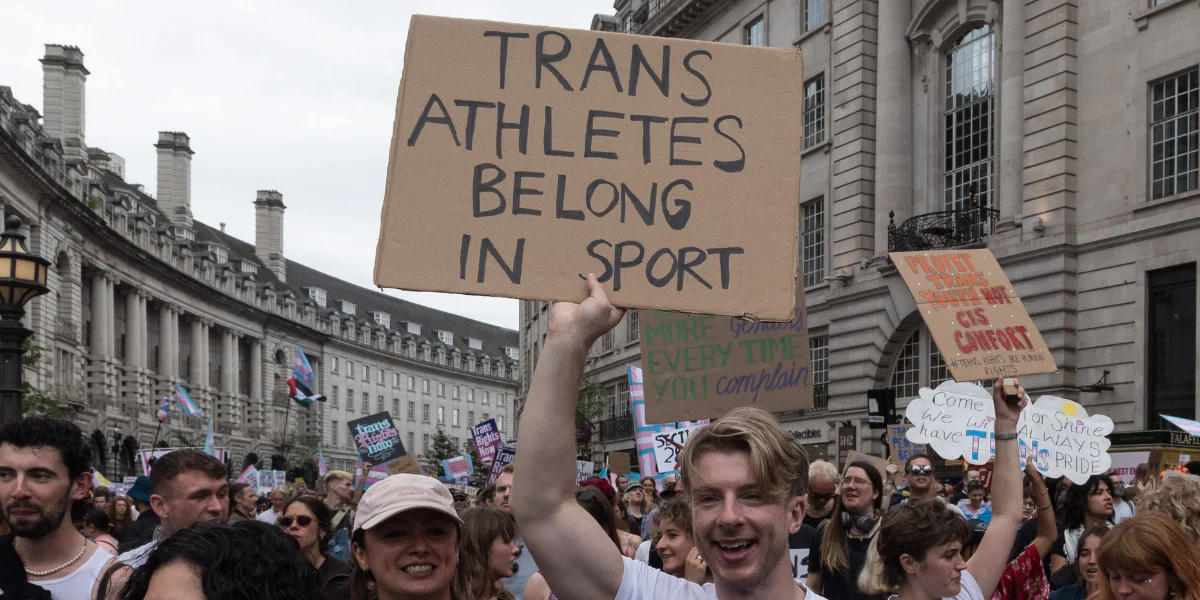
The intersection of gender identity and competitive athletics has emerged as one of the most contentious legal and social battlegrounds in the 21st century. As state legislatures across the United States introduce a record number of bills targeting the participation of transgender individuals in sports, the judicial system has been forced to weigh in on the interpretation of Title IX and the Equal Protection Clause. Most recently, the United States Supreme Court’s decision to allow state-level bans on transgender girls and women in athletics to remain in effect has signaled a significant shift in the legal trajectory of sports equity. This ruling, which specifically impacts cases originating in West Virginia and Idaho, establishes a precedent that could influence dozens of other states currently grappling with similar exclusionary policies.
To understand the current climate of trans-exclusionary sports policies, it is necessary to examine the historical, scientific, and sociological frameworks that have shaped athletic categories for over a century. The modern debate is not merely a contemporary phenomenon but the result of a long history of gender surveillance, sex testing, and the evolving definition of "fairness" in elite competition. As the International Olympic Committee (IOC) and various international sports federations revisit their guidelines—including the reintroduction of sex testing in certain categories—the demand for comprehensive scholarship on the origins of these policies has never been greater.

The Legal and Legislative Chronology
The current wave of trans-exclusionary legislation began in earnest around 2020. Idaho was the first state to pass the "Fairness in Women’s Sports Act," which barred transgender women and girls from competing on sports teams that align with their gender identity. Since then, more than 20 states have passed similar measures. The legal challenges to these laws have centered on whether such bans constitute sex-based discrimination under Title IX, the 1972 federal law that prohibits discrimination on the basis of sex in any education program or activity receiving federal financial assistance.
In April 2024, the Biden administration issued new Title IX regulations intended to protect LGBTQ+ students, but these rules did not include a specific, sweeping policy on transgender athletes, leaving a vacuum that state courts and the Supreme Court have begun to fill. The recent Supreme Court intervention in the West Virginia case, B.P.J. v. West Virginia State Board of Education, allowed the state to enforce its ban while the litigation continues in lower courts. This move has been interpreted by legal analysts as a signal that the conservative majority on the Court may be skeptical of broad protections for transgender athletes under existing federal law.
The Historical Roots of Gender Surveillance
The practice of monitoring the bodies of female athletes to ensure they conform to specific biological expectations is nearly as old as organized women’s sports. As documented in Michael Waters’ The Other Olympians: Fascism, Queerness, and the Making of Modern Sports, the origins of modern sex testing can be traced back to the 1936 Berlin Olympics. During this era, the rise of international sporting competition coincided with a burgeoning global interest in eugenics and rigid gender binaries.

Waters’ research highlights how the identities of early trans and intersex athletes were sensationalized by the media and sports governing bodies. These organizations sought to codify "femaleness" to prevent what they perceived as "fraud" in women’s categories. This historical context reveals that the current scrutiny of transgender athletes is a continuation of a century-long project to police the boundaries of womanhood in the public sphere. The 1936 games established a template for gender surveillance that has evolved from physical inspections to chromosomal testing, and finally to the contemporary focus on testosterone levels.
Scientific Inquiry and the "Fairness" Debate
One of the primary arguments cited by proponents of exclusionary policies is the concept of biological advantage. However, the scientific community remains divided on the extent to which physiological traits associated with male puberty provide a permanent competitive edge after medical transition. In Let Us Play: Winning the Battle for Gender Diverse Athletes, authors Harrison Browne and Rachel Browne examine the existing body of research regarding transgender physiology.
The Brownes argue that many policies are based on "common sense" assumptions rather than rigorous longitudinal data. For example, while testosterone is a factor in athletic performance, it is one of hundreds of biological variables—including height, limb length, and lung capacity—that are celebrated as "natural advantages" in cisgender athletes but weaponized against transgender competitors. Let Us Play advocates for a shift in how sports organizations conceptualize sex segregation, suggesting that the current binary system may be insufficient for capturing the diversity of human biology.

Title IX and the Evolution of Women’s Sports
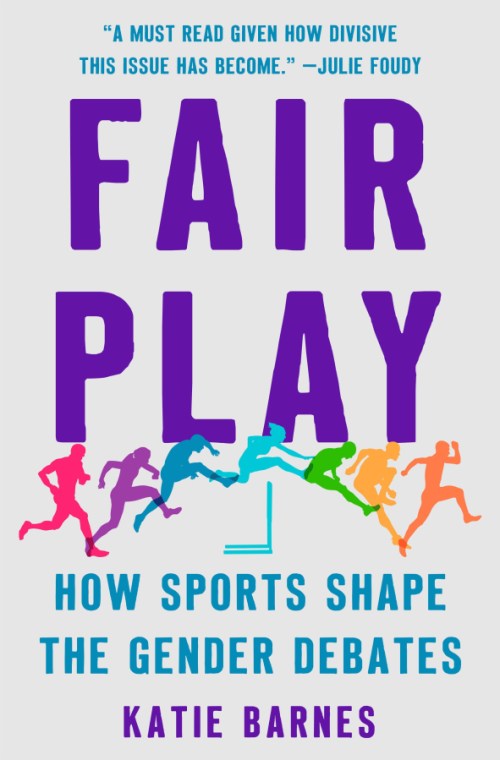
The debate over transgender inclusion is often framed as a conflict between the rights of transgender women and the rights of cisgender women. This tension is explored deeply in Katie Barnes’ Fair Play: How Sports Shape the Gender Debates. Barnes provides a comprehensive history of Title IX, illustrating how the law was originally designed to ensure that women had access to the same resources and opportunities as men.
The central question posed by Barnes is: who decides what is "fair"? While critics of transgender inclusion argue that trans women displace cisgender women, Barnes points out that women’s sports have long been plagued by systemic inequities that have nothing to do with gender identity, such as massive funding gaps, lack of media coverage, and sexual harassment. The focus on transgender athletes, Barnes suggests, often serves as a distraction from the broader structural issues that prevent true equity in women’s athletics.
Societal Impact and the Future of Youth Sports
Beyond the elite level, exclusionary policies have a profound impact on youth and recreational sports. For many transgender young people, sports provide a vital sense of community and physical well-being. In Fair Game: Trans Athletes and the Future of Sports, Ellie Roscher and Dr. Anna Baeth document the personal narratives of athletes who have been sidelined by recent legislation.

The data regarding the mental health of transgender youth suggests that participation in extracurricular activities, including sports, is a significant protective factor against depression and anxiety. When states implement total bans, they effectively remove a critical support system for a population that already faces high rates of marginalization. Roscher and Baeth argue that the future of sports must be inclusive if it is to fulfill its role as a tool for social development and health.
Broader Theoretical Frameworks: Trans-Misogyny and History
To fully grasp the intensity of the opposition to transgender women in sports, one must look at the broader history of gender-based oppression. Jules Gill-Peterson’s A Short History of Trans Misogyny provides a vital theoretical framework for understanding why transgender women, in particular, are the targets of such intense legislative scrutiny. Gill-Peterson argues that the exclusion of trans women from women-only spaces is a fixture of Western systems of control that date back two centuries.
Similarly, Kit Heyam’s Before We Were Trans: A New History of Gender offers a global perspective on gender variance. By showing that gender-nonconforming individuals have existed and participated in all aspects of society across cultures and eras, Heyam challenges the notion that transgender participation in sports is a "new" or "radical" demand. Instead, it is the rigid, exclusionary policies that are the historical anomaly.
Conclusion: A System in Flux
The landscape of transgender inclusion in sports is currently defined by a clash between evolving social understanding and a conservative legal backlash. As the Supreme Court continues to review cases related to gender identity, the findings of scholars and the lived experiences of athletes will remain essential components of the public record.
The books mentioned—The Other Olympians, Let Us Play, Fair Game, Fair Play, Before We Were Trans, and A Short History of Trans Misogyny—represent a growing body of knowledge that seeks to move the conversation beyond headlines and toward a deeper understanding of human rights and athletic integrity. As international bodies like the IOC refine their regulations, the global community must decide whether the goal of sports is to enforce a narrow definition of biology or to foster an environment where all individuals have the opportunity to compete and thrive. The coming years will likely see further litigation and policy shifts, making the pursuit of factual, historical, and scientific literacy on this topic a matter of urgent public importance.