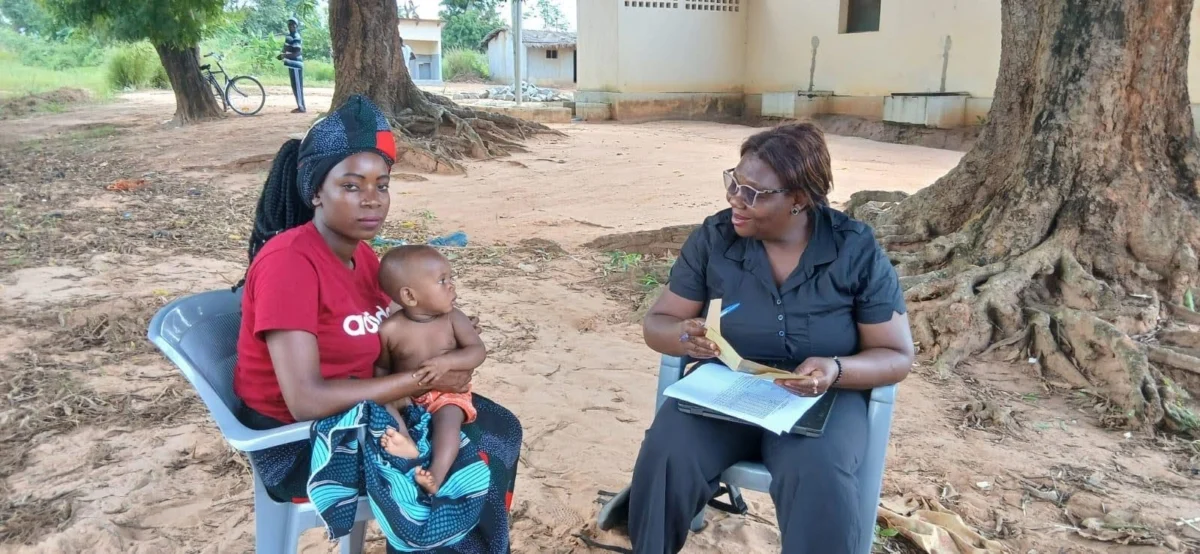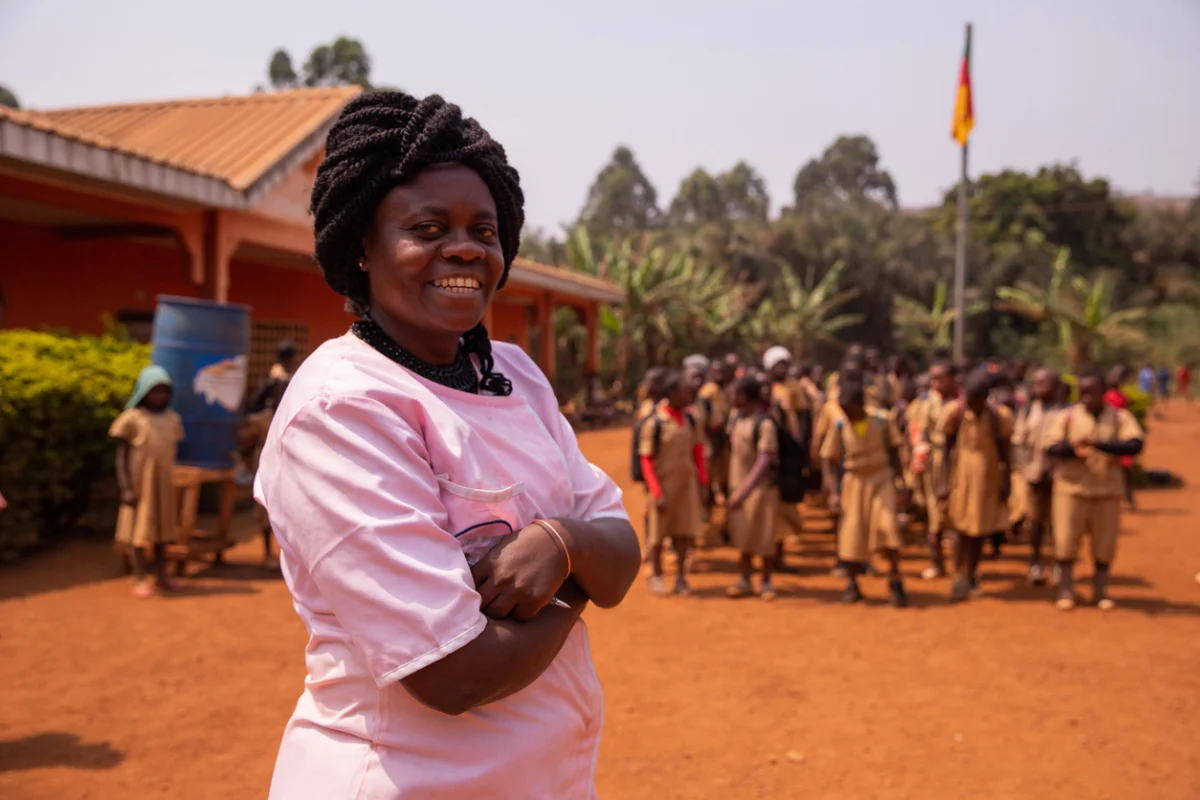
In a decisive move to revitalize the quality of primary education in northern Mozambique, the Ministry of Education and Culture (MEC) has officially launched the Empowering Educators program in collaboration with World Education, an initiative of JSI Research & Training Institute, Inc. Funded by IrishAid and inaugurated in early 2026, this strategic partnership aims to bridge the historical gap between national educational policy and classroom-level implementation. By focusing on the Niassa Province, a region that has historically faced significant developmental hurdles, the program seeks to operationalize the Mozambican government’s National Strategy for Continuous Teacher Training. The initiative represents a critical shift toward sustainable, on-the-ground professional development designed to improve learning outcomes, enhance foundational literacy and numeracy, and ensure a safe, gender-responsive environment for all students.
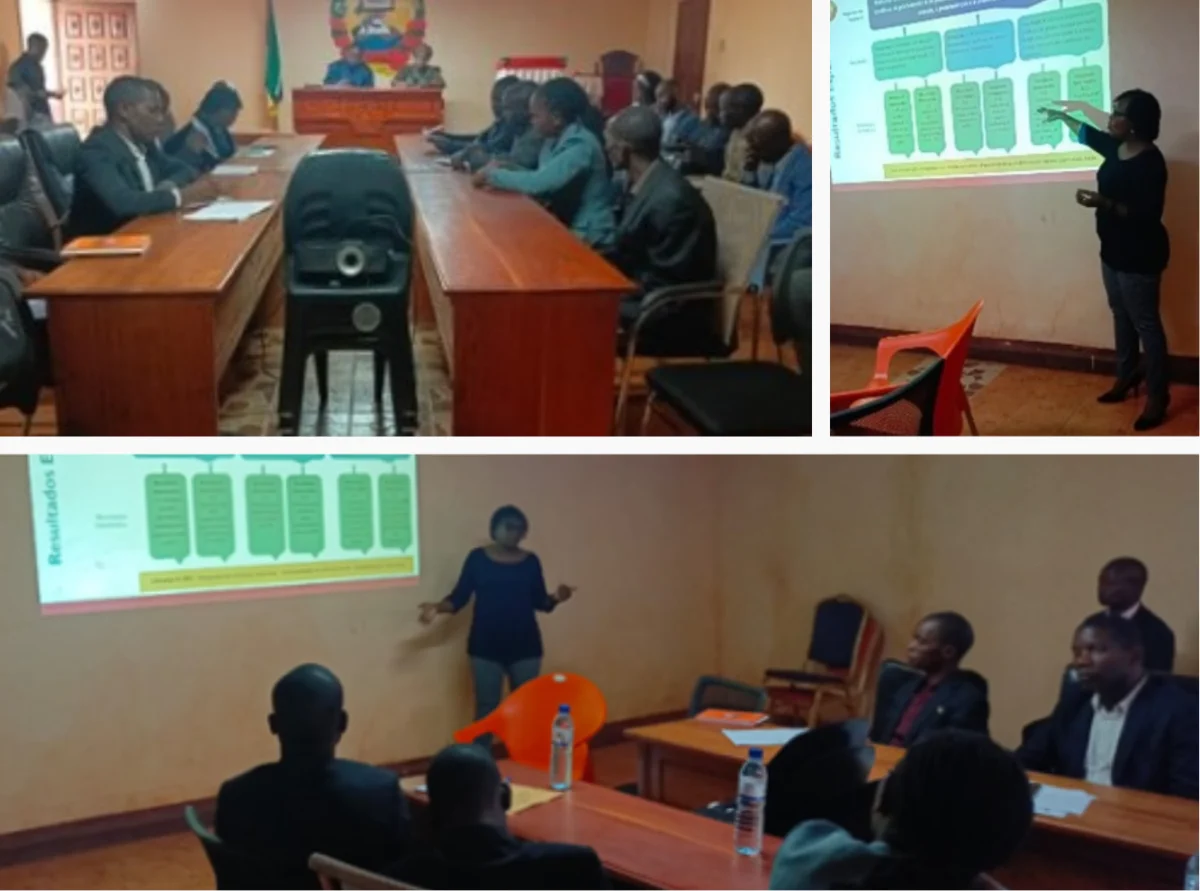
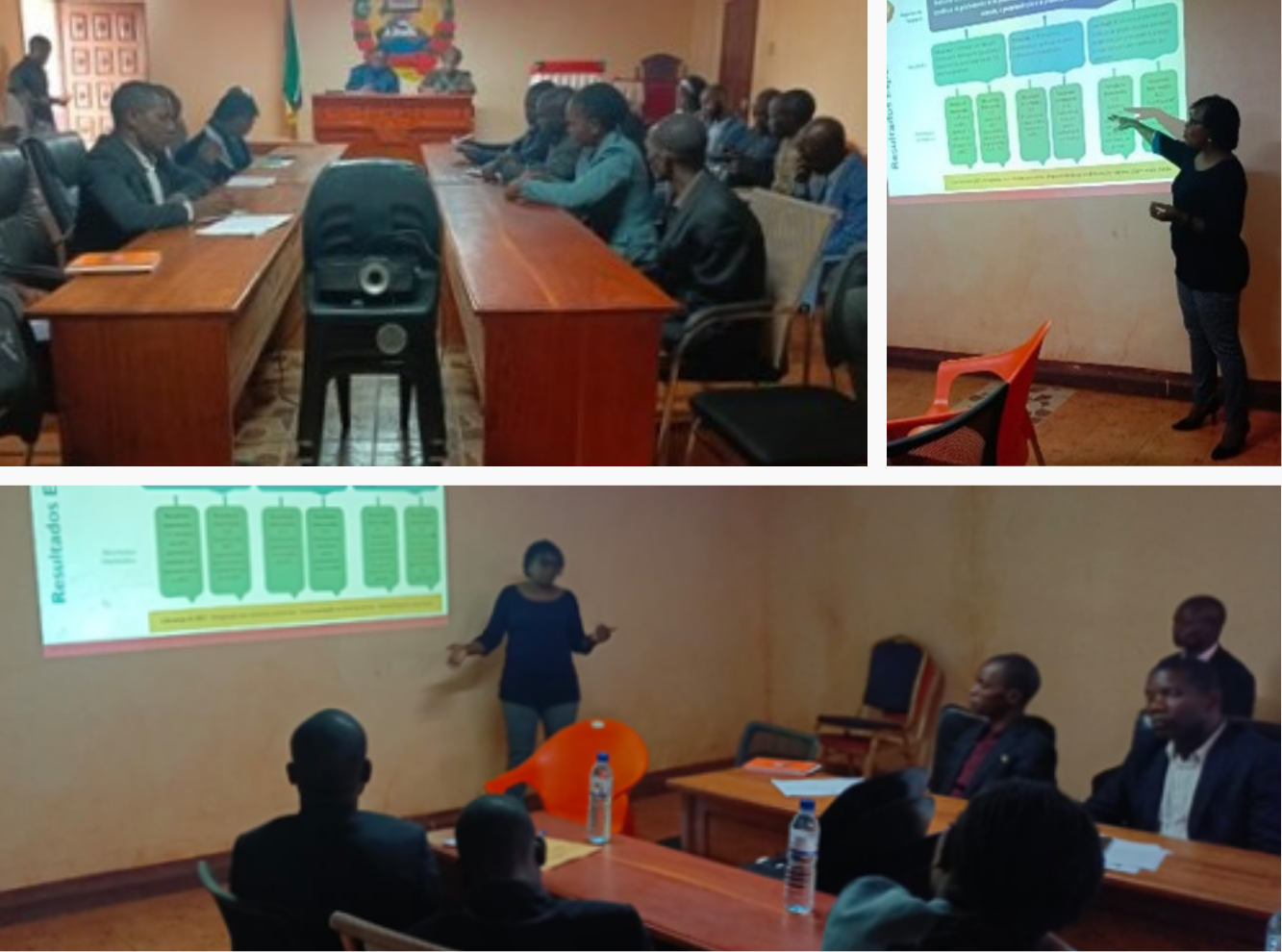
The launch events, which took place in the districts of Mavago and Mecula, were attended by high-level representatives from the Embassy of Ireland in Maputo, including Aileen O’Donovan, Deputy Head of Mission and Cooperation, and Lídia Meque, Program Manager. Representing the implementing partners were Adam Turney, World Education Initiative Director, and David Noyes, Project Director. These kick-off events highlighted the deep-rooted collaboration between international development agencies and the Mozambican government, with local administrators reinforcing their commitment to the initiative as a cornerstone of regional progress.
Addressing the Challenges of Continuous Teacher Development
For decades, Mozambique’s education sector has grappled with the challenge of translating high-level strategies into improved student performance. While enrollment rates have seen a steady increase since the end of the civil war, the quality of instruction remains a persistent concern. Traditional models of teacher training often relied on centralized, one-off workshops that failed to provide the ongoing support necessary for teachers to master complex pedagogical techniques.
The Empowering Educators program is specifically designed to dismantle these systemic barriers. By focusing on "continuous" professional development, the program moves away from the intermittent training model in favor of a sustained, school-based approach. The project’s immediate reach includes 600 teachers—more than 200 of whom are women—and 100 school directors across four targeted districts in Niassa. This localized focus allows for a more granular understanding of the specific obstacles faced by educators in remote northern regions, where infrastructure is often limited and teacher-to-student ratios remain high.
The primary objective is to strengthen foundational learning. In Mozambique, many students reach the middle of their primary schooling without achieving basic literacy in Portuguese or their local languages. By equipping teachers with modernized instructional tools and consistent coaching, the Empowering Educators program intends to ensure that the "National Strategy for Continuous Teacher Training" becomes a living reality in the classroom rather than a dormant policy document.
The Multiplier Effect: A Strategy for Sustainability
A core component of the Empowering Educators strategy is the principle of "multipliers." Ligia Lundo, World Education’s Provincial Manager, emphasizes that the program’s long-term viability depends on creating a self-sustaining ecosystem of mentorship within the schools themselves. Under this model, trainee teachers and school leaders are not merely recipients of information; they are trained to become facilitators of learning for their peers.
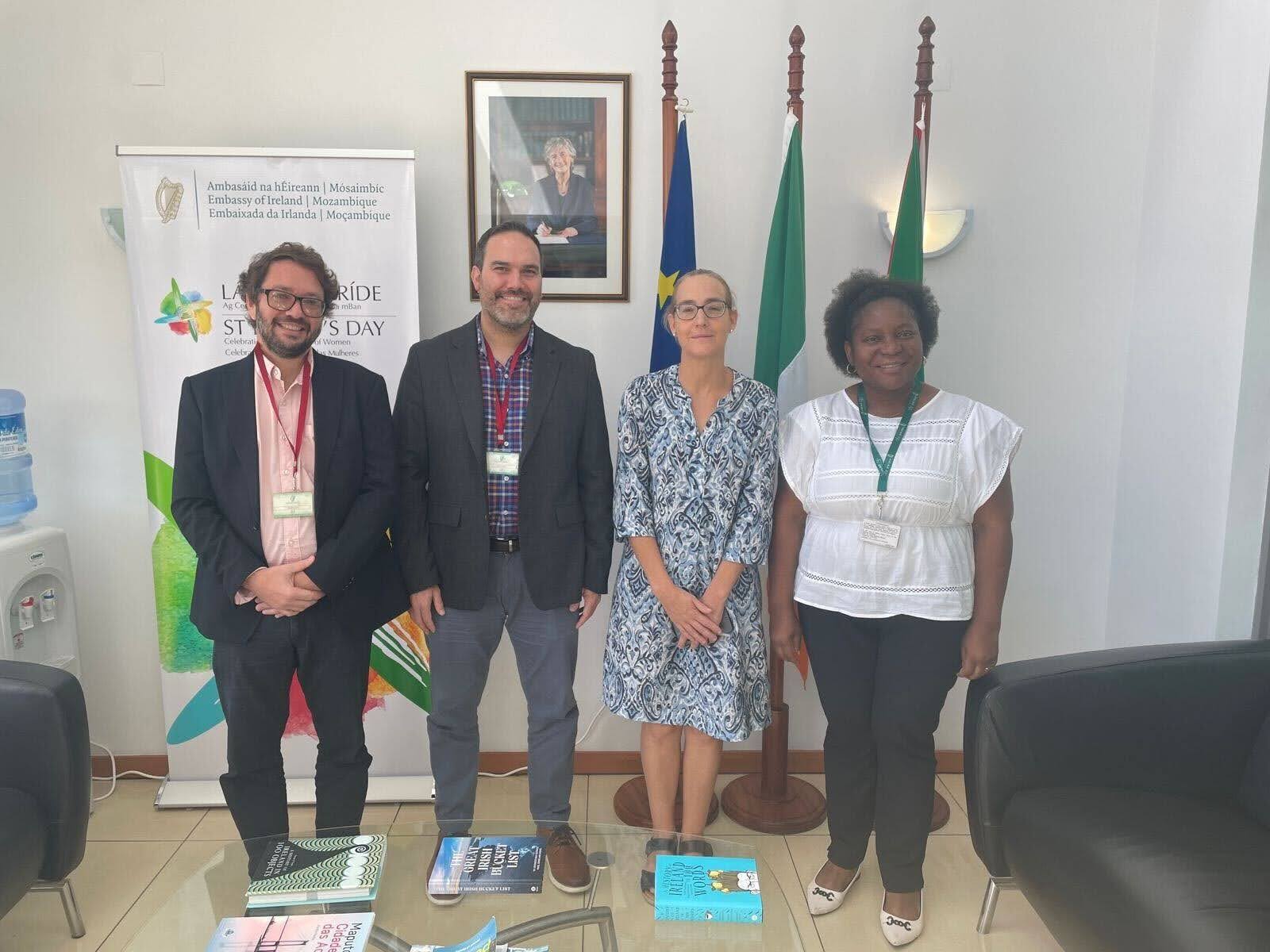
"The sustainability of the strategy is based on the principle that trainee teachers will act as multipliers of the process," Lundo stated during the program’s launch. This involves prioritizing on-the-job training where Deputy School Heads play a pivotal role. These administrators are being trained to provide ongoing classroom support through peer coaching, utilizing a suite of support tools integrated into the national system. This approach ensures that when external funding or international consultants eventually cycle out, the expertise remains embedded within the local school structure.
Strengthening management at the school level is also a priority. By training 100 school directors, the program aims to foster a culture of accountability and academic excellence. When school leadership is actively involved in the pedagogical process, it creates a "top-down and bottom-up" synergy that encourages teachers to adopt innovative strategies and maintains a focus on the social and academic environment of the learners.
Gender-Responsive Management and the Protection of Girls
One of the most critical facets of the Empowering Educators program is its focus on the access, retention, and protection of girls. In many parts of northern Mozambique, girls face unique barriers to completing their education, including early marriage, domestic responsibilities, and safety concerns. The program addresses these issues through gender-responsive school management.
Gender-responsive management involves training school directors and teachers to recognize and mitigate the specific risks that female students face. This includes creating "safe spaces" within schools, implementing robust reporting mechanisms for harassment or abuse, and ensuring that teaching materials do not reinforce harmful stereotypes. By promoting a school culture that values the presence and performance of girls, the project aims to improve retention rates and ensure that female students have the same opportunities for foundational learning as their male counterparts.
The inclusion of over 200 female teachers in the initial cohort is also a strategic move. Female educators often serve as vital role models in rural communities, demonstrating the professional possibilities available to young girls. By empowering these women with advanced training and leadership roles, the program strengthens the broader social fabric of the Niassa Province.
A Legacy of Partnership: World Education and the Mozambican Government
The launch of Empowering Educators is not an isolated event but rather the latest chapter in a 15-year partnership between World Education and the Government of Mozambique. Since 2011, World Education has worked alongside the Ministry of Education and Culture to deliver both large-scale national interventions and targeted regional programs. Over the past decade and a half, these efforts have collectively trained tens of thousands of teachers and supported more than 2 million learners across the country.
This historical context is vital to the success of the new program. World Education’s deep familiarity with the Mozambican bureaucratic and educational landscape allows it to navigate the complexities of provincial administration effectively. The organization’s role as a "JSI initiative" brings additional technical expertise in systems strengthening and public health integration, which often intersects with education in terms of student well-being and school-based nutrition or hygiene programs.
The funding provided by IrishAid further underscores the international community’s recognition of education as a driver of stability in Mozambique. Ireland has long been a key partner in Mozambique’s development, focusing on poverty reduction and the empowerment of marginalized populations. The Embassy of Ireland’s involvement in the Maputo and Niassa events signals a continued diplomatic and financial commitment to the northern provinces, which are essential to the country’s overall peace and prosperity.
Chronology of Implementation and Data-Driven Goals
The Empowering Educators program is structured to follow a rigorous timeline that begins with the collection of comprehensive baseline evidence. This initial phase is crucial for establishing a "ground truth" regarding the current state of teacher competency and student literacy levels in Mavago, Mecula, and the other targeted districts.
- Phase I: Baseline Assessment (Early 2026): Gathering data on student performance and teacher needs to tailor the training modules to the specific realities of Niassa.
- Phase II: Capacity Building for Multipliers (Mid-2026): Training the initial 100 school directors and select lead teachers in peer coaching and gender-responsive management.
- Phase III: Classroom-Level Implementation (Late 2026 – 2027): Rolling out the continuous training model to 600 teachers, with ongoing monitoring by Deputy School Heads.
- Phase IV: Evaluation and Scaling (2028 and beyond): Using the evidence gathered in Niassa to provide the Ministry of Education with a blueprint for scaling the model to other provinces.
By translating national policy into "tangible, day-to-day classroom improvements," the project aims to provide a proof-of-concept for the National Strategy for Continuous Teacher Training. The use of data-driven metrics will allow the MEC to see exactly how peer coaching and school-based support correlate with improved test scores and higher retention rates.
Broader Implications for Niassa and Mozambique
The implications of the Empowering Educators program extend far beyond the walls of the classroom. In a region like Niassa, which has often felt disconnected from the economic growth seen in Maputo or the central corridors, investment in human capital is transformative. Improved primary education is the foundation upon which all future economic development is built. Students who master foundational learning are more likely to succeed in secondary school, enter the workforce with marketable skills, and contribute to the stability of their communities.
Furthermore, the program’s focus on systems strengthening ensures that the Ministry of Education and Culture gains more than just trained teachers; it gains a more robust administrative framework. The "multiplier" model creates a professional ladder for educators, encouraging excellence and providing a clear path for career advancement within the public school system.
As the Empowering Educators program moves forward, its success will be measured not just by the number of teachers trained, but by the measurable improvement in the lives of Mozambican children. With the backing of IrishAid and the technical expertise of World Education, the initiative stands as a beacon of hope for educational reform in Mozambique, promising a future where every child—regardless of gender or geography—has access to a high-quality, protective, and empowering education.