July 3, 2026
By HIAS Staff
Two hundred and fifty years ago, the nascent United States of America was founded on a revolutionary declaration: that all people are created equal. This foundational ideal, penned by visionary leaders, was intended to be a beacon of liberty and self-governance. However, from its inception, this promise was fraught with inherent contradictions and limitations, a reality underscored by the simultaneous enslavement of millions of Africans, the displacement of Indigenous nations, and the establishment of a political framework that prioritized exclusion alongside ideals of life and liberty. Despite these profound shortcomings, the aspiration for equality has persisted, evolving and being challenged across generations, shaping the very fabric of American identity.
American history, in its broadest sense, is a testament to the ongoing struggle of diverse populations to realize the ideals of freedom and equality. This narrative is characterized by a dynamic ebb and flow, where the definition of who truly belongs within the American polity has expanded, contracted, been denied, and forcefully reasserted. There have been pivotal moments of "radical welcome," where new communities, seeking refuge from persecution and violence, were offered a chance at safety and a new beginning for themselves and their descendants. Conversely, these periods of openness have often been followed by eras where established institutions have been compelled, frequently with reluctance, to confront societal shifts and broaden the boundaries of American inclusion.
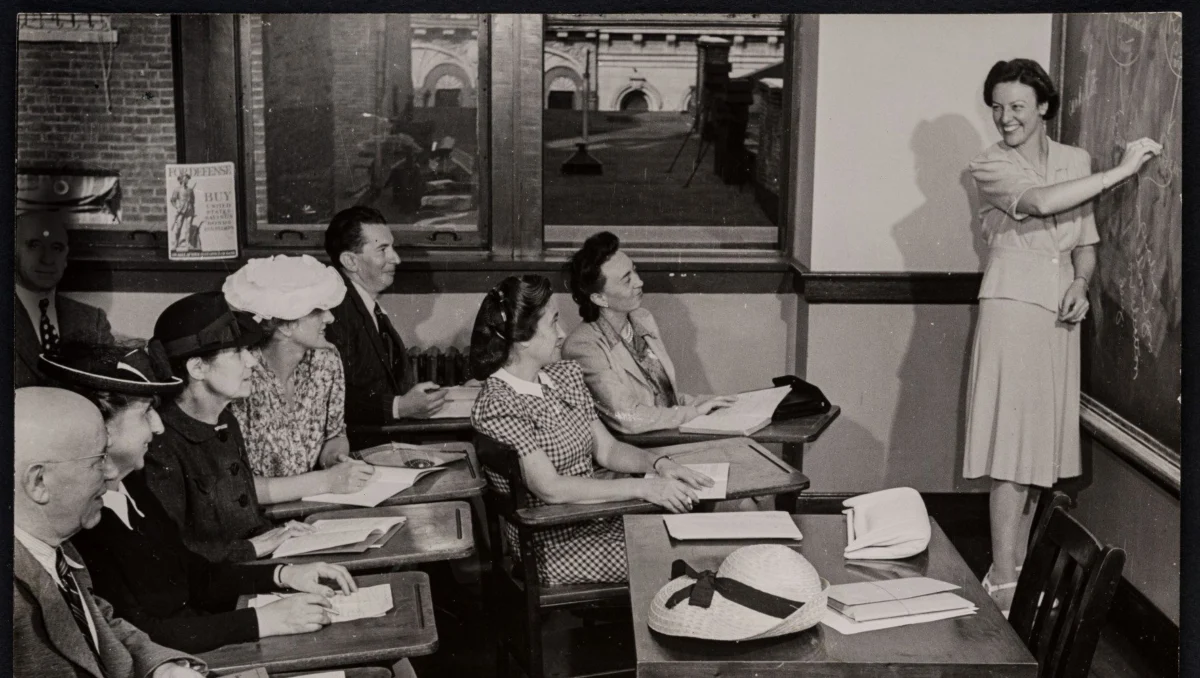
HIAS, formerly known as the Hebrew Immigrant Aid Society, has played a significant role in this unfolding narrative for well over a century, a period encompassing more than half of the nation’s history. The organization has been a constant presence at ports of entry, from bustling docks to modern airports, and within communities across the country, dedicated to welcoming millions of new Americans. These individuals, fleeing violence and persecution, arrived with an unwavering hope for a fresh start. Throughout numerous historical epochs, HIAS has extended its hand to immigrants and refugees from across the globe, who, in turn, have contributed immeasurably to the nation’s strength and prosperity, embodying the very essence of what makes America great.
The Diverse Tapestry of American Immigration
The distinctiveness of the United States is deeply rooted in its extraordinary diversity, a richness woven from the myriad stories of arrival and integration. The historical record is replete with examples of groups who, despite facing immense hardship and discrimination, have profoundly shaped the nation.
Consider the plight of Africans brought to America in chains. Their forced labor underpinned the nation’s early economic development, even as they were systematically denied their fundamental freedom and humanity for generations. The Irish, fleeing the devastating Great Famine of the 1840s, arrived in America to confront pervasive suspicion and often exploitative labor conditions. The Chinese laborers who toiled to construct the transcontinental railroad, a monumental feat of engineering, later became the first immigrant group to be explicitly excluded from entering the country by federal law, a stark illustration of the shifting sands of immigration policy. Mexican workers, for generations, formed the backbone of American agriculture and infrastructure, yet were simultaneously subject to active efforts to marginalize them from the national identity. Jewish refugees, seeking sanctuary from rising antisemitism and the horrors of the Holocaust, faced quotas and restrictions at Ellis Island, limiting their entry even as fascism gained power in Europe. More recently, Afghan refugees, displaced by decades of conflict, much of which was influenced by American foreign policy decisions, have sought refuge in the United States.
These are not isolated histories; rather, they form a complex, interwoven narrative. This narrative encompasses the constant movement of people, their arrivals, the inevitable tensions and exclusions they encountered, their arduous struggles for recognition and acceptance, their persistent fights for freedom, the acts of welcome extended by some communities, the transformative impact of newcomers on those very communities, cycles of rejection and acceptance, and the continuous redefinition of what it means to be American.
From Exclusion to Redefinition: The Evolving American Identity
The descendants of those who were once viewed with suspicion and faced significant barriers to entry now occupy positions of influence and leadership across American society. They serve in the halls of Congress, command the nation’s armed forces, lead major corporations and academic institutions, drive scientific innovation, enrich the cultural landscape through art and literature, and are instrumental in raising the next generation of American citizens. Time and again, individuals and communities who were once denied full belonging have gone on to redefine the very essence of America, thereby strengthening its social, economic, and cultural fabric.
Contemporary Challenges to Inclusion
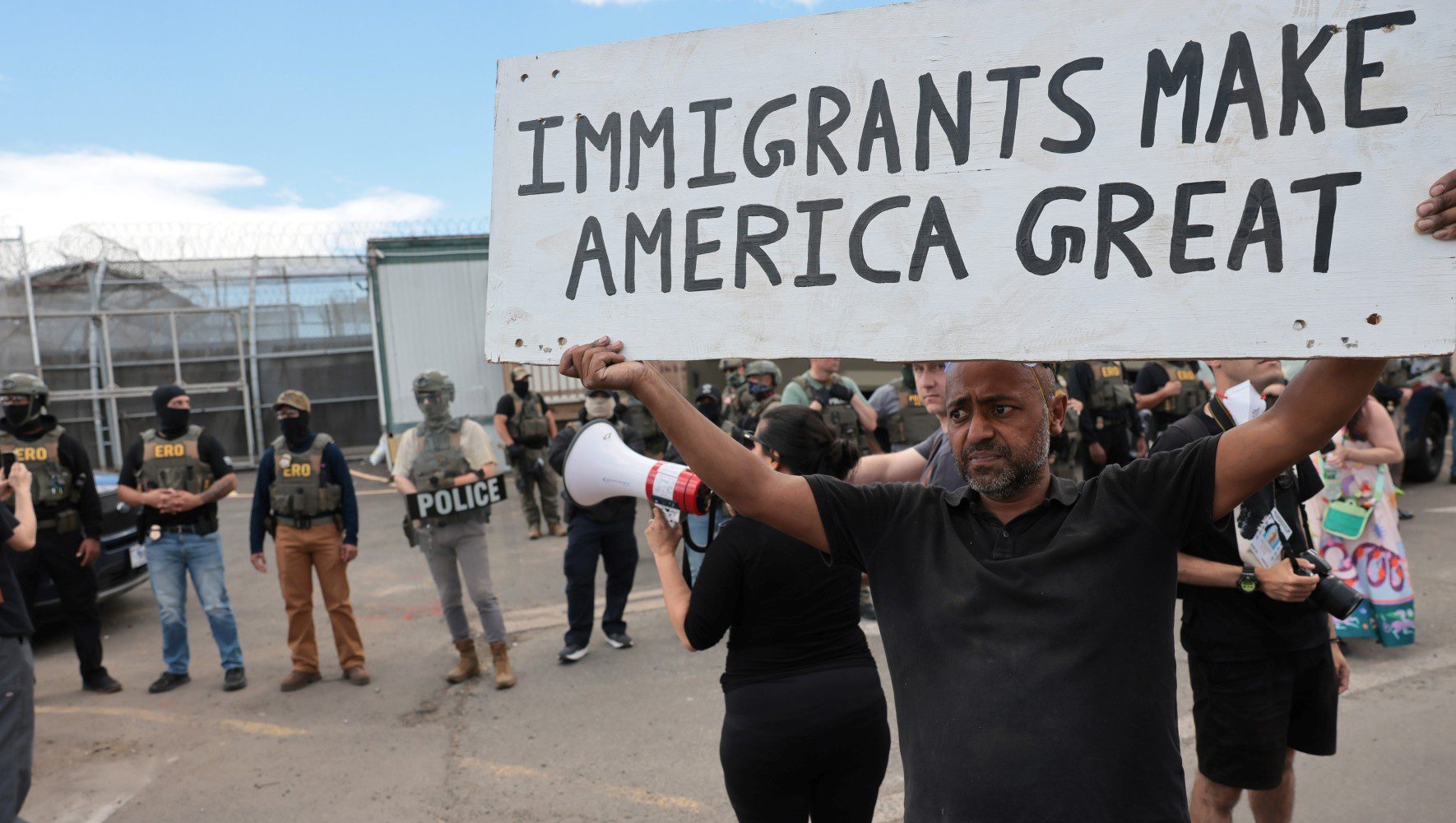
In the present day, the discourse surrounding immigration has become increasingly polarized and intense. A vocal and influential minority expresses apprehension regarding demographic shifts within the United States. This segment of the population frequently employs exclusionary rhetoric and utilizes the instruments of state power to deport individuals, detain them, and force them into clandestine living situations. What was once a nation that established a global precedent for welcome and opportunity is now, in the eyes of many, increasingly associated with rejection and exclusion. This shift represents a significant departure from historical periods of greater openness.
A Call to Action: Embracing the American Ideal
Despite these challenges, the current moment offers a profound opportunity, mirroring the choices faced by Americans throughout their 250-year history. The imperative is to stand in solidarity with fellow human beings and to actively champion the future of a country whose defining characteristic is its rich diversity. This necessitates a commitment to protest, activism, and the unwavering support of vulnerable neighbors.
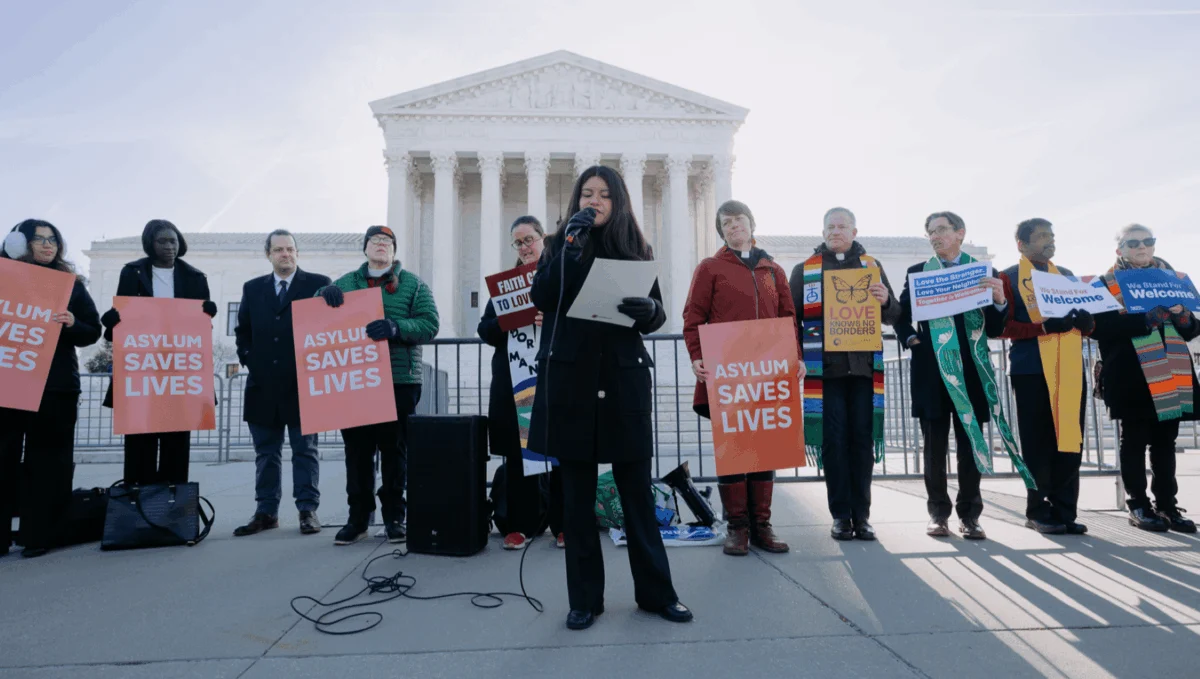
Organizations like HIAS witness this commitment daily. Synagogues across the nation are providing essential food and care to immigrants within their communities. Volunteers are actively working to protect their neighbors from Immigration and Customs Enforcement (ICE) actions. Lawyers are generously donating their time and expertise to assist with complex legal paperwork. Advocates are diligently ensuring that elected officials understand the profound stakes involved in immigration policy. HIAS has embraced this critical fight, serving thousands of immigrants whose lives have been thrown into turmoil and instability by policies that foster fear and insecurity. The organization is actively engaged in challenging harmful policies through legal action, legislative advocacy, and public awareness campaigns.
The upcoming midterm elections present a crucial juncture to reaffirm core American values. This electoral cycle offers an opportunity to advocate for policies that protect immigrants, refugees, and marginalized communities, including Jewish, Muslim, and LGBTQ+ individuals, who are currently facing heightened threats and vulnerability. The election of candidates who understand that immigration is not a problem to be solved but rather a profound blessing and an unparalleled opportunity—just as it was perceived in previous generations—is paramount.
In an era where daily headlines can evoke a sense of despair, it is the historical accounts of Americans who have consistently fought for the promise of equality, over the course of 250 years, that provide essential direction and enduring hope. This history is not static; it is a continuous march forward, and with it, the responsibility rests upon each individual to participate and contribute to its ongoing progress. The struggle for a more inclusive and equitable America is a perpetual endeavor, demanding vigilance, advocacy, and a steadfast commitment to the nation’s founding ideals, however imperfectly they have been realized. The path forward requires a collective recommitment to ensuring that the promise of equality is not merely a historical declaration but a living reality for all.